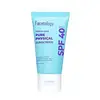
This mineral sunscreen covers the full UV range and blocks ~98% of UVB at SPF 40.
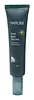
This chemical sunscreen covers the full UV range and blocks ~98% of UVB at SPF 50.

What's inside
What's inside
 Key Ingredients
Benefits
Concerns
Ingredients Side-by-side
Water
Skin ConditioningZinc Oxide
Cosmetic Colorant


C12-15 Alkyl Benzoate
AntimicrobialCentella Asiatica Leaf Water
Skin Conditioning


Propanediol
Solvent
Coco-Caprylate/Caprate
Emollient
Glycerin
Humectant
Methyl Methacrylate Crosspolymer
Silica
Abrasive

Polyhydroxystearic Acid
Emulsifying

Dimethicone/Vinyl Dimethicone Crosspolymer
Skin Conditioning
Pentylene Glycol
Skin Conditioning
1,2-Hexanediol
Skin Conditioning
Dibutyl Adipate
EmollientPanthenol
Skin Conditioning
Hydroxyethyl Acrylate/Sodium Acryloyldimethyl Taurate Copolymer
Emulsion StabilisingTriethoxycaprylylsilane
C14-22 Alcohols
Emulsion Stabilising
Sodium Acrylate/Sodium Acryloyldimethyl Taurate Copolymer
Emulsion StabilisingIsohexadecane
EmollientC12-20 Alkyl Glucoside
EmulsifyingHydroxyacetophenone
Antioxidant
Polyacrylate Crosspolymer-6
Emulsion StabilisingPolyglyceryl-10 Myristate
Skin Conditioning
Tocopheryl Acetate
Antioxidant

Arachidyl Alcohol
Emollient
Polysorbate 80
Emulsifying
Dipotassium Glycyrrhizate
Humectant
Butylene Glycol
Humectant
Behenyl Alcohol
Emollient
Arachidyl Glucoside
EmulsifyingSorbitan Oleate
Emulsifying

Ethylhexylglycerin
Skin ConditioningArginine
Masking
Carbomer
Emulsion StabilisingVitis Vinifera Seed Oil
Emollient
Bisabolol
Antioxidant
Squalane
Emollient
Trehalose
Humectant
Saccharide Isomerate
Humectant
4-T-Butylcyclohexanol
Masking

Sodium Citrate
BufferingCitric Acid
Buffering
Phragmites Karka Extract
Skin ConditioningPoria Cocos Extract
Skin ConditioningSodium Benzoate
Masking
Pantothenic Acid
Skin ConditioningNigella Sativa Seed Oil
Emollient
Water, Zinc Oxide, C12-15 Alkyl Benzoate, Centella Asiatica Leaf Water, Propanediol, Coco-Caprylate/Caprate, Glycerin, Methyl Methacrylate Crosspolymer, Silica, Polyhydroxystearic Acid, Dimethicone/Vinyl Dimethicone Crosspolymer, Pentylene Glycol, 1,2-Hexanediol, Dibutyl Adipate, Panthenol, Hydroxyethyl Acrylate/Sodium Acryloyldimethyl Taurate Copolymer, Triethoxycaprylylsilane, C14-22 Alcohols, Sodium Acrylate/Sodium Acryloyldimethyl Taurate Copolymer, Isohexadecane, C12-20 Alkyl Glucoside, Hydroxyacetophenone, Polyacrylate Crosspolymer-6, Polyglyceryl-10 Myristate, Tocopheryl Acetate, Arachidyl Alcohol, Polysorbate 80, Dipotassium Glycyrrhizate, Butylene Glycol, Behenyl Alcohol, Arachidyl Glucoside, Sorbitan Oleate, Ethylhexylglycerin, Arginine, Carbomer, Vitis Vinifera Seed Oil, Bisabolol, Squalane, Trehalose, Saccharide Isomerate, 4-T-Butylcyclohexanol, Sodium Citrate, Citric Acid, Phragmites Karka Extract, Poria Cocos Extract, Sodium Benzoate, Pantothenic Acid, Nigella Sativa Seed Oil
Water
Skin ConditioningGlycerin
Humectant
Dibutyl Adipate
EmollientButyloctyl Salicylate
Skin Conditioning
Diethylamino Hydroxybenzoyl Hexyl Benzoate
UV Filter
Bis-Ethylhexyloxyphenol Methoxyphenyl Triazine
UV Absorber
Butylene Glycol
Humectant
Ethylhexyl Triazone
UV Absorber
Pentylene Glycol
Skin Conditioning
Isoamyl P-Methoxycinnamate
UV Absorber
Polysilicone-15
UV Filter
Centella Asiatica Leaf Water
Skin Conditioning
Inulin Lauryl Carbamate
Emulsion StabilisingChrysanthemum Parthenium Extract
Skin ConditioningChamomilla Recutita Extract
Skin Conditioning
Sodium Acrylate/Sodium Acryloyldimethyl Taurate Copolymer
Emulsion StabilisingAcrylates/C10-30 Alkyl Acrylate Crosspolymer
Emulsion StabilisingTromethamine
BufferingIsohexadecane
EmollientGlyceryl Caprylate
EmollientCaprylyl Glycol
Emollient
Polysorbate 80
Emulsifying
Camellia Japonica Leaf Extract
Skin ConditioningSorbitan Oleate
Emulsifying
Water, Glycerin, Dibutyl Adipate, Butyloctyl Salicylate, Diethylamino Hydroxybenzoyl Hexyl Benzoate, Bis-Ethylhexyloxyphenol Methoxyphenyl Triazine, Butylene Glycol, Ethylhexyl Triazone, Pentylene Glycol, Isoamyl P-Methoxycinnamate, Polysilicone-15, Centella Asiatica Leaf Water, Inulin Lauryl Carbamate, Chrysanthemum Parthenium Extract, Chamomilla Recutita Extract, Sodium Acrylate/Sodium Acryloyldimethyl Taurate Copolymer, Acrylates/C10-30 Alkyl Acrylate Crosspolymer, Tromethamine, Isohexadecane, Glyceryl Caprylate, Caprylyl Glycol, Polysorbate 80, Camellia Japonica Leaf Extract, Sorbitan Oleate
Reviews
Ingredients Explained
These ingredients are found in both products.
Ingredients higher up in an ingredient list are typically present in a larger amount.
Butylene Glycol (or BG) is used within cosmetic products for a few different reasons:
Overall, Butylene Glycol is a safe and well-rounded ingredient that works well with other ingredients.
Though this ingredient works well with most skin types, some people with sensitive skin may experience a reaction such as allergic rashes, closed comedones, or itchiness.
Learn more about Butylene GlycolCentella Asiatica Leaf Water is created by distilling centella asiatica leaves. Centella Asiatica is a herb native to Southeast Asia.
Many active components found in Centella Asiatica Extract, such as Madecassic Acid and Asiaticoside, encourage the skin to naturally produce hyaluronic acid. This helps keep our skin hydrated. Many of these components also show antioxidant activity and may help reduce the signs of aging.
Other components of Centella Asiatic Extract include Vitamin A, vitamin C, several B vitamins, and Asiatic Acid.
Learn more about Centella Asiatica Leaf WaterDibutyl Adipate is a lightweight, oil-soluble ester that acts as an emollient and solvent. It helps products spread more easily and leaves a soft, silky, dry-touch finish without being greasy.
You'll likely see this ingredient in sunscreens because it does a nice job dissolving UV filters and keeping them evenly distributed.
This ingredient has been found to be safe as used in cosmetics, wasn't a skin or eye irritant in clinical patch testing, and wasn't phototoxic.
In a clinical comedogenicity test, this ingredient tested negative so it isn't likely to clog pores.
Typical use levels are about 5-8% for sunscreens + nail products, but can range from 0.005%-8% depending on the product.
Learn more about Dibutyl AdipateGlycerin (or glycerol) is a compound naturally found in your skin. It's a powerhouse humectant that pulls water into the stratum corneum.
Topically, glycerin does several things at once:
Your skin makes glycerin on its own (mostly from sebaceous oil breakdown) and shuttles it to your outermost layer of skin, or your epidermis, via aquaporin-3.
Aquaporin-3 is a transporter that is essential for normal skin hydration, elasticity, and repair. Interestingly, mice lacking in AQP3 have dry and less elastic skin that can be fully corrected with glycerin.
This ingredient is non-irritating, plays well with almost every ingredient, and works across all skin types. Typical use is anywhere between 3-10% but can go up to 79% in some leave-on products.
Just know very high concentrations (>40%) can feel tacky in low humidity.
Glycerin is the name for this ingredient in American English. British English uses Glycerol/Glycerine.
Learn more about GlycerinIsohexadecane is added to enhance texture, emulsify, and to help cleanse. It is an isoparrafin. It is a component of petrolatum.
Due to its large size, Isohexadecane is not absorbed by the skin. Instead, it sits on top and acts as an emollient. Emollients help keep your skin soft and smooth by trapping moisture within.
Isohexadecane is often used in products designed to help oily skin. It is lightweight and non-greasy while helping to moisturize. When mixed with silicones, it gives a product a silky feel.
Learn more about IsohexadecanePentylene Glycol (1,2-pentanediol) is a multitasking little diol with three main roles in a formula:
Research on alkanediols (the family pentylene glycol belongs to) show they work by disrupting microbial cell membranes. This disruption helps the primary preservative system in a product work more effectively at lower doses.
On the safety side, the Cosmetic Ingredient Review Expert Panel has concluded this ingredient to be safe as used in current cosmetic practices + concentrations.
Typical use levels in a formula run about 1-5%.
Learn more about Pentylene GlycolPolysorbate 80 is a synthetic surfactant and emulsifier derived from sorbitol and oleic acid.
It reduces the surface tension between oil and water phases to help them stay mixed and stable in a formulation. In other words, it prevents your formulas from separating into an oily mess.
The CIR Expert Panel has evaluated the scientific data and found this ingredient to be safe, non-irritating, and non-sensitizing at concentrations up to 5% (it's even approved by the FDA as an OTC eye drop ingredient).
Learn more about Polysorbate 80This long ingredient is a copolymer of sodium acrylate and sodium acryloyldimethyl taurate monomers.
It is used to help stabilize other ingredients and create a thicker gel-like texture.
Emulsifiers prevent oils and waters from separating.
Learn more about Sodium Acrylate/Sodium Acryloyldimethyl Taurate CopolymerSorbitan Oleate is a PEG-free emulsifier made by esterifying sorbitol with oleic acid.
You'll likely see it paired with Polysorbate 80 to create the right emulsification balance.
Typical use levels in formulas range from 2-10%.
The CIR Expert Panel has concluded this ingredient to be safe as a cosmetic ingredient.
Since this ingredient is an ester of oleic acid, it may not be fungal acne safe. Oleic acid is a fatty acid that falls into the C11-24 range that Malassezia can metabolize.
Learn more about Sorbitan OleateWater. It's the most common cosmetic ingredient of all. You'll usually see it at the top of ingredient lists, meaning that it makes up the largest part of the product.
So why is it so popular? Water most often acts as a solvent - this means that it helps dissolve other ingredients into the formulation.
You'll also recognize water as that liquid we all need to stay alive. If you see this, drink a glass of water. Remember to stay hydrated!
Learn more about Water

