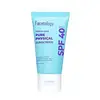
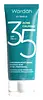
Facetology Triple Care Pure Physical Sunscreen SPF 40 Versus Wardah UV Shield Acne Calming Sunscreen Moisturizer SPF 35 PA+++
This mineral sunscreen covers the full UV range and blocks ~98% of UVB at SPF 40.
This chemical sunscreen covers most of the UV range, lighter on the deep UVA that drives aging.

What's inside
What's inside
 Key Ingredients
Benefits
Concerns
Ingredients Side-by-side
Water
Skin ConditioningZinc Oxide
Cosmetic Colorant


C12-15 Alkyl Benzoate
AntimicrobialCentella Asiatica Leaf Water
Skin Conditioning


Propanediol
Solvent
Coco-Caprylate/Caprate
Emollient
Glycerin
Humectant
Methyl Methacrylate Crosspolymer
Silica
Abrasive

Polyhydroxystearic Acid
Emulsifying

Dimethicone/Vinyl Dimethicone Crosspolymer
Skin Conditioning
Pentylene Glycol
Skin Conditioning
1,2-Hexanediol
Skin Conditioning
Dibutyl Adipate
EmollientPanthenol
Skin Conditioning
Hydroxyethyl Acrylate/Sodium Acryloyldimethyl Taurate Copolymer
Emulsion StabilisingTriethoxycaprylylsilane
C14-22 Alcohols
Emulsion Stabilising
Sodium Acrylate/Sodium Acryloyldimethyl Taurate Copolymer
Emulsion StabilisingIsohexadecane
EmollientC12-20 Alkyl Glucoside
EmulsifyingHydroxyacetophenone
Antioxidant
Polyacrylate Crosspolymer-6
Emulsion StabilisingPolyglyceryl-10 Myristate
Skin Conditioning
Tocopheryl Acetate
Antioxidant

Arachidyl Alcohol
Emollient
Polysorbate 80
Emulsifying
Dipotassium Glycyrrhizate
Humectant
Butylene Glycol
Humectant
Behenyl Alcohol
Emollient
Arachidyl Glucoside
EmulsifyingSorbitan Oleate
Emulsifying

Ethylhexylglycerin
Skin ConditioningArginine
Masking
Carbomer
Emulsion StabilisingVitis Vinifera Seed Oil
Emollient
Bisabolol
Antioxidant
Squalane
Emollient
Trehalose
Humectant
Saccharide Isomerate
Humectant
4-T-Butylcyclohexanol
Masking

Sodium Citrate
BufferingCitric Acid
Buffering
Phragmites Karka Extract
Skin ConditioningPoria Cocos Extract
Skin ConditioningSodium Benzoate
Masking
Pantothenic Acid
Skin ConditioningNigella Sativa Seed Oil
Emollient
Water, Zinc Oxide, C12-15 Alkyl Benzoate, Centella Asiatica Leaf Water, Propanediol, Coco-Caprylate/Caprate, Glycerin, Methyl Methacrylate Crosspolymer, Silica, Polyhydroxystearic Acid, Dimethicone/Vinyl Dimethicone Crosspolymer, Pentylene Glycol, 1,2-Hexanediol, Dibutyl Adipate, Panthenol, Hydroxyethyl Acrylate/Sodium Acryloyldimethyl Taurate Copolymer, Triethoxycaprylylsilane, C14-22 Alcohols, Sodium Acrylate/Sodium Acryloyldimethyl Taurate Copolymer, Isohexadecane, C12-20 Alkyl Glucoside, Hydroxyacetophenone, Polyacrylate Crosspolymer-6, Polyglyceryl-10 Myristate, Tocopheryl Acetate, Arachidyl Alcohol, Polysorbate 80, Dipotassium Glycyrrhizate, Butylene Glycol, Behenyl Alcohol, Arachidyl Glucoside, Sorbitan Oleate, Ethylhexylglycerin, Arginine, Carbomer, Vitis Vinifera Seed Oil, Bisabolol, Squalane, Trehalose, Saccharide Isomerate, 4-T-Butylcyclohexanol, Sodium Citrate, Citric Acid, Phragmites Karka Extract, Poria Cocos Extract, Sodium Benzoate, Pantothenic Acid, Nigella Sativa Seed Oil
Water
Skin ConditioningEthylhexyl Methoxycinnamate
UV Absorber
Niacinamide
Smoothing



Butyl Methoxydibenzoylmethane
UV Absorber
Aluminum Starch Octenylsuccinate
Absorbent
Phenoxyethanol
Preservative
Cetearyl Olivate
Propanediol
Solvent
Butylene Glycol
Humectant
Octocrylene
UV Absorber
Acrylates/C10-30 Alkyl Acrylate Crosspolymer
Emulsion StabilisingSorbitan Olivate
Emulsifying
Polymethyl Methacrylate
Aminomethyl Propanol
BufferingAllantoin
Skin Conditioning
Panthenol
Skin Conditioning
Salicylic Acid
Masking

Xanthan Gum
EmulsifyingTriethylene Glycol
Masking
Ethylhexyl Triazone
UV Absorber
Tetrasodium EDTA
Lecithin
Emollient
BHT
Antioxidant
Water, Ethylhexyl Methoxycinnamate, Niacinamide, Butyl Methoxydibenzoylmethane, Aluminum Starch Octenylsuccinate, Phenoxyethanol, Cetearyl Olivate, Propanediol, Butylene Glycol, Octocrylene, Acrylates/C10-30 Alkyl Acrylate Crosspolymer, Sorbitan Olivate, Polymethyl Methacrylate, Aminomethyl Propanol, Allantoin, Panthenol, Salicylic Acid, Xanthan Gum, Triethylene Glycol, Ethylhexyl Triazone, Tetrasodium EDTA, Lecithin, BHT
Reviews
Ingredients Explained
These ingredients are found in both products.
Ingredients higher up in an ingredient list are typically present in a larger amount.
Butylene Glycol (or BG) is used within cosmetic products for a few different reasons:
Overall, Butylene Glycol is a safe and well-rounded ingredient that works well with other ingredients.
Though this ingredient works well with most skin types, some people with sensitive skin may experience a reaction such as allergic rashes, closed comedones, or itchiness.
Learn more about Butylene GlycolPanthenol is a common ingredient that helps hydrate and soothe the skin. It is found naturally in our skin and hair.
There are two forms of panthenol: D and L.
D-panthenol is also known as dexpanthenol. Most cosmetics use dexpanthenol or a mixture of D and L-panthenol.
Panthenol is famous due to its ability to go deeper into the skin's layers. Using this ingredient has numerous pros (and no cons):
Like hyaluronic acid, panthenol is a humectant. Humectants are able to bind and hold large amounts of water to keep skin hydrated.
This ingredient works well for wound healing. It works by increasing tissue in the wound and helps close open wounds.
Once oxidized, panthenol converts to pantothenic acid. Panthothenic acid is found in all living cells.
This ingredient is also referred to as pro-vitamin B5.
Learn more about PanthenolPropanediol is an all-star ingredient. It softens, hydrates, and smooths the skin.
It’s often used to:
Propanediol is not likely to cause sensitivity and considered safe to use. It is derived from corn or petroleum with a clear color and no scent.
Learn more about PropanediolWater. It's the most common cosmetic ingredient of all. You'll usually see it at the top of ingredient lists, meaning that it makes up the largest part of the product.
So why is it so popular? Water most often acts as a solvent - this means that it helps dissolve other ingredients into the formulation.
You'll also recognize water as that liquid we all need to stay alive. If you see this, drink a glass of water. Remember to stay hydrated!
Learn more about Water

