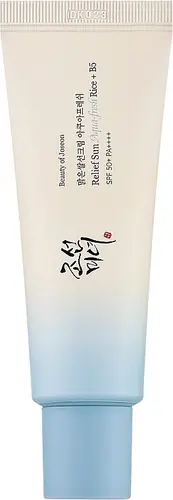
Etude House Sunprise Mild Watery Light SPF50+/PA+++ Versus AXIS - Y Complete No-Stress Physical Sunscreen SPF 50+
This chemical sunscreen covers most of the UV range, lighter on the deep UVA that drives aging.
This mineral sunscreen covers the full UV range and blocks ~98% of UVB at SPF 50.

What's inside
What's inside
 Key Ingredients
Benefits
Concerns
Ingredients Side-by-side
Water
Skin ConditioningEthylhexyl Methoxycinnamate
UV Absorber


Homosalate
Skin Conditioning
Ethylhexyl Salicylate
UV Absorber
Diethylamino Hydroxybenzoyl Hexyl Benzoate
UV Filter
Alcohol
Antimicrobial



Butylene Glycol
Humectant

Dicaprylyl Carbonate
EmollientCyclopentasiloxane
Emollient
Octocrylene
UV Absorber
C20-22 Alkyl Phosphate
EmulsifyingC20-22 Alcohols
Emulsion Stabilising
Silica
Abrasive


1,2-Hexanediol
Skin Conditioning
Cetyl Alcohol
Emollient

Viscum Album Leaf Extract
SoothingPortulaca Oleracea Extract
Skin Conditioning

Centella Asiatica Extract
Cleansing


Glyceryl Stearate
Emollient
Methyl Methacrylate Crosspolymer
Tromethamine
BufferingDimethicone/Vinyl Dimethicone Crosspolymer
Skin Conditioning
Phenoxyethanol
Preservative
Octyldodecanol
Emollient
Polyacrylate Crosspolymer-6
Emulsion StabilisingCereus Grandiflorus Extract
Antioxidant
Aloe Barbadensis Leaf Juice
Skin Conditioning
Glycine Soja Lipids
Skin ConditioningMicrocrystalline Cellulose
AbsorbentXanthan Gum
EmulsifyingSodium Acrylate/Sodium Acryloyldimethyl Taurate Copolymer
Emulsion StabilisingPolyisobutene
Carex Humillis Root Extract
Skin ConditioningCitrus Aurantium Bergamia Fruit Oil
Masking


Citrus Limon Peel Oil
Masking
Eucalyptus Globulus Leaf Oil
Perfuming
Pinus Sylvestris Leaf Oil
Masking
Citrus Aurantifolia Oil
Cleansing
Citrus Aurantium Dulcis Peel Oil
Masking
Echium Plantagineum Seed Oil
Skin Conditioning
Euterpe Oleracea Fruit Extract
Malpighia Glabra Fruit Extract
Skin ConditioningTerminalia Ferdinandiana Fruit Extract
Antioxidant
Cellulose Gum
Emulsion StabilisingAdansonia Digitata Seed Oil
Emollient
Ascidian Tunic Extract
Sorbitan Oleate
Emulsifying
Caprylyl/Capryl Glucoside
CleansingHelianthus Annuus Seed Oil
Emollient
Cardiospermum Halicacabum Flower/Leaf/Vine Extract
Skin ConditioningHelianthus Annuus Seed Oil Unsaponifiables
Emollient
Isoceteth-10
EmulsifyingIsoceteth-25
EmulsifyingWater, Ethylhexyl Methoxycinnamate, Homosalate, Ethylhexyl Salicylate, Diethylamino Hydroxybenzoyl Hexyl Benzoate, Alcohol, Butylene Glycol, Dicaprylyl Carbonate, Cyclopentasiloxane, Octocrylene, C20-22 Alkyl Phosphate, C20-22 Alcohols, Silica, 1,2-Hexanediol, Cetyl Alcohol, Viscum Album Leaf Extract, Portulaca Oleracea Extract, Centella Asiatica Extract, Glyceryl Stearate, Methyl Methacrylate Crosspolymer, Tromethamine, Dimethicone/Vinyl Dimethicone Crosspolymer, Phenoxyethanol, Octyldodecanol, Polyacrylate Crosspolymer-6, Cereus Grandiflorus Extract, Aloe Barbadensis Leaf Juice, Glycine Soja Lipids, Microcrystalline Cellulose, Xanthan Gum, Sodium Acrylate/Sodium Acryloyldimethyl Taurate Copolymer, Polyisobutene, Carex Humillis Root Extract, Citrus Aurantium Bergamia Fruit Oil, Citrus Limon Peel Oil, Eucalyptus Globulus Leaf Oil, Pinus Sylvestris Leaf Oil, Citrus Aurantifolia Oil, Citrus Aurantium Dulcis Peel Oil, Echium Plantagineum Seed Oil, Euterpe Oleracea Fruit Extract, Malpighia Glabra Fruit Extract, Terminalia Ferdinandiana Fruit Extract, Cellulose Gum, Adansonia Digitata Seed Oil, Ascidian Tunic Extract, Sorbitan Oleate, Caprylyl/Capryl Glucoside, Helianthus Annuus Seed Oil, Cardiospermum Halicacabum Flower/Leaf/Vine Extract, Helianthus Annuus Seed Oil Unsaponifiables, Isoceteth-10, Isoceteth-25
Water
Skin ConditioningCyclohexasiloxane
Emollient
Zinc Oxide
Cosmetic Colorant
CI 77891
Cosmetic ColorantPropanediol
Solvent
Polyglyceryl-3 Polydimethylsiloxyethyl Dimethicone
Skin Conditioning
Dibutyl Adipate
EmollientNiacinamide
Smoothing



Caprylyl Methicone
Skin Conditioning
1,2-Hexanediol
Skin Conditioning
Disteardimonium Hectorite
StabilisingBetaine
Humectant
Magnesium Sulfate
Hydrogen Dimethicone
Inositol
Humectant
Aluminum Hydroxide
EmollientC30-45 Alkyl Cetearyl Dimethicone Crosspolymer
Emollient
Polyglyceryl-2 Dipolyhydroxystearate
Skin Conditioning
Styrene/Acrylates Copolymer
Stearic Acid
Cleansing
Butylene Glycol
Humectant
Pentylene Glycol
Skin Conditioning
Ethylhexylglycerin
Skin ConditioningOctyldodecanol
Emollient
Adenosine
Skin Conditioning
Glycerin
Humectant
Squalane
Emollient
Allantoin
Skin Conditioning
Anthemis Nobilis Flower Water
Masking
Echium Plantagineum Seed Oil
Skin Conditioning
Artemisia Capillaris Extract 0.005%
Vitis Vinifera Seed Extract
Antimicrobial
Calendula Officinalis Flower Extract
Masking
Camellia Sinensis Leaf Extract
Antimicrobial
Cardiospermum Halicacabum Flower/Leaf/Vine Extract
Skin ConditioningHelianthus Annuus Seed Oil Unsaponifiables
Emollient
Leuconostoc/Radish Root Ferment Filtrate
Antimicrobial
Dicaprylyl Carbonate
EmollientSorbitan Sesquioleate
Emulsifying
Palmitoyl Tripeptide-5
Skin Conditioning
Tocopherol
Antioxidant
Water, Cyclohexasiloxane, Zinc Oxide, CI 77891, Propanediol, Polyglyceryl-3 Polydimethylsiloxyethyl Dimethicone, Dibutyl Adipate, Niacinamide, Caprylyl Methicone, 1,2-Hexanediol, Disteardimonium Hectorite, Betaine, Magnesium Sulfate, Hydrogen Dimethicone, Inositol, Aluminum Hydroxide, C30-45 Alkyl Cetearyl Dimethicone Crosspolymer, Polyglyceryl-2 Dipolyhydroxystearate, Styrene/Acrylates Copolymer, Stearic Acid, Butylene Glycol, Pentylene Glycol, Ethylhexylglycerin, Octyldodecanol, Adenosine, Glycerin, Squalane, Allantoin, Anthemis Nobilis Flower Water, Echium Plantagineum Seed Oil, Artemisia Capillaris Extract 0.005%, Vitis Vinifera Seed Extract, Calendula Officinalis Flower Extract, Camellia Sinensis Leaf Extract, Cardiospermum Halicacabum Flower/Leaf/Vine Extract, Helianthus Annuus Seed Oil Unsaponifiables, Leuconostoc/Radish Root Ferment Filtrate, Dicaprylyl Carbonate, Sorbitan Sesquioleate, Palmitoyl Tripeptide-5, Tocopherol
Reviews
Ingredients Explained
These ingredients are found in both products.
Ingredients higher up in an ingredient list are typically present in a larger amount.
1,2-Hexanediol is a synthetic liquid and another multi-functional powerhouse.
It is a:
- Humectant, drawing moisture into the skin
- Emollient, helping to soften skin
- Solvent, dispersing and stabilizing formulas
- Preservative booster, enhancing the antimicrobial activity of other preservatives
Butylene Glycol (or BG) is used within cosmetic products for a few different reasons:
Overall, Butylene Glycol is a safe and well-rounded ingredient that works well with other ingredients.
Though this ingredient works well with most skin types, some people with sensitive skin may experience a reaction such as allergic rashes, closed comedones, or itchiness.
Learn more about Butylene GlycolCardiospermum halicacabum extract is more commonly known as Balloon Vine Extract.
Dicaprylyl Carbonate comes from carbonic acid and caprylyl alcohol, a fatty alcohol. It is an emollient and gives skin a velvet feel. The sources of Dicaprylyl Carbonate may be synthetic or from animals.
As an emollient, Dicaprylyl Carbonate creates a film on the skin. This film traps moisture in, keeping your skin soft and hydrated.
Echium Plantagineum Seed Oil is an oil and isn't fungal acne safe. It can help to reduce redness.
This ingredient is the small fraction of sunflower seed oil (~1.5-2% of the whole oil) that cannot be turned into soap.
This concentrated fraction is rich in skin-nourishing compounds like free fatty acids, tocopherols, and phytosterols. Linoleic acid makes up about 48-74% of its composition.
Unsaponifiables have high antioxidant potential due to the tocopherols, carotenoids, and phenolic acids that help protect skin from free radical damage. On the other hand, linoleic acid supports the skin's barrier by replenishing ceramides and reducing transepidermal water loss.
A manufacturer-sponsored clinical study found that a cream with 2% of this ingredient increased skin moisturization by 48.6% after 1 hour and 34.2% after 24 hours.
Using this cream twice-daily for 4 weeks showed meaningful improvement in dryness, roughness, and desquamation (the shedding of dead skin cells).
Keep in mind this is a small, industry-funded study so it'd be great to see independent replication. However, the mechanism is consistent with well-establish linoleic and phytosterol research.
While this ingredient is generally considered safe, those with an Asteraceae/Compositae plant allergy should patch test this ingredient.
Fungal acne: this ingredient is not considered safe for fungal acne because the Malassezia yeast preferentially metabolizes in the C11-24 range. Linoleic acid falls into this range at C18.
Learn more about Helianthus Annuus Seed Oil UnsaponifiablesOctyldodecanol is a fatty alcohol sourced from plant oils like coconut or palm (or made synthetically).
It is:
You'll likely see this in many BHA products because this is the go-to solvent for salicylic acid.
This ingredient is typically used at levels between 2-20%.
Regarding fungal acne:
In 2019, this ingredient was tested against multiple Malassezia species (the yeast that causes fungal acne) and showed no growth.
Water. It's the most common cosmetic ingredient of all. You'll usually see it at the top of ingredient lists, meaning that it makes up the largest part of the product.
So why is it so popular? Water most often acts as a solvent - this means that it helps dissolve other ingredients into the formulation.
You'll also recognize water as that liquid we all need to stay alive. If you see this, drink a glass of water. Remember to stay hydrated!
Learn more about Water