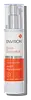
This barrier-repair moisturizer is formulated around Panthenol and Ascorbyl Tetraisopalmitate to strengthen the skin barrier.
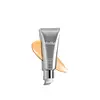
This anti-aging serum is formulated around Retinal and Tetrahexyldecyl Ascorbate to soften the look of wrinkles and refine skin texture.


What's inside
What's inside
 Key Ingredients
Benefits
Concerns
Ingredients Side-by-side
Water
Skin ConditioningHydrogenated Polydecene
EmollientSorbitol
Humectant

Tocopheryl Acetate
Antioxidant


Glyceryl Stearate
Emollient

PEG-100 Stearate
Surfactant
Cetearyl Alcohol
Emollient




Caprylic/Capric Triglyceride
Masking
Ethoxydiglycol
HumectantDimethicone
Emollient

Panthenol
Skin Conditioning

Sorbitan Stearate
Emulsifying
Polysorbate 60
Emulsifying
Ascorbyl Tetraisopalmitate
Antioxidant

Ascorbic Acid
Antioxidant

Rosmarinus Officinalis Leaf Extract
AntimicrobialEpigallocatechin Gallate
Antioxidant
Retinyl Palmitate
Skin Conditioning
Tocopherol
Antioxidant
Aspalathus Linearis Leaf Extract
Skin ConditioningCyclopia Genistoides Leaf Extract
Antioxidant
Polygonum Cuspidatum Extract
Skin ConditioningBeta-Carotene
Skin ConditioningAscorbyl Palmitate
Antioxidant
Glycerin
Humectant
Polyglyceryl-10 Laurate
Skin Conditioning
Helianthus Annuus Seed Oil
Emollient
Sodium Hydroxide
BufferingXanthan Gum
EmulsifyingMaltodextrin
Absorbent
Gelatin
Sucrose
Humectant
Zea Mays Oil
Emulsifying
Zea Mays Starch
Absorbent
Disodium EDTA
ChelatingMethylparaben
Preservative


Propylparaben
Preservative
Water, Hydrogenated Polydecene, Sorbitol, Tocopheryl Acetate, Glyceryl Stearate, PEG-100 Stearate, Cetearyl Alcohol, Caprylic/Capric Triglyceride, Ethoxydiglycol, Dimethicone, Panthenol, Sorbitan Stearate, Polysorbate 60, Ascorbyl Tetraisopalmitate, Ascorbic Acid, Rosmarinus Officinalis Leaf Extract, Epigallocatechin Gallate, Retinyl Palmitate, Tocopherol, Aspalathus Linearis Leaf Extract, Cyclopia Genistoides Leaf Extract, Polygonum Cuspidatum Extract, Beta-Carotene, Ascorbyl Palmitate, Glycerin, Polyglyceryl-10 Laurate, Helianthus Annuus Seed Oil, Sodium Hydroxide, Xanthan Gum, Maltodextrin, Gelatin, Sucrose, Zea Mays Oil, Zea Mays Starch, Disodium EDTA, Methylparaben, Propylparaben
Water
Skin ConditioningCaprylic/Capric Triglyceride
Masking
Glycerin
Humectant
Isododecane
EmollientCetearyl Olivate
Sodium Acrylate/Sodium Acryloyldimethyl Taurate Copolymer
Emulsion StabilisingCetearyl Alcohol
Emollient
PPG-12/Smdi Copolymer
EmollientSorbitan Olivate
Emulsifying
Tocopheryl Acetate
Antioxidant
Titanium Dioxide
Cosmetic Colorant
Eclipta Prostrata Extract
Skin Conditioning
Cyclodextrin
AbsorbentSqualane
Emollient
Hydroxyethyl Acrylate/Sodium Acryloyldimethyl Taurate Copolymer
Emulsion StabilisingPhenoxyethanol
Preservative
Melia Azadirachta Leaf Extract
Skin ConditioningHydroxypropyl Methylcellulose
Emulsion StabilisingSodium Hyaluronate
Humectant
Tetrahexyldecyl Ascorbate
Antioxidant
Rubus Chamaemorus Seed Oil
Skin Conditioning
Alumina
Abrasive
Isostearic Acid
Cleansing
Lecithin
Emollient
Polyglyceryl-3 Polyricinoleate
Emulsifying
Polyhydroxystearic Acid
Emulsifying
Stearic Acid
Cleansing
Pentylene Glycol
Skin Conditioning
Retinal
Skin Conditioning

Moringa Oleifera Seed Oil
Emollient
Sodium Polyaspartate
HumectantClimbazole
Antimicrobial
Disodium EDTA
ChelatingLonicera Japonica Flower Extract
Skin ConditioningLonicera Caprifolium Flower Extract
Perfuming
Daucus Carota Sativa Seed Oil
Emollient
Ethylhexylglycerin
Skin Conditioning3-O-Ethyl Ascorbic Acid
Skin Conditioning
Dipteryx Odorata Bean Extract
Masking
Hydroxyacetophenone
Antioxidant
Polysorbate 60
Emulsifying
Sorbitan Isostearate
Emulsifying
Vanilla Planifolia Fruit Extract
Skin Conditioning
Decylene Glycol
Skin Conditioning1,2-Hexanediol
Skin Conditioning
BHT
Antioxidant
Coumarin
Perfuming

Water, Caprylic/Capric Triglyceride, Glycerin, Isododecane, Cetearyl Olivate, Sodium Acrylate/Sodium Acryloyldimethyl Taurate Copolymer, Cetearyl Alcohol, PPG-12/Smdi Copolymer, Sorbitan Olivate, Tocopheryl Acetate, Titanium Dioxide, Eclipta Prostrata Extract, Cyclodextrin, Squalane, Hydroxyethyl Acrylate/Sodium Acryloyldimethyl Taurate Copolymer, Phenoxyethanol, Melia Azadirachta Leaf Extract, Hydroxypropyl Methylcellulose, Sodium Hyaluronate, Tetrahexyldecyl Ascorbate, Rubus Chamaemorus Seed Oil, Alumina, Isostearic Acid, Lecithin, Polyglyceryl-3 Polyricinoleate, Polyhydroxystearic Acid, Stearic Acid, Pentylene Glycol, Retinal, Moringa Oleifera Seed Oil, Sodium Polyaspartate, Climbazole, Disodium EDTA, Lonicera Japonica Flower Extract, Lonicera Caprifolium Flower Extract, Daucus Carota Sativa Seed Oil, Ethylhexylglycerin, 3-O-Ethyl Ascorbic Acid, Dipteryx Odorata Bean Extract, Hydroxyacetophenone, Polysorbate 60, Sorbitan Isostearate, Vanilla Planifolia Fruit Extract, Decylene Glycol, 1,2-Hexanediol, BHT, Coumarin
Reviews
Ingredients Explained
These ingredients are found in both products.
Ingredients higher up in an ingredient list are typically present in a larger amount.
Caprylic/Capric Triglyceride (aka MCT Oil) is a lightweight emollient, solvent, and texture enhancer. It is considered a skin-softener by helping to prevent moisture loss.
Though it behaves like an oil, it is not technically one due to its chemical composition. One perk of this ingredient is that it is very stable, resistant to oxidation, and unlikely to go rancid.
In practice, that translates to a long shelf life and a consistently elegant skin feel.
While there is an assumption Caprylic Triglyceride can clog pores due to it being derived from coconut oil, there is no research supporting this. Just patch test if you have concerns.
Fractionated coconut oil and MCT Oil are both listed as Caprylic/Capric Triglyceride according to INCI. This is because INCI names are based on the ingredient’s final chemical composition and not its marketing name or source.
This ingredient is treated as the gold standard fungal acne safe oil. Even though it is coconut derived, the problematic lauric acid is stripped out.
This leaves just caprylic (C8) and capric (C10) acid. These chain lengths actually trend antifungal; a 2020 study found caprylic acid was enough to disrupt Malassezia furfur cell membrane, with a caprylic acid derivative damaging membrane structures at concentrations as low as 0.2%.
Learn more about Caprylic/Capric TriglycerideCetearyl alcohol is a waxy mixture of two fatty alcohols: cetyl alcohol and stearyl alcohol. It is an emollient and emulsifier.
Despite having "alcohol" in its name, it has nothing to do with drying solvent alcohols; the FDA also allows "alcohol-free" products to contain fatty alcohols like this ingredient.
It plays several roles in a formula:
Typical use levels for this ingredient sit around 1-10% and the Cosmetic Ingredient Review Expert Panel has affirmed safety at concentrations up to 25% in leave-on products.
Multiple assessments have found it to be non-irritating and non-sensitizing to most people.
However, there have been some cases of allergic contact dermatitis in patients with chronically compromised skin barriers.
Cetearyl alcohol has a comedogenic rating of 2 and irritancy rating of 1. Both of these numbers come from the 1989 study that used rabbit ears; a "2" means mildly comedogenic and a "1" means low irritancy.
Here's the catch: rabbit skin is more sensitive than human skin and throws a lot of false positives. A 1996 reappraisal found that ingredients rated 1-2 in the rabbit ear tests are generally safe for humans.
Remember comedogenic ratings are unable to assess the entire formula of a product or how it will react on your skin. Just be sure to patch test if you are unsure about certain ingredients.
This ingredient is not fungal acne safe. Cetearyl alcohol is a fatty alcohol with chain lengths that fall within the range that Malassezia can metabolize.
A 2019 study has also observed Malassezia growth in the presence of this ingredient, confirming it to be not-fungal acne safe.
Learn more about Cetearyl AlcoholDisodium EDTA is a chelating agent. It grabs onto and deactivates metal ions that sneak into your products from water, packaging, or air.
This ingredient mainly works behind the scenes and helps with:
On top of that, this ingredient can counteract the effects of hard water by binding to the minerals in it.
One thing worth knowing is that Disodium EDTA has been shown to be a mild penetration enhancer. It can help other ingredients absorb into skin more effectively which can be a double-edged sword (great for actives, but can also make the active too strong if you have sensitive skin).
Clinical patch testing showed no significant skin irritation at typical use concentrations and minimal dermal absorption.
You'll most likely see this ingredient near the end of an ingredient list. It's typically found in concentrations less than 1%.
Learn more about Disodium EDTAGlycerin (or glycerol) is a compound naturally found in your skin. It's a powerhouse humectant that pulls water into the stratum corneum.
Topically, glycerin does several things at once:
Your skin makes glycerin on its own (mostly from sebaceous oil breakdown) and shuttles it to your outermost layer of skin, or your epidermis, via aquaporin-3.
Aquaporin-3 is a transporter that is essential for normal skin hydration, elasticity, and repair. Interestingly, mice lacking in AQP3 have dry and less elastic skin that can be fully corrected with glycerin.
This ingredient is non-irritating, plays well with almost every ingredient, and works across all skin types. Typical use is anywhere between 3-10% but can go up to 79% in some leave-on products.
Just know very high concentrations (>40%) can feel tacky in low humidity.
Glycerin is the name for this ingredient in American English. British English uses Glycerol/Glycerine.
Learn more about GlycerinPolysorbate 60 is used to help stabilize products. It is a surfactant and emulsifier. These properties help keep ingredients together in a product. Surfactants help reduce surface tension between ingredients with different states, such as liquids and solids. Emulsifiers help prevent oils and waters from separating.
Polysorbate 60 is sorbitol-based and created from the ethoxylation of sorbitan. Ethoxylation is a chemical reaction used to add ethylene oxide. Sorbitan is a the dehydrated version of sorbitol, a sugar found in fruits.
In this case, the 60 comes from reacting 60 units of ethylene oxide with sorbitan.
Polysorbates are commonly used in medicine and foods.
Learn more about Polysorbate 60Tocopheryl Acetate is a stable, shelf-friendly form of vitamin E.
Formulators love it because plain vitamin E oxidizes quickly once it hits air. This acetate version stays stable and resists going off, helping to extend a product's shelf life.
It's actually inactive on its own and works like a slow-release "storage" form; the enzymes in your skin called esterases gradually convert it into active vitamin E over time.
One in vivo study showed 5% of the acetate in the living layer of the epidermis converted to vitamin E after 5 days of application. This study also found the skin gained protection against UV damage even though the conversion was slow and small.
Once converted, vitamin E acts as a skin's main fat-soluble antioxidant that fights free radicals to protect skin from damage.
Topical vitamin E generally boosts the skin's photoprotection, and it reduced UV-damage in animal models.
This ingredient has some brightening potential but it's more of a prevention ingredient than spot-fader. Cell studies show it can slow down melanin production but it's worth noting that it's not the most powerful brightener out there.
Overall, it has a pretty solid safety profile and has been found to be non-irritating and non-comedogenic. Allergic reactions may happen but stay rare due to how widely the ingredient gets used.
The concentration will vary depending on the formula; industry data shows 0.1% in baby lotions, 3% in lipsticks, and 5% in foot powders. You can also find this ingredient at 100% in a pure vitamin E oil.
Most leave-on skincare keeps it at the lower end, often between 0.5-1%.
Learn more about Tocopheryl AcetateWater. It's the most common cosmetic ingredient of all. You'll usually see it at the top of ingredient lists, meaning that it makes up the largest part of the product.
So why is it so popular? Water most often acts as a solvent - this means that it helps dissolve other ingredients into the formulation.
You'll also recognize water as that liquid we all need to stay alive. If you see this, drink a glass of water. Remember to stay hydrated!
Learn more about Water

