

What's inside
What's inside
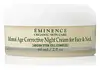 Key Ingredients
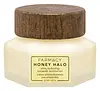
Benefits
Concerns
Ingredients Side-by-side
Aloe Barbadensis Leaf Juice
Skin Conditioning


Terminalia Ferdinandiana Fruit Extract
Antioxidant
Prunus Cerasus Juice
Skin ConditioningMyrciaria Dubia Fruit Juice
Antioxidant
Citrus Limon Juice
Skin Conditioning
Pyrus Malus Juice
Skin ConditioningCalendula Officinalis Flower Extract
Masking
Daucus Carota Sativa Extract
Perfuming
Trifolium Pratense Flower Extract
AstringentCocos Nucifera Oil
Masking




Milk
Skin Conditioning
Vitis Vinifera Seed Extract
Antimicrobial
Dioscorea Villosa Root Extract
Skin Conditioning
Rosmarinus Officinalis Leaf Extract
AntimicrobialCyamopsis Tetragonoloba Gum
Emulsion StabilisingZea Mays Silk Extract
Skin ConditioningGlycine Soja Germ Extract
EmollientCitric Acid
Buffering


Maltodextrin
Absorbent
Pectin
Emulsion StabilisingGardenia Florida Oil
Tonic
Zea Mays Germ Oil
Emollient
Butyrospermum Parkii Butter
Skin Conditioning
Caprylic/Capric Triglyceride
Masking
Cetearyl Alcohol
Emollient
Cetearyl Glucoside
Emulsifying
Myristica Fragrans Extract
MaskingVitis Vinifera Seed Oil
Emollient
Glycerin
Humectant
Caesalpinia Spinosa Gum
Skin ConditioningSimmondsia Chinensis Seed Oil
Emollient
Sodium Cetearyl Sulfate
Cleansing
Dimethyl Isosorbide
SolventSesamum Indicum Seed Extract
Skin Conditioning
Tocopherol
Antioxidant


Argania Spinosa Kernel Oil
Emollient
Benzyl Alcohol
Perfuming



Dehydroacetic Acid
Preservative
Xanthan Gum
EmulsifyingSqualane
Emollient
Tocopheryl Acetate
Antioxidant
Sodium Salicylate
Preservative
Lactic Acid
Buffering
Argania Spinosa Sprout Cell Extract
Skin ConditioningIsomalt
HumectantAscorbyl Palmitate
Antioxidant
Lecithin
Emollient
Euterpe Oleracea Fruit Extract
Citrus Limon Peel
MaskingMalpighia Glabra Fruit Extract
Skin ConditioningEmblica Officinalis Fruit
Skin ConditioningAdansonia Digitata Seed Oil
Emollient
Myrciaria Dubia Fruit Extract
Skin ConditioningDaucus Carota Sativa Root Extract
Skin Conditioning
Cocos Nucifera Water
Masking
Lycium Barbarum Fruit Extract
Astringent
Tapioca Starch
Thioctic Acid
Antioxidant
Ubiquinone
Antioxidant
Oenothera Biennis Oil
Emollient
Aloe Barbadensis Leaf Juice, Terminalia Ferdinandiana Fruit Extract, Prunus Cerasus Juice, Myrciaria Dubia Fruit Juice, Citrus Limon Juice, Pyrus Malus Juice, Calendula Officinalis Flower Extract, Daucus Carota Sativa Extract, Trifolium Pratense Flower Extract, Cocos Nucifera Oil, Milk, Vitis Vinifera Seed Extract, Dioscorea Villosa Root Extract, Rosmarinus Officinalis Leaf Extract, Cyamopsis Tetragonoloba Gum, Zea Mays Silk Extract, Glycine Soja Germ Extract, Citric Acid, Maltodextrin, Pectin, Gardenia Florida Oil, Zea Mays Germ Oil, Butyrospermum Parkii Butter, Caprylic/Capric Triglyceride, Cetearyl Alcohol, Cetearyl Glucoside, Myristica Fragrans Extract, Vitis Vinifera Seed Oil, Glycerin, Caesalpinia Spinosa Gum, Simmondsia Chinensis Seed Oil, Sodium Cetearyl Sulfate, Dimethyl Isosorbide, Sesamum Indicum Seed Extract, Tocopherol, Argania Spinosa Kernel Oil, Benzyl Alcohol, Dehydroacetic Acid, Xanthan Gum, Squalane, Tocopheryl Acetate, Sodium Salicylate, Lactic Acid, Argania Spinosa Sprout Cell Extract, Isomalt, Ascorbyl Palmitate, Lecithin, Euterpe Oleracea Fruit Extract, Citrus Limon Peel, Malpighia Glabra Fruit Extract, Emblica Officinalis Fruit, Adansonia Digitata Seed Oil, Myrciaria Dubia Fruit Extract, Daucus Carota Sativa Root Extract, Cocos Nucifera Water, Lycium Barbarum Fruit Extract, Tapioca Starch, Thioctic Acid, Ubiquinone, Oenothera Biennis Oil
Water
Skin ConditioningGlycerin
Humectant
Butyrospermum Parkii Butter
Skin Conditioning
Caprylic/Capric Triglyceride
Masking
C13-15 Alkane
SolventCetearyl Alcohol
Emollient
Pentaerythrityl Tetraisostearate
Emollient
1,2-Hexanediol
Skin Conditioning
Bis-Diglyceryl Polyacyladipate-1
Emollient
Diisostearyl Malate
EmollientXylitylglucoside
Humectant
Honey Extract
Humectant
Betaine
Humectant
Panthenol
Skin Conditioning
Hydrogenated Rapeseed Oil
Emollient
Helianthus Annuus Seed Oil Unsaponifiables
Emollient
Ceramide NP
Skin Conditioning
Propolis Extract
Skin Conditioning

Royal Jelly Extract
Skin Conditioning
Tocopherol
Antioxidant
Ficus Carica Fruit Extract
Humectant
Hippophae Rhamnoides Oil
Emollient
Glucose
Humectant
Bisabolol
Antioxidant
Xylitol
Humectant
Anhydroxylitol
Humectant
Cetearyl Glucoside
Emulsifying
Triolein
Skin Conditioning
Acrylates/C10-30 Alkyl Acrylate Crosspolymer
Emulsion StabilisingHydroxyethyl Acrylate/Sodium Acryloyldimethyl Taurate Copolymer
Emulsion StabilisingArginine
Masking
Aroma

Hydroxyacetophenone
Antioxidant
Xanthan Gum
EmulsifyingGlyceryl Dioleate
Emollient
Sodium Dilauramidoglutamide Lysine
HumectantSodium Phytate
Sorbitan Isostearate
Emulsifying
Citric Acid
Buffering
Potassium Sorbate
Preservative
Sodium Benzoate
Masking
Water, Glycerin, Butyrospermum Parkii Butter, Caprylic/Capric Triglyceride, C13-15 Alkane, Cetearyl Alcohol, Pentaerythrityl Tetraisostearate, 1,2-Hexanediol, Bis-Diglyceryl Polyacyladipate-1, Diisostearyl Malate, Xylitylglucoside, Honey Extract, Betaine, Panthenol, Hydrogenated Rapeseed Oil, Helianthus Annuus Seed Oil Unsaponifiables, Ceramide NP, Propolis Extract, Royal Jelly Extract, Tocopherol, Ficus Carica Fruit Extract, Hippophae Rhamnoides Oil, Glucose, Bisabolol, Xylitol, Anhydroxylitol, Cetearyl Glucoside, Triolein, Acrylates/C10-30 Alkyl Acrylate Crosspolymer, Hydroxyethyl Acrylate/Sodium Acryloyldimethyl Taurate Copolymer, Arginine, Aroma, Hydroxyacetophenone, Xanthan Gum, Glyceryl Dioleate, Sodium Dilauramidoglutamide Lysine, Sodium Phytate, Sorbitan Isostearate, Citric Acid, Potassium Sorbate, Sodium Benzoate
Reviews
Ingredients Explained
These ingredients are found in both products.
Ingredients higher up in an ingredient list are typically present in a larger amount.
This ingredient is also known as shea butter. It is a plant-derived extract from the nuts of the Africa shea tree and one of the most well-studied emollients.
Because it has a high concentration of fatty acids (primarily oleic, stearic, and linoleic) it is able to form a protective barrier on the skin's surface. This helps seal in moisture and prevents transepidermal water loss (TEWL).
In vitro research found an increase in skin hydration by 58% and a decrease in TEWL by 37.8% after 24 hours of applying this ingredient (pretty impressive for a single ingredient!).
Besides hydration, shea butter also contains triterpenes that have anti-inflammatory potential. In particule, lupeol cinnamate has shown the highest anti-inflammatory activity in vivo.
Shea butter also contains vitamins A and E which may contribute to antioxidant activity.
While Shea Butter has an SPF rating of about 3-4, it is not a sunscreen replacement.
This ingredient may not be fungal acne safe because its fatty acids fall within the C11-C24 range that the Malassezia yeast can metabolize.
Learn more about Butyrospermum Parkii ButterCaprylic/Capric Triglyceride (aka MCT Oil) is a lightweight emollient, solvent, and texture enhancer. It is considered a skin-softener by helping to prevent moisture loss.
Though it behaves like an oil, it is not technically one due to its chemical composition. One perk of this ingredient is that it is very stable, resistant to oxidation, and unlikely to go rancid.
In practice, that translates to a long shelf life and a consistently elegant skin feel.
While there is an assumption Caprylic Triglyceride can clog pores due to it being derived from coconut oil, there is no research supporting this. Just patch test if you have concerns.
Fractionated coconut oil and MCT Oil are both listed as Caprylic/Capric Triglyceride according to INCI. This is because INCI names are based on the ingredient’s final chemical composition and not its marketing name or source.
This ingredient is treated as the gold standard fungal acne safe oil. Even though it is coconut derived, the problematic lauric acid is stripped out.
This leaves just caprylic (C8) and capric (C10) acid. These chain lengths actually trend antifungal; a 2020 study found caprylic acid was enough to disrupt Malassezia furfur cell membrane, with a caprylic acid derivative damaging membrane structures at concentrations as low as 0.2%.
Learn more about Caprylic/Capric TriglycerideCetearyl alcohol is a waxy mixture of two fatty alcohols: cetyl alcohol and stearyl alcohol. It is an emollient and emulsifier.
Despite having "alcohol" in its name, it has nothing to do with drying solvent alcohols; the FDA also allows "alcohol-free" products to contain fatty alcohols like this ingredient.
It plays several roles in a formula:
Typical use levels for this ingredient sit around 1-10% and the Cosmetic Ingredient Review Expert Panel has affirmed safety at concentrations up to 25% in leave-on products.
Multiple assessments have found it to be non-irritating and non-sensitizing to most people.
However, there have been some cases of allergic contact dermatitis in patients with chronically compromised skin barriers.
Cetearyl alcohol has a comedogenic rating of 2 and irritancy rating of 1. Both of these numbers come from the 1989 study that used rabbit ears; a "2" means mildly comedogenic and a "1" means low irritancy.
Here's the catch: rabbit skin is more sensitive than human skin and throws a lot of false positives. A 1996 reappraisal found that ingredients rated 1-2 in the rabbit ear tests are generally safe for humans.
Remember comedogenic ratings are unable to assess the entire formula of a product or how it will react on your skin. Just be sure to patch test if you are unsure about certain ingredients.
This ingredient is not fungal acne safe. Cetearyl alcohol is a fatty alcohol with chain lengths that fall within the range that Malassezia can metabolize.
A 2019 study has also observed Malassezia growth in the presence of this ingredient, confirming it to be not-fungal acne safe.
Learn more about Cetearyl AlcoholCetearyl Glucoside is a sugar-based emulsifier. It is usually made by combining cetearyl alcohol and glucose.
Belonging to the aklyl polyglucoside (APG) family, Cetearyl Glucoside has a sugar "head" that loves water and a fatty "tail" that loves oil. This means it can shuffle oil and water into a stable and smooth emulsion.
Typical use levels are between 1-5% and this ingredient is considered to be non-irritating by the CIR Expert Panel Review.
Once applied, your skin's glucoside hydrolases breaks it down to the parent fatty alcohol and glucose. This is why this ingredient may not be fungal acne safe.
Learn more about Cetearyl GlucosideCitric Acid is an alpha hydroxy acid (AHA) naturally found in citrus fruits like oranges, lemons, and limes.
Like other AHAs, citric acid can exfoliate skin by breaking down the bonds that hold dead skin cells together. This helps reveal smoother and brighter skin underneath.
However, this exfoliating effect only happens at high concentrations (20%) which can be hard to find in cosmetic products.
Due to this, citric acid is usually included in small amounts as a pH adjuster. This helps keep products slightly more acidic and compatible with skin's natural pH.
In skincare formulas, citric acid can:
While it can provide some skin benefits, research shows lactic acid and glycolic acid are generally more effective and less irritating exfoliants.
Most citric acid used in skincare today is made by fermenting sugars (usually from molasses). This synthetic version is identical to the natural citrus form but easier to stabilize and use in formulations.
Read more about some other popular AHA's here:
Learn more about Citric AcidGlycerin (or glycerol) is a compound naturally found in your skin. It's a powerhouse humectant that pulls water into the stratum corneum.
Topically, glycerin does several things at once:
Your skin makes glycerin on its own (mostly from sebaceous oil breakdown) and shuttles it to your outermost layer of skin, or your epidermis, via aquaporin-3.
Aquaporin-3 is a transporter that is essential for normal skin hydration, elasticity, and repair. Interestingly, mice lacking in AQP3 have dry and less elastic skin that can be fully corrected with glycerin.
This ingredient is non-irritating, plays well with almost every ingredient, and works across all skin types. Typical use is anywhere between 3-10% but can go up to 79% in some leave-on products.
Just know very high concentrations (>40%) can feel tacky in low humidity.
Glycerin is the name for this ingredient in American English. British English uses Glycerol/Glycerine.
Learn more about GlycerinTocopherol is a fat-soluble antioxidant known as Vitamin E.
You'll find this ingredient in the vast majority of skincare (for good reason). It works to neutralize free radicals, or unstable molecules generated by UV exposure, pollution, and other environmental stressors, before they can cause oxidative damage to your skin cells.
Topically applied tocopherol has been shown to protect against UV damage by ramping up the skin's own natural defense enzymes.
It also acts as a skin conditioning agent; some studies show that regular topical use can improve the skin's water-binding capacity over 2-4 weeks.
This ingredient is especially loved for being a team player. When combined with Vitamin C, the photoprotective effect of both ingredients roughly doubles and the combo also helps reduce UV-induced DNA damage.
This ingredient has some brightening potential but it's more of a prevention ingredient than spot-fader. Cell studies show it can slow down melanin production but it's worth noting that it's not the most powerful brightener out there.
In formulations, it also serves as a stabilizer that helps protect other oxidation-prone ingredients from degrading.
Concentrations usually range from 0.1-1% in most leave-on products.
Learn more about TocopherolXanthan gum is used as a stabilizer and thickener within cosmetic products. It helps give products a sticky, thick feeling - preventing them from being too runny.
On the technical side of things, xanthan gum is a polysaccharide - a combination consisting of multiple sugar molecules bonded together.
Xanthan gum is a pretty common and great ingredient. It is a natural, non-toxic, non-irritating ingredient that is also commonly used in food products.
Learn more about Xanthan Gum
