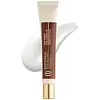
This anti-aging eye moisturizer is formulated around Collagen Extract and Niacinamide to soften the look of wrinkles and hydrate skin.
This anti-aging eye moisturizer is formulated around Caffeine and Acetyl Hexapeptide-8 to soften the look of wrinkles.

What's inside
What's inside
 Key Ingredients
Benefits
Concerns
Ingredients Side-by-side
Collagen Extract 80%
Skin Conditioning

Glycerin
Humectant

Niacinamide
Smoothing








1,2-Hexanediol
Skin Conditioning
Water
Skin ConditioningDimethicone
Emollient
Hydrogenated Polydecene
EmollientButylene Glycol
Humectant
Triethylhexanoin
MaskingCetearyl Alcohol
Emollient






Sodium Acrylate/Sodium Acryloyldimethyl Taurate Copolymer
Emulsion StabilisingPolyglyceryl-3 Methylglucose Distearate
Emulsifying
Cyclopentasiloxane
Emollient
Butyrospermum Parkii Butter
Skin Conditioning
Dimethicone/Vinyl Dimethicone Crosspolymer
Skin Conditioning
Isohexadecane
EmollientSodium Polyacrylate
Absorbent
Ammonium Acryloyldimethyltaurate/Vp Copolymer
Glyceryl Caprylate
EmollientPolysorbate 80
Emulsifying
Hydrogenated Lecithin
Emulsifying
Glycosaminoglycans
EmollientAdenosine
Skin Conditioning
Carbomer
Emulsion StabilisingSorbitan Oleate
Emulsifying
Allantoin
Skin Conditioning
Polysorbate 20
Emulsifying
Steareth-20
CleansingGlycine
Buffering
Serine
Masking
Glutamic Acid
Humectant
Gold
Cosmetic ColorantAspartic Acid
Masking
Leucine
Skin ConditioningAlanine
Masking
Palmitoyl Tripeptide-1
Skin Conditioning
Lysine
Skin ConditioningArginine
Masking
Tyrosine
MaskingPhenylalanine
Masking
Threonine
Proline
Skin Conditioning
Valine
MaskingN-Hydroxysuccinimide
Skin ConditioningIsoleucine
Skin ConditioningPalmitoyl Tetrapeptide-7
Skin Conditioning
Polyglyceryl-10 Stearate
Skin Conditioning
Histidine
Humectant
Cysteine
Antioxidant
Methionine
Skin ConditioningLactobacillus Ferment Lysate
Skin Conditioning
Panthenol
Skin Conditioning
Beta-Glucan
Skin Conditioning
PCA
Humectant
Caprylyl Glycol
Emollient
Taraxacum Officinale Leaf Extract
Skin ConditioningTocopheryl Acetate
Antioxidant
Sodium Ascorbyl Phosphate
Antioxidant
Glycine Soja Protein
EmulsifyingGlyceryl Arachidonate
Emollient
Acetyl Hexapeptide-8
Humectant
Biotin
AntiseborrhoeicRetinyl Palmitate
Skin Conditioning
Folic Acid
Skin ConditioningThiamine Hcl
MaskingPyridoxine
Skin ConditioningCyanocobalamin
Skin ConditioningChlorphenesin
Antimicrobial
Disodium EDTA
ChelatingCollagen Extract 80%, Glycerin, Niacinamide, 1,2-Hexanediol, Water, Dimethicone, Hydrogenated Polydecene, Butylene Glycol, Triethylhexanoin, Cetearyl Alcohol, Sodium Acrylate/Sodium Acryloyldimethyl Taurate Copolymer, Polyglyceryl-3 Methylglucose Distearate, Cyclopentasiloxane, Butyrospermum Parkii Butter, Dimethicone/Vinyl Dimethicone Crosspolymer, Isohexadecane, Sodium Polyacrylate, Ammonium Acryloyldimethyltaurate/Vp Copolymer, Glyceryl Caprylate, Polysorbate 80, Hydrogenated Lecithin, Glycosaminoglycans, Adenosine, Carbomer, Sorbitan Oleate, Allantoin, Polysorbate 20, Steareth-20, Glycine, Serine, Glutamic Acid, Gold, Aspartic Acid, Leucine, Alanine, Palmitoyl Tripeptide-1, Lysine, Arginine, Tyrosine, Phenylalanine, Threonine, Proline, Valine, N-Hydroxysuccinimide, Isoleucine, Palmitoyl Tetrapeptide-7, Polyglyceryl-10 Stearate, Histidine, Cysteine, Methionine, Lactobacillus Ferment Lysate, Panthenol, Beta-Glucan, PCA, Caprylyl Glycol, Taraxacum Officinale Leaf Extract, Tocopheryl Acetate, Sodium Ascorbyl Phosphate, Glycine Soja Protein, Glyceryl Arachidonate, Acetyl Hexapeptide-8, Biotin, Retinyl Palmitate, Folic Acid, Thiamine Hcl, Pyridoxine, Cyanocobalamin, Chlorphenesin, Disodium EDTA
Water
Skin ConditioningGlycerin
Humectant
Stearic Acid
Cleansing
1,2-Hexanediol
Skin Conditioning
Helianthus Annuus Seed Oil
Emollient
Betaine
Humectant
Caffeine
Skin Conditioning
Phaseolus Angularis Seed Extract
Antioxidant
Artemisia Princeps Leaf Extract
Skin ConditioningCamellia Sinensis Leaf Extract
Antimicrobial
Chaenomeles Sinensis Fruit Extract
Antioxidant
Chrysanthellum Indicum Extract
Skin Conditioning
Cinnamomum Cassia Bark Extract
Masking
Corallina Officinalis Extract
Skin Conditioning
Curcuma Longa Root Extract
Antioxidant
Diospyros Kaki Leaf Extract
Skin Protecting
Melia Azadirachta Flower Extract
Skin ConditioningMelia Azadirachta Leaf Extract
Skin ConditioningOcimum Sanctum Leaf Extract
Skin ConditioningAcetyl Hexapeptide-8
Humectant
Copper Tripeptide-1
Skin Conditioning
Oligopeptide-29
Antioxidant
Oligopeptide-32
Antiseborrhoeic
Panthenol
Skin Conditioning
Pantolactone
Humectant
Hydrogenated Lecithin
Emulsifying
Hydroxyethyl Acrylate/Sodium Acryloyldimethyl Taurate Copolymer
Emulsion StabilisingSodium Hyaluronate
Humectant
Glyceryl Stearate
Emollient
Sorbitan Isostearate
Emulsifying
Cetearyl Alcohol
Emollient
Propanediol
Solvent
Arachidic Acid
Cleansing
Oleic Acid
Emollient
Palmitic Acid
Emollient
Caprylyl/Capryl Glucoside
CleansingEthylhexylglycerin
Skin ConditioningWater, Glycerin, Stearic Acid, 1,2-Hexanediol, Helianthus Annuus Seed Oil, Betaine, Caffeine, Phaseolus Angularis Seed Extract, Artemisia Princeps Leaf Extract, Camellia Sinensis Leaf Extract, Chaenomeles Sinensis Fruit Extract, Chrysanthellum Indicum Extract, Cinnamomum Cassia Bark Extract, Corallina Officinalis Extract, Curcuma Longa Root Extract, Diospyros Kaki Leaf Extract, Melia Azadirachta Flower Extract, Melia Azadirachta Leaf Extract, Ocimum Sanctum Leaf Extract, Acetyl Hexapeptide-8, Copper Tripeptide-1, Oligopeptide-29, Oligopeptide-32, Panthenol, Pantolactone, Hydrogenated Lecithin, Hydroxyethyl Acrylate/Sodium Acryloyldimethyl Taurate Copolymer, Sodium Hyaluronate, Glyceryl Stearate, Sorbitan Isostearate, Cetearyl Alcohol, Propanediol, Arachidic Acid, Oleic Acid, Palmitic Acid, Caprylyl/Capryl Glucoside, Ethylhexylglycerin
Reviews
Ingredients Explained
These ingredients are found in both products.
Ingredients higher up in an ingredient list are typically present in a larger amount.
1,2-Hexanediol is a synthetic liquid and another multi-functional powerhouse.
It is a:
- Humectant, drawing moisture into the skin
- Emollient, helping to soften skin
- Solvent, dispersing and stabilizing formulas
- Preservative booster, enhancing the antimicrobial activity of other preservatives
Acetyl Hexapeptide-8 (also known as Argireline) is a synthetic hexapeptide that is often called a "topical Botox alternative".
It works by mimicking how Botox relaxes muscles; it interferes with the signaling process that tells your facial muscles to contract. This can help soften expression lines like forehead wrinkles or crow's feet over time.
The comparison to Botox does have limits because the molecule is water-loving and relatively large.
Acetyl Hexapeptide-8 has a hard time absorbing deeply enough through the skin's outer barrier to actually reach the muscles.
So whether it truly works the way Botox does at a biological level is still up for debate, but early clinical outcomes are fairly encouraging.
A 12 week human study of a multi-ingredient regimen containing this ingredient saw:
While some studies have observed improvements in wrinkle appearance, it is important to note that more consistent results are seen in multi-ingredient formulations (vs just Acetyl Hexapeptide-8 alone).
Some research studies also used higher concentrations (up to 10%) while this ingredient is usually found in concentrations up to 0.005% in leave-on formulations.
Learn more about Acetyl Hexapeptide-8Cetearyl alcohol is a waxy mixture of two fatty alcohols: cetyl alcohol and stearyl alcohol. It is an emollient and emulsifier.
Despite having "alcohol" in its name, it has nothing to do with drying solvent alcohols; the FDA also allows "alcohol-free" products to contain fatty alcohols like this ingredient.
It plays several roles in a formula:
Typical use levels for this ingredient sit around 1-10% and the Cosmetic Ingredient Review Expert Panel has affirmed safety at concentrations up to 25% in leave-on products.
Multiple assessments have found it to be non-irritating and non-sensitizing to most people.
However, there have been some cases of allergic contact dermatitis in patients with chronically compromised skin barriers.
Cetearyl alcohol has a comedogenic rating of 2 and irritancy rating of 1. Both of these numbers come from the 1989 study that used rabbit ears; a "2" means mildly comedogenic and a "1" means low irritancy.
Here's the catch: rabbit skin is more sensitive than human skin and throws a lot of false positives. A 1996 reappraisal found that ingredients rated 1-2 in the rabbit ear tests are generally safe for humans.
Remember comedogenic ratings are unable to assess the entire formula of a product or how it will react on your skin. Just be sure to patch test if you are unsure about certain ingredients.
This ingredient is not fungal acne safe. Cetearyl alcohol is a fatty alcohol with chain lengths that fall within the range that Malassezia can metabolize.
A 2019 study has also observed Malassezia growth in the presence of this ingredient, confirming it to be not-fungal acne safe.
Learn more about Cetearyl AlcoholGlycerin (or glycerol) is a compound naturally found in your skin. It's a powerhouse humectant that pulls water into the stratum corneum.
Topically, glycerin does several things at once:
Your skin makes glycerin on its own (mostly from sebaceous oil breakdown) and shuttles it to your outermost layer of skin, or your epidermis, via aquaporin-3.
Aquaporin-3 is a transporter that is essential for normal skin hydration, elasticity, and repair. Interestingly, mice lacking in AQP3 have dry and less elastic skin that can be fully corrected with glycerin.
This ingredient is non-irritating, plays well with almost every ingredient, and works across all skin types. Typical use is anywhere between 3-10% but can go up to 79% in some leave-on products.
Just know very high concentrations (>40%) can feel tacky in low humidity.
Glycerin is the name for this ingredient in American English. British English uses Glycerol/Glycerine.
Learn more about GlycerinHydrogenated Lecithin is a more stable version of lecithin.
It's made by taking lecithin (a phospholipid commonly found in soybeans and egg yolks) and hydrogenating it. This just means the unsaturated fatty acids are turned into saturated ones so they don't go bad as easily.
This ingredient is an emollient, emulsifier, and penetration enhancer. As an emollient, it helps soften and hydrate skin by trapping moisture within. As an emulsifier, it prevents oil and water ingredients from separating.
Hydrogenated Lecithin can form tiny spherical structures made of phospholipid bilayers called liposomes. These liposomes are able to capture compounds inside their structure and deliver them through the skin barrier.
Because phospholipids are a natural component of our cell membranes, this ingredient is inherently compatible with skin.
A 2021 study found lecithin-based surfactants were less harsh and more tolerable comared to Sodium Lauryl Sulfate (SLS).
Learn more about Hydrogenated LecithinPanthenol is a common ingredient that helps hydrate and soothe the skin. It is found naturally in our skin and hair.
There are two forms of panthenol: D and L.
D-panthenol is also known as dexpanthenol. Most cosmetics use dexpanthenol or a mixture of D and L-panthenol.
Panthenol is famous due to its ability to go deeper into the skin's layers. Using this ingredient has numerous pros (and no cons):
Like hyaluronic acid, panthenol is a humectant. Humectants are able to bind and hold large amounts of water to keep skin hydrated.
This ingredient works well for wound healing. It works by increasing tissue in the wound and helps close open wounds.
Once oxidized, panthenol converts to pantothenic acid. Panthothenic acid is found in all living cells.
This ingredient is also referred to as pro-vitamin B5.
Learn more about PanthenolWater. It's the most common cosmetic ingredient of all. You'll usually see it at the top of ingredient lists, meaning that it makes up the largest part of the product.
So why is it so popular? Water most often acts as a solvent - this means that it helps dissolve other ingredients into the formulation.
You'll also recognize water as that liquid we all need to stay alive. If you see this, drink a glass of water. Remember to stay hydrated!
Learn more about Water

