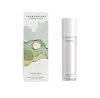
This calming moisturizer is formulated around Rosa Damascena Flower Water and Sodium Hyaluronate to calm redness and hydrate skin.
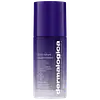
This anti-aging moisturizer is formulated around Simmondsia Chinensis Seed Oil and Squalane to soften the look of wrinkles and hydrate skin.


What's inside
What's inside
 Key Ingredients
Benefits
Concerns
Ingredients Side-by-side
Rosa Damascena Flower Water
Masking

Water
Skin ConditioningC15-19 Alkane
SolventPentylene Glycol
Skin Conditioning
Caprylic/Capric Triglyceride
Masking

Hydrogenated Ethylhexyl Olivate
EmollientArachidyl Alcohol
Emollient
Isomalt
HumectantHydrogenated Vegetable Glycerides
EmollientAlcohol
Antimicrobial




Behenyl Alcohol
Emollient
Tilia Platyphyllos Flower Water
Skin ConditioningSodium Hyaluronate
Humectant

Polypodium Vulgare Rhizome Extract
HumectantPeat Extract
Skin ConditioningCetraria Islandica Thallus Extract
HumectantSphagnum Magellanicum Extract
Skin ConditioningCalluna Vulgaris Flower Extract
Skin ConditioningInonotus Obliquus Extract
Skin ConditioningBuddleja Davidii Leaf Extract
Skin ConditioningRuscus Aculeatus Root Extract
Astringent
Rhus Verniciflua Peel Wax
Carthamus Tinctorius Seed Oil
Masking

Vaccinium Macrocarpon Seed Oil
Skin Conditioning
Tocopherol
Antioxidant



Hydrolyzed Drosera Ramentacea Leaf
Antioxidant
Rubus Chamaemorus Fruit Extract
Antioxidant
Saccharomyces Ferment Filtrate
Humectant
Phytol
Emollient

Butyrospermum Parkii Butter
Skin Conditioning
Hydrogenated Olive Oil Unsaponifiables
Emollient
Helianthus Annuus Seed Oil
Emollient
Glycerin
Humectant
Xanthan Gum
EmulsifyingLimnanthes Alba Seed Oil
Skin Conditioning
Propanediol
Solvent
Cetyl Alcohol
Emollient
Sodium Stearoyl Glutamate
CleansingArachidyl Glucoside
EmulsifyingGlyceryl Stearate
Emollient
Sodium Polyphosphate
ChelatingButylene Glycol
Humectant
Citric Acid
Buffering
Sodium Dehydroacetate
Preservative
Sodium Benzoate
Masking
Potassium Sorbate
Preservative
Aroma
Limonene
Perfuming
Citronellol
Perfuming
Linalool
Perfuming
Geraniol
Perfuming
Rosa Damascena Flower Water, Water, C15-19 Alkane, Pentylene Glycol, Caprylic/Capric Triglyceride, Hydrogenated Ethylhexyl Olivate, Arachidyl Alcohol, Isomalt, Hydrogenated Vegetable Glycerides, Alcohol, Behenyl Alcohol, Tilia Platyphyllos Flower Water, Sodium Hyaluronate, Polypodium Vulgare Rhizome Extract, Peat Extract, Cetraria Islandica Thallus Extract, Sphagnum Magellanicum Extract, Calluna Vulgaris Flower Extract, Inonotus Obliquus Extract, Buddleja Davidii Leaf Extract, Ruscus Aculeatus Root Extract, Rhus Verniciflua Peel Wax, Carthamus Tinctorius Seed Oil, Vaccinium Macrocarpon Seed Oil, Tocopherol, Hydrolyzed Drosera Ramentacea Leaf, Rubus Chamaemorus Fruit Extract, Saccharomyces Ferment Filtrate, Phytol, Butyrospermum Parkii Butter, Hydrogenated Olive Oil Unsaponifiables, Helianthus Annuus Seed Oil, Glycerin, Xanthan Gum, Limnanthes Alba Seed Oil, Propanediol, Cetyl Alcohol, Sodium Stearoyl Glutamate, Arachidyl Glucoside, Glyceryl Stearate, Sodium Polyphosphate, Butylene Glycol, Citric Acid, Sodium Dehydroacetate, Sodium Benzoate, Potassium Sorbate, Aroma, Limonene, Citronellol, Linalool, Geraniol
Water
Skin ConditioningSimmondsia Chinensis Seed Oil
Emollient
Glycerin
Humectant
Neopentyl Glycol Diheptanoate
EmollientSqualane
Emollient
Hydrogenated Ethylhexyl Olivate
EmollientPropanediol
Solvent
Caprylic/Capric Triglyceride
Masking
Pentylene Glycol
Skin Conditioning
Camellia Japonica Seed Oil
Emollient
Butylene Glycol
Humectant
C12-15 Alkyl Benzoate
AntimicrobialSodium Hyaluronate
Humectant
Ubiquinone
Antioxidant
Glycine Soja Oil
Emollient
PEG-40 Hydrogenated Castor Oil
Emulsifying
Helianthus Annuus Seed Oil
Emollient
Citrus Aurantium Bergamia Fruit Oil
Masking
Citrus Limon Peel Oil
Masking
Rosmarinus Officinalis Leaf Extract
AntimicrobialViola Odorata Leaf Extract
MaskingCarthamus Tinctorius Seed Oil
Masking
Tropaeolum Majus Flower/Leaf/Stem Extract
Skin ConditioningAstragalus Membranaceus Root Extract
Emollient
Spilanthes Acmella Flower/Leaf/Stem Extract
AntimicrobialLavandula Spica Flower/Leaf/Stem Extract
Skin ConditioningLigustrum Lucidum Seed Extract
Skin ConditioningCitrus Aurantium Dulcis Oil
Masking
Rosmarinus Officinalis Flower/Leaf/Stem Extract
MaskingSalvia Sclarea Extract
AntiseborrhoeicLitsea Cubeba Fruit Oil
Masking
Mentha Piperita Flower/Leaf/Stem Extract
Masking
Luffa Cylindrica Root Extract
Skin ConditioningHydrogenated Olive Oil Unsaponifiables
Emollient
Tocopherol
Antioxidant
Phospholipids
Skin Conditioning
Glycogen
HumectantCaprylyl Glycol
Emollient
Glycolipids
Skin ConditioningAcrylates/C10-30 Alkyl Acrylate Crosspolymer
Emulsion StabilisingGlycine Soja Sterols
Emollient
Dicaprylyl Ether
Emollient
Xanthan Gum
EmulsifyingC15-19 Alkane
SolventEthylhexylglycerin
Skin ConditioningPolysorbate 20
Emulsifying
Tetrasodium Glutamate Diacetate
ChelatingPhytic Acid
Chelating
Lauryl Glucoside
CleansingSodium Hydroxide
BufferingSodium Acrylate/Sodium Acryloyldimethyl Taurate Copolymer
Emulsion StabilisingSodium Benzoate
Masking
Water, Simmondsia Chinensis Seed Oil, Glycerin, Neopentyl Glycol Diheptanoate, Squalane, Hydrogenated Ethylhexyl Olivate, Propanediol, Caprylic/Capric Triglyceride, Pentylene Glycol, Camellia Japonica Seed Oil, Butylene Glycol, C12-15 Alkyl Benzoate, Sodium Hyaluronate, Ubiquinone, Glycine Soja Oil, PEG-40 Hydrogenated Castor Oil, Helianthus Annuus Seed Oil, Citrus Aurantium Bergamia Fruit Oil, Citrus Limon Peel Oil, Rosmarinus Officinalis Leaf Extract, Viola Odorata Leaf Extract, Carthamus Tinctorius Seed Oil, Tropaeolum Majus Flower/Leaf/Stem Extract, Astragalus Membranaceus Root Extract, Spilanthes Acmella Flower/Leaf/Stem Extract, Lavandula Spica Flower/Leaf/Stem Extract, Ligustrum Lucidum Seed Extract, Citrus Aurantium Dulcis Oil, Rosmarinus Officinalis Flower/Leaf/Stem Extract, Salvia Sclarea Extract, Litsea Cubeba Fruit Oil, Mentha Piperita Flower/Leaf/Stem Extract, Luffa Cylindrica Root Extract, Hydrogenated Olive Oil Unsaponifiables, Tocopherol, Phospholipids, Glycogen, Caprylyl Glycol, Glycolipids, Acrylates/C10-30 Alkyl Acrylate Crosspolymer, Glycine Soja Sterols, Dicaprylyl Ether, Xanthan Gum, C15-19 Alkane, Ethylhexylglycerin, Polysorbate 20, Tetrasodium Glutamate Diacetate, Phytic Acid, Lauryl Glucoside, Sodium Hydroxide, Sodium Acrylate/Sodium Acryloyldimethyl Taurate Copolymer, Sodium Benzoate
Reviews
Ingredients Explained
These ingredients are found in both products.
Ingredients higher up in an ingredient list are typically present in a larger amount.
Butylene Glycol (or BG) is used within cosmetic products for a few different reasons:
Overall, Butylene Glycol is a safe and well-rounded ingredient that works well with other ingredients.
Though this ingredient works well with most skin types, some people with sensitive skin may experience a reaction such as allergic rashes, closed comedones, or itchiness.
Learn more about Butylene GlycolC15-19 alkane is a mixture of alkanes. Alkanes are hydrocarbons with carbon atoms held together by single bonds.
It is a synthetically created solvent and emollient often used to replace silicones or mineral oil. As an emollient, C15-19 Alkane helps soften and soothe the skin. Emollients create a barrier to trap moisture inside.
You'll often see this ingredient used with mineral UV filters such as titanium dioxidide and zinc oxide. It helps these UV filter ingredients be more spreadable.
This ingredient is biodegradable. According to a manufacturer, it is also known as Hydrogenated Polyfarnesene.
Learn more about C15-19 AlkaneCaprylic/Capric Triglyceride (aka MCT Oil) is a lightweight emollient, solvent, and texture enhancer. It is considered a skin-softener by helping to prevent moisture loss.
Though it behaves like an oil, it is not technically one due to its chemical composition. One perk of this ingredient is that it is very stable, resistant to oxidation, and unlikely to go rancid.
In practice, that translates to a long shelf life and a consistently elegant skin feel.
While there is an assumption Caprylic Triglyceride can clog pores due to it being derived from coconut oil, there is no research supporting this. Just patch test if you have concerns.
Fractionated coconut oil and MCT Oil are both listed as Caprylic/Capric Triglyceride according to INCI. This is because INCI names are based on the ingredient’s final chemical composition and not its marketing name or source.
This ingredient is treated as the gold standard fungal acne safe oil. Even though it is coconut derived, the problematic lauric acid is stripped out.
This leaves just caprylic (C8) and capric (C10) acid. These chain lengths actually trend antifungal; a 2020 study found caprylic acid was enough to disrupt Malassezia furfur cell membrane, with a caprylic acid derivative damaging membrane structures at concentrations as low as 0.2%.
Learn more about Caprylic/Capric TriglycerideCarthamus Tinctorius Seed Oil comes from the seeds of the safflower plant. It is a skin conditioning agent that helps soften skin and keep it hydrated.
This seed oil has an unusual fatty acid profile: it is one of the highest linoleic acid plant oils out there (~55-77%). It also has low amounts of oleic acid, and this high-linoleic/low-oleic ratio gets people excited.
Linoleic acid helps maintain skin barrier integrity and is a building block for the ceramides in your stratum corneum. Notably, people with acne tend to have lower linoleic acid in their skin lipids as well (and this gets worse as acne gets more severe).
Overall, it's a lightweight, fast-absorbing oil that has a long safety track record. Lab testing has found it to be non-irritating for skin or eyes.
The Malassezia yeast can metabolize the fatty acids in this oil to grow; therefore this ingredient may not be fungal acne safe.
Learn more about Carthamus Tinctorius Seed OilGlycerin (or glycerol) is a compound naturally found in your skin. It's a powerhouse humectant that pulls water into the stratum corneum.
Topically, glycerin does several things at once:
Your skin makes glycerin on its own (mostly from sebaceous oil breakdown) and shuttles it to your outermost layer of skin, or your epidermis, via aquaporin-3.
Aquaporin-3 is a transporter that is essential for normal skin hydration, elasticity, and repair. Interestingly, mice lacking in AQP3 have dry and less elastic skin that can be fully corrected with glycerin.
This ingredient is non-irritating, plays well with almost every ingredient, and works across all skin types. Typical use is anywhere between 3-10% but can go up to 79% in some leave-on products.
Just know very high concentrations (>40%) can feel tacky in low humidity.
Glycerin is the name for this ingredient in American English. British English uses Glycerol/Glycerine.
Learn more about GlycerinHelianthus Annuus Seed Oil is a plant oil derived from the seeds of a sunflower.
It is rich in fatty acids, primarily linoleic acid and oleic acid. This gives it emollient and skin conditioning properties.
The reason this ingredient is so effective is because it forms a thin film on the skin that reduces transepidermal water loss (TEWL) while supplying linoleic acid to the stratum corneum to improve barrier strength.
The high linoleic acid content is particularly noteworthy for acne-prone skin.
Research suggests that acne-prone skin tends to be deficient in linoleic acid in sebum. Topical application may help replenish this to support a healthier follicular environment and less comedone-promoting sebum.
One randomized study found sunflower seed oil preserved skin barrier integrity in adult volunteers with and without atopic dermatitis (outperforming olive oil).
This ingredient is well-studied, gentle, and an effective emollient suitable for most skin types.
On fungal acne: This ingredient may not be Fungal acne (Malassezia folliculitis) safe. This is because it contains fatty acids with carbon chain lengths in the C11-C24 range.
Learn more about Helianthus Annuus Seed OilWe don't have a description for Hydrogenated Ethylhexyl Olivate yet.
Hydrogenated Olive Oil Unsaponifiables are the "leftover" part of olive oil after the fatty acids get turned into soap.
Most of what's left behind is a concentrated blend of squalene, phytosterols, and vitamin E.
Squalene is pretty cool because it's already naturally found in our skin and makes up about 13% of sebum. This makes it a great moisturizing and skin-barrier-supporting ingredient.
This ingredient is typically used at low concentrations (~1-3%) and occasionally up to 25% when acting as the main ingredient in a formula.
Fungal acne note: Though this ingredient is largely free of fatty acid esters that feed Malassezia, it may still have some residual fatty acids depending on the purity. This is why this ingredient is marked as not fungal acne safe.
People with existing olive oil allergies should be cautious as well.
Learn more about Hydrogenated Olive Oil UnsaponifiablesPentylene Glycol (1,2-pentanediol) is a multitasking little diol with three main roles in a formula:
Research on alkanediols (the family pentylene glycol belongs to) show they work by disrupting microbial cell membranes. This disruption helps the primary preservative system in a product work more effectively at lower doses.
On the safety side, the Cosmetic Ingredient Review Expert Panel has concluded this ingredient to be safe as used in current cosmetic practices + concentrations.
Typical use levels in a formula run about 1-5%.
Learn more about Pentylene GlycolPropanediol is an all-star ingredient. It softens, hydrates, and smooths the skin.
It’s often used to:
Propanediol is not likely to cause sensitivity and considered safe to use. It is derived from corn or petroleum with a clear color and no scent.
Learn more about PropanediolSodium Benzoate is a preservative. It's used in both cosmetic and food products to inhibit the growth of mold and bacteria. It is typically produced synthetically.
Both the US FDA and EU Health Committee have approved the use of sodium benzoate. In the US, levels of 0.1% (of the total product) are allowed.
Sodium benzoate works as a preservative by inhibiting the growth of bacteria inside of cells. It prevents the cell from fermenting a type of sugar using an enzyme called phosphofructokinase.
It is the salt of benzoic acid. Foods containing sodium benzoate include soda, salad dressings, condiments, fruit juices, wines, and snack foods.
Studies for using ascorbic acid and sodium benzoate in cosmetics are lacking, especially in skincare routines with multiple steps.
We always recommend speaking with a professional, such as a dermatologist, if you have any concerns.
Learn more about Sodium BenzoateSodium Hyaluronate is the salt form of hyaluronic acid. It is a long sugar chain that is naturally found in your skin, joints, and connective tissue that maintains hydration and elasticity.
In skincare, it works as a humectant. It pulls water from the environment and deeper layers of skin and binds it to the surface.
Interestingly, the size of the molecule affects its behavior:
Some clinical evidence links low molecular weight versions to improved wrinkle depth, elasticity, anti-inflammatory effects, and barrier repair.
Many serums use a blend of both weights so you can get surface hydration plus longer-lasting and deeper effects.
You'll typically see concentrations between 0.1-2% for this ingredient.
Learn more about Sodium HyaluronateTocopherol is a fat-soluble antioxidant known as Vitamin E.
You'll find this ingredient in the vast majority of skincare (for good reason). It works to neutralize free radicals, or unstable molecules generated by UV exposure, pollution, and other environmental stressors, before they can cause oxidative damage to your skin cells.
Topically applied tocopherol has been shown to protect against UV damage by ramping up the skin's own natural defense enzymes.
It also acts as a skin conditioning agent; some studies show that regular topical use can improve the skin's water-binding capacity over 2-4 weeks.
This ingredient is especially loved for being a team player. When combined with Vitamin C, the photoprotective effect of both ingredients roughly doubles and the combo also helps reduce UV-induced DNA damage.
This ingredient has some brightening potential but it's more of a prevention ingredient than spot-fader. Cell studies show it can slow down melanin production but it's worth noting that it's not the most powerful brightener out there.
In formulations, it also serves as a stabilizer that helps protect other oxidation-prone ingredients from degrading.
Concentrations usually range from 0.1-1% in most leave-on products.
Learn more about TocopherolWater. It's the most common cosmetic ingredient of all. You'll usually see it at the top of ingredient lists, meaning that it makes up the largest part of the product.
So why is it so popular? Water most often acts as a solvent - this means that it helps dissolve other ingredients into the formulation.
You'll also recognize water as that liquid we all need to stay alive. If you see this, drink a glass of water. Remember to stay hydrated!
Learn more about WaterXanthan gum is used as a stabilizer and thickener within cosmetic products. It helps give products a sticky, thick feeling - preventing them from being too runny.
On the technical side of things, xanthan gum is a polysaccharide - a combination consisting of multiple sugar molecules bonded together.
Xanthan gum is a pretty common and great ingredient. It is a natural, non-toxic, non-irritating ingredient that is also commonly used in food products.
Learn more about Xanthan Gum

