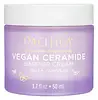
This barrier-repair moisturizer is formulated around Ceramide NP and Ceramide AP to strengthen the skin barrier and hydrate skin.
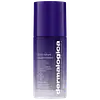
This anti-aging moisturizer is formulated around Simmondsia Chinensis Seed Oil and Squalane to soften the look of wrinkles and hydrate skin.

What's inside
What's inside
 Key Ingredients
Benefits
Concerns
Ingredients Side-by-side
Water
Skin ConditioningStearyl Alcohol
Emollient


Caprylic/Capric Triglyceride
Masking


Butyrospermum Parkii Butter
Skin Conditioning


Glycerin
Humectant
Cetearyl Alcohol
Emollient
Glyceryl Caprylate
EmollientCetyl Alcohol
Emollient
Ceramide NP
Skin Conditioning



Ceramide AP
Skin Conditioning
Ceramide EOP
Skin Conditioning
Phytosphingosine
Skin Conditioning
Cholesterol
Emollient
Calendula Officinalis Flower Extract
Masking
Niacinamide
Smoothing






Avena Sativa Kernel Flour
Abrasive
Palmitoyl Hexapeptide-19
Skin Conditioning
Althaea Officinalis Leaf/Root Extract
EmollientSodium PCA
Humectant
Sodium Lactate
Buffering
Arginine
Masking
Aspartic Acid
Masking
PCA
Humectant
Glycine
Buffering
Alanine
Masking
Serine
Masking
Valine
MaskingProline
Skin Conditioning
Threonine
Isoleucine
Skin ConditioningHistidine
Humectant
Phenylalanine
Masking
Glyceryl Stearate Citrate
Emollient
Sodium Lauroyl Lactylate
EmulsifyingXanthan Gum
EmulsifyingPhenoxyethanol
Preservative
Ethylhexylglycerin
Skin ConditioningPlant Ash
Water, Stearyl Alcohol, Caprylic/Capric Triglyceride, Butyrospermum Parkii Butter, Glycerin, Cetearyl Alcohol, Glyceryl Caprylate, Cetyl Alcohol, Ceramide NP, Ceramide AP, Ceramide EOP, Phytosphingosine, Cholesterol, Calendula Officinalis Flower Extract, Niacinamide, Avena Sativa Kernel Flour, Palmitoyl Hexapeptide-19, Althaea Officinalis Leaf/Root Extract, Sodium PCA, Sodium Lactate, Arginine, Aspartic Acid, PCA, Glycine, Alanine, Serine, Valine, Proline, Threonine, Isoleucine, Histidine, Phenylalanine, Glyceryl Stearate Citrate, Sodium Lauroyl Lactylate, Xanthan Gum, Phenoxyethanol, Ethylhexylglycerin, Plant Ash
Water
Skin ConditioningSimmondsia Chinensis Seed Oil
Emollient
Glycerin
Humectant
Neopentyl Glycol Diheptanoate
EmollientSqualane
Emollient
Hydrogenated Ethylhexyl Olivate
EmollientPropanediol
Solvent
Caprylic/Capric Triglyceride
Masking
Pentylene Glycol
Skin Conditioning
Camellia Japonica Seed Oil
Emollient
Butylene Glycol
Humectant
C12-15 Alkyl Benzoate
AntimicrobialSodium Hyaluronate
Humectant
Ubiquinone
Antioxidant
Glycine Soja Oil
Emollient
PEG-40 Hydrogenated Castor Oil
Emulsifying
Helianthus Annuus Seed Oil
Emollient
Citrus Aurantium Bergamia Fruit Oil
Masking

Citrus Limon Peel Oil
Masking

Rosmarinus Officinalis Leaf Extract
AntimicrobialViola Odorata Leaf Extract
MaskingCarthamus Tinctorius Seed Oil
Masking
Tropaeolum Majus Flower/Leaf/Stem Extract
Skin ConditioningAstragalus Membranaceus Root Extract
Emollient
Spilanthes Acmella Flower/Leaf/Stem Extract
AntimicrobialLavandula Spica Flower/Leaf/Stem Extract
Skin ConditioningLigustrum Lucidum Seed Extract
Skin ConditioningCitrus Aurantium Dulcis Oil
Masking
Rosmarinus Officinalis Flower/Leaf/Stem Extract
MaskingSalvia Sclarea Extract
AntiseborrhoeicLitsea Cubeba Fruit Oil
Masking
Mentha Piperita Flower/Leaf/Stem Extract
Masking
Luffa Cylindrica Root Extract
Skin ConditioningHydrogenated Olive Oil Unsaponifiables
Emollient
Tocopherol
Antioxidant
Phospholipids
Skin Conditioning
Glycogen
HumectantCaprylyl Glycol
Emollient
Glycolipids
Skin ConditioningAcrylates/C10-30 Alkyl Acrylate Crosspolymer
Emulsion StabilisingGlycine Soja Sterols
Emollient
Dicaprylyl Ether
Emollient
Xanthan Gum
EmulsifyingC15-19 Alkane
SolventEthylhexylglycerin
Skin ConditioningPolysorbate 20
Emulsifying
Tetrasodium Glutamate Diacetate
ChelatingPhytic Acid
Chelating
Lauryl Glucoside
CleansingSodium Hydroxide
BufferingSodium Acrylate/Sodium Acryloyldimethyl Taurate Copolymer
Emulsion StabilisingSodium Benzoate
Masking
Water, Simmondsia Chinensis Seed Oil, Glycerin, Neopentyl Glycol Diheptanoate, Squalane, Hydrogenated Ethylhexyl Olivate, Propanediol, Caprylic/Capric Triglyceride, Pentylene Glycol, Camellia Japonica Seed Oil, Butylene Glycol, C12-15 Alkyl Benzoate, Sodium Hyaluronate, Ubiquinone, Glycine Soja Oil, PEG-40 Hydrogenated Castor Oil, Helianthus Annuus Seed Oil, Citrus Aurantium Bergamia Fruit Oil, Citrus Limon Peel Oil, Rosmarinus Officinalis Leaf Extract, Viola Odorata Leaf Extract, Carthamus Tinctorius Seed Oil, Tropaeolum Majus Flower/Leaf/Stem Extract, Astragalus Membranaceus Root Extract, Spilanthes Acmella Flower/Leaf/Stem Extract, Lavandula Spica Flower/Leaf/Stem Extract, Ligustrum Lucidum Seed Extract, Citrus Aurantium Dulcis Oil, Rosmarinus Officinalis Flower/Leaf/Stem Extract, Salvia Sclarea Extract, Litsea Cubeba Fruit Oil, Mentha Piperita Flower/Leaf/Stem Extract, Luffa Cylindrica Root Extract, Hydrogenated Olive Oil Unsaponifiables, Tocopherol, Phospholipids, Glycogen, Caprylyl Glycol, Glycolipids, Acrylates/C10-30 Alkyl Acrylate Crosspolymer, Glycine Soja Sterols, Dicaprylyl Ether, Xanthan Gum, C15-19 Alkane, Ethylhexylglycerin, Polysorbate 20, Tetrasodium Glutamate Diacetate, Phytic Acid, Lauryl Glucoside, Sodium Hydroxide, Sodium Acrylate/Sodium Acryloyldimethyl Taurate Copolymer, Sodium Benzoate
Reviews
Ingredients Explained
These ingredients are found in both products.
Ingredients higher up in an ingredient list are typically present in a larger amount.
Caprylic/Capric Triglyceride (aka MCT Oil) is a lightweight emollient, solvent, and texture enhancer. It is considered a skin-softener by helping to prevent moisture loss.
Though it behaves like an oil, it is not technically one due to its chemical composition. One perk of this ingredient is that it is very stable, resistant to oxidation, and unlikely to go rancid.
In practice, that translates to a long shelf life and a consistently elegant skin feel.
While there is an assumption Caprylic Triglyceride can clog pores due to it being derived from coconut oil, there is no research supporting this. Just patch test if you have concerns.
Fractionated coconut oil and MCT Oil are both listed as Caprylic/Capric Triglyceride according to INCI. This is because INCI names are based on the ingredient’s final chemical composition and not its marketing name or source.
This ingredient is treated as the gold standard fungal acne safe oil. Even though it is coconut derived, the problematic lauric acid is stripped out.
This leaves just caprylic (C8) and capric (C10) acid. These chain lengths actually trend antifungal; a 2020 study found caprylic acid was enough to disrupt Malassezia furfur cell membrane, with a caprylic acid derivative damaging membrane structures at concentrations as low as 0.2%.
Learn more about Caprylic/Capric TriglycerideEthylhexylglycerin is created from glycerin. It is a multitasker ingredient that:
The CIR Expert Panel found minimal skin absorption or sensitization of any kind in a safety assessment. Though this ingredient is considered well-tolerated, a small number of cases of allergic dermatitis have been published since 2002. Just be sure to patch test if you are unsure.
Industry-reported use ranges from 8% in rinse-off products and 2% in leave-on formulations.
Learn more about EthylhexylglycerinGlycerin (or glycerol) is a compound naturally found in your skin. It's a powerhouse humectant that pulls water into the stratum corneum.
Topically, glycerin does several things at once:
Your skin makes glycerin on its own (mostly from sebaceous oil breakdown) and shuttles it to your outermost layer of skin, or your epidermis, via aquaporin-3.
Aquaporin-3 is a transporter that is essential for normal skin hydration, elasticity, and repair. Interestingly, mice lacking in AQP3 have dry and less elastic skin that can be fully corrected with glycerin.
This ingredient is non-irritating, plays well with almost every ingredient, and works across all skin types. Typical use is anywhere between 3-10% but can go up to 79% in some leave-on products.
Just know very high concentrations (>40%) can feel tacky in low humidity.
Glycerin is the name for this ingredient in American English. British English uses Glycerol/Glycerine.
Learn more about GlycerinWater. It's the most common cosmetic ingredient of all. You'll usually see it at the top of ingredient lists, meaning that it makes up the largest part of the product.
So why is it so popular? Water most often acts as a solvent - this means that it helps dissolve other ingredients into the formulation.
You'll also recognize water as that liquid we all need to stay alive. If you see this, drink a glass of water. Remember to stay hydrated!
Learn more about WaterXanthan gum is used as a stabilizer and thickener within cosmetic products. It helps give products a sticky, thick feeling - preventing them from being too runny.
On the technical side of things, xanthan gum is a polysaccharide - a combination consisting of multiple sugar molecules bonded together.
Xanthan gum is a pretty common and great ingredient. It is a natural, non-toxic, non-irritating ingredient that is also commonly used in food products.
Learn more about Xanthan Gum

