Dr. Jart+ Prejuvenation Firming Bakuchiol Cream Versus KORA Organics Plant Stem Cell Retinol Alternative Moisturizer
This anti-aging moisturizer is formulated around Panthenol and Bakuchiol to soften the look of wrinkles and hydrate skin.
This anti-aging moisturizer is formulated around Aloe Barbadensis Leaf Juice and Bakuchiol to soften the look of wrinkles and hydrate skin.


What's inside
What's inside
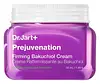 Key Ingredients
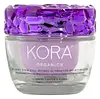
Benefits
Concerns
Ingredients Side-by-side
Water
Skin ConditioningGlycerin
Humectant


Butylene Glycol
Humectant
Caprylic/Capric Triglyceride
Masking
Pentaerythrityl Tetraethylhexanoate
Emollient
Bis-Behenyl/Isostearyl/Phytosteryl Dimer Dilinoleyl Dimer Dilinoleate
EmollientMethylpropanediol
SolventDicaprylyl Ether
Emollient
Polyglyceryl-3 Methylglucose Distearate
Emulsifying

Cetearyl Alcohol
Emollient



1,2-Hexanediol
Skin Conditioning
Phytosteryl/Isostearyl/Cetyl/Stearyl/Behenyl Dimer Dilinoleate
Skin Conditioning
Phenyl Trimethicone
Skin Conditioning
Panthenol
Skin Conditioning

Pentylene Glycol
Skin Conditioning
Caprylyl Methicone
Skin Conditioning
Bakuchiol
Antimicrobial






Jojoba Esters
Emollient
Cetearyl Olivate
Glyceryl Caprylate
EmollientHydrolyzed Collagen
Emollient
Adenosine
Skin Conditioning
C12-16 Alcohols
EmollientCetyl Alcohol
Emollient
Hydroxyethyl Acrylate/Sodium Acryloyldimethyl Taurate Copolymer
Emulsion StabilisingBoron Nitride
Absorbent
Sodium Polyacryloyldimethyl Taurate
Emulsion StabilisingGlyceryl Stearate Se
Emulsifying
Palmitic Acid
Emollient
Hydrogenated Lecithin
Emulsifying
Copernicia Cerifera Wax
Sorbitan Olivate
Emulsifying
Acrylates/C10-30 Alkyl Acrylate Crosspolymer
Emulsion StabilisingSorbitan Isostearate
Emulsifying
Parfum
Masking


Sodium Phytate
ChelatingTocopherol
Antioxidant
Phenoxyethanol
Preservative
Sodium Benzoate
Masking
CI 14700
Cosmetic ColorantCI 42090
Cosmetic ColorantWater, Glycerin, Butylene Glycol, Caprylic/Capric Triglyceride, Pentaerythrityl Tetraethylhexanoate, Bis-Behenyl/Isostearyl/Phytosteryl Dimer Dilinoleyl Dimer Dilinoleate, Methylpropanediol, Dicaprylyl Ether, Polyglyceryl-3 Methylglucose Distearate, Cetearyl Alcohol, 1,2-Hexanediol, Phytosteryl/Isostearyl/Cetyl/Stearyl/Behenyl Dimer Dilinoleate, Phenyl Trimethicone, Panthenol, Pentylene Glycol, Caprylyl Methicone, Bakuchiol, Jojoba Esters, Cetearyl Olivate, Glyceryl Caprylate, Hydrolyzed Collagen, Adenosine, C12-16 Alcohols, Cetyl Alcohol, Hydroxyethyl Acrylate/Sodium Acryloyldimethyl Taurate Copolymer, Boron Nitride, Sodium Polyacryloyldimethyl Taurate, Glyceryl Stearate Se, Palmitic Acid, Hydrogenated Lecithin, Copernicia Cerifera Wax, Sorbitan Olivate, Acrylates/C10-30 Alkyl Acrylate Crosspolymer, Sorbitan Isostearate, Parfum, Sodium Phytate, Tocopherol, Phenoxyethanol, Sodium Benzoate, CI 14700, CI 42090
Aloe Barbadensis Leaf Juice
Skin Conditioning
Glycerin
Humectant
Cetearyl Alcohol
Emollient
Coconut Alkanes
Emollient
Water
Skin ConditioningHelianthus Annuus Seed Oil
Emollient
Lactobacillus Ferment
Skin Conditioning
Sorbitan Olivate
Emulsifying
Cetearyl Olivate
Butyrospermum Parkii Butter
Skin Conditioning
Euterpe Oleracea Fruit Extract
Bakuchiol
Antimicrobial
Rosa Canina Fruit Oil
Emollient
Lactobacillus
Skin ConditioningCeramide NP
Skin Conditioning
Coco-Caprylate/Caprate
Emollient
Hydrolyzed Eragrostis Tef Seed Extract
Sclerotium Gum
Emulsion StabilisingCocos Nucifera Fruit Extract
Emollient
Potassium Sorbate
Preservative
Medicago Sativa Extract
TonicEclipta Prostrata Extract
Skin Conditioning
Citric Acid
Buffering
Melia Azadirachta Leaf Extract
Skin ConditioningPelargonium Graveolens Flower Oil
Masking

Sodium Phytate
ChelatingCitrus Aurantium Amara Flower Oil
Masking
Melia Azadirachta Flower Extract
Skin ConditioningCorallina Officinalis Extract
Skin Conditioning
Sodium Benzoate
Masking
Morinda Citrifolia Fruit Extract
Skin Conditioning
Coccinia Indica Fruit Extract
Skin Conditioning
Tocopherol
Antioxidant
Moringa Oleifera Seed Oil
Emollient
Solanum Melongena Fruit Extract
Skin ConditioningAloe Barbadensis Flower Extract
EmollientSimmondsia Chinensis Seed Oil
Emollient
Curcuma Longa Root Extract
Antioxidant
Ocimum Basilicum Flower/Leaf Extract
TonicOcimum Sanctum Leaf Extract
Skin ConditioningAlcohol
Antimicrobial

Linalool
Perfuming
Citronellol
Perfuming
Geraniol
Perfuming
Limonene
Perfuming
Farnesol
Perfuming
Aloe Barbadensis Leaf Juice, Glycerin, Cetearyl Alcohol, Coconut Alkanes, Water, Helianthus Annuus Seed Oil, Lactobacillus Ferment, Sorbitan Olivate, Cetearyl Olivate, Butyrospermum Parkii Butter, Euterpe Oleracea Fruit Extract, Bakuchiol, Rosa Canina Fruit Oil, Lactobacillus, Ceramide NP, Coco-Caprylate/Caprate, Hydrolyzed Eragrostis Tef Seed Extract, Sclerotium Gum, Cocos Nucifera Fruit Extract, Potassium Sorbate, Medicago Sativa Extract, Eclipta Prostrata Extract, Citric Acid, Melia Azadirachta Leaf Extract, Pelargonium Graveolens Flower Oil, Sodium Phytate, Citrus Aurantium Amara Flower Oil, Melia Azadirachta Flower Extract, Corallina Officinalis Extract, Sodium Benzoate, Morinda Citrifolia Fruit Extract, Coccinia Indica Fruit Extract, Tocopherol, Moringa Oleifera Seed Oil, Solanum Melongena Fruit Extract, Aloe Barbadensis Flower Extract, Simmondsia Chinensis Seed Oil, Curcuma Longa Root Extract, Ocimum Basilicum Flower/Leaf Extract, Ocimum Sanctum Leaf Extract, Alcohol, Linalool, Citronellol, Geraniol, Limonene, Farnesol
Reviews
Ingredients Explained
These ingredients are found in both products.
Ingredients higher up in an ingredient list are typically present in a larger amount.
Bakuchiol is a plant-derived antioxidant from the seeds of the Psoralea corylifolia plant. It has antimicrobial, emollient, skin conditioning, and antioxidant properties.
You'll likely see it called a "retinol replacement" but the two are technically not related. This is because bakuchiol is able to flip many of the same switches in your skin cells to tell them to:
1) produce more collagen (type I, III, and IV)
2) activate the same genes retinoids do
Unlike retinoids, this ingredient will not increase photosensitivity and is safe to use during pregnancy (but please still check in with your doctor!).
The flagship clinical trial from Dhaliwal et al. 2019 found 0.5% bakuchiol (twice daily) and 0.5% retinol (once daily) reduced wrinkles and hyperpigmentation equally, but bakuchiol had significantly less irritation.
Systematic reviews also back this up:
Bakuchiol is comparable to retinol for photoaging but with better tolerability. It also has mild antibacterial properties against Cutibacterium acnes and antifungal activity in vitro against Candida and dermatophytes.
The reason bakuchiol works well is due to its structure; it is a meroterpene phenol, or a hybrid molecule. The phenol half acts as an antioxidant while the terpene half is fat-loving. This helps the molecule slip through the skin barrier.
This ingredient is usually used between 0.5-2%. Only one case of contact dermatitis has ever been reported for this ingredient.
Learn more about BakuchiolCetearyl alcohol is a waxy mixture of two fatty alcohols: cetyl alcohol and stearyl alcohol. It is an emollient and emulsifier.
Despite having "alcohol" in its name, it has nothing to do with drying solvent alcohols; the FDA also allows "alcohol-free" products to contain fatty alcohols like this ingredient.
It plays several roles in a formula:
Typical use levels for this ingredient sit around 1-10% and the Cosmetic Ingredient Review Expert Panel has affirmed safety at concentrations up to 25% in leave-on products.
Multiple assessments have found it to be non-irritating and non-sensitizing to most people.
However, there have been some cases of allergic contact dermatitis in patients with chronically compromised skin barriers.
Cetearyl alcohol has a comedogenic rating of 2 and irritancy rating of 1. Both of these numbers come from the 1989 study that used rabbit ears; a "2" means mildly comedogenic and a "1" means low irritancy.
Here's the catch: rabbit skin is more sensitive than human skin and throws a lot of false positives. A 1996 reappraisal found that ingredients rated 1-2 in the rabbit ear tests are generally safe for humans.
Remember comedogenic ratings are unable to assess the entire formula of a product or how it will react on your skin. Just be sure to patch test if you are unsure about certain ingredients.
This ingredient is not fungal acne safe. Cetearyl alcohol is a fatty alcohol with chain lengths that fall within the range that Malassezia can metabolize.
A 2019 study has also observed Malassezia growth in the presence of this ingredient, confirming it to be not-fungal acne safe.
Learn more about Cetearyl AlcoholCetearyl Olivate is a plant-derived emulsifier and texture enhancer. It helps keep the oil and water phases from separating so your formulas stay stable.
You'll likely see it combined with Sorbitan Olivate (together sold as the trade name Olivem 1000). This combination generates a liquid crystal structure that closely resemble the lipid organization of the stratum corneum.
These "skin-like" liquid crystals improve skin barrier integrity and promote the delivery of actives into the skin.
This ingredient is well-tolerated and has no significant sensitization data.
Because it is derived from the fatty acids in olive oil, this ingredient may not be fungal acne safe.
Learn more about Cetearyl OlivateGlycerin (or glycerol) is a compound naturally found in your skin. It's a powerhouse humectant that pulls water into the stratum corneum.
Topically, glycerin does several things at once:
Your skin makes glycerin on its own (mostly from sebaceous oil breakdown) and shuttles it to your outermost layer of skin, or your epidermis, via aquaporin-3.
Aquaporin-3 is a transporter that is essential for normal skin hydration, elasticity, and repair. Interestingly, mice lacking in AQP3 have dry and less elastic skin that can be fully corrected with glycerin.
This ingredient is non-irritating, plays well with almost every ingredient, and works across all skin types. Typical use is anywhere between 3-10% but can go up to 79% in some leave-on products.
Just know very high concentrations (>40%) can feel tacky in low humidity.
Glycerin is the name for this ingredient in American English. British English uses Glycerol/Glycerine.
Learn more about GlycerinSodium Benzoate is a preservative. It's used in both cosmetic and food products to inhibit the growth of mold and bacteria. It is typically produced synthetically.
Both the US FDA and EU Health Committee have approved the use of sodium benzoate. In the US, levels of 0.1% (of the total product) are allowed.
Sodium benzoate works as a preservative by inhibiting the growth of bacteria inside of cells. It prevents the cell from fermenting a type of sugar using an enzyme called phosphofructokinase.
It is the salt of benzoic acid. Foods containing sodium benzoate include soda, salad dressings, condiments, fruit juices, wines, and snack foods.
Studies for using ascorbic acid and sodium benzoate in cosmetics are lacking, especially in skincare routines with multiple steps.
We always recommend speaking with a professional, such as a dermatologist, if you have any concerns.
Learn more about Sodium BenzoateSodium Phytate is the sodium salt of Phytic acid, a compound that plants store phosphorus in. It's the plant-derived alternative to ingredients like Disodium EDTA.
In skincare, this ingredient is a chelator that grabs onto trace metal ions like iron and copper that sneak into formulas through water/raw materials.
Those metals speed up oxidation so binding them keeps oils, fragrance, and actives from going off, stops color changes, and helps the preservative system work harder.
Survey data shows usage levels range from 0.0099%-0.5% in leave-on products, 0.025%-0.3% in rinse-off, and up to 0.05% in eye-area products. Suppliers typically recommend a range between 0.05-0.5%.
Learn more about Sodium PhytateSorbitan Olivate is created from the fatty acids in olive oil and sorbitol.
This ingredient is an oil in water emulsifier. It helps stabilize a product by preventing oils and waters from separating. Sorbitan Olivate also helps hydrate the skin.
This ingredient is also known as part of Olivem 1000, with Cetearyl Olivate being the other part.
According to a manufacturer, this ingredient helps preserve the natural microbiome of skin. Having a healthy microbiome helps keep our skin healthy and protects against harmful bacteria.
Please note, having a healthy microbiome is different from fungal acne; a healthy microbiome includes small amounts of yeast that normally live on your skin without causing problems.
Fungal acne happens when one type of yeast (Malassezia) grows out of control. This is usually because it's feeding on certain oils or fatty acids. Due to the olive oil base, this ingredient may not be fungal acne safe.
Learn more about Sorbitan OlivateTocopherol is a fat-soluble antioxidant known as Vitamin E.
You'll find this ingredient in the vast majority of skincare (for good reason). It works to neutralize free radicals, or unstable molecules generated by UV exposure, pollution, and other environmental stressors, before they can cause oxidative damage to your skin cells.
Topically applied tocopherol has been shown to protect against UV damage by ramping up the skin's own natural defense enzymes.
It also acts as a skin conditioning agent; some studies show that regular topical use can improve the skin's water-binding capacity over 2-4 weeks.
This ingredient is especially loved for being a team player. When combined with Vitamin C, the photoprotective effect of both ingredients roughly doubles and the combo also helps reduce UV-induced DNA damage.
This ingredient has some brightening potential but it's more of a prevention ingredient than spot-fader. Cell studies show it can slow down melanin production but it's worth noting that it's not the most powerful brightener out there.
In formulations, it also serves as a stabilizer that helps protect other oxidation-prone ingredients from degrading.
Concentrations usually range from 0.1-1% in most leave-on products.
Learn more about TocopherolWater. It's the most common cosmetic ingredient of all. You'll usually see it at the top of ingredient lists, meaning that it makes up the largest part of the product.
So why is it so popular? Water most often acts as a solvent - this means that it helps dissolve other ingredients into the formulation.
You'll also recognize water as that liquid we all need to stay alive. If you see this, drink a glass of water. Remember to stay hydrated!
Learn more about Water

