
What's inside
What's inside
 Key Ingredients
Benefits
Concerns
Ingredients Side-by-side
Water
Skin ConditioningDisodium Laureth Sulfosuccinate
CleansingLauryl Hydroxysultaine
CleansingPotassium Cocoyl Glycinate
Surfactant
Glycerin
Humectant


Cocamide Methyl Mea
Foam Boosting
Sodium Chloride
MaskingAdenosine
Skin Conditioning

Escin
TonicBiotin
AntiseborrhoeicHydrolyzed Collagen
Emollient
Caffeine
Skin Conditioning
Hyaluronic Acid
Humectant
Saccharomyces Cerevisiae Extract
Skin Conditioning

Glycine Soja Oil
Emollient




Retinol
Skin Conditioning






Rhus Semialata Gall Extract
Skin ConditioningDioscorea Japonica Root Extract
Skin Conditioning
Glycyrrhiza Glabra Root Extract
Bleaching
Centella Asiatica Leaf Extract
Skin Conditioning
Panax Ginseng Root Extract
Emollient
Typha Angustifolia Spike Extract
Skin ConditioningCinnamomum Cassia Bark Extract
Masking
Paeonia Lactiflora Root Extract
Skin ConditioningLithospermum Erythrorhizon Root Extract
Skin ConditioningPopulus Nigra Bark/Bud/Leaf/Twig Extract
Skin ConditioningOphiopogon Japonicus Root Extract
Skin ConditioningSalvia Miltiorrhiza Root Extract
Skin ConditioningScutellaria Baicalensis Root Extract
Astringent
Atractylodes Japonica Rhizome Extract
Skin ConditioningGlycine Max Seed Extract
Skin ConditioningOryza Sativa Bran Extract
Skin Conditioning
Saposhnikovia Divaricata Root Extract
AntimicrobialSesamum Indicum Seed Extract
Skin Conditioning
Zingiber Officinale Root Extract
Masking
Ziziphus Jujuba Fruit Extract
Skin ConditioningAngelica Gigas Root Extract
Skin ConditioningGlycine
Buffering
Serine
Masking
Glutamic Acid
Humectant
Aspartic Acid
Masking
Leucine
Skin ConditioningAlanine
Masking
Lysine
Skin ConditioningArginine
Masking
Tyrosine
MaskingPhenylalanine
Masking
Proline
Skin Conditioning
Threonine
Valine
MaskingIsoleucine
Skin ConditioningHistidine
Humectant
Cysteine
Antioxidant
Methionine
Skin ConditioningMenthol
Masking

Panthenol
Skin Conditioning
Salicylic Acid
Masking

Niacinamide
Smoothing
Polyquaternium-7
Glyceryl Oleate
Emollient

Polyquaternium-22
Dicaprylyl Carbonate
EmollientPEG-Crosspolymer
Acrylamidopropyltrimonium Chloride/Acrylates Copolymer
Sodium Cocoyl Isethionate
Cleansing
Coco-Glucoside
Cleansing
Tetrasodium EDTA
ChelatingCitric Acid
Buffering
Caramel
Cosmetic ColorantPEG-40 Hydrogenated Castor Oil
Emulsifying
PEG-150 Pentaerythrityl Tetrastearate
Emulsifying
PPG-2 Hydroxyethyl Cocamide
Emulsifying
Butylene Glycol
Humectant
Aminomethyl Propanol
BufferingHexylene Glycol
EmulsifyingAlcohol Denat.
Antimicrobial
Pentylene Glycol
Skin Conditioning
Propanediol
Solvent
Tocopherol
Antioxidant
Hydrogenated Lecithin
Emulsifying
Zein
Skin ConditioningCholesterol
Emollient
Sorbitan Oleate
Emulsifying
Ethylhexylglycerin
Skin Conditioning1,2-Hexanediol
Skin Conditioning
Caprylyl Glycol
Emollient
Sodium Benzoate
Masking
Parfum
Masking
Limonene
Perfuming
Linalool
Perfuming
Hydroxycitronellal
Perfuming
Citronellol
Perfuming
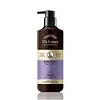
Water, Disodium Laureth Sulfosuccinate, Lauryl Hydroxysultaine, Potassium Cocoyl Glycinate, Glycerin, Cocamide Methyl Mea, Sodium Chloride, Adenosine, Escin, Biotin, Hydrolyzed Collagen, Caffeine, Hyaluronic Acid, Saccharomyces Cerevisiae Extract, Glycine Soja Oil, Retinol, Rhus Semialata Gall Extract, Dioscorea Japonica Root Extract, Glycyrrhiza Glabra Root Extract, Centella Asiatica Leaf Extract, Panax Ginseng Root Extract, Typha Angustifolia Spike Extract, Cinnamomum Cassia Bark Extract, Paeonia Lactiflora Root Extract, Lithospermum Erythrorhizon Root Extract, Populus Nigra Bark/Bud/Leaf/Twig Extract, Ophiopogon Japonicus Root Extract, Salvia Miltiorrhiza Root Extract, Scutellaria Baicalensis Root Extract, Atractylodes Japonica Rhizome Extract, Glycine Max Seed Extract, Oryza Sativa Bran Extract, Saposhnikovia Divaricata Root Extract, Sesamum Indicum Seed Extract, Zingiber Officinale Root Extract, Ziziphus Jujuba Fruit Extract, Angelica Gigas Root Extract, Glycine, Serine, Glutamic Acid, Aspartic Acid, Leucine, Alanine, Lysine, Arginine, Tyrosine, Phenylalanine, Proline, Threonine, Valine, Isoleucine, Histidine, Cysteine, Methionine, Menthol, Panthenol, Salicylic Acid, Niacinamide, Polyquaternium-7, Glyceryl Oleate, Polyquaternium-22, Dicaprylyl Carbonate, PEG-Crosspolymer, Acrylamidopropyltrimonium Chloride/Acrylates Copolymer, Sodium Cocoyl Isethionate, Coco-Glucoside, Tetrasodium EDTA, Citric Acid, Caramel, PEG-40 Hydrogenated Castor Oil, PEG-150 Pentaerythrityl Tetrastearate, PPG-2 Hydroxyethyl Cocamide, Butylene Glycol, Aminomethyl Propanol, Hexylene Glycol, Alcohol Denat., Pentylene Glycol, Propanediol, Tocopherol, Hydrogenated Lecithin, Zein, Cholesterol, Sorbitan Oleate, Ethylhexylglycerin, 1,2-Hexanediol, Caprylyl Glycol, Sodium Benzoate, Parfum, Limonene, Linalool, Hydroxycitronellal, Citronellol
Water
Skin ConditioningDisodium Laureth Sulfosuccinate
CleansingGlycerin
Humectant
Lauryl Betaine
CleansingCocamide Mipa
Emulsifying
Sodium Chloride
MaskingCitric Acid
Buffering
Polyquaternium-10
Hydroxyacetophenone
Antioxidant
Caprylyl Glycol
Emollient
Disodium EDTA
ChelatingSea Water
HumectantButylene Glycol
Humectant
Dipropylene Glycol
Humectant1,2-Hexanediol
Skin Conditioning
Panthenol
Skin Conditioning
Undaria Pinnatifida Extract
Skin ConditioningLaminaria Japonica Extract
Skin Protecting
Hydrogenated Lecithin
Emulsifying
Sorbitan Olivate
Emulsifying
Cetearyl Olivate
Hizikia Fusiforme Extract
Skin Conditioning
Sodium Hyaluronate
Humectant
Gluconolactone
Chelating
Capryloyl Salicylic Acid
Exfoliating
Biotin
AntiseborrhoeicEcklonia Cava Extract
Skin Conditioning
Codium Fragile Extract
Skin Conditioning
Sargassum Fulvellum Extract
Skin ConditioningGelidium Cartilagineum Extract
Skin ProtectingHydrolyzed Soy Protein
Humectant
Hydrolyzed Rice Protein
Skin ConditioningHydrolyzed Pea Protein
EmollientHydrolyzed Hazelnut Protein
Skin ConditioningHydrolyzed Barley Protein
Skin ConditioningHydroxypropyltrimonium Hyaluronate
Sodium Acetylated Hyaluronate
Humectant
Hydrolyzed Hyaluronic Acid
Humectant
Hyaluronic Acid
Humectant
Glycine
Buffering
Sodium Hyaluronate Crosspolymer
Humectant
Hydrolyzed Sodium Hyaluronate
Skin Conditioning
Glutamic Acid
Humectant
Arginine
Masking
Potassium Hyaluronate
Skin ConditioningParfum
Masking
Limonene
Perfuming
Linalool
Perfuming
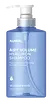
Water, Disodium Laureth Sulfosuccinate, Glycerin, Lauryl Betaine, Cocamide Mipa, Sodium Chloride, Citric Acid, Polyquaternium-10, Hydroxyacetophenone, Caprylyl Glycol, Disodium EDTA, Sea Water, Butylene Glycol, Dipropylene Glycol, 1,2-Hexanediol, Panthenol, Undaria Pinnatifida Extract, Laminaria Japonica Extract, Hydrogenated Lecithin, Sorbitan Olivate, Cetearyl Olivate, Hizikia Fusiforme Extract, Sodium Hyaluronate, Gluconolactone, Capryloyl Salicylic Acid, Biotin, Ecklonia Cava Extract, Codium Fragile Extract, Sargassum Fulvellum Extract, Gelidium Cartilagineum Extract, Hydrolyzed Soy Protein, Hydrolyzed Rice Protein, Hydrolyzed Pea Protein, Hydrolyzed Hazelnut Protein, Hydrolyzed Barley Protein, Hydroxypropyltrimonium Hyaluronate, Sodium Acetylated Hyaluronate, Hydrolyzed Hyaluronic Acid, Hyaluronic Acid, Glycine, Sodium Hyaluronate Crosspolymer, Hydrolyzed Sodium Hyaluronate, Glutamic Acid, Arginine, Potassium Hyaluronate, Parfum, Limonene, Linalool
Reviews
Ingredients Explained
These ingredients are found in both products.
Ingredients higher up in an ingredient list are typically present in a larger amount.
1,2-Hexanediol is a synthetic liquid and another multi-functional powerhouse.
It is a:
- Humectant, drawing moisture into the skin
- Emollient, helping to soften skin
- Solvent, dispersing and stabilizing formulas
- Preservative booster, enhancing the antimicrobial activity of other preservatives
Arginine is a semi-essential amino acid. This just means our bodies can product a bit on its own, but sometimes needs a little boost from food sources.
It is a part of your skin's natural moisturizing factor (NMF), or the water-loving molecules in your outermost layer of skin (stratum corneum) that keeps everything hydrated and happy.
Here's an interesting thing about Arginine: your skin converts it into urea through the Krebs-Henseleit urea cycle. Urea is one of the most effective humectants your skin naturally produces.
A clinical study showed applying 2.5% arginine hydrochloride to atopic dermatitis skin showed significant urea levels in the stratum corneum and improved moisture in just four weeks.
Arginine is also a precursor to nitric oxide; nitric oxide improves microcirculation and supports wound healing and collagen synthesis.
One study found that an amino acid complex containing Arginine reduced skin irritation, improved hydration, and accelerated skin repair in clinical / in-vivo studies.
Arginine itself is an amino acid and not a fatty acid, oil, or ester. On its own, it's not a direct food source for Malassezia, or the yeast that causes fungal acne.
Learn more about ArginineBiotin is a B vitamin that is naturally produced by our bodies. It is also called Vitamin H.
Our bodies use biotin in the metabolism process. It also helps our bodies use enzymes and move nutrients around. A biotin deficiency can lead to brittle hair and nails.
More research is needed on applying biotin topically. However, taking biotin orally has been shown to help nourish the skin, hair, and nails. They play a role in forming skin-hydrating fatty acids.
Biotin is water-soluble. It can be found in foods such as fish, eggs, dairy, nuts, and meat. Vitamin H stands for "haar" and "haut". These are the German words for hair and skin.
Learn more about BiotinButylene Glycol (or BG) is used within cosmetic products for a few different reasons:
Overall, Butylene Glycol is a safe and well-rounded ingredient that works well with other ingredients.
Though this ingredient works well with most skin types, some people with sensitive skin may experience a reaction such as allergic rashes, closed comedones, or itchiness.
Learn more about Butylene GlycolCaprylyl Glycol is a humectant, skin conditioner, emollient, and preservative booster derived from either caprylic acid or synthetically created.
Typical use levels vary from 0.3-1% as a preservative booster and go up to 2% to condition skin.
Because it is not a free-fatty acid, this ingredient is fungal acne safe (there's nothing for Malassezia to feed on).
Learn more about Caprylyl GlycolCitric Acid is an alpha hydroxy acid (AHA) naturally found in citrus fruits like oranges, lemons, and limes.
Like other AHAs, citric acid can exfoliate skin by breaking down the bonds that hold dead skin cells together. This helps reveal smoother and brighter skin underneath.
However, this exfoliating effect only happens at high concentrations (20%) which can be hard to find in cosmetic products.
Due to this, citric acid is usually included in small amounts as a pH adjuster. This helps keep products slightly more acidic and compatible with skin's natural pH.
In skincare formulas, citric acid can:
While it can provide some skin benefits, research shows lactic acid and glycolic acid are generally more effective and less irritating exfoliants.
Most citric acid used in skincare today is made by fermenting sugars (usually from molasses). This synthetic version is identical to the natural citrus form but easier to stabilize and use in formulations.
Rosacea skin has a lower threshold for acids generally, with 62.5% of rosacea subjects in one study reacting to lactic acid in a sting test. This is why we mark citric acid as a potential rosacea trigger.
However, this ingredient shows up as a pH adjuster or chelator at roughly 0.1-1% in many products. These low levels are unlikely to be an issue for rosacea skin and becomes a potential trigger at exfoliating concentrations (20%). Because everybody's skin is unique, we recommend a patch test if you are unsure.
Learn more about Citric AcidThis ingredient is a cleansing agent, surfactant, and foam booster. It considered an alternative to traditional sulfates (Sulfosuccinate) and is allowed in "sulfate-free" products.
According to a manufacturer, this ingredient is mild and can be used in baby and bath options.
Glutamic Acid is an amino acid that is found in all living organisms. Our bodies use this to help nerve cells in the brain communicate with other cells.
In cosmetics, glutamic acid is a famous humectant. It draws water from the air to your skin, keeping your skin hydrated (like hyaluronic acid).
An in-vitro study from 2024 found glutamic acid to play a role in inhibiting inflammation and thus a potential skin-soothing ingredient.
Other studies show it to be have potential wound healing, skin barrier repair, and hair growth properties.
Glutamic acid has poor solubility in water and other solvents.
Learn more about Glutamic AcidGlycerin (or glycerol) is a compound naturally found in your skin. It's a powerhouse humectant that pulls water into the stratum corneum.
Topically, glycerin does several things at once:
Your skin makes glycerin on its own (mostly from sebaceous oil breakdown) and shuttles it to your outermost layer of skin, or your epidermis, via aquaporin-3.
Aquaporin-3 is a transporter that is essential for normal skin hydration, elasticity, and repair. Interestingly, mice lacking in AQP3 have dry and less elastic skin that can be fully corrected with glycerin.
This ingredient is non-irritating, plays well with almost every ingredient, and works across all skin types. Typical use is anywhere between 3-10% but can go up to 79% in some leave-on products.
Just know very high concentrations (>40%) can feel tacky in low humidity.
Glycerin is the name for this ingredient in American English. British English uses Glycerol/Glycerine.
Learn more about GlycerinGlycine is the smallest amino acid and a key building block of collagen. It's part if your skin's Natural Moisturizing Factor (NMF), or the water-loving molecules in your outermost layer of skin (stratum corneum) that keeps everything hydrated and happy.
A study from 2022 found that an amino acid complex featuring taurine, arginine, and glycine significantly reduced skin irritation, improved redness, and accelerated the skin repair process.
Hyaluronic acid (HA) is a glycosaminoglycan (basically a long sugar chain) that your skin already makes on its own. In your skin, HA lives in the extracellular matrix and acts as the body's moisture reservoir.
Topically, HA is a humectant that binds water and helps skin look more plump, smooth, and hydrated.
The only catch is that HA isn't a single thing; it actually comes in a wide range of molecular weights (~50 - 2,000+ kDA) and size matters.
Some clinical evidence links low molecular weight versions to improved wrinkle depth, elasticity, anti-inflammatory effects, and barrier repair.
This is why the best HA serums blend the two sizes together so you get the best of both worlds.
The majority of cosmetic HA is produced by bacterial fermentation, typically using Streptococcus or Bacillus strains. Typical use levels in skincare sit around 0.1-2%.
A clinical study using a 0.2% low-molecular weight HA gel showed improvement in facial seborrheic dermatitis with excellent tolerance.
These are some other common types of Hyaluronic Acid:
Learn more about Hyaluronic AcidHydrogenated Lecithin is a more stable version of lecithin.
It's made by taking lecithin (a phospholipid commonly found in soybeans and egg yolks) and hydrogenating it. This just means the unsaturated fatty acids are turned into saturated ones so they don't go bad as easily.
This ingredient is an emollient, emulsifier, and penetration enhancer. As an emollient, it helps soften and hydrate skin by trapping moisture within. As an emulsifier, it prevents oil and water ingredients from separating.
Hydrogenated Lecithin can form tiny spherical structures made of phospholipid bilayers called liposomes. These liposomes are able to capture compounds inside their structure and deliver them through the skin barrier.
Because phospholipids are a natural component of our cell membranes, this ingredient is inherently compatible with skin.
A 2021 study found lecithin-based surfactants were less harsh and more tolerable comared to Sodium Lauryl Sulfate (SLS).
Learn more about Hydrogenated LecithinLimonene is the compound that gives citrus peel its smell.
In skincare, it shows up as a standalone fragrance ingredient or as a natural compound of citrus and other essential oils.
You'll typically see this ingredient used in very small amounts; anything above 0.001% in a leave-on product or 0.01% in a rinse-off has to be named on the label in the EU. The citrus oils that carry it sit around 0.5-1% in a finished formula.
Fresh limonene is a weak allergen; the real issue is that it slowly reacts with air and then breaks down from oxidation to create hydroperoxides (which are strong sensitizers). This is why suppliers are required to keep the peroxide value below 20 mmol.
Positive reactions in people being investigated for eczema vary:
It's worth skipping if you have a known fragrance allergy or a compromised barrier, but the risk is low for most people.
Older or long-opened products are also more likely to bother you than fresh ones due to oxidation.
Learn more about LimoneneLinalool is a small, naturally occurring scent molecule found in plants like lavender, coriander, bergamot, and more.
It is one of the two most-used fragrance ingredients in cosmetics and added purely for smell. Since it's not used for a skin benefit, there's no "effective dose". Concentration depends on the fragrance load of the product.
The EU requires it to be named on the label above 0.001% in leave-on and 0.01% in rinse-off products.
Fresh linalool is a weak sensitizer but air exposure turns some of it into hydroperoxides, which are strong sensitizers. Those oxidation products are the actual allergy concern.
Patch-test clinics see positive reactions to linalool hydroperoxides in about 4% to 12% of dermatitis patients depending on country and test concentration.
Resassuringly, one analytical study found hydroperoxide levels in real fragranced products to be orders of magnitude below what induced sensitization in animal studies with no evidence of oxidation building up during normal storage.
The practical takeaway is that linalool is fine for most people but worth avoiding if you have a confirmed fragrance contact allergy or a badly compromised barrier.
Products stored a long time after opening are also the high-risk scenario since that is when oxidation happens.
The scent of linalool is described as floral, spicy tropical, and citrus-like.
Learn more about LinaloolPanthenol is a common ingredient that helps hydrate and soothe the skin. It is found naturally in our skin and hair.
There are two forms of panthenol: D and L.
D-panthenol is also known as dexpanthenol. Most cosmetics use dexpanthenol or a mixture of D and L-panthenol.
Panthenol is famous due to its ability to go deeper into the skin's layers. Using this ingredient has numerous pros (and no cons):
Like hyaluronic acid, panthenol is a humectant. Humectants are able to bind and hold large amounts of water to keep skin hydrated.
This ingredient works well for wound healing. It works by increasing tissue in the wound and helps close open wounds.
Once oxidized, panthenol converts to pantothenic acid. Panthothenic acid is found in all living cells.
This ingredient is also referred to as pro-vitamin B5.
Learn more about PanthenolParfum is a catch-all term for an ingredient or more that is used to give a scent to products.
Also called "fragrance", this ingredient can be a blend of hundreds of chemicals or plant oils. This means every product with "fragrance" or "parfum" in the ingredients list is a different mixture.
For instance, Habanolide is a proprietary trade name for a specific aroma chemical. When used as a fragrance ingredient in cosmetics, most aroma chemicals fall under the broad labeling category of “FRAGRANCE” or “PARFUM” according to EU and US regulations.
The term 'parfum' or 'fragrance' is not regulated in many countries. In many cases, it is up to the brand to define this term.
For instance, many brands choose to label themselves as "fragrance-free" because they are not using synthetic fragrances. However, their products may still contain ingredients such as essential oils that are considered a fragrance by INCI standards.
One example is Calendula flower extract. Calendula is an essential oil that still imparts a scent or 'fragrance'.
Depending on the blend, the ingredients in the mixture can cause allergies and sensitivities on the skin. Some ingredients that are known EU allergens include linalool and citronellol.
Parfum can also be used to mask or cover an unpleasant scent.
The bottom line is: not all fragrances/parfum/ingredients are created equally. If you are worried about fragrances, we recommend taking a closer look at an ingredient. And of course, we always recommend speaking with a professional.
Learn more about ParfumChances are, you eat sodium chloride every day. Sodium Chloride is also known as table salt. This ingredient has many purposes in skincare: thickener, emulsifier, and exfoliator.
You'll most likely find this ingredient in cleansers where it is used to create a gel-like texture. As an emulsifier, it also prevents ingredients from separating.
You might see people debate whether Sodium Chloride is comedogenic, but there actually haven't been any comedogenic tests done on it. Either way, the overall formulation of a product matters a lot more than any single ingredient.
You might see this ingredient used in scrubs as a primary exfoliating ingredient.
Learn more about Sodium ChlorideWater. It's the most common cosmetic ingredient of all. You'll usually see it at the top of ingredient lists, meaning that it makes up the largest part of the product.
So why is it so popular? Water most often acts as a solvent - this means that it helps dissolve other ingredients into the formulation.
You'll also recognize water as that liquid we all need to stay alive. If you see this, drink a glass of water. Remember to stay hydrated!
Learn more about Water

