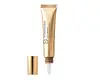
This barrier-repair eye moisturizer is formulated around Ectoin and Palmitoyl Tetrapeptide-7 to strengthen the skin barrier and soften the look of wrinkles.
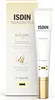
This brightening eye moisturizer is formulated around Hesperidin Methyl Chalcone and Palmitoyl Tetrapeptide-7 to fade the look of dark spots and soften the look of wrinkles.


What's inside
What's inside
 Key Ingredients
Benefits
Concerns
Ingredients Side-by-side
Water
Skin ConditioningEthylhexyl Palmitate
Emollient




Isopropyl Palmitate
Emollient
Glycerin
Humectant


Caprylic/Capric Triglyceride
Masking
Butyrospermum Parkii Butter
Skin Conditioning
Propanediol
Solvent
Glyceryl Stearate Se
Emulsifying
Cetearyl Alcohol
Emollient
Sodium Hyaluronate
Humectant


Ectoin
Skin Conditioning

Sodium Hyaluronate Crosspolymer
Humectant
Palmitoyl Tetrapeptide-7
Skin Conditioning

Palmitoyl Tripeptide-1
Skin Conditioning
Heptapeptide-6
Skin Conditioning
Sodium Acetylated Hyaluronate
Humectant
Hydrolyzed Sodium Hyaluronate
Skin Conditioning
Resveratrol
Antioxidant

Linolenic Acid
Cleansing


Linoleic Acid
Cleansing
Ceramide NP
Skin Conditioning
Ceramide AP
Skin Conditioning
Ceramide EOP
Skin Conditioning
Phytosphingosine
Skin Conditioning
Phospholipids
Skin Conditioning
Leontopodium Alpinum Callus Culture Extract
Antioxidant
Simmondsia Chinensis Seed Oil
Emollient
Avena Sativa Kernel Oil
Skin Conditioning
Squalane
Emollient
Saccharide Isomerate
Humectant
Adenosine
Skin Conditioning
Dimethyl Isosorbide
SolventEthylhexylglycerin
Skin ConditioningPentylene Glycol
Skin Conditioning
Butylene Glycol
Humectant
Cetearyl Glucoside
Emulsifying
Sodium Stearoyl Glutamate
CleansingGlyceryl Undecylenate
Emollient
Glyceryl Caprylate
EmollientCaprylyl Glycol
Emollient
Cholesterol
Emollient
Carbomer
Emulsion StabilisingCoco-Glucoside
Cleansing
Sodium Lauroyl Lactylate
EmulsifyingAmmonium Acryloyldimethyltaurate/Vp Copolymer
Sodium Lactate
Buffering
Hydroxyapatite
Abrasive

Sodium Hydroxide
BufferingSodium Polyacrylate
Absorbent
Xanthan Gum
EmulsifyingChlorphenesin
Antimicrobial
Sodium Citrate
BufferingCitric Acid
Buffering
Sodium Gluconate
ChelatingPhenoxyethanol
Preservative
Water, Ethylhexyl Palmitate, Isopropyl Palmitate, Glycerin, Caprylic/Capric Triglyceride, Butyrospermum Parkii Butter, Propanediol, Glyceryl Stearate Se, Cetearyl Alcohol, Sodium Hyaluronate, Ectoin, Sodium Hyaluronate Crosspolymer, Palmitoyl Tetrapeptide-7, Palmitoyl Tripeptide-1, Heptapeptide-6, Sodium Acetylated Hyaluronate, Hydrolyzed Sodium Hyaluronate, Resveratrol, Linolenic Acid, Linoleic Acid, Ceramide NP, Ceramide AP, Ceramide EOP, Phytosphingosine, Phospholipids, Leontopodium Alpinum Callus Culture Extract, Simmondsia Chinensis Seed Oil, Avena Sativa Kernel Oil, Squalane, Saccharide Isomerate, Adenosine, Dimethyl Isosorbide, Ethylhexylglycerin, Pentylene Glycol, Butylene Glycol, Cetearyl Glucoside, Sodium Stearoyl Glutamate, Glyceryl Undecylenate, Glyceryl Caprylate, Caprylyl Glycol, Cholesterol, Carbomer, Coco-Glucoside, Sodium Lauroyl Lactylate, Ammonium Acryloyldimethyltaurate/Vp Copolymer, Sodium Lactate, Hydroxyapatite, Sodium Hydroxide, Sodium Polyacrylate, Xanthan Gum, Chlorphenesin, Sodium Citrate, Citric Acid, Sodium Gluconate, Phenoxyethanol
Water
Skin ConditioningGlycerin
Humectant
Isohexadecane
EmollientIsopropyl Myristate
Emollient
PPG-15 Stearyl Ether
EmollientPEG-30 Dipolyhydroxystearate
Emulsifying
Phytonadione Epoxide
AstringentMagnesium Sulfate
Phenoxyethanol
Preservative
Parfum
Masking
Cera Microcristallina
Emulsion StabilisingCI 77891
Cosmetic ColorantSodium Dextran Sulfate
Gel FormingAcrylates/C12-22 Alkyl Methacrylate Copolymer
Steareth-20
CleansingHesperidin Methyl Chalcone
Antioxidant
Disodium EDTA
ChelatingHydrolyzed Hyaluronic Acid
Humectant
Ethylhexylglycerin
Skin ConditioningPEG-8
HumectantPentylene Glycol
Skin Conditioning
Tocopherol
Antioxidant
Chlorhexidine Digluconate
Antimicrobial
N-Hydroxysuccinimide
Skin ConditioningBHT
Antioxidant
Potassium Sorbate
Preservative
Dipeptide-2
Skin Conditioning
Ascorbyl Palmitate
Antioxidant
Palmitoyl Tetrapeptide-7
Skin Conditioning
Citric Acid
Buffering
Ascorbic Acid
Antioxidant
Chrysin
Skin ConditioningPalmitoyl Tripeptide-1
Skin Conditioning
Sodium Citrate
BufferingBiotin
AntiseborrhoeicWater, Glycerin, Isohexadecane, Isopropyl Myristate, PPG-15 Stearyl Ether, PEG-30 Dipolyhydroxystearate, Phytonadione Epoxide, Magnesium Sulfate, Phenoxyethanol, Parfum, Cera Microcristallina, CI 77891, Sodium Dextran Sulfate, Acrylates/C12-22 Alkyl Methacrylate Copolymer, Steareth-20, Hesperidin Methyl Chalcone, Disodium EDTA, Hydrolyzed Hyaluronic Acid, Ethylhexylglycerin, PEG-8, Pentylene Glycol, Tocopherol, Chlorhexidine Digluconate, N-Hydroxysuccinimide, BHT, Potassium Sorbate, Dipeptide-2, Ascorbyl Palmitate, Palmitoyl Tetrapeptide-7, Citric Acid, Ascorbic Acid, Chrysin, Palmitoyl Tripeptide-1, Sodium Citrate, Biotin
Reviews
Ingredients Explained
These ingredients are found in both products.
Ingredients higher up in an ingredient list are typically present in a larger amount.
Citric Acid is an alpha hydroxy acid (AHA) naturally found in citrus fruits like oranges, lemons, and limes.
Like other AHAs, citric acid can exfoliate skin by breaking down the bonds that hold dead skin cells together. This helps reveal smoother and brighter skin underneath.
However, this exfoliating effect only happens at high concentrations (20%) which can be hard to find in cosmetic products.
Due to this, citric acid is usually included in small amounts as a pH adjuster. This helps keep products slightly more acidic and compatible with skin's natural pH.
In skincare formulas, citric acid can:
While it can provide some skin benefits, research shows lactic acid and glycolic acid are generally more effective and less irritating exfoliants.
Most citric acid used in skincare today is made by fermenting sugars (usually from molasses). This synthetic version is identical to the natural citrus form but easier to stabilize and use in formulations.
Rosacea skin has a lower threshold for acids generally, with 62.5% of rosacea subjects in one study reacting to lactic acid in a sting test. This is why we mark citric acid as a potential rosacea trigger.
However, this ingredient shows up as a pH adjuster or chelator at roughly 0.1-1% in many products. These low levels are unlikely to be an issue for rosacea skin and becomes a potential trigger at exfoliating concentrations (20%). Because everybody's skin is unique, we recommend a patch test if you are unsure.
Learn more about Citric AcidEthylhexylglycerin is created from glycerin. It is a multitasker ingredient that:
The CIR Expert Panel found minimal skin absorption or sensitization of any kind in a safety assessment. Though this ingredient is considered well-tolerated, a small number of cases of allergic dermatitis have been published since 2002. Just be sure to patch test if you are unsure.
Industry-reported use ranges from 8% in rinse-off products and 2% in leave-on formulations.
Learn more about EthylhexylglycerinGlycerin (or glycerol) is a compound naturally found in your skin. It's a powerhouse humectant that pulls water into the stratum corneum.
Topically, glycerin does several things at once:
Your skin makes glycerin on its own (mostly from sebaceous oil breakdown) and shuttles it to your outermost layer of skin, or your epidermis, via aquaporin-3.
Aquaporin-3 is a transporter that is essential for normal skin hydration, elasticity, and repair. Interestingly, mice lacking in AQP3 have dry and less elastic skin that can be fully corrected with glycerin.
This ingredient is non-irritating, plays well with almost every ingredient, and works across all skin types. Typical use is anywhere between 3-10% but can go up to 79% in some leave-on products.
Just know very high concentrations (>40%) can feel tacky in low humidity.
Glycerin is the name for this ingredient in American English. British English uses Glycerol/Glycerine.
Learn more about GlycerinPalmitoyl Tetrapeptide-7 (formerly Palmitoyl Tetrapeptide-3) is a synthetic peptide. Its main job is to fight what researchers call "inflammaging".
"Inflammaging" is the slow, low-grade chronic inflammation that quietly breaks down collagen as we age.
This ingredient calms down a specific inflammation signal in your skin cells (called IL-6). When left unchecked, this signal triggers enzymes that break down collagen and elastin.
Clinical testing showed statistically significant improvements in:
Studies also found the more of this ingredient used, the more your skin produces Collagen I, fibronectin, and hyaluronic acid.
You'll likely see this ingredient paired with Palmitoyl Tripeptide-1 in the well-known Matrixyl 3000 complex for enhanced anti-aging effects.
A 3% concentration applied twice daily for two months showed meaningful skin rejuvenation results in clinical panels.
Fungal acne note:
Usually a palmitic acid component can feed Malassezia in unbound form, but here is is covalently bonded to the peptide. This means it is very difficult for Malassezia to access, and therefore very unlikely to cause fungal acne.
Palmitoyl Tripeptide-1 (aka Pal-GHK) is a synthetic signal peptide made of three amino acids attached to palmitic acid.
That fatty acid attachment is the key: it boosts the peptide's ability to penetrate the skin barrier. This puts it closer to the dermal cells where it can actually make a difference.
Once there, it acts as a matrikine, a signaling peptide that prompts fibroblasts to produce more collagen, fibronectin, and hyaluronic acid.
In vitro studies show it can boost collagen production in skin cells even when UV-damaged skin samples were treated with it at a tiny concentration (it almost fully restored dermal collagen at 5ppm). It achieved this at 100x lower concentration than retinoic acid, which needed 500 ppm to do the same thing.
Human clinical data is promising, but modest:
A study of 23 female volunteers found a small but statistically significant increase (~4%) in skin thickness after treatment at 4 ppm.
A separate small trial of 15 women showed statistically significant reductions in wrinkle length, depth, and skin roughness after applying it twice daily for four weeks.
You'll likely see Pal-GHK paired with Palmitoyl Tetrapeptide-7 as part of the Matrixyl 3000 complex.
Fungal acne note:
Usually a palmitic acid component can feed Malassezia in unbound form, but here is is covalently bonded to the peptide. This means it is very difficult for Malassezia to access, and therefore very unlikely to cause fungal acne.
Pentylene Glycol (1,2-pentanediol) is a multitasking little diol with three main roles in a formula:
Research on alkanediols (the family pentylene glycol belongs to) show they work by disrupting microbial cell membranes. This disruption helps the primary preservative system in a product work more effectively at lower doses.
On the safety side, the Cosmetic Ingredient Review Expert Panel has concluded this ingredient to be safe as used in current cosmetic practices + concentrations.
Typical use levels in a formula run about 1-5%.
Learn more about Pentylene GlycolPhenoxyethanol is one of the most widely used preservatives in skincare (and for good reason!).
It has a large spectrum of antimicrobial activity and especially effective bacteria, yeast, and mold while only having a weak effect on your skin's natural microbiome.
On a cellular level, it disrupts the cell membranes of microbes by poking holes that make the cell leak. This shuts down the chemical reactions the microbe needs to make energy so it can no longer survive.
Another perk of this ingredient is that it stays functional across a wide pH range (3-10).
You'll often see it paired with boosters like Ethylhexylglycerin; one study showed that a 1:9 ratio of Ethylhexylglycerin to Phenoxyethanol damages bacterial membranes as effectively as doubling the Phenoxyethanol concentration on its own.
Typical use concentrations range from 0.3-1% depending on the formula, and this ingredient is capped at 1% int the EU.
Safety-wise, the fear mongering does not hold up to the evidence. The EU's Scientific Committee on Consumer Safety and FDA consider it safe as a preservative at up to 1%, including for children of all ages.
Adverse systemic effects only showed up in animal studies at exposures roughly 200x higher than what people get from cosmetics. And despite its very widespread use, this ingredient is a rare sensitizer and allergic reactions are uncommon.
Learn more about PhenoxyethanolSodium Citrate is the sodium salts of citric acid. In skincare, it is used to alter pH levels and acts as a preservative.
Its main functions are to maintain the pH of a product and neutralize metal ions.
The acidity of our skin is maintained by our glands and skin biome; normal pH level of skin is slightly acidic (~4.75-5.5).
Being slightly acidic allows our skin to create an "acid mantle". This acid mantle is a thin barrier that protects our skin from bacteria and contaminants.
Learn more about Sodium CitrateWater. It's the most common cosmetic ingredient of all. You'll usually see it at the top of ingredient lists, meaning that it makes up the largest part of the product.
So why is it so popular? Water most often acts as a solvent - this means that it helps dissolve other ingredients into the formulation.
You'll also recognize water as that liquid we all need to stay alive. If you see this, drink a glass of water. Remember to stay hydrated!
Learn more about Water

