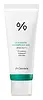
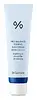
Dr.Ceuracle Cica Regen Waterproof Sun SPF50+ PA++++ Versus Dr.Ceuracle Pro Balance Toning Sun Cream SPF 50+ PA++++
This chemical sunscreen covers the full UV range and blocks ~98% of UVB at SPF 50.
This hybrid sunscreen covers the full UV range and blocks ~98% of UVB at SPF 50.

What's inside
What's inside
 Key Ingredients
Benefits
Concerns
Ingredients Side-by-side
Water
Skin ConditioningDibutyl Adipate
EmollientPropanediol
Solvent

Ethylhexyl Triazone
UV Absorber
Polymethylsilsesquioxane

Diethylamino Hydroxybenzoyl Hexyl Benzoate
UV Filter
Methylene Bis-Benzotriazolyl Tetramethylbutylphenol
UV Filter
Niacinamide
Smoothing










Drometrizole Trisiloxane
UV Absorber
Coco-Caprylate/Caprate
Emollient
Caprylyl Methicone
Skin Conditioning
Glycerin
Humectant
Butylene Glycol
Humectant
Pentylene Glycol
Skin Conditioning
Behenyl Alcohol
Emollient
Poly C10-30 Alkyl Acrylate
Emulsion StabilisingVp/Eicosene Copolymer
Polyglyceryl-3 Methylglucose Distearate
Emulsifying

Decyl Glucoside
Cleansing
Tromethamine
BufferingCarbomer
Emulsion StabilisingAcrylates/C10-30 Alkyl Acrylate Crosspolymer
Emulsion StabilisingSodium Stearoyl Glutamate
CleansingPolyacrylate Crosspolymer-6
Emulsion StabilisingEthylhexylglycerin
Skin ConditioningAdenosine
Skin Conditioning
Dioscorea Japonica Root Extract
Skin Conditioning
Viola Mandshurica Flower Extract
Antioxidant
Laminaria Japonica Extract
Skin Protecting
Ulmus Davidiana Root Extract
Skin Conditioning
Aloe Barbadensis Leaf Extract
Emollient
Xanthan Gum
EmulsifyingT-Butyl Alcohol
Perfuming




Inositol
Humectant
Tocopherol
Antioxidant
Panthenol
Skin Conditioning
Sodium Hyaluronate
Humectant
Hydrolyzed Hyaluronic Acid
Humectant
Caprylic/Capric Triglyceride
Masking
Glyceryl Glucoside
Humectant
Saccharide Isomerate
Humectant
Dipropylene Glycol
HumectantSalicornia Herbacea Extract
Skin ConditioningAdansonia Digitata Fruit Extract
EmollientBambusa Vulgaris Water
Skin ConditioningBambusa Vulgaris Shoot Extract
Antioxidant
Bambusa Vulgaris Leaf/Stem Extract
HumectantCentella Asiatica Extract
Cleansing
Hibiscus Esculentus Fruit Extract
Skin ConditioningAngelica Keiskei Extract
Antioxidant
Corchorus Olitorius Leaf Extract
Skin ConditioningNelumbo Nucifera Root Extract
Skin ConditioningAnastatica Hierochuntica Extract
AstringentTremella Fuciformis Polysaccharide
Emulsion Stabilising
Mentha Aquatica Extract
TonicCitric Acid
Buffering
Sodium Citrate
BufferingWater, Dibutyl Adipate, Propanediol, Ethylhexyl Triazone, Polymethylsilsesquioxane, Diethylamino Hydroxybenzoyl Hexyl Benzoate, Methylene Bis-Benzotriazolyl Tetramethylbutylphenol, Niacinamide, Drometrizole Trisiloxane, Coco-Caprylate/Caprate, Caprylyl Methicone, Glycerin, Butylene Glycol, Pentylene Glycol, Behenyl Alcohol, Poly C10-30 Alkyl Acrylate, Vp/Eicosene Copolymer, Polyglyceryl-3 Methylglucose Distearate, Decyl Glucoside, Tromethamine, Carbomer, Acrylates/C10-30 Alkyl Acrylate Crosspolymer, Sodium Stearoyl Glutamate, Polyacrylate Crosspolymer-6, Ethylhexylglycerin, Adenosine, Dioscorea Japonica Root Extract, Viola Mandshurica Flower Extract, Laminaria Japonica Extract, Ulmus Davidiana Root Extract, Aloe Barbadensis Leaf Extract, Xanthan Gum, T-Butyl Alcohol, Inositol, Tocopherol, Panthenol, Sodium Hyaluronate, Hydrolyzed Hyaluronic Acid, Caprylic/Capric Triglyceride, Glyceryl Glucoside, Saccharide Isomerate, Dipropylene Glycol, Salicornia Herbacea Extract, Adansonia Digitata Fruit Extract, Bambusa Vulgaris Water, Bambusa Vulgaris Shoot Extract, Bambusa Vulgaris Leaf/Stem Extract, Centella Asiatica Extract, Hibiscus Esculentus Fruit Extract, Angelica Keiskei Extract, Corchorus Olitorius Leaf Extract, Nelumbo Nucifera Root Extract, Anastatica Hierochuntica Extract, Tremella Fuciformis Polysaccharide, Mentha Aquatica Extract, Citric Acid, Sodium Citrate
Water
Skin ConditioningTitanium Dioxide
Cosmetic Colorant
C12-15 Alkyl Benzoate
AntimicrobialButylene Glycol
Humectant
Butyloctyl Salicylate
Skin Conditioning
Niacinamide
Smoothing
Caprylyl Methicone
Skin Conditioning
Phenyl Trimethicone
Skin Conditioning
Propanediol
Solvent
1,2-Hexanediol
Skin Conditioning
Polymethylsilsesquioxane
Dicaprylyl Carbonate
EmollientAluminum Stearate
Cosmetic ColorantPolyhydroxystearic Acid
Emulsifying
Coco-Caprylate/Caprate
Emollient
Pentylene Glycol
Skin Conditioning
Caprylic/Capric Triglyceride
Masking
Alumina
Abrasive
Ammonium Acryloyldimethyltaurate/Vp Copolymer
Sodium Stearoyl Glutamate
CleansingPolyacrylate Crosspolymer-6
Emulsion StabilisingHydroxypropyl Methylcellulose Stearoxy Ether
Ethylhexylglycerin
Skin ConditioningCI 77492
Cosmetic ColorantTriethoxycaprylylsilane
Citrus Aurantium Dulcis Oil
Masking
Xanthan Gum
EmulsifyingStearic Acid
Cleansing
Adenosine
Skin Conditioning
CI 77491
Cosmetic ColorantCitrus Nobilis Peel Oil
Masking
Litsea Cubeba Fruit Oil
Masking

CI 77499
Cosmetic ColorantT-Butyl Alcohol
Perfuming
Tocopherol
Antioxidant
Lactobacillus Ferment
Skin Conditioning
Glycerin
Humectant
Lactobacillus Ferment Lysate
Skin Conditioning
Lactococcus Ferment Lysate
Skin Conditioning
Bifida Ferment Filtrate
Skin Conditioning
Bifida Ferment Lysate
Skin Conditioning
Saccharomyces Ferment Filtrate
Humectant
Theanine
EmollientGlutathione
Milk Lipids
Skin Conditioning
Water, Titanium Dioxide, C12-15 Alkyl Benzoate, Butylene Glycol, Butyloctyl Salicylate, Niacinamide, Caprylyl Methicone, Phenyl Trimethicone, Propanediol, 1,2-Hexanediol, Polymethylsilsesquioxane, Dicaprylyl Carbonate, Aluminum Stearate, Polyhydroxystearic Acid, Coco-Caprylate/Caprate, Pentylene Glycol, Caprylic/Capric Triglyceride, Alumina, Ammonium Acryloyldimethyltaurate/Vp Copolymer, Sodium Stearoyl Glutamate, Polyacrylate Crosspolymer-6, Hydroxypropyl Methylcellulose Stearoxy Ether, Ethylhexylglycerin, CI 77492, Triethoxycaprylylsilane, Citrus Aurantium Dulcis Oil, Xanthan Gum, Stearic Acid, Adenosine, CI 77491, Citrus Nobilis Peel Oil, Litsea Cubeba Fruit Oil, CI 77499, T-Butyl Alcohol, Tocopherol, Lactobacillus Ferment, Glycerin, Lactobacillus Ferment Lysate, Lactococcus Ferment Lysate, Bifida Ferment Filtrate, Bifida Ferment Lysate, Saccharomyces Ferment Filtrate, Theanine, Glutathione, Milk Lipids
Reviews
Ingredients Explained
These ingredients are found in both products.
Ingredients higher up in an ingredient list are typically present in a larger amount.
Adenosine is a purine nucleoside that your body already makes in every cell. In skincare, it acts mainly as a skin conditioning and anti-aging agent.
The way it works is fairly well mapped out:
Your skin has cells called fibroblasts that build collagen (the stuff that keeps skin firm and smooth). Adenosine basically flips a switch on these cells that tells them to get to work making more collagen and other proteins. These cells slow down on their own as skin ages, so Adenosine helps give them a little nudge to keep going.
The clinical backing is pretty solid too.
A blind, randomized, placebo-controlled trial of 126 women aged 45-65 tested a 0.1% cream twice daily and found real improvements in crow's feet and frown lines using a precise 3D skin-mapping technique; these changes showed up by week 3 and held at 2 months.
A later study using Adenosine-loaded dissolving microneedle patches reported gains in wrinkle depth, dermal density, elasticity, and hydration.
On concentrations, South Korea's Ministry of Food and Drug Safety has set 0.04% as the approved functional anti-wrinkle level. You'll typically see this ingredient used somewhere in the 0.04-0.1% range since it works at low doses.
This ingredient has been found safe for cosmetics with the data showing no irritation or sensitization.
Overall, this is a great ingredient for any anti-aging routine and has no photosensitizing effect, so it suits both AM and PM use.
Learn more about AdenosineButylene Glycol (or BG) is used within cosmetic products for a few different reasons:
Overall, Butylene Glycol is a safe and well-rounded ingredient that works well with other ingredients.
Though this ingredient works well with most skin types, some people with sensitive skin may experience a reaction such as allergic rashes, closed comedones, or itchiness.
Learn more about Butylene GlycolCaprylic/Capric Triglyceride (aka MCT Oil) is a lightweight emollient, solvent, and texture enhancer. It is considered a skin-softener by helping to prevent moisture loss.
Though it behaves like an oil, it is not technically one due to its chemical composition. One perk of this ingredient is that it is very stable, resistant to oxidation, and unlikely to go rancid.
In practice, that translates to a long shelf life and a consistently elegant skin feel.
While there is an assumption Caprylic Triglyceride can clog pores due to it being derived from coconut oil, there is no research supporting this. Just patch test if you have concerns.
Fractionated coconut oil and MCT Oil are both listed as Caprylic/Capric Triglyceride according to INCI. This is because INCI names are based on the ingredient’s final chemical composition and not its marketing name or source.
This ingredient is treated as the gold standard fungal acne safe oil. Even though it is coconut derived, the problematic lauric acid is stripped out.
This leaves just caprylic (C8) and capric (C10) acid. These chain lengths actually trend antifungal; a 2020 study found caprylic acid was enough to disrupt Malassezia furfur cell membrane, with a caprylic acid derivative damaging membrane structures at concentrations as low as 0.2%.
Learn more about Caprylic/Capric TriglycerideCaprylyl Methicone is a synthetic and lightweight silicone fluid. It gives products a silky, dry-touch finish without the heaviness of pure oils.
Though the EU CosIng Database lists this ingredient as a skin conditioner, it is also used for sensory reasons. It spreads easily, cuts greasiness, and reduces tackiness.
This ingredient is volatile which means it will mostly evaporate (but it evaporates slower than older cyclomethicones, like Cyclotetrasiloxane).
Typical concentration ranges from 1-30% depending on if it's being used to tweak the feel of a product or acting as the main emollient.
Learn more about Caprylyl MethiconeCoco-Caprylate/Caprate is a lightweight ester created from coconut oil fatty acids, caprylic acid, and capric acid.
It is an emollient that helps soften skin and reduce transepidermal water loss (TEWL). What sets it apart from heavier emollients is its ultralight, non-greasy feel.
Once applied, this ingredient dries down quickly and leaves a dry, silky finish behind. This also helps improve spreadability and texture.
This ingredient has an excellent safety-record and is non-irritating.
Typical concentrations for cosmetics range from 0.5-62%.
Research on Malassezia growth found no growth on fatty acid esters with chain lengths shorter than 12 carbons (it prefers C11-24).
Since Coco-Caprylate/Caprate is built on C8 and C10 fatty acids, it is out of the range that Malassezia metabolizes, and therefore safe for fungal acne.
Learn more about Coco-Caprylate/CaprateEthylhexylglycerin is created from glycerin. It is a multitasker ingredient that:
The CIR Expert Panel found minimal skin absorption or sensitization of any kind in a safety assessment. Though this ingredient is considered well-tolerated, a small number of cases of allergic dermatitis have been published since 2002. Just be sure to patch test if you are unsure.
Industry-reported use ranges from 8% in rinse-off products and 2% in leave-on formulations.
Learn more about EthylhexylglycerinGlycerin (or glycerol) is a compound naturally found in your skin. It's a powerhouse humectant that pulls water into the stratum corneum.
Topically, glycerin does several things at once:
Your skin makes glycerin on its own (mostly from sebaceous oil breakdown) and shuttles it to your outermost layer of skin, or your epidermis, via aquaporin-3.
Aquaporin-3 is a transporter that is essential for normal skin hydration, elasticity, and repair. Interestingly, mice lacking in AQP3 have dry and less elastic skin that can be fully corrected with glycerin.
This ingredient is non-irritating, plays well with almost every ingredient, and works across all skin types. Typical use is anywhere between 3-10% but can go up to 79% in some leave-on products.
Just know very high concentrations (>40%) can feel tacky in low humidity.
Glycerin is the name for this ingredient in American English. British English uses Glycerol/Glycerine.
Learn more about GlycerinNiacinamide is a multitasking form of vitamin B3 that strengthens the skin barrier, reduces pores and dark spots, regulates oil, and improves signs of aging.
And the best part? It's gentle and well-tolerated by most skin types, including sensitive and reactive skin.
You might have heard of "niacin flush", or the reddening of skin that causes itchiness. Niacinamide has not been found to cause this.
In very rare cases, some individuals may not be able to tolerate niacinamide at all or experience an allergic reaction to it.
If you are experiencing flaking, irritation, and dryness with this ingredient, be sure to double check all your products as this ingredient can be found in all categories of skincare.
When incorporating niacinamide into your routine, look out for concentration amounts. Typically, 5% niacinamide provides benefits such as fading dark spots. However, if you have sensitive skin, it is better to begin with a smaller concentration.
When you apply niacinamide to your skin, your body converts it into nicotinamide adenine dinucleotide (NAD). NAD is an essential coenzyme that is already found in your cells as "fuel" and powers countless biological processes.
In your skin, NAD helps repair cell damage, produce new healthy cells, support collagen production, strengthen the skin barrier, and fight environmental stressors (like UV and pollution).
Our natural NAD levels start to decline with age, leading to slower skin repair, visible aging, and a weaker skin barrier. By providing your skin niacinamide, you're recharging your skin's NAD levels. This leads to stronger, healthier, and younger looking skin.
Another name for vitamin B3 is nicotinamide. This vitamin is water-soluble and our bodies don't store it. We obtain Vitamin B3 from either food or skincare. Meat, fish, wheat, yeast, and leafy greens contain vitamin B3.
The type of niacinamide used in skincare is synthetically created.
Learn more about NiacinamidePentylene Glycol (1,2-pentanediol) is a multitasking little diol with three main roles in a formula:
Research on alkanediols (the family pentylene glycol belongs to) show they work by disrupting microbial cell membranes. This disruption helps the primary preservative system in a product work more effectively at lower doses.
On the safety side, the Cosmetic Ingredient Review Expert Panel has concluded this ingredient to be safe as used in current cosmetic practices + concentrations.
Typical use levels in a formula run about 1-5%.
Learn more about Pentylene GlycolPolyacrylate Crosspolymer-6 is a texture enhancer and pH adjuster.
It is be used to thicken water-based products and create a gel-texture with a velvet feel.
One manufacturer claims this ingredient to have a pH range of 2-8 and to be biodegradable.
This ingredient is also known as Sepimax Zen.
Learn more about Polyacrylate Crosspolymer-6Polymethylsilsesquioxane is a silicone used as a film forming agent.
When applied to the skin, this ingredient creates an invisible film on the surface. This film still allows oxygen to pass through, but prevents moisture from escaping. This can help condition and hydrate the skin. It also leaves a silky feel when applied.
Polymethylsilsesquioxane has not been shown to clog pores. It has been deemed safe to use up to 55%, but most cosmetics use much less.
If you have concerns about using this ingredient, we recommend speaking with a professional.
Learn more about PolymethylsilsesquioxanePropanediol is an all-star ingredient. It softens, hydrates, and smooths the skin.
It’s often used to:
Propanediol is not likely to cause sensitivity and considered safe to use. It is derived from corn or petroleum with a clear color and no scent.
Learn more about PropanediolSodium Stearoyl Glutamate is an amino-acid based emulsifier. It is made by combining stearic acid with L-glutamic acid and neutralizing it to a sodium salt.
As an emulsifier, it works mainly as an oil-in-water one and helps keep the oil and water in your formulas blended. It also contributes to a smooth, non-greasy skin feel.
This ingredient is biodegradable and commonly available in natural/COSMOS-certified grades.
Learn more about Sodium Stearoyl GlutamateT-Butyl Alcohol (aka tert-butanol) is a small, clear, camphor-smelling alcohol.
It has two main jobs:
On the safety side, it's well-studied and has a solid track record. Human repeat-insult patch testing showed no skin irritation or sensitization even at 100%.
Typical use levels are pretty tiny, usually less than 1%.
You might see some fear-mongering around this ingredient:
Studies in male rats showed kidney effects but that's because of a rat-specific protein that humans don't make. So this study isn't really relevant to humans.
Though it's not a typical fragrance like parfum, it does have a natural scent. That's why the official COSIng database lists it as 'perfuming' ingredient. It can be used to modify the scent of a formula.
Learn more about T-Butyl AlcoholTocopherol is a fat-soluble antioxidant known as Vitamin E.
You'll find this ingredient in the vast majority of skincare (for good reason). It works to neutralize free radicals, or unstable molecules generated by UV exposure, pollution, and other environmental stressors, before they can cause oxidative damage to your skin cells.
Topically applied tocopherol has been shown to protect against UV damage by ramping up the skin's own natural defense enzymes.
It also acts as a skin conditioning agent; some studies show that regular topical use can improve the skin's water-binding capacity over 2-4 weeks.
This ingredient is especially loved for being a team player. When combined with Vitamin C, the photoprotective effect of both ingredients roughly doubles and the combo also helps reduce UV-induced DNA damage.
This ingredient has some brightening potential but it's more of a prevention ingredient than spot-fader. Cell studies show it can slow down melanin production but it's worth noting that it's not the most powerful brightener out there.
In formulations, it also serves as a stabilizer that helps protect other oxidation-prone ingredients from degrading.
Concentrations usually range from 0.1-1% in most leave-on products.
Learn more about TocopherolWater. It's the most common cosmetic ingredient of all. You'll usually see it at the top of ingredient lists, meaning that it makes up the largest part of the product.
So why is it so popular? Water most often acts as a solvent - this means that it helps dissolve other ingredients into the formulation.
You'll also recognize water as that liquid we all need to stay alive. If you see this, drink a glass of water. Remember to stay hydrated!
Learn more about WaterXanthan gum is used as a stabilizer and thickener within cosmetic products. It helps give products a sticky, thick feeling - preventing them from being too runny.
On the technical side of things, xanthan gum is a polysaccharide - a combination consisting of multiple sugar molecules bonded together.
Xanthan gum is a pretty common and great ingredient. It is a natural, non-toxic, non-irritating ingredient that is also commonly used in food products.
Learn more about Xanthan Gum

