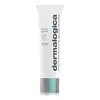
This chemical sunscreen covers most of the UV range, lighter on the deep UVA that drives aging.
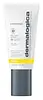
This hybrid sunscreen covers the full UV range and blocks ~98% of UVB at SPF 40.

What's inside
What's inside
 Key Ingredients
Benefits
Concerns
Ingredients Side-by-side
Butyl Methoxydibenzoylmethane 3%
UV Absorber
Homosalate 10%
Skin Conditioning
Ethylhexyl Salicylate 5%
UV Absorber
Octocrylene 10%
UV Absorber

Water
Skin ConditioningButylene Glycol
Humectant

Silica
Abrasive


C12-15 Alkyl Benzoate
AntimicrobialDimethicone
Emollient

Glycerin
Humectant
Butyloctyl Salicylate
Skin Conditioning
Polyglyceryl-2 Distearate
Emulsifying

Vp/Eicosene Copolymer
Chlorella Vulgaris Extract
Skin ConditioningZingiber Officinale Root Oil
Masking



Camellia Sinensis Leaf Extract
Antimicrobial



Tocopheryl Acetate
Antioxidant
Glyceryl Stearate
Emollient
PEG-100 Stearate
Surfactant
Potassium Cetyl Phosphate
EmulsifyingArachidyl Alcohol
Emollient
Dimethicone Crosspolymer
Emulsion Stabilising
Behenyl Alcohol
Emollient
Caprylic/Capric Triglyceride
Masking
Xanthan Gum
EmulsifyingAcrylates/C10-30 Alkyl Acrylate Crosspolymer
Emulsion StabilisingArachidyl Glucoside
EmulsifyingEthylhexylglycerin
Skin ConditioningTrisodium Ethylenediamine Disuccinate
Citric Acid
Buffering
Sodium Citrate
BufferingCaprylyl Glycol
Emollient
Polyvinyl Alcohol
1,2-Hexanediol
Skin Conditioning
Pentylene Glycol
Skin Conditioning
Propanediol
Solvent
Saccharide Isomerate
Humectant
Bisabolol
Antioxidant
Sodium Hydroxide
BufferingPotassium Sorbate
Preservative
Sodium Benzoate
Masking
Lactic Acid/Glycolic Acid Copolymer
Skin ConditioningHeptapeptide-15 Palmitate
Skin Conditioning
Limonene
Perfuming
Butyl Methoxydibenzoylmethane 3%, Homosalate 10%, Ethylhexyl Salicylate 5%, Octocrylene 10%, Water, Butylene Glycol, Silica, C12-15 Alkyl Benzoate, Dimethicone, Glycerin, Butyloctyl Salicylate, Polyglyceryl-2 Distearate, Vp/Eicosene Copolymer, Chlorella Vulgaris Extract, Zingiber Officinale Root Oil, Camellia Sinensis Leaf Extract, Tocopheryl Acetate, Glyceryl Stearate, PEG-100 Stearate, Potassium Cetyl Phosphate, Arachidyl Alcohol, Dimethicone Crosspolymer, Behenyl Alcohol, Caprylic/Capric Triglyceride, Xanthan Gum, Acrylates/C10-30 Alkyl Acrylate Crosspolymer, Arachidyl Glucoside, Ethylhexylglycerin, Trisodium Ethylenediamine Disuccinate, Citric Acid, Sodium Citrate, Caprylyl Glycol, Polyvinyl Alcohol, 1,2-Hexanediol, Pentylene Glycol, Propanediol, Saccharide Isomerate, Bisabolol, Sodium Hydroxide, Potassium Sorbate, Sodium Benzoate, Lactic Acid/Glycolic Acid Copolymer, Heptapeptide-15 Palmitate, Limonene
Water
Skin ConditioningZinc Oxide
Cosmetic Colorant
C12-15 Alkyl Benzoate
AntimicrobialOctyldodecyl Neopentanoate
EmollientButyloctyl Salicylate
Skin Conditioning
Caprylic/Capric Triglyceride
Masking
Isododecane
EmollientLauryl PEG-8 Dimethicone
Surfactant
Propanediol
Solvent
Niacinamide
Smoothing



Methylpropanediol
SolventCI 77891
Cosmetic ColorantSilica Silylate
Emollient
Lactic Acid
Buffering
Helianthus Annuus Seed Oil
Emollient
Lavandula Angustifolia Flower/Leaf/Stem Extract
Masking
Chamomilla Recutita Flower Extract
Masking
Rosa Damascena Extract
MaskingChlorella Vulgaris Extract
Skin ConditioningSea Salt
Abrasive
Olive Oil Decyl Esters
Squalene
Emollient
Tocopherol
Antioxidant
Caprylyl Glycol
Emollient
Lecithin
Emollient
Allantoin
Skin Conditioning
Propylene Glycol Stearate
Skin Conditioning

Glycerin
Humectant
Bisabolol
Antioxidant
Lauryl PEG-10 Tris(Trimethylsiloxy)Silylethyl Dimethicone
Emulsifying
PEG-10
HumectantSilica
Abrasive
Polyglyceryl-4 Diisostearate/Polyhydroxystearate/Sebacate
Emulsifying
Magnesium Stearate
Cosmetic ColorantTetrasodium Glutamate Diacetate
Citric Acid
Buffering
Sodium Hydroxide
BufferingSodium Chloride
MaskingBentonite
Absorbent
Cellulose Acetate
Phenylpropanol
Masking
Hydrated Silica
Abrasive
Acrylates/Ammonium Methacrylate Copolymer
Iron Oxides
Linalool
Perfuming
Water, Zinc Oxide, C12-15 Alkyl Benzoate, Octyldodecyl Neopentanoate, Butyloctyl Salicylate, Caprylic/Capric Triglyceride, Isododecane, Lauryl PEG-8 Dimethicone, Propanediol, Niacinamide, Methylpropanediol, CI 77891, Silica Silylate, Lactic Acid, Helianthus Annuus Seed Oil, Lavandula Angustifolia Flower/Leaf/Stem Extract, Chamomilla Recutita Flower Extract, Rosa Damascena Extract, Chlorella Vulgaris Extract, Sea Salt, Olive Oil Decyl Esters, Squalene, Tocopherol, Caprylyl Glycol, Lecithin, Allantoin, Propylene Glycol Stearate, Glycerin, Bisabolol, Lauryl PEG-10 Tris(Trimethylsiloxy)Silylethyl Dimethicone, PEG-10, Silica, Polyglyceryl-4 Diisostearate/Polyhydroxystearate/Sebacate, Magnesium Stearate, Tetrasodium Glutamate Diacetate, Citric Acid, Sodium Hydroxide, Sodium Chloride, Bentonite, Cellulose Acetate, Phenylpropanol, Hydrated Silica, Acrylates/Ammonium Methacrylate Copolymer, Iron Oxides, Linalool
Reviews
Ingredients Explained
These ingredients are found in both products.
Ingredients higher up in an ingredient list are typically present in a larger amount.
Bisabolol is a gentle skin conditioner, antioxidant, and soothing ingredient.
It's primary claim to fame is soothing and research shows topically applied bisabolol can quiet the chemical messengers that cause your skin to become inflamed, helping to sooth any irritation.
A clinical study found that applying 0.5% bisabolol daily for 8 weeks produced an average 9% decrease in skin pigmentation. Researchers found it can also suppress the process that leads to excess melanin production in skin.
In vitro studies found that bisabolol combined with propylene glycol significantly increased skin permeability by increasing lipid fluidity in the stratum corneum.
You'll likely see use concentrations quite low, usually 0.1-0.2%.
Overall, this is a well-tolerated ingredient that works well in formulas designed for sensitive, reactive, or post-procedure skin.
Learn more about BisabololButyloctyl Salicylate is a chemical UV filter structurally similar to octisalate. It is a photostabilizer, SPF booster, emollient and solvent. This ingredient helps evenly spread out ingredients.
According to a manufacturer, it is suitable for pairing with micro Titanium Dioxide, Zinc Oxide, and pigments.
Photostabilizers help stabilize UV-filters and prevents them from degrading quickly.
Learn more about Butyloctyl SalicylateC12-15 Alkyl Benzoate is a lightweight emollient made by combinig benzoic acid with fatty alcohols that are 12-15 carbons long.
In cosmetics, it plays several roles:
The Cosmetic Review Expert Panel has concluded the alkyl benzoate group to be safe as used in cosmetics; it wasn't found to be a skin irritant and unlikely to be absorbed due to its low water solubility.
This report recorded almost 1000 reported uses with concentrations up to 59% in leave-on products but your cosmetics will typically use 0.5-15% depending on the product.
It's often called a "SPF booster": this is because it keeps UV filters properly dissolved and evenly distributed to support a sunscreen's performance. It doesn't actually raise SPF on its own.
Overall, this ingredient is well tolerated.
This ingredient is fungal acne safe because it is an ester of benzoic acid.
Think of this ingredient as two parts stuck together: an oily part and an acid part. Malassezia only gets a meal when it can snip off a fatty acid to eat. With C12-15 Alkyl Benzoate, the acid part is benzoic acid, which isn't a fatty acid and which the yeast can't use as food.
Benzoic acid is actually used as a preservative to stop yeast from growing.
The oily part is a blend of C12-15 fatty alcohols but fatty alcohols in this size range can support only a little Malassezia growth (mostly for one species of Malassezia as well).
In the ingredient, those alcohols stay locked inside the molecule. The yeast can only reach them by snipping the benzoate bond, and that type of bond is harder for it to cut than a normal fatty bond.
So not much gets released. And whatever does get snipped comes packaged with benzoic acid, which discourages yeast growth.
Learn more about C12-15 Alkyl BenzoateCaprylic/Capric Triglyceride (aka MCT Oil) is a lightweight emollient, solvent, and texture enhancer. It is considered a skin-softener by helping to prevent moisture loss.
Though it behaves like an oil, it is not technically one due to its chemical composition. One perk of this ingredient is that it is very stable, resistant to oxidation, and unlikely to go rancid.
In practice, that translates to a long shelf life and a consistently elegant skin feel.
While there is an assumption Caprylic Triglyceride can clog pores due to it being derived from coconut oil, there is no research supporting this. Just patch test if you have concerns.
Fractionated coconut oil and MCT Oil are both listed as Caprylic/Capric Triglyceride according to INCI. This is because INCI names are based on the ingredient’s final chemical composition and not its marketing name or source.
This ingredient is treated as the gold standard fungal acne safe oil. Even though it is coconut derived, the problematic lauric acid is stripped out.
This leaves just caprylic (C8) and capric (C10) acid. These chain lengths actually trend antifungal; a 2020 study found caprylic acid was enough to disrupt Malassezia furfur cell membrane, with a caprylic acid derivative damaging membrane structures at concentrations as low as 0.2%.
Learn more about Caprylic/Capric TriglycerideCaprylyl Glycol is a humectant, skin conditioner, emollient, and preservative booster derived from either caprylic acid or synthetically created.
Typical use levels vary from 0.3-1% as a preservative booster and go up to 2% to condition skin.
Because it is not a free-fatty acid, this ingredient is fungal acne safe (there's nothing for Malassezia to feed on).
Learn more about Caprylyl GlycolChlorella Vulgaris Extract comes from a single-celled green freshwater algae.
The version used in skincare is almost always a water or glycerin-based extract that is basically the algae's amino acids, peptides, sugars, and chlorophyll pigments.
It acts as a skin-conditioning agent and the research behind it at this time is mostly lab-dish rather than human trials.
Isolated Chlorella peptides inhibit collagenase and elastase (the enzymes that chew up collagen and elastin) and mop up free radicals in test-tube assays. Another study found a Chlorella gel sped up wound healing in mice. Many of the firming or dark-circle claims come from the ingredient supplier's own studies.
Suppliers suggest using 1-2% of the trade version (Water/Glycerin + Chlorella Vulgaris Extract) in a finished formula which means the actual algae solids are a fraction of a percent.
Allergy risk is low and topical reactions are rare; the 2020 anaphylaxis case came from eating Chlorella supplements and not from putting it on skin.
However, patch testing is sensible if you have reacted to algae before.
The "chlorella is high in iodine so it breaks you out" line borrows from marine seaweed. Freshwater Chlorella isn't a notable iodine source unless it's deliberately grown in iodine-enriched medium.
Just so you know, many lists give algae a comedogenic rating of 5 and that number doesn't come from anywhere; it's not in the original rabbit-ear studies that most comedogenic ratings trace back to.
The reasoning behind the reputation is that seaweed is high in iodine and iodine can trigger acne-like breakouts when eaten. This traces back to a 1976 letter in Archives of Dermatology describing two women whose breakouts cleared after they stopped taking high-dose kelp supplements orally.
And the reaction of these two women wasn't clogged pores at all: it was an iodine-triggered pustular rash. Later research found normal dietary iodine doesn't meaningfully affect acne either and nobody has shown topical algae delivers enough iodine to matter.
Learn more about Chlorella Vulgaris ExtractCitric Acid is an alpha hydroxy acid (AHA) naturally found in citrus fruits like oranges, lemons, and limes.
Like other AHAs, citric acid can exfoliate skin by breaking down the bonds that hold dead skin cells together. This helps reveal smoother and brighter skin underneath.
However, this exfoliating effect only happens at high concentrations (20%) which can be hard to find in cosmetic products.
Due to this, citric acid is usually included in small amounts as a pH adjuster. This helps keep products slightly more acidic and compatible with skin's natural pH.
In skincare formulas, citric acid can:
While it can provide some skin benefits, research shows lactic acid and glycolic acid are generally more effective and less irritating exfoliants.
Most citric acid used in skincare today is made by fermenting sugars (usually from molasses). This synthetic version is identical to the natural citrus form but easier to stabilize and use in formulations.
Rosacea skin has a lower threshold for acids generally, with 62.5% of rosacea subjects in one study reacting to lactic acid in a sting test. This is why we mark citric acid as a potential rosacea trigger.
However, this ingredient shows up as a pH adjuster or chelator at roughly 0.1-1% in many products. These low levels are unlikely to be an issue for rosacea skin and becomes a potential trigger at exfoliating concentrations (20%). Because everybody's skin is unique, we recommend a patch test if you are unsure.
Learn more about Citric AcidGlycerin (or glycerol) is a compound naturally found in your skin. It's a powerhouse humectant that pulls water into the stratum corneum.
Topically, glycerin does several things at once:
Your skin makes glycerin on its own (mostly from sebaceous oil breakdown) and shuttles it to your outermost layer of skin, or your epidermis, via aquaporin-3.
Aquaporin-3 is a transporter that is essential for normal skin hydration, elasticity, and repair. Interestingly, mice lacking in AQP3 have dry and less elastic skin that can be fully corrected with glycerin.
This ingredient is non-irritating, plays well with almost every ingredient, and works across all skin types. Typical use is anywhere between 3-10% but can go up to 79% in some leave-on products.
Just know very high concentrations (>40%) can feel tacky in low humidity.
Glycerin is the name for this ingredient in American English. British English uses Glycerol/Glycerine.
Learn more about GlycerinPropanediol is an all-star ingredient. It softens, hydrates, and smooths the skin.
It’s often used to:
Propanediol is not likely to cause sensitivity and considered safe to use. It is derived from corn or petroleum with a clear color and no scent.
Learn more about PropanediolSilica, also known as silicon dioxide, is a naturally occurring mineral. It is used as a fine, spherical, and porous powder in cosmetics.
Though it has exfoliant properties, the function of silica varies depending on the product.
The unique structure of silica enhances the spreadability and adds smoothness, making it a great texture enhancer.
It is also used as an active carrier, emulsifier, and mattifier due to its ability to absorb excess oil.
In some products, tiny microneedles called spicules are made from silica or hydrolyzed sponge. When you rub them in, they lightly polish away dead skin layers and enhance the penetration of active ingredients.
Learn more about SilicaSodium Hydroxide is also known as lye or caustic soda. It is used to adjust the pH of products; many ingredients require a specific pH to be effective.
In small amounts, sodium hydroxide is considered safe to use. However, large amounts may cause chemical burns due to its high alkaline.
Your skin has a natural pH and acid mantle. This acid mantle helps prevent harmful bacteria from breaking through. The acid mantle also helps keep your skin hydrated.
"Alkaline" refers to a high pH level. A low pH level would be considered acidic.
Learn more about Sodium HydroxideWater. It's the most common cosmetic ingredient of all. You'll usually see it at the top of ingredient lists, meaning that it makes up the largest part of the product.
So why is it so popular? Water most often acts as a solvent - this means that it helps dissolve other ingredients into the formulation.
You'll also recognize water as that liquid we all need to stay alive. If you see this, drink a glass of water. Remember to stay hydrated!
Learn more about Water

