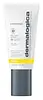
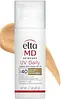
This hybrid sunscreen covers the full UV range and blocks ~98% of UVB at SPF 40.
This sunscreen offers SPF 40 protection with a dewy, hydrating finish.

What's inside
What's inside
 Key Ingredients
Benefits
Concerns
Ingredients Side-by-side
Water
Skin ConditioningZinc Oxide
Cosmetic Colorant


C12-15 Alkyl Benzoate
AntimicrobialOctyldodecyl Neopentanoate
EmollientButyloctyl Salicylate
Skin Conditioning
Caprylic/Capric Triglyceride
Masking


Isododecane
EmollientLauryl PEG-8 Dimethicone
Surfactant
Propanediol
Solvent
Niacinamide
Smoothing









Methylpropanediol
SolventCI 77891
Cosmetic ColorantSilica Silylate
Emollient
Lactic Acid
Buffering



Helianthus Annuus Seed Oil
Emollient

Lavandula Angustifolia Flower/Leaf/Stem Extract
Masking
Chamomilla Recutita Flower Extract
Masking
Rosa Damascena Extract
MaskingChlorella Vulgaris Extract
Skin ConditioningSea Salt
Abrasive
Olive Oil Decyl Esters
Squalene
Emollient
Tocopherol
Antioxidant

Caprylyl Glycol
Emollient
Lecithin
Emollient
Allantoin
Skin Conditioning
Propylene Glycol Stearate
Skin Conditioning

Glycerin
Humectant
Bisabolol
Antioxidant
Lauryl PEG-10 Tris(Trimethylsiloxy)Silylethyl Dimethicone
Emulsifying
PEG-10
HumectantSilica
Abrasive
Polyglyceryl-4 Diisostearate/Polyhydroxystearate/Sebacate
Emulsifying
Magnesium Stearate
Cosmetic ColorantTetrasodium Glutamate Diacetate
ChelatingCitric Acid
Buffering
Sodium Hydroxide
BufferingSodium Chloride
MaskingBentonite
Absorbent
Cellulose Acetate
Phenylpropanol
Masking
Hydrated Silica
Abrasive
Acrylates/Ammonium Methacrylate Copolymer
Iron Oxides
Linalool
Perfuming
Water, Zinc Oxide, C12-15 Alkyl Benzoate, Octyldodecyl Neopentanoate, Butyloctyl Salicylate, Caprylic/Capric Triglyceride, Isododecane, Lauryl PEG-8 Dimethicone, Propanediol, Niacinamide, Methylpropanediol, CI 77891, Silica Silylate, Lactic Acid, Helianthus Annuus Seed Oil, Lavandula Angustifolia Flower/Leaf/Stem Extract, Chamomilla Recutita Flower Extract, Rosa Damascena Extract, Chlorella Vulgaris Extract, Sea Salt, Olive Oil Decyl Esters, Squalene, Tocopherol, Caprylyl Glycol, Lecithin, Allantoin, Propylene Glycol Stearate, Glycerin, Bisabolol, Lauryl PEG-10 Tris(Trimethylsiloxy)Silylethyl Dimethicone, PEG-10, Silica, Polyglyceryl-4 Diisostearate/Polyhydroxystearate/Sebacate, Magnesium Stearate, Tetrasodium Glutamate Diacetate, Citric Acid, Sodium Hydroxide, Sodium Chloride, Bentonite, Cellulose Acetate, Phenylpropanol, Hydrated Silica, Acrylates/Ammonium Methacrylate Copolymer, Iron Oxides, Linalool
Water
Skin ConditioningPetrolatum
Emollient
Isopropyl Palmitate
Emollient
Dimethicone
Emollient
Cetearyl Alcohol
Emollient
Oleth-3 Phosphate
SurfactantPhenoxyethanol
Preservative
Hydroxyethyl Acrylate/Sodium Acryloyldimethyl Taurate Copolymer
Emulsion StabilisingPolyisobutene
Cetearyl Glucoside
Emulsifying
Octyldodecyl Neopentanoate
EmollientEthylhexyl Stearate
Emollient
Polyether-1
Butylene Glycol
Humectant
PEG-7 Trimethylolpropane Coconut Ether
Emulsifying
Sodium Hyaluronate
Humectant
Iodopropynyl Butylcarbamate
Preservative
Citric Acid
Buffering
Tocopheryl Acetate
Antioxidant
Triethoxycaprylylsilane
Iron Oxides
Water, Petrolatum, Isopropyl Palmitate, Dimethicone, Cetearyl Alcohol, Oleth-3 Phosphate, Phenoxyethanol, Hydroxyethyl Acrylate/Sodium Acryloyldimethyl Taurate Copolymer, Polyisobutene, Cetearyl Glucoside, Octyldodecyl Neopentanoate, Ethylhexyl Stearate, Polyether-1, Butylene Glycol, PEG-7 Trimethylolpropane Coconut Ether, Sodium Hyaluronate, Iodopropynyl Butylcarbamate, Citric Acid, Tocopheryl Acetate, Triethoxycaprylylsilane, Iron Oxides
Reviews
Ingredients Explained
These ingredients are found in both products.
Ingredients higher up in an ingredient list are typically present in a larger amount.
Citric Acid is an alpha hydroxy acid (AHA) naturally found in citrus fruits like oranges, lemons, and limes.
Like other AHAs, citric acid can exfoliate skin by breaking down the bonds that hold dead skin cells together. This helps reveal smoother and brighter skin underneath.
However, this exfoliating effect only happens at high concentrations (20%) which can be hard to find in cosmetic products.
Due to this, citric acid is usually included in small amounts as a pH adjuster. This helps keep products slightly more acidic and compatible with skin's natural pH.
In skincare formulas, citric acid can:
While it can provide some skin benefits, research shows lactic acid and glycolic acid are generally more effective and less irritating exfoliants.
Most citric acid used in skincare today is made by fermenting sugars (usually from molasses). This synthetic version is identical to the natural citrus form but easier to stabilize and use in formulations.
Rosacea skin has a lower threshold for acids generally, with 62.5% of rosacea subjects in one study reacting to lactic acid in a sting test. This is why we mark citric acid as a potential rosacea trigger.
However, this ingredient shows up as a pH adjuster or chelator at roughly 0.1-1% in many products. These low levels are unlikely to be an issue for rosacea skin and becomes a potential trigger at exfoliating concentrations (20%). Because everybody's skin is unique, we recommend a patch test if you are unsure.
Learn more about Citric AcidWe don't have a description for Octyldodecyl Neopentanoate yet.
Water. It's the most common cosmetic ingredient of all. You'll usually see it at the top of ingredient lists, meaning that it makes up the largest part of the product.
So why is it so popular? Water most often acts as a solvent - this means that it helps dissolve other ingredients into the formulation.
You'll also recognize water as that liquid we all need to stay alive. If you see this, drink a glass of water. Remember to stay hydrated!
Learn more about WaterThis ingredient is a combination of red, black, and yellow iron oxide pigments. This combination of colors is usually found in foundation, because it results in a "skin" color.
The EU typically uses CI numbers for colorants when applicable, such as CI 77489. In the US, iron oxides are regulated as color additives and "iron oxides" is the most commonly used name in US cosmetic practice.
A 2021 paper looked at skincare formulations containing iron oxides and found that they reduced transmission of blue light when measured optically. In simple terms, the pigment particles helped block or scatter part of the visible light spectrum in lab testing and the authors suggest this could translate into better protection against blue-light-related skin effects.
There is also clinical and experimental research showing that tinted products containing iron oxides can reduce visible light-induced pigmentation:
Please note, whether a product reduces visible or blue light depends on things like:
In the EU's CosIng database, iron oxides are only listed as a colorant. CosIng groups ingredients by their main cosmetic role, such as colorant, preservative, or UV filter.
Though studies say iron oxides can "attenuate blue light", they're describing an optical property and not an officially recognized cosmetic function.
So CosIng isn’t contradicting the research. It’s just classifying iron oxides by what they officially are: pigments that add color.
Learn more about Iron Oxides

