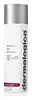
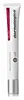
Dermalogica Dynamic Skin Recovery SPF50 Moisturizer Versus Dermalogica Age Smart Skin Perfect Primer SPF 30
This chemical sunscreen covers most of the UV range, lighter on the deep UVA that drives aging.

What's inside
What's inside
 Key Ingredients
Benefits
Concerns
Ingredients Side-by-side
Butyl Methoxydibenzoylmethane 3%
UV Absorber
Homosalate 5%
Skin Conditioning
Ethylhexyl Salicylate 3%
UV Absorber
Octocrylene 7%
UV Absorber

Water
Skin ConditioningCarthamus Tinctorius Oleosomes
Emollient

Butylene Glycol
Humectant

Dimethicone
Emollient

C12-15 Alkyl Benzoate
AntimicrobialPropanediol
Solvent
Polysorbate 80
Emulsifying
Palmitoyl Tetrapeptide-7
Skin Conditioning


Dipotassium Glycyrrhizate
Humectant

Aniba Rosodora Wood Oil
Astringent
Camellia Sinensis Leaf Extract
Antimicrobial



Helianthus Annuus Seed Oil
Emollient
Pelargonium Graveolens Flower Oil
Masking


Eugenia Caryophyllus Leaf Oil
Masking
Saccharomyces Cerevisiae Extract
Skin Conditioning
Laminaria Digitata Extract
Skin Protecting
Rosa Damascena Flower Oil
Masking
Eugenia Caryophyllus Bud Oil
Masking
Citrus Limon Peel Oil
Masking
Cymbopogon Schoenanthus Oil
Masking
Cymbopogon Martini Oil
Masking
Cupressus Sempervirens Leaf Oil
Masking
Citrus Limon Peel Extract
EmollientEucalyptus Globulus Leaf Oil
Perfuming
Tocopherol
Antioxidant

Squalane
Emollient
Caprylyl Glycol
Emollient
Carnosine
Skin Conditioning
Acrylates/C10-30 Alkyl Acrylate Crosspolymer
Emulsion StabilisingLecithin
Emollient
Urea
Buffering
Caprylic/Capric Triglyceride
Masking
Glycerin
Humectant
Pentylene Glycol
Skin Conditioning
Bisabolol
Antioxidant
Glucosamine Hcl
Ethylhexylglycerin
Skin Conditioning1,2-Hexanediol
Skin Conditioning
Gluconolactone
Chelating

Polysorbate 60
Emulsifying
Trisodium Ethylenediamine Disuccinate
ChelatingSorbitan Isostearate
Emulsifying
Decyl Glucoside
Cleansing
Aminomethyl Propanol
BufferingHydroxyethyl Acrylate/Sodium Acryloyldimethyl Taurate Copolymer
Emulsion StabilisingPolysilicone-11
Sodium Acrylates Copolymer
Phenethyl Alcohol
MaskingSodium Benzoate
Masking
Linalool
Perfuming
Eugenol
Perfuming
Limonene
Perfuming
Citronellol
Perfuming
Geraniol
Perfuming
Benzyl Benzoate
Antimicrobial
Citral
Perfuming
CI 77891
Cosmetic ColorantButyl Methoxydibenzoylmethane 3%, Homosalate 5%, Ethylhexyl Salicylate 3%, Octocrylene 7%, Water, Carthamus Tinctorius Oleosomes, Butylene Glycol, Dimethicone, C12-15 Alkyl Benzoate, Propanediol, Polysorbate 80, Palmitoyl Tetrapeptide-7, Dipotassium Glycyrrhizate, Aniba Rosodora Wood Oil, Camellia Sinensis Leaf Extract, Helianthus Annuus Seed Oil, Pelargonium Graveolens Flower Oil, Eugenia Caryophyllus Leaf Oil, Saccharomyces Cerevisiae Extract, Laminaria Digitata Extract, Rosa Damascena Flower Oil, Eugenia Caryophyllus Bud Oil, Citrus Limon Peel Oil, Cymbopogon Schoenanthus Oil, Cymbopogon Martini Oil, Cupressus Sempervirens Leaf Oil, Citrus Limon Peel Extract, Eucalyptus Globulus Leaf Oil, Tocopherol, Squalane, Caprylyl Glycol, Carnosine, Acrylates/C10-30 Alkyl Acrylate Crosspolymer, Lecithin, Urea, Caprylic/Capric Triglyceride, Glycerin, Pentylene Glycol, Bisabolol, Glucosamine Hcl, Ethylhexylglycerin, 1,2-Hexanediol, Gluconolactone, Polysorbate 60, Trisodium Ethylenediamine Disuccinate, Sorbitan Isostearate, Decyl Glucoside, Aminomethyl Propanol, Hydroxyethyl Acrylate/Sodium Acryloyldimethyl Taurate Copolymer, Polysilicone-11, Sodium Acrylates Copolymer, Phenethyl Alcohol, Sodium Benzoate, Linalool, Eugenol, Limonene, Citronellol, Geraniol, Benzyl Benzoate, Citral, CI 77891
Titanium Dioxide 4%
Cosmetic Colorant
Zinc Oxide 14%
Cosmetic Colorant
Cyclopentasiloxane
Emollient
Caprylic/Capric Triglyceride
Masking
Dimethicone Crosspolymer
Emulsion Stabilising
Diisopropyl Adipate
EmollientVinyl Dimethicone/Methicone Silsesquioxane Crosspolymer
Silica
Abrasive
Lauryl PEG-9 Polydimethylsiloxyethyl Dimethicone
Skin Conditioning
Polyglyceryl-3 Polydimethylsiloxyethyl Dimethicone
Skin Conditioning
Water
Skin ConditioningArginine/Lysine Polypeptide
Skin Conditioning
Camellia Sinensis Leaf Extract
Antimicrobial
Palmitoyl Dipeptide-5 Diaminobutyroyl Hydroxythreonine
Skin Conditioning
Palmitoyl Dipeptide-5 Diaminohydroxybutyrate
Skin Conditioning
Sodium Hyaluronate
Humectant
Hydrolyzed Soy Protein
Humectant
Silanetriol
Hydrolyzed Pearl
Skin ConditioningLavandula Spica Flower Oil
Masking
Lavandula Hybrida Oil
Emollient
Eucalyptus Globulus Leaf Oil
Perfuming
Sodium PCA
Humectant
Polyhydroxystearic Acid
Emulsifying
Triethoxycaprylylsilane
Stearic Acid
Cleansing
Aluminum Hydroxide
EmollientPEG/PPG-18/18 Dimethicone
Emulsifying
PEG/PPG-20/15 Dimethicone
Emulsifying
Glycerin
Humectant
Phenoxyethanol
Preservative
Ethylhexylglycerin
Skin ConditioningTin Oxide
Abrasive
CI 77491
Cosmetic ColorantCI 77492
Cosmetic ColorantCI 77499
Cosmetic ColorantTitanium Dioxide 4%, Zinc Oxide 14%, Cyclopentasiloxane, Caprylic/Capric Triglyceride, Dimethicone Crosspolymer, Diisopropyl Adipate, Vinyl Dimethicone/Methicone Silsesquioxane Crosspolymer, Silica, Lauryl PEG-9 Polydimethylsiloxyethyl Dimethicone, Polyglyceryl-3 Polydimethylsiloxyethyl Dimethicone, Water, Arginine/Lysine Polypeptide, Camellia Sinensis Leaf Extract, Palmitoyl Dipeptide-5 Diaminobutyroyl Hydroxythreonine, Palmitoyl Dipeptide-5 Diaminohydroxybutyrate, Sodium Hyaluronate, Hydrolyzed Soy Protein, Silanetriol, Hydrolyzed Pearl, Lavandula Spica Flower Oil, Lavandula Hybrida Oil, Eucalyptus Globulus Leaf Oil, Sodium PCA, Polyhydroxystearic Acid, Triethoxycaprylylsilane, Stearic Acid, Aluminum Hydroxide, PEG/PPG-18/18 Dimethicone, PEG/PPG-20/15 Dimethicone, Glycerin, Phenoxyethanol, Ethylhexylglycerin, Tin Oxide, CI 77491, CI 77492, CI 77499
Reviews
Ingredients Explained
These ingredients are found in both products.
Ingredients higher up in an ingredient list are typically present in a larger amount.
Camellia Sinensis Leaf Extract (tea extract) is one of the most well-researched plant extracts in skincare with an impressive resume.
Black tea, green tea, and oolong tea are all harvested from the Camellia Sinensis plant.
Studies show green tea extract and its catechins (like epigallocatechin gallate (EGCG)) help your skin cells product energy more efficiently and reducing the number of free-radicals that can damage your skin from the inside.
In lab-grown skin models, this translated to younger, healthier, and stronger skin.
There's also good sun protection data; researchers saw less DNA damage and redness on human skin when green tea was applied before UVB exposure. And the more they applied, the better the protection.
Needless to say, this ingredient shouldn't replace your sunscreen. But it is a great supportive ingredient that you can already find in many sunscreens and antioxidant serums.
A 2009 study found a 2% green tea lotion was effective for mild-to-moderate acne thanks to its anti-inflammatory and mild antimicrobial activity.
The quality of the extract matters a lot here:
Good extracts contain 50-90% catechins while lower quality ones are mostly there for marketing. We recommend reaching out to the brand if you have questions about the quality or source of their ingredients.
Human Repeated Insult Patch Testing showed no irritation or sensitization at use concentrations (0.86% in leave-on products and up to 30% as leaf water).
Learn more about Camellia Sinensis Leaf ExtractCaprylic/Capric Triglyceride (aka MCT Oil) is a lightweight emollient, solvent, and texture enhancer. It is considered a skin-softener by helping to prevent moisture loss.
Though it behaves like an oil, it is not technically one due to its chemical composition. One perk of this ingredient is that it is very stable, resistant to oxidation, and unlikely to go rancid.
In practice, that translates to a long shelf life and a consistently elegant skin feel.
While there is an assumption Caprylic Triglyceride can clog pores due to it being derived from coconut oil, there is no research supporting this. Just patch test if you have concerns.
Fractionated coconut oil and MCT Oil are both listed as Caprylic/Capric Triglyceride according to INCI. This is because INCI names are based on the ingredient’s final chemical composition and not its marketing name or source.
This ingredient is treated as the gold standard fungal acne safe oil. Even though it is coconut derived, the problematic lauric acid is stripped out.
This leaves just caprylic (C8) and capric (C10) acid. These chain lengths actually trend antifungal; a 2020 study found caprylic acid was enough to disrupt Malassezia furfur cell membrane, with a caprylic acid derivative damaging membrane structures at concentrations as low as 0.2%.
Learn more about Caprylic/Capric TriglycerideEthylhexylglycerin is created from glycerin. It is a multitasker ingredient that:
The CIR Expert Panel found minimal skin absorption or sensitization of any kind in a safety assessment. Though this ingredient is considered well-tolerated, a small number of cases of allergic dermatitis have been published since 2002. Just be sure to patch test if you are unsure.
Industry-reported use ranges from 8% in rinse-off products and 2% in leave-on formulations.
Learn more about EthylhexylglycerinThis oil is derived from the leaves of Eucalyptus Globulus, a type of Eucalyptus tree native to Australia.
Though this oil shows antibacterial and antioxidant activity, it is also a known skin-irritant due to its fragrance components.
Glycerin (or glycerol) is a compound naturally found in your skin. It's a powerhouse humectant that pulls water into the stratum corneum.
Topically, glycerin does several things at once:
Your skin makes glycerin on its own (mostly from sebaceous oil breakdown) and shuttles it to your outermost layer of skin, or your epidermis, via aquaporin-3.
Aquaporin-3 is a transporter that is essential for normal skin hydration, elasticity, and repair. Interestingly, mice lacking in AQP3 have dry and less elastic skin that can be fully corrected with glycerin.
This ingredient is non-irritating, plays well with almost every ingredient, and works across all skin types. Typical use is anywhere between 3-10% but can go up to 79% in some leave-on products.
Just know very high concentrations (>40%) can feel tacky in low humidity.
Glycerin is the name for this ingredient in American English. British English uses Glycerol/Glycerine.
Learn more about GlycerinWater. It's the most common cosmetic ingredient of all. You'll usually see it at the top of ingredient lists, meaning that it makes up the largest part of the product.
So why is it so popular? Water most often acts as a solvent - this means that it helps dissolve other ingredients into the formulation.
You'll also recognize water as that liquid we all need to stay alive. If you see this, drink a glass of water. Remember to stay hydrated!
Learn more about Water

