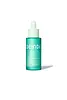
This barrier-repair serum is formulated around Niacinamide and Squalane to strengthen the skin barrier and hydrate skin.
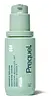
This calming serum is formulated around Avena Sativa Kernel Extract and Beta-Glucan to calm redness and strengthen the skin barrier.

What's inside
What's inside
 Key Ingredients
Benefits
Concerns
Ingredients Side-by-side
Water
Skin ConditioningGlycerin
Humectant


Niacinamide
Smoothing









Squalane
Emollient
C14-22 Alcohols
Emulsion Stabilising
Simmondsia Chinensis Seed Oil
Emollient


Ethoxydiglycol
HumectantPropanediol
Solvent
Naringenin
Skin ConditioningTripeptide-1
Skin Conditioning
Sodium Hyaluronate
Humectant
Sodium Hyaluronate Crosspolymer
Humectant
Hydrolyzed Sodium Hyaluronate
Skin Conditioning
Sodium Acetylated Hyaluronate
Humectant
Panthenol
Skin Conditioning
Dextran
Phoenix Dactylifera Seed Extract
MoisturisingButyrospermum Parkii Butter
Skin Conditioning


Olea Europaea Fruit Oil
Masking
Hydrogenated Olive Oil
Skin Conditioning
Olea Europaea Oil Unsaponifiables
Skin Conditioning
Ascorbic Acid
Antioxidant

Allantoin
Skin Conditioning
Aloe Barbadensis Leaf Juice
Skin Conditioning
Hedychium Coronarium Root Extract
MaskingCaprylic/Capric Triglyceride
Masking
Lauroyl Lysine
Skin Conditioning
Butylene Glycol
Humectant
C12-20 Alkyl Glucoside
EmulsifyingPolyacrylate Crosspolymer-6
Emulsion StabilisingCaprylyl Glyceryl Ether
CleansingCaprylhydroxamic Acid
ChelatingCetearyl Alcohol
Emollient
Palmitic Acid
Emollient
Sodium Phytate
ChelatingPentylene Glycol
Skin Conditioning
Acacia Senegal Gum
MaskingXanthan Gum
EmulsifyingCitric Acid
Buffering
Arachidyl Alcohol
Emollient
Arachidyl Glucoside
EmulsifyingBehenyl Alcohol
Emollient
Hydroxyethyl Acrylate/Sodium Acryloyldimethyl Taurate Copolymer
Emulsion StabilisingCetearyl Glucoside
Emulsifying
Phenethyl Alcohol
MaskingGlucose
Humectant
Sorbitan Isostearate
Emulsifying
Myristic Acid
Cleansing
Stearic Acid
Cleansing
Ethylhexylglycerin
Skin ConditioningLauric Acid
Cleansing
Water, Glycerin, Niacinamide, Squalane, C14-22 Alcohols, Simmondsia Chinensis Seed Oil, Ethoxydiglycol, Propanediol, Naringenin, Tripeptide-1, Sodium Hyaluronate, Sodium Hyaluronate Crosspolymer, Hydrolyzed Sodium Hyaluronate, Sodium Acetylated Hyaluronate, Panthenol, Dextran, Phoenix Dactylifera Seed Extract, Butyrospermum Parkii Butter, Olea Europaea Fruit Oil, Hydrogenated Olive Oil, Olea Europaea Oil Unsaponifiables, Ascorbic Acid, Allantoin, Aloe Barbadensis Leaf Juice, Hedychium Coronarium Root Extract, Caprylic/Capric Triglyceride, Lauroyl Lysine, Butylene Glycol, C12-20 Alkyl Glucoside, Polyacrylate Crosspolymer-6, Caprylyl Glyceryl Ether, Caprylhydroxamic Acid, Cetearyl Alcohol, Palmitic Acid, Sodium Phytate, Pentylene Glycol, Acacia Senegal Gum, Xanthan Gum, Citric Acid, Arachidyl Alcohol, Arachidyl Glucoside, Behenyl Alcohol, Hydroxyethyl Acrylate/Sodium Acryloyldimethyl Taurate Copolymer, Cetearyl Glucoside, Phenethyl Alcohol, Glucose, Sorbitan Isostearate, Myristic Acid, Stearic Acid, Ethylhexylglycerin, Lauric Acid
Water
Skin ConditioningPropanediol
Solvent
Dimethicone
Emollient
Butylene Glycol
Humectant
Pentylene Glycol
Skin Conditioning
Glycerin
Humectant
Hydroxyacetophenone
Antioxidant
Linoleic Acid
Cleansing
Avena Sativa Kernel Extract
Abrasive
Beta-Glucan
Skin Conditioning
Magnesium Carboxymethyl Beta-Glucan
Skin ConditioningHydroxyphenyl Propamidobenzoic Acid
Skin ConditioningDipotassium Glycyrrhizate
Humectant
Arnica Montana Flower Extract
Masking
Piperonyl Glucoside
Skin ProtectingCarbomer
Emulsion StabilisingPolysilicone-11
Panthenol
Skin Conditioning
Bisabolol
Antioxidant
Aloe Barbadensis Leaf Juice
Skin Conditioning
Ammonium Acryloyldimethyltaurate/Vp Copolymer
Algin
MaskingXanthan Gum
EmulsifyingOleic Acid
Emollient
Palmitic Acid
Emollient
Stearic Acid
Cleansing
Tocopherol
Antioxidant
1,2-Hexanediol
Skin Conditioning
Caprylyl Glycol
Emollient
Benzoic Acid
Masking
Sorbic Acid
Preservative
CI 77288
Cosmetic ColorantLinolenic Acid
Cleansing
Citric Acid
Buffering
Ascorbyl Palmitate
Antioxidant
Phenoxyethanol
Preservative
Glycolic Acid
Buffering
Galactoarabinan
Potassium Sorbate
Preservative
Sodium Benzoate
Masking
Sodium Hydroxide
BufferingWater, Propanediol, Dimethicone, Butylene Glycol, Pentylene Glycol, Glycerin, Hydroxyacetophenone, Linoleic Acid, Avena Sativa Kernel Extract, Beta-Glucan, Magnesium Carboxymethyl Beta-Glucan, Hydroxyphenyl Propamidobenzoic Acid, Dipotassium Glycyrrhizate, Arnica Montana Flower Extract, Piperonyl Glucoside, Carbomer, Polysilicone-11, Panthenol, Bisabolol, Aloe Barbadensis Leaf Juice, Ammonium Acryloyldimethyltaurate/Vp Copolymer, Algin, Xanthan Gum, Oleic Acid, Palmitic Acid, Stearic Acid, Tocopherol, 1,2-Hexanediol, Caprylyl Glycol, Benzoic Acid, Sorbic Acid, CI 77288, Linolenic Acid, Citric Acid, Ascorbyl Palmitate, Phenoxyethanol, Glycolic Acid, Galactoarabinan, Potassium Sorbate, Sodium Benzoate, Sodium Hydroxide
Reviews
Ingredients Explained
These ingredients are found in both products.
Ingredients higher up in an ingredient list are typically present in a larger amount.
Aloe Barbadensis Leaf Juice is the filtered, stabilized liquid pressed from the inner gel of the aloe vera leaf.
In cosmetics, it shows up as either soothing active or a water-replacement base. It is roughly 98-99% water and the last 1-2% is an interesting mix of polysaccharides, amino acids, vitamins, minerals, and enzymes.
The polysaccharides do most of the work: they bind water at the skin surface for a light, non-greasy hydration boost. And one of the polysaccharides, glycomannan, is linked to fibroblast stimulation + collagen synthesis. This is also why aloe has such a long track record in wound and burn healing.
This ingredient is also calming with anti-inflammatory and mild antimicrobial activity, making it a great pick for sensitive, irritated, or post-sun skin.
Realistic expectations matter though; the solid evidence is mostly limited to hydration, soothing, and wound support. Deeper claims about anti-aging or sun protection are not well backed, and science reviews note it does not prevent radiation-induced skin injury.
Because it plays well with almost everything, it's commonly used as a base alongside other actives like niacinamide or vitamin C.
Typical usage concentrations range from 0.5% (where hydration benefits already show up) all the way to 90%+ (where it replaces water as the main base).
The safety for this ingredient is well-establish as well. Overall, this is a great supporting ingredient for those who want a boost in hydration.
Learn more about Aloe Barbadensis Leaf JuiceButylene Glycol (or BG) is used within cosmetic products for a few different reasons:
Overall, Butylene Glycol is a safe and well-rounded ingredient that works well with other ingredients.
Though this ingredient works well with most skin types, some people with sensitive skin may experience a reaction such as allergic rashes, closed comedones, or itchiness.
Learn more about Butylene GlycolCitric Acid is an alpha hydroxy acid (AHA) naturally found in citrus fruits like oranges, lemons, and limes.
Like other AHAs, citric acid can exfoliate skin by breaking down the bonds that hold dead skin cells together. This helps reveal smoother and brighter skin underneath.
However, this exfoliating effect only happens at high concentrations (20%) which can be hard to find in cosmetic products.
Due to this, citric acid is usually included in small amounts as a pH adjuster. This helps keep products slightly more acidic and compatible with skin's natural pH.
In skincare formulas, citric acid can:
While it can provide some skin benefits, research shows lactic acid and glycolic acid are generally more effective and less irritating exfoliants.
Most citric acid used in skincare today is made by fermenting sugars (usually from molasses). This synthetic version is identical to the natural citrus form but easier to stabilize and use in formulations.
Rosacea skin has a lower threshold for acids generally, with 62.5% of rosacea subjects in one study reacting to lactic acid in a sting test. This is why we mark citric acid as a potential rosacea trigger.
However, this ingredient shows up as a pH adjuster or chelator at roughly 0.1-1% in many products. These low levels are unlikely to be an issue for rosacea skin and becomes a potential trigger at exfoliating concentrations (20%). Because everybody's skin is unique, we recommend a patch test if you are unsure.
Learn more about Citric AcidGlycerin (or glycerol) is a compound naturally found in your skin. It's a powerhouse humectant that pulls water into the stratum corneum.
Topically, glycerin does several things at once:
Your skin makes glycerin on its own (mostly from sebaceous oil breakdown) and shuttles it to your outermost layer of skin, or your epidermis, via aquaporin-3.
Aquaporin-3 is a transporter that is essential for normal skin hydration, elasticity, and repair. Interestingly, mice lacking in AQP3 have dry and less elastic skin that can be fully corrected with glycerin.
This ingredient is non-irritating, plays well with almost every ingredient, and works across all skin types. Typical use is anywhere between 3-10% but can go up to 79% in some leave-on products.
Just know very high concentrations (>40%) can feel tacky in low humidity.
Glycerin is the name for this ingredient in American English. British English uses Glycerol/Glycerine.
Learn more about GlycerinPalmitic Acid is a fatty acid naturally found in our skin and in many plant and animal sources.
In cosmetics, it is usually derived from palm oil. It serves many purposes in skincare, acting as a cleanser, emollient, and emulsifier.
Interestingly, topically applied Palmitic Acid can be elongated into longer chain fatty acids and ceramides. A 2019 study found low levels of Palmitic Acid lead to slower development of cells, suggesting it plays a role in keeping your skin's renewal process on track.
The CIR (Cosmetic Ingredient Review) panel determined it safe as used in cosmetics at concentrations up to 13%. It is non-irritating and non-sensitizing in clinical studies.
The culprit behind fungal acne, the Malassezia yeast, feeds on fatty acids with carbon chain lengths between C11-C24. Palmitic Acid, at C16, falls right into that sweet spot.
In vitro studies have shown that Palmitic Acid is one of the fatty acids that induce rapid Malassezia growth in lab settings.
It's worth noting that what feeds yeast in a lab doesn't necessarily feed it on your face since formulation and your skin's chemistry play a bigger role.
Learn more about Palmitic AcidPanthenol is a common ingredient that helps hydrate and soothe the skin. It is found naturally in our skin and hair.
There are two forms of panthenol: D and L.
D-panthenol is also known as dexpanthenol. Most cosmetics use dexpanthenol or a mixture of D and L-panthenol.
Panthenol is famous due to its ability to go deeper into the skin's layers. Using this ingredient has numerous pros (and no cons):
Like hyaluronic acid, panthenol is a humectant. Humectants are able to bind and hold large amounts of water to keep skin hydrated.
This ingredient works well for wound healing. It works by increasing tissue in the wound and helps close open wounds.
Once oxidized, panthenol converts to pantothenic acid. Panthothenic acid is found in all living cells.
This ingredient is also referred to as pro-vitamin B5.
Learn more about PanthenolPentylene Glycol (1,2-pentanediol) is a multitasking little diol with three main roles in a formula:
Research on alkanediols (the family pentylene glycol belongs to) show they work by disrupting microbial cell membranes. This disruption helps the primary preservative system in a product work more effectively at lower doses.
On the safety side, the Cosmetic Ingredient Review Expert Panel has concluded this ingredient to be safe as used in current cosmetic practices + concentrations.
Typical use levels in a formula run about 1-5%.
Learn more about Pentylene GlycolPropanediol is an all-star ingredient. It softens, hydrates, and smooths the skin.
It’s often used to:
Propanediol is not likely to cause sensitivity and considered safe to use. It is derived from corn or petroleum with a clear color and no scent.
Learn more about PropanediolStearic Acid is a fatty acid that is already found in your skin. It's one of the free fatty acids that works alongside ceramides and cholesterols to maintain your barrier.
In cosmetics, it is a multitasker:
Safety-wise, the CIR Expert Panel has concluded it to be safe in cosmetics when formulated to be non-irritating and non-sensitizing.
Free stearic acid is a C18 fatty acid that the Malassezia yeast can substrate, so this ingredient may not be fungal acne safe.
Learn more about Stearic AcidWater. It's the most common cosmetic ingredient of all. You'll usually see it at the top of ingredient lists, meaning that it makes up the largest part of the product.
So why is it so popular? Water most often acts as a solvent - this means that it helps dissolve other ingredients into the formulation.
You'll also recognize water as that liquid we all need to stay alive. If you see this, drink a glass of water. Remember to stay hydrated!
Learn more about WaterXanthan gum is used as a stabilizer and thickener within cosmetic products. It helps give products a sticky, thick feeling - preventing them from being too runny.
On the technical side of things, xanthan gum is a polysaccharide - a combination consisting of multiple sugar molecules bonded together.
Xanthan gum is a pretty common and great ingredient. It is a natural, non-toxic, non-irritating ingredient that is also commonly used in food products.
Learn more about Xanthan Gum

