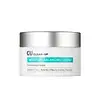
This barrier-repair moisturizer is formulated around Panthenol and Ceramide NP to strengthen the skin barrier and hydrate skin.
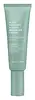
This brightening moisturizer is formulated around Lactobacillus Ferment and Niacinamide to fade the look of dark spots and strengthen the skin barrier.


What's inside
What's inside
 Key Ingredients
Benefits
Concerns
Ingredients Side-by-side
Water
Skin ConditioningGlycerin
Humectant


Dimethicone
Emollient
Dipropylene Glycol
HumectantPolyglyceryl-3 Methylglucose Distearate
Emulsifying

Caprylic/Capric Triglyceride
Masking
Sorbitan Olivate
Emulsifying
Propanediol
Solvent
Butylene Glycol
Humectant
Cetearyl Olivate
Butylene Glycol Dicaprylate/Dicaprate
EmollientMacadamia Ternifolia Seed Oil
Emollient
Soy Isoflavones
Skin ConditioningPanthenol
Skin Conditioning

Ceramide NP
Skin Conditioning

Glyceryl Glucoside
Humectant
Sodium Hyaluronate
Humectant
Polyglutamic Acid
Skin Conditioning
Niacinamide
Smoothing






Methionine
Skin ConditioningEchium Plantagineum Seed Oil
Skin Conditioning
Argania Spinosa Kernel Oil
Emollient
Sesamum Indicum Seed Oil
Emollient

Hydrogenated Lecithin
Emulsifying
Helianthus Annuus Seed Oil Unsaponifiables
Emollient
Ethylhexylglycerin
Skin ConditioningGlucose
Humectant
Lactobacillus/Soybean Ferment Extract
Skin ConditioningLactobacillus/Punica Granatum Fruit Ferment Extract
Antioxidant
Saccharomyces/Barley Seed Ferment Filtrate
HumectantLactobacillus/Pear Juice Ferment Filtrate
Skin ConditioningCentella Asiatica Extract
Cleansing
Scutellaria Baicalensis Root Extract
Astringent
Paeonia Suffruticosa Root Extract
Skin ProtectingPolygonum Cuspidatum Root Extract
Antioxidant
Camellia Sinensis Leaf Extract
Antimicrobial
Glycyrrhiza Glabra Root Extract
Bleaching
Chamomilla Recutita Flower Extract
Masking
Rosmarinus Officinalis Leaf Extract
AntimicrobialAloe Barbadensis Leaf Extract
Emollient
Cardiospermum Halicacabum Flower/Leaf/Vine Extract
Skin ConditioningSerenoa Serrulata Fruit Extract
Skin Conditioning
Beta-Sitosterol
Emulsion Stabilising
Cyclopentasiloxane
Emollient
Lecithin
Emollient
Allantoin
Skin Conditioning
Serine
Masking
Histidine
Humectant
Carbomer
Emulsion StabilisingSodium Acrylates Copolymer
Dimethicone/Vinyl Dimethicone Crosspolymer
Skin Conditioning
Octyldodecanol
Emollient
Cyclohexasiloxane
Emollient
C14-22 Alcohols
Emulsion Stabilising
Polyglyceryl-10 Myristate
Skin Conditioning
1,2-Hexanediol
Skin Conditioning
C12-20 Alkyl Glucoside
EmulsifyingDipotassium Glycyrrhizate
Humectant
Hydroxyethylcellulose
Emulsion StabilisingArginine
Masking
Tocopherol
Antioxidant
Maltodextrin
Absorbent
Parfum
Masking


Water, Glycerin, Dimethicone, Dipropylene Glycol, Polyglyceryl-3 Methylglucose Distearate, Caprylic/Capric Triglyceride, Sorbitan Olivate, Propanediol, Butylene Glycol, Cetearyl Olivate, Butylene Glycol Dicaprylate/Dicaprate, Macadamia Ternifolia Seed Oil, Soy Isoflavones, Panthenol, Ceramide NP, Glyceryl Glucoside, Sodium Hyaluronate, Polyglutamic Acid, Niacinamide, Methionine, Echium Plantagineum Seed Oil, Argania Spinosa Kernel Oil, Sesamum Indicum Seed Oil, Hydrogenated Lecithin, Helianthus Annuus Seed Oil Unsaponifiables, Ethylhexylglycerin, Glucose, Lactobacillus/Soybean Ferment Extract, Lactobacillus/Punica Granatum Fruit Ferment Extract, Saccharomyces/Barley Seed Ferment Filtrate, Lactobacillus/Pear Juice Ferment Filtrate, Centella Asiatica Extract, Scutellaria Baicalensis Root Extract, Paeonia Suffruticosa Root Extract, Polygonum Cuspidatum Root Extract, Camellia Sinensis Leaf Extract, Glycyrrhiza Glabra Root Extract, Chamomilla Recutita Flower Extract, Rosmarinus Officinalis Leaf Extract, Aloe Barbadensis Leaf Extract, Cardiospermum Halicacabum Flower/Leaf/Vine Extract, Serenoa Serrulata Fruit Extract, Beta-Sitosterol, Cyclopentasiloxane, Lecithin, Allantoin, Serine, Histidine, Carbomer, Sodium Acrylates Copolymer, Dimethicone/Vinyl Dimethicone Crosspolymer, Octyldodecanol, Cyclohexasiloxane, C14-22 Alcohols, Polyglyceryl-10 Myristate, 1,2-Hexanediol, C12-20 Alkyl Glucoside, Dipotassium Glycyrrhizate, Hydroxyethylcellulose, Arginine, Tocopherol, Maltodextrin, Parfum
Water
Skin ConditioningGlycerin
Humectant
Caprylic/Capric Triglyceride
Masking
Lactobacillus Ferment
Skin Conditioning
Acrylamide/Sodium Acryloyldimethyltaurate Copolymer
Emulsion StabilisingAlbizia Julibrissin Bark Extract
MaskingCalophyllum Inophyllum Seed Oil
Antimicrobial
Niacinamide
Smoothing
Octadecenedioic Acid
Emulsifying
Rosa Canina Seed Oil
Emollient
Simmondsia Chinensis Seed Oil
Emollient
Squalane
Emollient
Ribose
HumectantCentella Asiatica Leaf Extract
Skin Conditioning
Glycyrrhiza Glabra Root Extract
Bleaching
Saccharomyces/Xylinum/Black Tea Ferment
Skin Conditioning
Mel
EmollientZinc PCA
Humectant
Camellia Sinensis Leaf Extract
Antimicrobial
Caffeine
Skin Conditioning
Allantoin
Skin Conditioning
Superoxide Dismutase
Antioxidant
Plantago Lanceolata Leaf Extract
AntimicrobialMoringa Oleifera Seed Extract
Skin Conditioning
Centella Asiatica Meristem Cell Culture
Antioxidant
Syringa Vulgaris Leaf Cell Culture Extract
Skin ConditioningPalmitoyl Tripeptide-8
Skin Conditioning
Phospholipids
Skin Conditioning
Sodium Hyaluronate
Humectant
Marrubium Vulgare Meristem Cell Culture
Skin ProtectingHydrolyzed Jojoba Esters
Skin Conditioning
Glutamylamidoethyl Imidazole
Bisabolol
Antioxidant
Ceramide NP
Skin Conditioning
Hyaluronic Acid
Humectant
Sphingolipids
Emollient
Tocopherol
Antioxidant
Rosmarinyl Glucoside
Antioxidant
Caffeyl Glucoside
Antioxidant
Gallyl Glucoside
Antioxidant
Tetrahydrodiferuloylmethane
Antioxidant
Tetrahydrodemethoxydiferuloylmethane
Antioxidant
Tetrahydrobisdemethoxydiferuloylmethane
Antioxidant
Maltodextrin
Absorbent
Dextran
Hydroxyethylcellulose
Emulsion StabilisingCetearyl Olivate
Sorbitan Olivate
Emulsifying
Xanthan Gum
EmulsifyingIsosorbide Dicaprylate
Skin ConditioningWater, Glycerin, Caprylic/Capric Triglyceride, Lactobacillus Ferment, Acrylamide/Sodium Acryloyldimethyltaurate Copolymer, Albizia Julibrissin Bark Extract, Calophyllum Inophyllum Seed Oil, Niacinamide, Octadecenedioic Acid, Rosa Canina Seed Oil, Simmondsia Chinensis Seed Oil, Squalane, Ribose, Centella Asiatica Leaf Extract, Glycyrrhiza Glabra Root Extract, Saccharomyces/Xylinum/Black Tea Ferment, Mel, Zinc PCA, Camellia Sinensis Leaf Extract, Caffeine, Allantoin, Superoxide Dismutase, Plantago Lanceolata Leaf Extract, Moringa Oleifera Seed Extract, Centella Asiatica Meristem Cell Culture, Syringa Vulgaris Leaf Cell Culture Extract, Palmitoyl Tripeptide-8, Phospholipids, Sodium Hyaluronate, Marrubium Vulgare Meristem Cell Culture, Hydrolyzed Jojoba Esters, Glutamylamidoethyl Imidazole, Bisabolol, Ceramide NP, Hyaluronic Acid, Sphingolipids, Tocopherol, Rosmarinyl Glucoside, Caffeyl Glucoside, Gallyl Glucoside, Tetrahydrodiferuloylmethane, Tetrahydrodemethoxydiferuloylmethane, Tetrahydrobisdemethoxydiferuloylmethane, Maltodextrin, Dextran, Hydroxyethylcellulose, Cetearyl Olivate, Sorbitan Olivate, Xanthan Gum, Isosorbide Dicaprylate
Ingredients Explained
These ingredients are found in both products.
Ingredients higher up in an ingredient list are typically present in a larger amount.
Allantoin is a soothing ingredient known for its protective and moisturizing properties; it's basically a quiet workhorse ingredient you can find in a huge range of cosmetics.
Though it can be derived from the comfrey plant, allantoin is produced synthetically for cosmetic products to ensure purity.
Research shows it can encourage your skin cells to turn over and renew by stimulating keratinocyte and fibroblast proliferation.
It also has mild keratolytic properties to help loosen and shed dead skin cells without being harsh.
Studies also suggest allantoin can help calm inflammation by dialing down some of the chemical signals your skin sends out when it is irritated.
This ingredient is typically used in the 0.1-0.5% range, and the FDA recognizes it as a skin protectant in OTC products up to 2%.
Overall, allantoin is a wonderful addition to most routines; it is stable across a wide pH range (~4-8), works well with other ingredients, and is considered non-sensitizing/non-irritating.
Fun fact: Allantoin is naturally occurring in comfrey root, beets, chamomile, and wheat sprouts. Our bodies even produce it as a byproduct of uric acid metabolism.
Learn more about AllantoinCamellia Sinensis Leaf Extract (tea extract) is one of the most well-researched plant extracts in skincare with an impressive resume.
Black tea, green tea, and oolong tea are all harvested from the Camellia Sinensis plant.
Studies show green tea extract and its catechins (like epigallocatechin gallate (EGCG)) help your skin cells product energy more efficiently and reducing the number of free-radicals that can damage your skin from the inside.
In lab-grown skin models, this translated to younger, healthier, and stronger skin.
There's also good sun protection data; researchers saw less DNA damage and redness on human skin when green tea was applied before UVB exposure. And the more they applied, the better the protection.
Needless to say, this ingredient shouldn't replace your sunscreen. But it is a great supportive ingredient that you can already find in many sunscreens and antioxidant serums.
A 2009 study found a 2% green tea lotion was effective for mild-to-moderate acne thanks to its anti-inflammatory and mild antimicrobial activity.
The quality of the extract matters a lot here:
Good extracts contain 50-90% catechins while lower quality ones are mostly there for marketing. We recommend reaching out to the brand if you have questions about the quality or source of their ingredients.
Human Repeated Insult Patch Testing showed no irritation or sensitization at use concentrations (0.86% in leave-on products and up to 30% as leaf water).
Learn more about Camellia Sinensis Leaf ExtractCaprylic/Capric Triglyceride (aka MCT Oil) is a lightweight emollient, solvent, and texture enhancer. It is considered a skin-softener by helping to prevent moisture loss.
Though it behaves like an oil, it is not technically one due to its chemical composition. One perk of this ingredient is that it is very stable, resistant to oxidation, and unlikely to go rancid.
In practice, that translates to a long shelf life and a consistently elegant skin feel.
While there is an assumption Caprylic Triglyceride can clog pores due to it being derived from coconut oil, there is no research supporting this. Just patch test if you have concerns.
Fractionated coconut oil and MCT Oil are both listed as Caprylic/Capric Triglyceride according to INCI. This is because INCI names are based on the ingredient’s final chemical composition and not its marketing name or source.
This ingredient is treated as the gold standard fungal acne safe oil. Even though it is coconut derived, the problematic lauric acid is stripped out.
This leaves just caprylic (C8) and capric (C10) acid. These chain lengths actually trend antifungal; a 2020 study found caprylic acid was enough to disrupt Malassezia furfur cell membrane, with a caprylic acid derivative damaging membrane structures at concentrations as low as 0.2%.
Learn more about Caprylic/Capric TriglycerideCeramide NP (formerly known as Ceramide 3) is one of the skin's naturally occurring lipids.
Since ceramides are the major lipid components of the skin, they are crucial for maintaining skin barrier and hydration. Ceramide NP most closely mirrors the dominant kind in human skin amongst ceramide subtypes.
This ceramide works by slotting into gaps within the stratum corneum's lipid matrix to limit trans-epidermal water loss (TEWL) and shield the skin against external irritants.
A study with 312 patients found that using a ceramide-containing routine for 4 weeks reduced the severity of atopic dermatitis by over 61%.
Another clinical study in subjects aged 60 and older found that a ceramide body wash and moisturizer improved skin dryness and itchy skin in 15 days.
Overall, ceramides are considered non-irritating and safety tests have found little to no observable adverse effects from using this ingredient.
Ceramide NP is usually sourced from plants (like soybean or rice bran), or produced synthetically.
Learn more about Ceramide NPCetearyl Olivate is a plant-derived emulsifier and texture enhancer. It helps keep the oil and water phases from separating so your formulas stay stable.
You'll likely see it combined with Sorbitan Olivate (together sold as the trade name Olivem 1000). This combination generates a liquid crystal structure that closely resemble the lipid organization of the stratum corneum.
These "skin-like" liquid crystals improve skin barrier integrity and promote the delivery of actives into the skin.
This ingredient is well-tolerated and has no significant sensitization data.
Because it is derived from the fatty acids in olive oil, this ingredient may not be fungal acne safe.
Learn more about Cetearyl OlivateGlycerin (or glycerol) is a compound naturally found in your skin. It's a powerhouse humectant that pulls water into the stratum corneum.
Topically, glycerin does several things at once:
Your skin makes glycerin on its own (mostly from sebaceous oil breakdown) and shuttles it to your outermost layer of skin, or your epidermis, via aquaporin-3.
Aquaporin-3 is a transporter that is essential for normal skin hydration, elasticity, and repair. Interestingly, mice lacking in AQP3 have dry and less elastic skin that can be fully corrected with glycerin.
This ingredient is non-irritating, plays well with almost every ingredient, and works across all skin types. Typical use is anywhere between 3-10% but can go up to 79% in some leave-on products.
Just know very high concentrations (>40%) can feel tacky in low humidity.
Glycerin is the name for this ingredient in American English. British English uses Glycerol/Glycerine.
Learn more about GlycerinGlycyrrhiza Glabra Root Extract is an extract of the roots of Licorice. It has been found to have several benefits such as skin hydrating, conditioning, and soothing.
One component, glabridin, has extra potent antioxidant and soothing properties. It has also been found to block pigmentation from UVB rays in guinea pigs.
Licorice Root also contains a flavonoid. Flavonoids are a natural substance from in plants. Flavonoids also have antioxidant properties.
Another component, glycyrrhizin, has been found to have anti-inflammatory and antimicrobial benefits. This may make licorice root extract effective at treating acne. However, more research is needed to support this.
Liquiritin is one of the flavone compounds found in licorice. It has been found to help lighten skin by preventing tyrosinase from reacting with tyrosine. When the two react, protein is converted to melanin. Melanin is the substance in your body that gives your features pigmentation.
Learn more about Glycyrrhiza Glabra Root ExtractHydroxyethylcellulose is used to improve the texture of products. It is created from a chemical reaction involving ethylene oxide and alkali-cellulose. Cellulose is a sugar found in plant cell walls and help give plants structure.
This ingredient helps stabilize products by preventing ingredients from separating. It can also help thicken the texture of a product.
This ingredient can also be found in pill medicines to help our bodies digest other ingredients.
Learn more about HydroxyethylcelluloseMaltodextrin is a plant-derived carbohydrate made by breaking down starch (usually from corn, potato, or rice). In cosmetic formulas, it's a multitasking absorbent, emulsion stabilizer, and skin conditioner.
This ingredient is mostly used to stabilize emulsions and improve the powdery, non-greasy feel of products (like dry shampoos).
Safety-wise, this ingredient is pretty solid; it's even recognized as a food additive. Both animal and clinical studies found no adverse effects at the levels used in cosmetics.
Industry data shows this ingredient is used up to 45.7% in spray products and up to 33% in powder products.
Learn more about MaltodextrinNiacinamide is a multitasking form of vitamin B3 that strengthens the skin barrier, reduces pores and dark spots, regulates oil, and improves signs of aging.
And the best part? It's gentle and well-tolerated by most skin types, including sensitive and reactive skin.
You might have heard of "niacin flush", or the reddening of skin that causes itchiness. Niacinamide has not been found to cause this.
In very rare cases, some individuals may not be able to tolerate niacinamide at all or experience an allergic reaction to it.
If you are experiencing flaking, irritation, and dryness with this ingredient, be sure to double check all your products as this ingredient can be found in all categories of skincare.
When incorporating niacinamide into your routine, look out for concentration amounts. Typically, 5% niacinamide provides benefits such as fading dark spots. However, if you have sensitive skin, it is better to begin with a smaller concentration.
When you apply niacinamide to your skin, your body converts it into nicotinamide adenine dinucleotide (NAD). NAD is an essential coenzyme that is already found in your cells as "fuel" and powers countless biological processes.
In your skin, NAD helps repair cell damage, produce new healthy cells, support collagen production, strengthen the skin barrier, and fight environmental stressors (like UV and pollution).
Our natural NAD levels start to decline with age, leading to slower skin repair, visible aging, and a weaker skin barrier. By providing your skin niacinamide, you're recharging your skin's NAD levels. This leads to stronger, healthier, and younger looking skin.
Another name for vitamin B3 is nicotinamide. This vitamin is water-soluble and our bodies don't store it. We obtain Vitamin B3 from either food or skincare. Meat, fish, wheat, yeast, and leafy greens contain vitamin B3.
The type of niacinamide used in skincare is synthetically created.
Learn more about NiacinamideSodium Hyaluronate is the salt form of hyaluronic acid. It is a long sugar chain that is naturally found in your skin, joints, and connective tissue that maintains hydration and elasticity.
In skincare, it works as a humectant. It pulls water from the environment and deeper layers of skin and binds it to the surface.
Interestingly, the size of the molecule affects its behavior:
Some clinical evidence links low molecular weight versions to improved wrinkle depth, elasticity, anti-inflammatory effects, and barrier repair.
Many serums use a blend of both weights so you can get surface hydration plus longer-lasting and deeper effects.
You'll typically see concentrations between 0.1-2% for this ingredient.
Learn more about Sodium HyaluronateSorbitan Olivate is created from the fatty acids in olive oil and sorbitol.
This ingredient is an oil in water emulsifier. It helps stabilize a product by preventing oils and waters from separating. Sorbitan Olivate also helps hydrate the skin.
This ingredient is also known as part of Olivem 1000, with Cetearyl Olivate being the other part.
According to a manufacturer, this ingredient helps preserve the natural microbiome of skin. Having a healthy microbiome helps keep our skin healthy and protects against harmful bacteria.
Please note, having a healthy microbiome is different from fungal acne; a healthy microbiome includes small amounts of yeast that normally live on your skin without causing problems.
Fungal acne happens when one type of yeast (Malassezia) grows out of control. This is usually because it's feeding on certain oils or fatty acids. Due to the olive oil base, this ingredient may not be fungal acne safe.
Learn more about Sorbitan OlivateTocopherol is a fat-soluble antioxidant known as Vitamin E.
You'll find this ingredient in the vast majority of skincare (for good reason). It works to neutralize free radicals, or unstable molecules generated by UV exposure, pollution, and other environmental stressors, before they can cause oxidative damage to your skin cells.
Topically applied tocopherol has been shown to protect against UV damage by ramping up the skin's own natural defense enzymes.
It also acts as a skin conditioning agent; some studies show that regular topical use can improve the skin's water-binding capacity over 2-4 weeks.
This ingredient is especially loved for being a team player. When combined with Vitamin C, the photoprotective effect of both ingredients roughly doubles and the combo also helps reduce UV-induced DNA damage.
This ingredient has some brightening potential but it's more of a prevention ingredient than spot-fader. Cell studies show it can slow down melanin production but it's worth noting that it's not the most powerful brightener out there.
In formulations, it also serves as a stabilizer that helps protect other oxidation-prone ingredients from degrading.
Concentrations usually range from 0.1-1% in most leave-on products.
Learn more about TocopherolWater. It's the most common cosmetic ingredient of all. You'll usually see it at the top of ingredient lists, meaning that it makes up the largest part of the product.
So why is it so popular? Water most often acts as a solvent - this means that it helps dissolve other ingredients into the formulation.
You'll also recognize water as that liquid we all need to stay alive. If you see this, drink a glass of water. Remember to stay hydrated!
Learn more about Water

