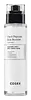
This anti-aging serum is formulated around Niacinamide and Acetyl Hexapeptide-8 to soften the look of wrinkles and strengthen the skin barrier.


What's inside
What's inside
 Key Ingredients
Benefits
Concerns
Ingredients Side-by-side
Water
Skin ConditioningDipropylene Glycol
HumectantGlycerin
Humectant


Pentylene Glycol
Skin Conditioning
1,2-Hexanediol
Skin Conditioning
Niacinamide
Smoothing









Acetyl Hexapeptide-8
Humectant
Copper Tripeptide-1
Skin Conditioning
Sh-Polypeptide-121
Skin Conditioning
Dipeptide Diaminobutyroyl Benzylamide Diacetate
Skin Conditioning
Oligopeptide-68
Bleaching
Palmitoyl Tripeptide-8
Skin Conditioning
Allantoin
Skin Conditioning
Sodium Hyaluronate
Humectant
Acetyl Glucosamine
Skin Conditioning
Serine
Masking
Alanine
Masking
Glycine
Buffering
Threonine
Arginine
Masking
Proline
Skin Conditioning
Betaine
Humectant
Sodium PCA
Humectant
Sodium Lactate
Buffering
PCA
Humectant
Glutamic Acid
Humectant
Lysine Hcl
Skin Conditioning
Tocopherol
Antioxidant

Dextran
Glycine Soja Oil
Emollient





Hydrogenated Lecithin
Emulsifying
Ammonium Acryloyldimethyltaurate/Vp Copolymer
Polyacrylate Crosspolymer-6
Emulsion StabilisingButylene Glycol
Humectant
Xanthan Gum
EmulsifyingEthylhexylglycerin
Skin ConditioningAdenosine
Skin Conditioning
Polyquaternium-51
Skin Conditioning
Disodium EDTA
ChelatingCitric Acid
Buffering
Caprylyl Glycol
Emollient
T-Butyl Alcohol
Perfuming



Potassium Sorbate
Preservative
Sodium Oleate
CleansingWater, Dipropylene Glycol, Glycerin, Pentylene Glycol, 1,2-Hexanediol, Niacinamide, Acetyl Hexapeptide-8, Copper Tripeptide-1, Sh-Polypeptide-121, Dipeptide Diaminobutyroyl Benzylamide Diacetate, Oligopeptide-68, Palmitoyl Tripeptide-8, Allantoin, Sodium Hyaluronate, Acetyl Glucosamine, Serine, Alanine, Glycine, Threonine, Arginine, Proline, Betaine, Sodium PCA, Sodium Lactate, PCA, Glutamic Acid, Lysine Hcl, Tocopherol, Dextran, Glycine Soja Oil, Hydrogenated Lecithin, Ammonium Acryloyldimethyltaurate/Vp Copolymer, Polyacrylate Crosspolymer-6, Butylene Glycol, Xanthan Gum, Ethylhexylglycerin, Adenosine, Polyquaternium-51, Disodium EDTA, Citric Acid, Caprylyl Glycol, T-Butyl Alcohol, Potassium Sorbate, Sodium Oleate
Water
Skin ConditioningGlycerin
Humectant
Isoamyl Laurate
Emollient
Isododecane
EmollientPolyglyceryl-6 Pentaoleate
Emulsifying
Caprylic/Capric Triglyceride
Masking
Butylene Glycol
Humectant
Squalane
Emollient
Polyglyceryl-3 Polyricinoleate
Emulsifying
Propanediol
Solvent
Daemonorops Draco Extract
AstringentEctoin
Skin Conditioning
1,2-Hexanediol
Skin Conditioning
Phenoxyethanol
Preservative
Triethyl Citrate
Masking
Magnesium Sulfate
Stearalkonium Hectorite
Gel FormingSodium Lauroyl Lactylate
EmulsifyingSodium Hyaluronate Crosspolymer
Humectant
Saccharomyces Ferment Filtrate
Humectant
Propylene Carbonate
SolventPanthenol
Skin Conditioning
Allantoin
Skin Conditioning
Cocos Nucifera Fruit Powder
Skin Conditioning
Ethylhexylglycerin
Skin ConditioningTocopherol
Antioxidant
Glycine Soja Oil
Emollient
Hydrolyzed Rice Bran Extract
Skin ConditioningCeramide NP
Skin Conditioning
Ceramide AP
Skin Conditioning
Phytosphingosine
Skin Conditioning
Cholesterol
Emollient
Citric Acid
Buffering
Sodium Hyaluronate
Humectant
Polyglutamic Acid
Skin Conditioning
Maltodextrin
Absorbent
Xanthan Gum
EmulsifyingCarbomer
Emulsion StabilisingSodium Benzoate
Masking
Dimethylheptenal
Perfuming
Cucumis Sativus Fruit Water
Skin ConditioningRicinus Communis Seed Oil
Masking
Viola Odorata Leaf Extract
MaskingSodium Starch Octenylsuccinate
AbsorbentHexylene Glycol
EmulsifyingCopper Tripeptide-1
Skin Conditioning
Caprylyl Glycol
Emollient
Potassium Sorbate
Preservative
Ceramide EOP
Skin Conditioning
Benzyl Salicylate
Perfuming

Linalyl Acetate
Masking
Water, Glycerin, Isoamyl Laurate, Isododecane, Polyglyceryl-6 Pentaoleate, Caprylic/Capric Triglyceride, Butylene Glycol, Squalane, Polyglyceryl-3 Polyricinoleate, Propanediol, Daemonorops Draco Extract, Ectoin, 1,2-Hexanediol, Phenoxyethanol, Triethyl Citrate, Magnesium Sulfate, Stearalkonium Hectorite, Sodium Lauroyl Lactylate, Sodium Hyaluronate Crosspolymer, Saccharomyces Ferment Filtrate, Propylene Carbonate, Panthenol, Allantoin, Cocos Nucifera Fruit Powder, Ethylhexylglycerin, Tocopherol, Glycine Soja Oil, Hydrolyzed Rice Bran Extract, Ceramide NP, Ceramide AP, Phytosphingosine, Cholesterol, Citric Acid, Sodium Hyaluronate, Polyglutamic Acid, Maltodextrin, Xanthan Gum, Carbomer, Sodium Benzoate, Dimethylheptenal, Cucumis Sativus Fruit Water, Ricinus Communis Seed Oil, Viola Odorata Leaf Extract, Sodium Starch Octenylsuccinate, Hexylene Glycol, Copper Tripeptide-1, Caprylyl Glycol, Potassium Sorbate, Ceramide EOP, Benzyl Salicylate, Linalyl Acetate
Reviews
Ingredients Explained
These ingredients are found in both products.
Ingredients higher up in an ingredient list are typically present in a larger amount.
1,2-Hexanediol is a synthetic liquid and another multi-functional powerhouse.
It is a:
- Humectant, drawing moisture into the skin
- Emollient, helping to soften skin
- Solvent, dispersing and stabilizing formulas
- Preservative booster, enhancing the antimicrobial activity of other preservatives
Allantoin is a soothing ingredient known for its protective and moisturizing properties; it's basically a quiet workhorse ingredient you can find in a huge range of cosmetics.
Though it can be derived from the comfrey plant, allantoin is produced synthetically for cosmetic products to ensure purity.
Research shows it can encourage your skin cells to turn over and renew by stimulating keratinocyte and fibroblast proliferation.
It also has mild keratolytic properties to help loosen and shed dead skin cells without being harsh.
Studies also suggest allantoin can help calm inflammation by dialing down some of the chemical signals your skin sends out when it is irritated.
This ingredient is typically used in the 0.1-0.5% range, and the FDA recognizes it as a skin protectant in OTC products up to 2%.
Overall, allantoin is a wonderful addition to most routines; it is stable across a wide pH range (~4-8), works well with other ingredients, and is considered non-sensitizing/non-irritating.
Fun fact: Allantoin is naturally occurring in comfrey root, beets, chamomile, and wheat sprouts. Our bodies even produce it as a byproduct of uric acid metabolism.
Learn more about AllantoinButylene Glycol (or BG) is used within cosmetic products for a few different reasons:
Overall, Butylene Glycol is a safe and well-rounded ingredient that works well with other ingredients.
Though this ingredient works well with most skin types, some people with sensitive skin may experience a reaction such as allergic rashes, closed comedones, or itchiness.
Learn more about Butylene GlycolCaprylyl Glycol is a humectant, skin conditioner, emollient, and preservative booster derived from either caprylic acid or synthetically created.
Typical use levels vary from 0.3-1% as a preservative booster and go up to 2% to condition skin.
Because it is not a free-fatty acid, this ingredient is fungal acne safe (there's nothing for Malassezia to feed on).
Learn more about Caprylyl GlycolCitric Acid is an alpha hydroxy acid (AHA) naturally found in citrus fruits like oranges, lemons, and limes.
Like other AHAs, citric acid can exfoliate skin by breaking down the bonds that hold dead skin cells together. This helps reveal smoother and brighter skin underneath.
However, this exfoliating effect only happens at high concentrations (20%) which can be hard to find in cosmetic products.
Due to this, citric acid is usually included in small amounts as a pH adjuster. This helps keep products slightly more acidic and compatible with skin's natural pH.
In skincare formulas, citric acid can:
While it can provide some skin benefits, research shows lactic acid and glycolic acid are generally more effective and less irritating exfoliants.
Most citric acid used in skincare today is made by fermenting sugars (usually from molasses). This synthetic version is identical to the natural citrus form but easier to stabilize and use in formulations.
Rosacea skin has a lower threshold for acids generally, with 62.5% of rosacea subjects in one study reacting to lactic acid in a sting test. This is why we mark citric acid as a potential rosacea trigger.
However, this ingredient shows up as a pH adjuster or chelator at roughly 0.1-1% in many products. These low levels are unlikely to be an issue for rosacea skin and becomes a potential trigger at exfoliating concentrations (20%). Because everybody's skin is unique, we recommend a patch test if you are unsure.
Learn more about Citric AcidCopper Tripeptide-1 (GHK-Cu) is a skin repairing ingredient said to boost collagen, improve firmness, and support skin regeneration.
It is a complex made up of a naturally occurring peptide (glycine-histidine-lysine) and copper, an essential trace element.
While studying wound healing, researchers noticed GHK-Cu stimulated hair follicle enlargement and growth by keeping hair in its active growth phase longer. This has made it a promising ingredient for hair regrowth treatments.
Some people have reported increased facial hair. While GHK-Cu can make your hair follicles bigger, it usually doesn’t turn soft, barely-visible facial hairs into thick, dark ones.
Anecdotal reports suggest that overusing copper peptides might lead to premature aging due to excess free copper or enzyme imbalances. This claim isn’t backed by large-scale studies.
Unfortunately, there are limited human studies for this ingredient. While early results are promising, many studies are either small, in-vitro, or not rigorously controlled.
For example, there is a 1998 study that explored the effects of copper tripeptide, vitamin C, tretinoin, and melatonin on skin repair and collagen synthesis.
After one month, increased procollagen production was seen in 7 out of 10 participants using copper tripeptide (more than those using vitamin C, melatonin, or tretinoin.
While the study was exploratory, it offers early evidence that copper tripeptide may support collagen production. Larger, well-designed trials are still needed to confirm its potential and understand individual responses.
Read more about other common types of peptides here:
Learn more about Copper Tripeptide-1Ethylhexylglycerin is created from glycerin. It is a multitasker ingredient that:
The CIR Expert Panel found minimal skin absorption or sensitization of any kind in a safety assessment. Though this ingredient is considered well-tolerated, a small number of cases of allergic dermatitis have been published since 2002. Just be sure to patch test if you are unsure.
Industry-reported use ranges from 8% in rinse-off products and 2% in leave-on formulations.
Learn more about EthylhexylglycerinGlycerin (or glycerol) is a compound naturally found in your skin. It's a powerhouse humectant that pulls water into the stratum corneum.
Topically, glycerin does several things at once:
Your skin makes glycerin on its own (mostly from sebaceous oil breakdown) and shuttles it to your outermost layer of skin, or your epidermis, via aquaporin-3.
Aquaporin-3 is a transporter that is essential for normal skin hydration, elasticity, and repair. Interestingly, mice lacking in AQP3 have dry and less elastic skin that can be fully corrected with glycerin.
This ingredient is non-irritating, plays well with almost every ingredient, and works across all skin types. Typical use is anywhere between 3-10% but can go up to 79% in some leave-on products.
Just know very high concentrations (>40%) can feel tacky in low humidity.
Glycerin is the name for this ingredient in American English. British English uses Glycerol/Glycerine.
Learn more about GlycerinGlycine Soja Oil is a plant-derived oil from soybean seeds. Like other oils, it is rich in essential fatty acids (mostly linoleic and oleic) that support skin hydration and barrier function.
The fatty acids are able to integrate into the lipid matrix of the stratum corneum to help soften skin and reduce water loss.
On top of that, soybean oil is rich in vitamins like vitamin E, a potent antioxidant.
Research on soybean's active components also point to anti-inflammatory, collagen-stimulating, antioxidant activity, and protection against UV-induced oxidative damage.
Most of this research applies to the broader soybean plant and not just the oil fraction alone.
This ingredient does carry a comedogenic rating of 3 from the old rabbit-ear assay. Just remember testing finished products in humans showed that formulas built with "comedogenic" ingredients are not necessarily comedogenic themselves. It's worth patch testing if you're breakout prone, and always listen to your skin.
Because this ingredient is a saturated triglyceride, it may not be fungal acne safe. This is because Malassezia breaks down sebum triglycerides into fatty acids it can consume, making this ingredient a possible source for the yeast.
Learn more about Glycine Soja OilPotassium Sorbate is a preservative used to prevent yeast and mold in products. It is commonly found in both cosmetic and food products.
This ingredient comes from potassium salt derived from sorbic acid. Sorbic acid is a natural antibiotic and effective against fungus.
Both potassium sorbate and sorbic acid can be found in baked goods, cheeses, dried meats, dried fruit, ice cream, pickles, wine, yogurt, and more.
You'll often find this ingredient used with other preservatives.
Learn more about Potassium SorbateSodium Hyaluronate is the salt form of hyaluronic acid. It is a long sugar chain that is naturally found in your skin, joints, and connective tissue that maintains hydration and elasticity.
In skincare, it works as a humectant. It pulls water from the environment and deeper layers of skin and binds it to the surface.
Interestingly, the size of the molecule affects its behavior:
Some clinical evidence links low molecular weight versions to improved wrinkle depth, elasticity, anti-inflammatory effects, and barrier repair.
Many serums use a blend of both weights so you can get surface hydration plus longer-lasting and deeper effects.
You'll typically see concentrations between 0.1-2% for this ingredient.
Learn more about Sodium HyaluronateTocopherol is a fat-soluble antioxidant known as Vitamin E.
You'll find this ingredient in the vast majority of skincare (for good reason). It works to neutralize free radicals, or unstable molecules generated by UV exposure, pollution, and other environmental stressors, before they can cause oxidative damage to your skin cells.
Topically applied tocopherol has been shown to protect against UV damage by ramping up the skin's own natural defense enzymes.
It also acts as a skin conditioning agent; some studies show that regular topical use can improve the skin's water-binding capacity over 2-4 weeks.
This ingredient is especially loved for being a team player. When combined with Vitamin C, the photoprotective effect of both ingredients roughly doubles and the combo also helps reduce UV-induced DNA damage.
This ingredient has some brightening potential but it's more of a prevention ingredient than spot-fader. Cell studies show it can slow down melanin production but it's worth noting that it's not the most powerful brightener out there.
In formulations, it also serves as a stabilizer that helps protect other oxidation-prone ingredients from degrading.
Concentrations usually range from 0.1-1% in most leave-on products.
Learn more about TocopherolWater. It's the most common cosmetic ingredient of all. You'll usually see it at the top of ingredient lists, meaning that it makes up the largest part of the product.
So why is it so popular? Water most often acts as a solvent - this means that it helps dissolve other ingredients into the formulation.
You'll also recognize water as that liquid we all need to stay alive. If you see this, drink a glass of water. Remember to stay hydrated!
Learn more about WaterXanthan gum is used as a stabilizer and thickener within cosmetic products. It helps give products a sticky, thick feeling - preventing them from being too runny.
On the technical side of things, xanthan gum is a polysaccharide - a combination consisting of multiple sugar molecules bonded together.
Xanthan gum is a pretty common and great ingredient. It is a natural, non-toxic, non-irritating ingredient that is also commonly used in food products.
Learn more about Xanthan Gum

