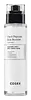
This anti-aging serum is formulated around Niacinamide and Acetyl Hexapeptide-8 to soften the look of wrinkles and strengthen the skin barrier.
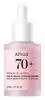
This brightening serum is formulated around Niacinamide and Alpha-Arbutin to brighten dull-looking skin and fade the look of dark spots.

What's inside
What's inside
 Key Ingredients
Benefits
Concerns
Ingredients Side-by-side
Water
Skin ConditioningDipropylene Glycol
HumectantGlycerin
Humectant


Pentylene Glycol
Skin Conditioning
1,2-Hexanediol
Skin Conditioning
Niacinamide
Smoothing









Acetyl Hexapeptide-8
Humectant
Copper Tripeptide-1
Skin Conditioning
Sh-Polypeptide-121
Skin Conditioning
Dipeptide Diaminobutyroyl Benzylamide Diacetate
Skin Conditioning
Oligopeptide-68
Bleaching
Palmitoyl Tripeptide-8
Skin Conditioning
Allantoin
Skin Conditioning
Sodium Hyaluronate
Humectant
Acetyl Glucosamine
Skin Conditioning
Serine
Masking
Alanine
Masking
Glycine
Buffering
Threonine
Arginine
Masking
Proline
Skin Conditioning
Betaine
Humectant
Sodium PCA
Humectant
Sodium Lactate
Buffering
PCA
Humectant
Glutamic Acid
Humectant
Lysine Hcl
Skin Conditioning
Tocopherol
Antioxidant

Dextran
Glycine Soja Oil
Emollient





Hydrogenated Lecithin
Emulsifying
Ammonium Acryloyldimethyltaurate/Vp Copolymer
Polyacrylate Crosspolymer-6
Emulsion StabilisingButylene Glycol
Humectant
Xanthan Gum
EmulsifyingEthylhexylglycerin
Skin ConditioningAdenosine
Skin Conditioning
Polyquaternium-51
Skin Conditioning
Disodium EDTA
ChelatingCitric Acid
Buffering
Caprylyl Glycol
Emollient
T-Butyl Alcohol
Perfuming



Potassium Sorbate
Preservative
Sodium Oleate
CleansingWater, Dipropylene Glycol, Glycerin, Pentylene Glycol, 1,2-Hexanediol, Niacinamide, Acetyl Hexapeptide-8, Copper Tripeptide-1, Sh-Polypeptide-121, Dipeptide Diaminobutyroyl Benzylamide Diacetate, Oligopeptide-68, Palmitoyl Tripeptide-8, Allantoin, Sodium Hyaluronate, Acetyl Glucosamine, Serine, Alanine, Glycine, Threonine, Arginine, Proline, Betaine, Sodium PCA, Sodium Lactate, PCA, Glutamic Acid, Lysine Hcl, Tocopherol, Dextran, Glycine Soja Oil, Hydrogenated Lecithin, Ammonium Acryloyldimethyltaurate/Vp Copolymer, Polyacrylate Crosspolymer-6, Butylene Glycol, Xanthan Gum, Ethylhexylglycerin, Adenosine, Polyquaternium-51, Disodium EDTA, Citric Acid, Caprylyl Glycol, T-Butyl Alcohol, Potassium Sorbate, Sodium Oleate
Prunus Persica Fruit Water 70%
Masking
Glycerin
Humectant
Niacinamide 5%
Smoothing
Butylene Glycol
Humectant
Diethoxyethyl Succinate
SolventWater
Skin Conditioning1,2-Hexanediol
Skin Conditioning
Lactobacillus Ferment
Skin Conditioning
Sodium Hyaluronate
Humectant
Sphingomonas Ferment Extract
Skin Conditioning
Alpha-Arbutin
Antioxidant
Melia Azadirachta Flower Extract
Skin ConditioningOcimum Sanctum Leaf Extract
Skin ConditioningMelia Azadirachta Leaf Extract
Skin ConditioningCarthamus Tinctorius Seed Oil
Masking
Salvia Hispanica Seed Oil
Emollient
Curcuma Longa Root Extract
Antioxidant
Corallina Officinalis Extract
Skin Conditioning
Hydrolyzed Hyaluronic Acid
Humectant
Chamaecyparis Obtusa Leaf Extract
Skin ConditioningPrunus Persica Flower Extract
MoisturisingCamellia Sinensis Seed Oil
Humectant
Yeast Ferment Extract
Skin ConditioningCentella Asiatica Extract
Cleansing
Artemisia Princeps Leaf Extract
Skin ConditioningCandida Bombicola/Glucose/Methyl Rapeseedate Ferment
AntimicrobialPentylene Glycol
Skin Conditioning
Polyglyceryl-10 Laurate
Skin Conditioning
Betaine Salicylate
Antimicrobial

Sodium Phytate
ChelatingCellulose
Absorbent
Caprylic/Capric Triglyceride
Masking
Hydrogenated Lecithin
Emulsifying
Panthenol
Skin Conditioning
Polyglutamic Acid
Skin Conditioning
Linoleic Acid
Cleansing
Linolenic Acid
Cleansing
Polyglyceryl-10 Oleate
Skin Conditioning
Sucrose Palmitate
EmollientCyanocobalamin
Skin Conditioning3-O-Ethyl Ascorbic Acid
Skin Conditioning
Ceramide NP
Skin Conditioning
Asiaticoside
Antioxidant
Madecassic Acid
Skin Conditioning
Asiatic Acid
Skin Conditioning
Xanthan Gum
EmulsifyingParfum
Masking
Prunus Persica Fruit Water 70%, Glycerin, Niacinamide 5%, Butylene Glycol, Diethoxyethyl Succinate, Water, 1,2-Hexanediol, Lactobacillus Ferment, Sodium Hyaluronate, Sphingomonas Ferment Extract, Alpha-Arbutin, Melia Azadirachta Flower Extract, Ocimum Sanctum Leaf Extract, Melia Azadirachta Leaf Extract, Carthamus Tinctorius Seed Oil, Salvia Hispanica Seed Oil, Curcuma Longa Root Extract, Corallina Officinalis Extract, Hydrolyzed Hyaluronic Acid, Chamaecyparis Obtusa Leaf Extract, Prunus Persica Flower Extract, Camellia Sinensis Seed Oil, Yeast Ferment Extract, Centella Asiatica Extract, Artemisia Princeps Leaf Extract, Candida Bombicola/Glucose/Methyl Rapeseedate Ferment, Pentylene Glycol, Polyglyceryl-10 Laurate, Betaine Salicylate, Sodium Phytate, Cellulose, Caprylic/Capric Triglyceride, Hydrogenated Lecithin, Panthenol, Polyglutamic Acid, Linoleic Acid, Linolenic Acid, Polyglyceryl-10 Oleate, Sucrose Palmitate, Cyanocobalamin, 3-O-Ethyl Ascorbic Acid, Ceramide NP, Asiaticoside, Madecassic Acid, Asiatic Acid, Xanthan Gum, Parfum
Reviews
Ingredients Explained
These ingredients are found in both products.
Ingredients higher up in an ingredient list are typically present in a larger amount.
1,2-Hexanediol is a synthetic liquid and another multi-functional powerhouse.
It is a:
- Humectant, drawing moisture into the skin
- Emollient, helping to soften skin
- Solvent, dispersing and stabilizing formulas
- Preservative booster, enhancing the antimicrobial activity of other preservatives
Butylene Glycol (or BG) is used within cosmetic products for a few different reasons:
Overall, Butylene Glycol is a safe and well-rounded ingredient that works well with other ingredients.
Though this ingredient works well with most skin types, some people with sensitive skin may experience a reaction such as allergic rashes, closed comedones, or itchiness.
Learn more about Butylene GlycolGlycerin (or glycerol) is a compound naturally found in your skin. It's a powerhouse humectant that pulls water into the stratum corneum.
Topically, glycerin does several things at once:
Your skin makes glycerin on its own (mostly from sebaceous oil breakdown) and shuttles it to your outermost layer of skin, or your epidermis, via aquaporin-3.
Aquaporin-3 is a transporter that is essential for normal skin hydration, elasticity, and repair. Interestingly, mice lacking in AQP3 have dry and less elastic skin that can be fully corrected with glycerin.
This ingredient is non-irritating, plays well with almost every ingredient, and works across all skin types. Typical use is anywhere between 3-10% but can go up to 79% in some leave-on products.
Just know very high concentrations (>40%) can feel tacky in low humidity.
Glycerin is the name for this ingredient in American English. British English uses Glycerol/Glycerine.
Learn more about GlycerinHydrogenated Lecithin is a more stable version of lecithin.
It's made by taking lecithin (a phospholipid commonly found in soybeans and egg yolks) and hydrogenating it. This just means the unsaturated fatty acids are turned into saturated ones so they don't go bad as easily.
This ingredient is an emollient, emulsifier, and penetration enhancer. As an emollient, it helps soften and hydrate skin by trapping moisture within. As an emulsifier, it prevents oil and water ingredients from separating.
Hydrogenated Lecithin can form tiny spherical structures made of phospholipid bilayers called liposomes. These liposomes are able to capture compounds inside their structure and deliver them through the skin barrier.
Because phospholipids are a natural component of our cell membranes, this ingredient is inherently compatible with skin.
A 2021 study found lecithin-based surfactants were less harsh and more tolerable comared to Sodium Lauryl Sulfate (SLS).
Learn more about Hydrogenated LecithinNiacinamide is a multitasking form of vitamin B3 that strengthens the skin barrier, reduces pores and dark spots, regulates oil, and improves signs of aging.
And the best part? It's gentle and well-tolerated by most skin types, including sensitive and reactive skin.
You might have heard of "niacin flush", or the reddening of skin that causes itchiness. Niacinamide has not been found to cause this.
In very rare cases, some individuals may not be able to tolerate niacinamide at all or experience an allergic reaction to it.
If you are experiencing flaking, irritation, and dryness with this ingredient, be sure to double check all your products as this ingredient can be found in all categories of skincare.
When incorporating niacinamide into your routine, look out for concentration amounts. Typically, 5% niacinamide provides benefits such as fading dark spots. However, if you have sensitive skin, it is better to begin with a smaller concentration.
When you apply niacinamide to your skin, your body converts it into nicotinamide adenine dinucleotide (NAD). NAD is an essential coenzyme that is already found in your cells as "fuel" and powers countless biological processes.
In your skin, NAD helps repair cell damage, produce new healthy cells, support collagen production, strengthen the skin barrier, and fight environmental stressors (like UV and pollution).
Our natural NAD levels start to decline with age, leading to slower skin repair, visible aging, and a weaker skin barrier. By providing your skin niacinamide, you're recharging your skin's NAD levels. This leads to stronger, healthier, and younger looking skin.
Another name for vitamin B3 is nicotinamide. This vitamin is water-soluble and our bodies don't store it. We obtain Vitamin B3 from either food or skincare. Meat, fish, wheat, yeast, and leafy greens contain vitamin B3.
The type of niacinamide used in skincare is synthetically created.
Learn more about NiacinamidePentylene Glycol (1,2-pentanediol) is a multitasking little diol with three main roles in a formula:
Research on alkanediols (the family pentylene glycol belongs to) show they work by disrupting microbial cell membranes. This disruption helps the primary preservative system in a product work more effectively at lower doses.
On the safety side, the Cosmetic Ingredient Review Expert Panel has concluded this ingredient to be safe as used in current cosmetic practices + concentrations.
Typical use levels in a formula run about 1-5%.
Learn more about Pentylene GlycolSodium Hyaluronate is the salt form of hyaluronic acid. It is a long sugar chain that is naturally found in your skin, joints, and connective tissue that maintains hydration and elasticity.
In skincare, it works as a humectant. It pulls water from the environment and deeper layers of skin and binds it to the surface.
Interestingly, the size of the molecule affects its behavior:
Some clinical evidence links low molecular weight versions to improved wrinkle depth, elasticity, anti-inflammatory effects, and barrier repair.
Many serums use a blend of both weights so you can get surface hydration plus longer-lasting and deeper effects.
You'll typically see concentrations between 0.1-2% for this ingredient.
Learn more about Sodium HyaluronateWater. It's the most common cosmetic ingredient of all. You'll usually see it at the top of ingredient lists, meaning that it makes up the largest part of the product.
So why is it so popular? Water most often acts as a solvent - this means that it helps dissolve other ingredients into the formulation.
You'll also recognize water as that liquid we all need to stay alive. If you see this, drink a glass of water. Remember to stay hydrated!
Learn more about WaterXanthan gum is used as a stabilizer and thickener within cosmetic products. It helps give products a sticky, thick feeling - preventing them from being too runny.
On the technical side of things, xanthan gum is a polysaccharide - a combination consisting of multiple sugar molecules bonded together.
Xanthan gum is a pretty common and great ingredient. It is a natural, non-toxic, non-irritating ingredient that is also commonly used in food products.
Learn more about Xanthan Gum

