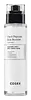
This anti-aging serum is formulated around Niacinamide and Acetyl Hexapeptide-8 to soften the look of wrinkles and strengthen the skin barrier.
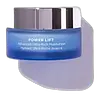
This anti-aging moisturizer is formulated around Butyrospermum Parkii Butter and Dipeptide Diaminobutyroyl Benzylamide Diacetate to soften the look of wrinkles and hydrate skin.


What's inside
What's inside
 Key Ingredients
Benefits
Concerns
Ingredients Side-by-side
Water
Skin ConditioningDipropylene Glycol
HumectantGlycerin
Humectant


Pentylene Glycol
Skin Conditioning
1,2-Hexanediol
Skin Conditioning
Niacinamide
Smoothing









Acetyl Hexapeptide-8
Humectant
Copper Tripeptide-1
Skin Conditioning
Sh-Polypeptide-121
Skin Conditioning
Dipeptide Diaminobutyroyl Benzylamide Diacetate
Skin Conditioning
Oligopeptide-68
Bleaching
Palmitoyl Tripeptide-8
Skin Conditioning
Allantoin
Skin Conditioning
Sodium Hyaluronate
Humectant
Acetyl Glucosamine
Skin Conditioning
Serine
Masking
Alanine
Masking
Glycine
Buffering
Threonine
Arginine
Masking
Proline
Skin Conditioning
Betaine
Humectant
Sodium PCA
Humectant
Sodium Lactate
Buffering
PCA
Humectant
Glutamic Acid
Humectant
Lysine Hcl
Skin Conditioning
Tocopherol
Antioxidant

Dextran
Glycine Soja Oil
Emollient





Hydrogenated Lecithin
Emulsifying
Ammonium Acryloyldimethyltaurate/Vp Copolymer
Polyacrylate Crosspolymer-6
Emulsion StabilisingButylene Glycol
Humectant
Xanthan Gum
EmulsifyingEthylhexylglycerin
Skin ConditioningAdenosine
Skin Conditioning
Polyquaternium-51
Skin Conditioning
Disodium EDTA
Citric Acid
Buffering
Caprylyl Glycol
Emollient
T-Butyl Alcohol
Perfuming



Potassium Sorbate
Preservative
Sodium Oleate
CleansingWater, Dipropylene Glycol, Glycerin, Pentylene Glycol, 1,2-Hexanediol, Niacinamide, Acetyl Hexapeptide-8, Copper Tripeptide-1, Sh-Polypeptide-121, Dipeptide Diaminobutyroyl Benzylamide Diacetate, Oligopeptide-68, Palmitoyl Tripeptide-8, Allantoin, Sodium Hyaluronate, Acetyl Glucosamine, Serine, Alanine, Glycine, Threonine, Arginine, Proline, Betaine, Sodium PCA, Sodium Lactate, PCA, Glutamic Acid, Lysine Hcl, Tocopherol, Dextran, Glycine Soja Oil, Hydrogenated Lecithin, Ammonium Acryloyldimethyltaurate/Vp Copolymer, Polyacrylate Crosspolymer-6, Butylene Glycol, Xanthan Gum, Ethylhexylglycerin, Adenosine, Polyquaternium-51, Disodium EDTA, Citric Acid, Caprylyl Glycol, T-Butyl Alcohol, Potassium Sorbate, Sodium Oleate
Water
Skin ConditioningButylene Glycol
Humectant
Silybum Marianum Ethyl Ester
Skin ConditioningGlycerin
Humectant
Caprylic/Capric Triglyceride
Masking
Cetearyl Alcohol
Emollient
Echinacea Purpurea Extract
MoisturisingBehenyl Alcohol
Emollient
Butyrospermum Parkii Butter
Skin Conditioning
Dipeptide Diaminobutyroyl Benzylamide Diacetate
Skin Conditioning
Isononyl Isononanoate
EmollientArachidyl Alcohol
Emollient
Ethylhexyl Isononanoate
EmollientOryza Sativa Bran
Abrasive
Leuconostoc/Radish Root Ferment Filtrate
Antimicrobial
Panthenol
Skin Conditioning
Tetrahydroxypropyl Ethylenediamine
ChelatingCaprylyl Glycol
Emollient
1,2-Hexanediol
Skin Conditioning
Arachidyl Glucoside
EmulsifyingMenthoxypropanediol
Masking
Hydroxyethyl Acrylate/Sodium Acryloyldimethyl Taurate Copolymer
Emulsion StabilisingAcrylates/C10-30 Alkyl Acrylate Crosspolymer
Emulsion StabilisingTocopheryl Acetate
Antioxidant
Xanthan Gum
EmulsifyingCetearyl Glucoside
Emulsifying
Sorbitan Laurate
Emulsifying
Squalane
Emollient
Cyclodextrin
AbsorbentTetrahexyldecyl Ascorbate
Antioxidant
Buddleja Davidii Extract
Skin ConditioningDisodium EDTA
ChelatingO-Cymen-5-Ol
Antimicrobial
Sodium Hyaluronate
Humectant
Polysorbate 60
Emulsifying
Ananas Sativus Fruit Extract
Skin ConditioningHydroxyethylcellulose
Emulsion StabilisingAcetyl Dipeptide-1 Cetyl Ester
Skin Conditioning
Sodium Benzoate
Masking
Citric Acid
Buffering
Potassium Sorbate
Preservative
Glycyrrhiza Glabra Root Extract
Bleaching
Pyridoxine Tris-Hexyldecanoate
HumectantArbutin
Antioxidant
Magnesium Ascorbyl Phosphate
Antioxidant
Tropolone
Skin ConditioningMyristoyl Tripeptide-31
Skin Conditioning
Sodium Metabisulfite
Antioxidant
Hexapeptide-10
Humectant
Diacetyl Boldine
Skin Conditioning
Triethyl Citrate
Masking
Lavandula Angustifolia Flower/Leaf/Stem Extract
Masking
Citrus Aurantium Bergamia Fruit Oil
Masking
Camellia Sinensis Leaf Extract
Antimicrobial
Salvia Officinalis Oil
Masking
Cupressus Sempervirens Oil
Masking
Rosmarinus Officinalis Leaf Oil
Masking
Coriandrum Sativum Fruit Oil
Masking
Salvia Sclarea Oil
Masking
Fucus Vesiculosus Extract
Emollient
Jasminum Officinale Flower/Leaf Extract
Masking
Rosa Damascena Flower Extract
Masking
Vanilla Planifolia Fruit Extract
Skin Conditioning
Rosmarinus Officinalis Leaf Extract
AntimicrobialWater, Butylene Glycol, Silybum Marianum Ethyl Ester, Glycerin, Caprylic/Capric Triglyceride, Cetearyl Alcohol, Echinacea Purpurea Extract, Behenyl Alcohol, Butyrospermum Parkii Butter, Dipeptide Diaminobutyroyl Benzylamide Diacetate, Isononyl Isononanoate, Arachidyl Alcohol, Ethylhexyl Isononanoate, Oryza Sativa Bran, Leuconostoc/Radish Root Ferment Filtrate, Panthenol, Tetrahydroxypropyl Ethylenediamine, Caprylyl Glycol, 1,2-Hexanediol, Arachidyl Glucoside, Menthoxypropanediol, Hydroxyethyl Acrylate/Sodium Acryloyldimethyl Taurate Copolymer, Acrylates/C10-30 Alkyl Acrylate Crosspolymer, Tocopheryl Acetate, Xanthan Gum, Cetearyl Glucoside, Sorbitan Laurate, Squalane, Cyclodextrin, Tetrahexyldecyl Ascorbate, Buddleja Davidii Extract, Disodium EDTA, O-Cymen-5-Ol, Sodium Hyaluronate, Polysorbate 60, Ananas Sativus Fruit Extract, Hydroxyethylcellulose, Acetyl Dipeptide-1 Cetyl Ester, Sodium Benzoate, Citric Acid, Potassium Sorbate, Glycyrrhiza Glabra Root Extract, Pyridoxine Tris-Hexyldecanoate, Arbutin, Magnesium Ascorbyl Phosphate, Tropolone, Myristoyl Tripeptide-31, Sodium Metabisulfite, Hexapeptide-10, Diacetyl Boldine, Triethyl Citrate, Lavandula Angustifolia Flower/Leaf/Stem Extract, Citrus Aurantium Bergamia Fruit Oil, Camellia Sinensis Leaf Extract, Salvia Officinalis Oil, Cupressus Sempervirens Oil, Rosmarinus Officinalis Leaf Oil, Coriandrum Sativum Fruit Oil, Salvia Sclarea Oil, Fucus Vesiculosus Extract, Jasminum Officinale Flower/Leaf Extract, Rosa Damascena Flower Extract, Vanilla Planifolia Fruit Extract, Rosmarinus Officinalis Leaf Extract
Reviews
Ingredients Explained
These ingredients are found in both products.
Ingredients higher up in an ingredient list are typically present in a larger amount.
1,2-Hexanediol is a synthetic liquid and another multi-functional powerhouse.
It is a:
- Humectant, drawing moisture into the skin
- Emollient, helping to soften skin
- Solvent, dispersing and stabilizing formulas
- Preservative booster, enhancing the antimicrobial activity of other preservatives
Butylene Glycol (or BG) is used within cosmetic products for a few different reasons:
Overall, Butylene Glycol is a safe and well-rounded ingredient that works well with other ingredients.
Though this ingredient works well with most skin types, some people with sensitive skin may experience a reaction such as allergic rashes, closed comedones, or itchiness.
Learn more about Butylene GlycolCaprylyl Glycol is a humectant, skin conditioner, emollient, and preservative booster derived from either caprylic acid or synthetically created.
Typical use levels vary from 0.3-1% as a preservative booster and go up to 2% to condition skin.
Because it is not a free-fatty acid, this ingredient is fungal acne safe (there's nothing for Malassezia to feed on).
Learn more about Caprylyl GlycolCitric Acid is an alpha hydroxy acid (AHA) naturally found in citrus fruits like oranges, lemons, and limes.
Like other AHAs, citric acid can exfoliate skin by breaking down the bonds that hold dead skin cells together. This helps reveal smoother and brighter skin underneath.
However, this exfoliating effect only happens at high concentrations (20%) which can be hard to find in cosmetic products.
Due to this, citric acid is usually included in small amounts as a pH adjuster. This helps keep products slightly more acidic and compatible with skin's natural pH.
In skincare formulas, citric acid can:
While it can provide some skin benefits, research shows lactic acid and glycolic acid are generally more effective and less irritating exfoliants.
Most citric acid used in skincare today is made by fermenting sugars (usually from molasses). This synthetic version is identical to the natural citrus form but easier to stabilize and use in formulations.
Rosacea skin has a lower threshold for acids generally, with 62.5% of rosacea subjects in one study reacting to lactic acid in a sting test. This is why we mark citric acid as a potential rosacea trigger.
However, this ingredient shows up as a pH adjuster or chelator at roughly 0.1-1% in many products. These low levels are unlikely to be an issue for rosacea skin and becomes a potential trigger at exfoliating concentrations (20%). Because everybody's skin is unique, we recommend a patch test if you are unsure.
Learn more about Citric AcidThis small molecule peptide has similar benefits to Argireline, the "botox" peptide.
According to the manufacturer, this peptide mimics snake venom to freeze muscles. This prevents muscle movement and contractions to prohibit the formation of fine lines and wrinkles.
While this seems promising, research is lacking in proving this ingredient to be as effective as botox.
Learn more about Dipeptide Diaminobutyroyl Benzylamide DiacetateDisodium EDTA is a chelating agent. It grabs onto and deactivates metal ions that sneak into your products from water, packaging, or air.
This ingredient mainly works behind the scenes and helps with:
On top of that, this ingredient can counteract the effects of hard water by binding to the minerals in it.
One thing worth knowing is that Disodium EDTA has been shown to be a mild penetration enhancer. It can help other ingredients absorb into skin more effectively which can be a double-edged sword (great for actives, but can also make the active too strong if you have sensitive skin).
Clinical patch testing showed no significant skin irritation at typical use concentrations and minimal dermal absorption.
You'll most likely see this ingredient near the end of an ingredient list. It's typically found in concentrations less than 1%.
Learn more about Disodium EDTAGlycerin (or glycerol) is a compound naturally found in your skin. It's a powerhouse humectant that pulls water into the stratum corneum.
Topically, glycerin does several things at once:
Your skin makes glycerin on its own (mostly from sebaceous oil breakdown) and shuttles it to your outermost layer of skin, or your epidermis, via aquaporin-3.
Aquaporin-3 is a transporter that is essential for normal skin hydration, elasticity, and repair. Interestingly, mice lacking in AQP3 have dry and less elastic skin that can be fully corrected with glycerin.
This ingredient is non-irritating, plays well with almost every ingredient, and works across all skin types. Typical use is anywhere between 3-10% but can go up to 79% in some leave-on products.
Just know very high concentrations (>40%) can feel tacky in low humidity.
Glycerin is the name for this ingredient in American English. British English uses Glycerol/Glycerine.
Learn more about GlycerinPotassium Sorbate is a preservative used to prevent yeast and mold in products. It is commonly found in both cosmetic and food products.
This ingredient comes from potassium salt derived from sorbic acid. Sorbic acid is a natural antibiotic and effective against fungus.
Both potassium sorbate and sorbic acid can be found in baked goods, cheeses, dried meats, dried fruit, ice cream, pickles, wine, yogurt, and more.
You'll often find this ingredient used with other preservatives.
Learn more about Potassium SorbateSodium Hyaluronate is the salt form of hyaluronic acid. It is a long sugar chain that is naturally found in your skin, joints, and connective tissue that maintains hydration and elasticity.
In skincare, it works as a humectant. It pulls water from the environment and deeper layers of skin and binds it to the surface.
Interestingly, the size of the molecule affects its behavior:
Some clinical evidence links low molecular weight versions to improved wrinkle depth, elasticity, anti-inflammatory effects, and barrier repair.
Many serums use a blend of both weights so you can get surface hydration plus longer-lasting and deeper effects.
You'll typically see concentrations between 0.1-2% for this ingredient.
Learn more about Sodium HyaluronateWater. It's the most common cosmetic ingredient of all. You'll usually see it at the top of ingredient lists, meaning that it makes up the largest part of the product.
So why is it so popular? Water most often acts as a solvent - this means that it helps dissolve other ingredients into the formulation.
You'll also recognize water as that liquid we all need to stay alive. If you see this, drink a glass of water. Remember to stay hydrated!
Learn more about WaterXanthan gum is used as a stabilizer and thickener within cosmetic products. It helps give products a sticky, thick feeling - preventing them from being too runny.
On the technical side of things, xanthan gum is a polysaccharide - a combination consisting of multiple sugar molecules bonded together.
Xanthan gum is a pretty common and great ingredient. It is a natural, non-toxic, non-irritating ingredient that is also commonly used in food products.
Learn more about Xanthan Gum

