Clinique Even Better Clinical™ Dark Spot Corrector & Optimizer Versus Mac Cosmetics Hyper Real Serumizer Skin Balancing Hydration Serum
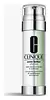
This brightening serum is formulated around Ascorbyl Glucoside and Acetyl Glucosamine to fade the look of dark spots and brighten dull-looking skin.
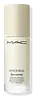
This hydrating serum is formulated around Niacinamide and Ceramide Ng to hydrate skin and refine skin texture.

What's inside
What's inside
 Key Ingredients
Benefits
Concerns
Ingredients Side-by-side
Water
Skin ConditioningDimethicone
Emollient

Butylene Glycol
Humectant

Isododecane
EmollientCyclopentasiloxane
Emollient
Polysilicone-11

Ascorbyl Glucoside
Antioxidant



Tromethamine
BufferingPentylene Glycol
Skin Conditioning
Curcuma Longa Root Extract
Antioxidant
Morus Bombycis Root Extract
Skin ConditioningCucumis Sativus Fruit Extract
Emollient

Betula Alba Bark Extract
Masking
Scutellaria Baicalensis Root Extract
Astringent
Trametes Versicolor Extract
Narcissus Tazetta Bulb Extract
Astringent

Triticum Vulgare Germ Extract
Skin ConditioningMorus Nigra Root Extract
Skin ConditioningMolasses Extract
Skin ConditioningCitrus Grandis Peel Extract
Astringent
Hordeum Vulgare Extract
EmollientSalicylic Acid
Masking







Oryza Sativa Bran Extract
Skin Conditioning
Algae Extract
Emollient
Caffeine
Skin Conditioning
Gentiana Lutea Root Extract
Skin ConditioningVitis Vinifera Fruit Extract
Skin ConditioningSaccharomyces Lysate Extract
Humectant
Camellia Sinensis Leaf Extract
Antimicrobial
Faex Extract
Skin ConditioningHydrolyzed Rice Bran Extract
Skin ConditioningHydrolyzed Prunus Domestica
Skin ConditioningSorbitol
Humectant
Cholesterol
Emollient
Phospholipids
Skin Conditioning
Dipotassium Glycyrrhizate
Humectant
Di-C12-18 Alkyl Dimonium Chloride
Skin ConditioningSqualane
Emollient
PEG-10 Dimethicone
Skin Conditioning
PEG-6
HumectantGlycerin
Humectant
Sucrose
Humectant
Polysorbate 20
Emulsifying
Tocopheryl Acetate
Antioxidant
Isohexadecane
EmollientAcetyl Glucosamine
Skin Conditioning
Propylene Glycol Dicaprate
EmollientArginine
Masking
Helianthus Annuus Seedcake
Abrasive
Sodium Rna
Skin ConditioningCaprylyl Glycol
Emollient
Dimethoxytolyl Propylresorcinol
Antioxidant
Glycyrrhetinic Acid
Skin Conditioning
Sodium Hyaluronate
Humectant
Polysorbate 80
Emulsifying
Ammonium Acryloyldimethyltaurate/Vp Copolymer
Acrylamide/Sodium Acryloyldimethyltaurate Copolymer
Emulsion StabilisingCarbomer
Emulsion StabilisingPotassium Sorbate
Preservative
Sodium Hydroxide
BufferingSodium Sulfite
Preservative
Sodium Metabisulfite
Antioxidant
Hexylene Glycol
EmulsifyingDisodium EDTA
ChelatingPhenoxyethanol
Preservative
CI 19140
Cosmetic ColorantCI 15985
Cosmetic ColorantWater, Dimethicone, Butylene Glycol, Isododecane, Cyclopentasiloxane, Polysilicone-11, Ascorbyl Glucoside, Tromethamine, Pentylene Glycol, Curcuma Longa Root Extract, Morus Bombycis Root Extract, Cucumis Sativus Fruit Extract, Betula Alba Bark Extract, Scutellaria Baicalensis Root Extract, Trametes Versicolor Extract, Narcissus Tazetta Bulb Extract, Triticum Vulgare Germ Extract, Morus Nigra Root Extract, Molasses Extract, Citrus Grandis Peel Extract, Hordeum Vulgare Extract, Salicylic Acid, Oryza Sativa Bran Extract, Algae Extract, Caffeine, Gentiana Lutea Root Extract, Vitis Vinifera Fruit Extract, Saccharomyces Lysate Extract, Camellia Sinensis Leaf Extract, Faex Extract, Hydrolyzed Rice Bran Extract, Hydrolyzed Prunus Domestica, Sorbitol, Cholesterol, Phospholipids, Dipotassium Glycyrrhizate, Di-C12-18 Alkyl Dimonium Chloride, Squalane, PEG-10 Dimethicone, PEG-6, Glycerin, Sucrose, Polysorbate 20, Tocopheryl Acetate, Isohexadecane, Acetyl Glucosamine, Propylene Glycol Dicaprate, Arginine, Helianthus Annuus Seedcake, Sodium Rna, Caprylyl Glycol, Dimethoxytolyl Propylresorcinol, Glycyrrhetinic Acid, Sodium Hyaluronate, Polysorbate 80, Ammonium Acryloyldimethyltaurate/Vp Copolymer, Acrylamide/Sodium Acryloyldimethyltaurate Copolymer, Carbomer, Potassium Sorbate, Sodium Hydroxide, Sodium Sulfite, Sodium Metabisulfite, Hexylene Glycol, Disodium EDTA, Phenoxyethanol, CI 19140, CI 15985
Water
Skin ConditioningDimethicone
Emollient
Butylene Glycol
Humectant
Glycerin
Humectant
Niacinamide
Smoothing
Trisiloxane
Skin Conditioning
Octyldodecyl Stearoyl Stearate
Emollient
Trehalose
Humectant
Paeonia Albiflora Flower Extract
TonicCholesterol
Emollient
Ceramide Ng
Skin Conditioning
Linoleic Acid
Cleansing
Salicylic Acid
Masking
Lactic Acid
Buffering
Glycolic Acid
Buffering
Citric Acid
Buffering
Algae Extract
Emollient
Saccharomyces Lysate Extract
Humectant
Betula Alba Bark Extract
Masking
Camellia Sinensis Leaf Extract
Antimicrobial
Thermus Thermophillus Ferment
Skin ConditioningLaminaria Saccharina Extract
Skin Protecting
Silybum Marianum Extract
Skin Conditioning
Caffeine
Skin Conditioning
Bis-PEG-18 Methyl Ether Dimethyl Silane
EmollientAcetyl Glucosamine
Skin Conditioning
Sodium Hyaluronate
Humectant
Sorbitol
Humectant
Sodium Magnesium Silicate
PEG-8
HumectantSucrose
Humectant
T-Butyl Alcohol
Perfuming

Polyacrylate Crosspolymer-6
Emulsion StabilisingOleth-10
EmulsifyingCarbomer
Emulsion StabilisingAmmonium Acryloyldimethyltaurate/Vp Copolymer
Xanthan Gum
EmulsifyingHydrogenated Lecithin
Emulsifying
Jojoba Wax PEG-120 Esters
Surfactant
Sodium Hydroxide
BufferingTromethamine
BufferingDi-C12-18 Alkyl Dimonium Chloride
Skin ConditioningSilica
Abrasive
Parfum
Masking
Benzyl Salicylate
Perfuming
Limonene
Perfuming
Linalool
Perfuming
CI 77891
Cosmetic ColorantSynthetic Fluorphlogopite
Tin Oxide
Abrasive
Mica
Cosmetic ColorantCaprylyl Glycol
Emollient
BHT
Antioxidant
Disodium EDTA
ChelatingHexylene Glycol
EmulsifyingTocopheryl Acetate
Antioxidant
Magnesium Ascorbyl Phosphate
Antioxidant
Phenoxyethanol
Preservative
Sodium Benzoate
Masking
Water, Dimethicone, Butylene Glycol, Glycerin, Niacinamide, Trisiloxane, Octyldodecyl Stearoyl Stearate, Trehalose, Paeonia Albiflora Flower Extract, Cholesterol, Ceramide Ng, Linoleic Acid, Salicylic Acid, Lactic Acid, Glycolic Acid, Citric Acid, Algae Extract, Saccharomyces Lysate Extract, Betula Alba Bark Extract, Camellia Sinensis Leaf Extract, Thermus Thermophillus Ferment, Laminaria Saccharina Extract, Silybum Marianum Extract, Caffeine, Bis-PEG-18 Methyl Ether Dimethyl Silane, Acetyl Glucosamine, Sodium Hyaluronate, Sorbitol, Sodium Magnesium Silicate, PEG-8, Sucrose, T-Butyl Alcohol, Polyacrylate Crosspolymer-6, Oleth-10, Carbomer, Ammonium Acryloyldimethyltaurate/Vp Copolymer, Xanthan Gum, Hydrogenated Lecithin, Jojoba Wax PEG-120 Esters, Sodium Hydroxide, Tromethamine, Di-C12-18 Alkyl Dimonium Chloride, Silica, Parfum, Benzyl Salicylate, Limonene, Linalool, CI 77891, Synthetic Fluorphlogopite, Tin Oxide, Mica, Caprylyl Glycol, BHT, Disodium EDTA, Hexylene Glycol, Tocopheryl Acetate, Magnesium Ascorbyl Phosphate, Phenoxyethanol, Sodium Benzoate
Reviews
Ingredients Explained
These ingredients are found in both products.
Ingredients higher up in an ingredient list are typically present in a larger amount.
Acetyl Glucosamine is an antioxidant and humectant. It is an amino acid sugar and is naturally found in our skin.
The cool thing about this ingredient? It helps the skin produce hyaluronic acid and boost hydration. It also has antioxidant benefits to protect skin cells.
When paired with niacinamide, Acetyl Glucosamine has been shown to be effective at reducing discoloration.
Learn more about Acetyl GlucosamineAlgae Extract is one of the vaguest names on any label because it just means "extract of some alga" (and there are thousands of species and dozens of ways to extract them). This just means two products listing it can contain completely different things.
This ingredient name was actually officially retired in the INCI dictionary in 2015 and brands were pushed toward species-specific names instead (like Laminaria Digitata Extract or Chondrus Crispus Extract).
Generally, it is used to hold water and soften skin in a formula. Algae are rich in polysaccharides, pigments, and amino-acids that act as humectants, emollients, and skin-conditioning agents.
It isn't on standard cosmetic-patch test panels and "seaweed dermatitis" is actually an acute irritant reaction to algal toxins in seawater and not the cosmetic ingredient.
You'll see algae listed as a 5/5 on a lot of pore-clogging charts and that number doesn't come from anywhere; it's not in the original rabbit-ear studies that most comedogenic ratings trace back to.
The reasoning behind the reputation is that seaweed is high in iodine and iodine can trigger acne-like breakouts when eaten. This traces back to a 1976 letter in Archives of Dermatology describing two women whose breakouts cleared after they stopped taking high-dose kelp supplements orally.
And the reaction of these two women wasn't clogged pores at all: it was an iodine-triggered pustular rash. Later research found normal dietary iodine doesn't meaningfully affect acne either and nobody has shown topical algae delivers enough iodine to matter.
What we do have is dozens of brown and red algae ingredients found to be non-irritating and non-sensitizing, and a handful of studies that found algae compounds may actually help acne.
However, plenty of people do report breaking out from algae-containing products. Skin is individual and it's worth avoiding if yours has reacted to algae before.
Learn more about Algae ExtractAmmonium Acryloyldimethyltaurate/Vp Copolymer is a synthetically created polymer. It's used as a film-forming agent and used to thicken the consistency of products.
Think of it as a supportive ingredient that helps your gel-creams feel silky, "cloud cream-like", and spread evenly without being greasy.
The Cosmetic Ingredient Review (CIR) Expert Panel evaluated it (along with 22 other acryloyldimethyltaurate polymers) and concluded it's:
Due to its large molecular size, it sits on the surface of skin rather than penetrating it.
Learn more about Ammonium Acryloyldimethyltaurate/Vp CopolymerBetula Alba Bark Extract is from the birch tree named Betula Alba.
Extract from Betula Alba tree can help sooth and protect the skin. Betula Alba contains tannins and triterpenes. Tannins have antioxidant and astringent properties. Triterpenes have been shown to help heal wounds.
Betula Alba Bark Extract may also be used to add scent to a product or to cover an unpleasant scent.
Learn more about Betula Alba Bark ExtractButylene Glycol (or BG) is used within cosmetic products for a few different reasons:
Overall, Butylene Glycol is a safe and well-rounded ingredient that works well with other ingredients.
Though this ingredient works well with most skin types, some people with sensitive skin may experience a reaction such as allergic rashes, closed comedones, or itchiness.
Learn more about Butylene GlycolCaffeine is a naturally occurring plant compound found in coffee beans, tea leaves, cocoa pods, and guarana.
As an antioxidant, caffeine protects your skin from free radical damage caused by UV exposure and envionrmnetal stressors.
Early research also shows that caffeine can help calm redness, soothe irritated skin, and support hair growth by stimulating microcirculation in the scalp.
You might have seen eye creams marketing caffeine as a depuffing ingredient. This is because it is a vasoconstrictor meaning it can temporarily constrict blood vessels, though clinical evidence for this specific use is still limited.
Most skincare products contain this ingredient at concentrations between 1-6%. It is able to penetrate skin easily regardless of skin type or thickness.
Just so you know, a very small number of case reports describe caffeine-induced allergy. This ingredient is generally well-tolerated, non-irritating, and non-sensitizing for the majority of people.
Learn more about CaffeineCamellia Sinensis Leaf Extract (tea extract) is one of the most well-researched plant extracts in skincare with an impressive resume.
Black tea, green tea, and oolong tea are all harvested from the Camellia Sinensis plant.
Studies show green tea extract and its catechins (like epigallocatechin gallate (EGCG)) help your skin cells product energy more efficiently and reducing the number of free-radicals that can damage your skin from the inside.
In lab-grown skin models, this translated to younger, healthier, and stronger skin.
There's also good sun protection data; researchers saw less DNA damage and redness on human skin when green tea was applied before UVB exposure. And the more they applied, the better the protection.
Needless to say, this ingredient shouldn't replace your sunscreen. But it is a great supportive ingredient that you can already find in many sunscreens and antioxidant serums.
A 2009 study found a 2% green tea lotion was effective for mild-to-moderate acne thanks to its anti-inflammatory and mild antimicrobial activity.
The quality of the extract matters a lot here:
Good extracts contain 50-90% catechins while lower quality ones are mostly there for marketing. We recommend reaching out to the brand if you have questions about the quality or source of their ingredients.
Human Repeated Insult Patch Testing showed no irritation or sensitization at use concentrations (0.86% in leave-on products and up to 30% as leaf water).
Learn more about Camellia Sinensis Leaf ExtractCaprylyl Glycol is a humectant, skin conditioner, emollient, and preservative booster derived from either caprylic acid or synthetically created.
Typical use levels vary from 0.3-1% as a preservative booster and go up to 2% to condition skin.
Because it is not a free-fatty acid, this ingredient is fungal acne safe (there's nothing for Malassezia to feed on).
Learn more about Caprylyl GlycolCarbomer is a synthetic thickening and gelling agent. It's basically the ingredient that gives a lot of serums, gels, creams, and sunscreens their smooth, non-sticky texture.
Although legally permitted at very high levels, carbomers are normally used at concentrations below 1%.
It also needs to be neutralized to actually thicken, and because it is a large molecule, it doesn't really penetrate the skin barrier.
Allergy-wise, the risk is very low. Clinical studies show carbomers have low potential for skin irritation/sensitization even at concentrations up to 100%.
A 2024 UK study patch-tested 1,302 patients and found true allergy to the parent group of carbomer to be rare with no confirmed relevant reactions.
Learn more about CarbomerCholesterol is a lipid that is naturally found in human skin and is one of the three key components of your skin barrier. In skincare, it is an emollient and barrier-repairing ingredient.
It works by fitting directly into the lipid layers of skin to help restore structure and reduce transepidermal water loss (TEWL).
This is a great ingredient for dry, compromised, or aging skin; our skin starts to produce less cholesterol with age.
Research shows cholesterol works best in combination with ceramides and fatty acids, the other two major components in your skin barrier.
Cholesterol is also a well-establish penetration enhancer and can help other actives absorb more effectively.
Cosmetic-grade cholesterol is usually derived from lanolin but plant and synthetic options also exist. We recommend reaching out to the brand if you have questions about their source of cholesterol.
Learn more about CholesterolWe don't have a description for Di-C12-18 Alkyl Dimonium Chloride yet.
Dimethicone is a type of synthetic silicone created from natural materials such as quartz. It is also known as polydimethylsiloxane.
What it does:
Dimethicone comes in different viscosities:
Depending on the viscosity, dimethicone has different properties.
Ingredients lists don't always show which type is used, so we recommend reaching out to the brand if you have questions about the viscosity.
This ingredient is unlikely to cause irritation because it does not get absorbed into skin. However, people with silicone allergies should be careful about using this ingredient.
Note: Dimethicone may contribute to pilling. This is because it is not oil or water soluble, so pilling may occur when layered with products. When mixed with heavy oils in a formula, the outcome is also quite greasy.
Learn more about DimethiconeDisodium EDTA is a chelating agent. It grabs onto and deactivates metal ions that sneak into your products from water, packaging, or air.
This ingredient mainly works behind the scenes and helps with:
On top of that, this ingredient can counteract the effects of hard water by binding to the minerals in it.
One thing worth knowing is that Disodium EDTA has been shown to be a mild penetration enhancer. It can help other ingredients absorb into skin more effectively which can be a double-edged sword (great for actives, but can also make the active too strong if you have sensitive skin).
Clinical patch testing showed no significant skin irritation at typical use concentrations and minimal dermal absorption.
You'll most likely see this ingredient near the end of an ingredient list. It's typically found in concentrations less than 1%.
Learn more about Disodium EDTAGlycerin (or glycerol) is a compound naturally found in your skin. It's a powerhouse humectant that pulls water into the stratum corneum.
Topically, glycerin does several things at once:
Your skin makes glycerin on its own (mostly from sebaceous oil breakdown) and shuttles it to your outermost layer of skin, or your epidermis, via aquaporin-3.
Aquaporin-3 is a transporter that is essential for normal skin hydration, elasticity, and repair. Interestingly, mice lacking in AQP3 have dry and less elastic skin that can be fully corrected with glycerin.
This ingredient is non-irritating, plays well with almost every ingredient, and works across all skin types. Typical use is anywhere between 3-10% but can go up to 79% in some leave-on products.
Just know very high concentrations (>40%) can feel tacky in low humidity.
Glycerin is the name for this ingredient in American English. British English uses Glycerol/Glycerine.
Learn more about GlycerinHexylene Glycol is a multitasker ingredient that works as a solvent, humectant, emulsifier, viscosity reducer, and preservative booster.
It is able to dissolve both water and oil-soluble ingredients to stabilize tricky actives and make products spread more easily.
As a humectant, it pulls water into the skin. But it's a pretty minor moisturizing ingredient compared to other humectants, like glycerin.
Interestingly, it can act as a mild penetration enhancer. One in vitro study on human skin found a 12% concentration upped the absorption of mometasone furoate (a medicinal ingredient used to treat inflammatory skin conditions) up to 7%.
This ingredient is typically used at levels of 0.1-10% depending on the role it's playing.
A patch test study on eczema patients didn't find a significant increase in irritation versus the control group, but the potential for irritation rises at higher concentrations.
Learn more about Hexylene GlycolPhenoxyethanol is one of the most widely used preservatives in skincare (and for good reason!).
It has a large spectrum of antimicrobial activity and especially effective bacteria, yeast, and mold while only having a weak effect on your skin's natural microbiome.
On a cellular level, it disrupts the cell membranes of microbes by poking holes that make the cell leak. This shuts down the chemical reactions the microbe needs to make energy so it can no longer survive.
Another perk of this ingredient is that it stays functional across a wide pH range (3-10).
You'll often see it paired with boosters like Ethylhexylglycerin; one study showed that a 1:9 ratio of Ethylhexylglycerin to Phenoxyethanol damages bacterial membranes as effectively as doubling the Phenoxyethanol concentration on its own.
Typical use concentrations range from 0.3-1% depending on the formula, and this ingredient is capped at 1% int the EU.
Safety-wise, the fear mongering does not hold up to the evidence. The EU's Scientific Committee on Consumer Safety and FDA consider it safe as a preservative at up to 1%, including for children of all ages.
Adverse systemic effects only showed up in animal studies at exposures roughly 200x higher than what people get from cosmetics. And despite its very widespread use, this ingredient is a rare sensitizer and allergic reactions are uncommon.
Learn more about PhenoxyethanolSaccharomyces Lysate Extract is from the yeast Saccharomyces. This ingredient is created from the cell walls of Saccharomyces.
As a humectant, Saccharomyces Lysate Extract helps draw moisture to your skin. This helps keep your skin hydrated.
Saccharomyces is also known as brewer's yeast and was traditionally used to make beer.
Learn more about Saccharomyces Lysate ExtractSalicylic Acid (also known as beta hydroxy acid or BHA) is a well-known ingredient for treating skin that struggles with acne and clogged pores. It exfoliates both the skin's surface and deep within the pores to help clear out buildup, control oil, and reduce inflammation.
Unlike AHAs (alpha hydroxy acids), salicylic acid is oil-soluble. This allows it to penetrate into pores which makes it especially effective for treating blackheads and preventing future breakouts.
Salicylic acid is also known for its soothing properties. It has a similar structure to aspirin and can calm inflamed or irritated skin, making it a good option for acne-prone skin that is also sensitive.
Concentrations of 0.5-2% are recognized by the U.S. FDA as an over-the-counter topical acne product.
It can cause irritation and/or dryness if one's skin already has a compromised moisture barrier, so it's best to focus on repairing that before introducing this ingredient into your routine.
While salicylic acid does not increase sun sensitivity, it’s still important to wear sunscreen daily to protect your skin.
If you are looking for the ingredient called BHA or Butylated Hydroxyanisole, click here.
Learn more about Salicylic AcidSodium Hyaluronate is the salt form of hyaluronic acid. It is a long sugar chain that is naturally found in your skin, joints, and connective tissue that maintains hydration and elasticity.
In skincare, it works as a humectant. It pulls water from the environment and deeper layers of skin and binds it to the surface.
Interestingly, the size of the molecule affects its behavior:
Some clinical evidence links low molecular weight versions to improved wrinkle depth, elasticity, anti-inflammatory effects, and barrier repair.
Many serums use a blend of both weights so you can get surface hydration plus longer-lasting and deeper effects.
You'll typically see concentrations between 0.1-2% for this ingredient.
Learn more about Sodium HyaluronateSodium Hydroxide is also known as lye or caustic soda. It is used to adjust the pH of products; many ingredients require a specific pH to be effective.
In small amounts, sodium hydroxide is considered safe to use. However, large amounts may cause chemical burns due to its high alkaline.
Your skin has a natural pH and acid mantle. This acid mantle helps prevent harmful bacteria from breaking through. The acid mantle also helps keep your skin hydrated.
"Alkaline" refers to a high pH level. A low pH level would be considered acidic.
Learn more about Sodium HydroxideSorbitol is a sugar alcohol. It is a hydrating and moisturizing agent created from the reduction process of glucose.
Most sorbitol is usually made from potato starch. It is also found in fruits such as apples and pears.
As a humectant, Sorbitol helps draw water to the skin. This helps keep the skin hydrated. Sorbitol also helps create a thicker texture in products. You might find sorbitol in your toothpaste and other gels.
It is a non-irritating ingredient that is great for those with dry skin.
Sorbitol is a prebiotic. It helps promote the growth of healthy bacteria on your skin. The bacteria on your skin form a microbiome. This microbiome helps protect your skin from infection and harmful bacteria.
Learn more about SorbitolSucrose is a natural sugar found in fruits, vegetables, and nuts. It is the main constituent of white sugar.
In skincare, sucrose is a humectant and can be a mild exfoliant.
Sucrose is hydrophilic, meaning it attracts water. This makes it an effective humectant and helps hydrate the skin.
Studies show sugars may worsen acne-prone skin due to it disrupting the skin's natural biome. We recommend speaking with a professional if you have any concerns.
In some products such as body scrubs, sucrose is used as an gentle exfoliant.
The term 'sucrose' comes from the french word for sugar, 'sucre'.
Learn more about SucroseTocopheryl Acetate is a stable, shelf-friendly form of vitamin E.
Formulators love it because plain vitamin E oxidizes quickly once it hits air. This acetate version stays stable and resists going off, helping to extend a product's shelf life.
It's actually inactive on its own and works like a slow-release "storage" form; the enzymes in your skin called esterases gradually convert it into active vitamin E over time.
One in vivo study showed 5% of the acetate in the living layer of the epidermis converted to vitamin E after 5 days of application. This study also found the skin gained protection against UV damage even though the conversion was slow and small.
Once converted, vitamin E acts as a skin's main fat-soluble antioxidant that fights free radicals to protect skin from damage.
Topical vitamin E generally boosts the skin's photoprotection, and it reduced UV-damage in animal models.
This ingredient has some brightening potential but it's more of a prevention ingredient than spot-fader. Cell studies show it can slow down melanin production but it's worth noting that it's not the most powerful brightener out there.
Overall, it has a pretty solid safety profile and has been found to be non-irritating and non-comedogenic. Allergic reactions may happen but stay rare due to how widely the ingredient gets used.
The concentration will vary depending on the formula; industry data shows 0.1% in baby lotions, 3% in lipsticks, and 5% in foot powders. You can also find this ingredient at 100% in a pure vitamin E oil.
Most leave-on skincare keeps it at the lower end, often between 0.5-1%.
Learn more about Tocopheryl AcetateTromethamine (aka THAM) is a synthetic amino acid that shows up in skincare as a helper ingredient.
It functions as a pH adjuster to help neutralize acidic ingredients and set a formula's pH to the right spot.
This matters a lot because a lot of actives (like vitamin C) needs a specific pH to work well and feel comfortable on skin.
Concentration use ranges from 0.1-1.0% depending on the formula.
Learn more about TromethamineWater. It's the most common cosmetic ingredient of all. You'll usually see it at the top of ingredient lists, meaning that it makes up the largest part of the product.
So why is it so popular? Water most often acts as a solvent - this means that it helps dissolve other ingredients into the formulation.
You'll also recognize water as that liquid we all need to stay alive. If you see this, drink a glass of water. Remember to stay hydrated!
Learn more about Water

