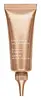
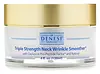
Clarins Extra-Firming Neck & Décolleté Cream Versus Dr. Denese SkinScience Triple Strength Neck Wrinkle Smoother
This moisturizer is formulated around Butyrospermum Parkii Butter to hydrate skin.
This anti-aging moisturizer is formulated around Palmitoyl Oligopeptide and Palmitoyl Tetrapeptide-7 to soften the look of wrinkles and hydrate skin.


What's inside
What's inside
 Key Ingredients
Benefits
Concerns
Ingredients Side-by-side
Water
Skin ConditioningCoco-Caprylate/Caprate
Emollient
Cocoglycerides
Emollient

Polyglyceryl-6 Distearate
Emulsifying
Glycerin
Humectant


Cocos Nucifera Oil
Masking




Jojoba Esters
Emollient
1,2-Hexanediol
Skin Conditioning
Beheneth-25
CleansingButyrospermum Parkii Butter
Skin Conditioning
Helianthus Annuus Seed Oil Unsaponifiables
Emollient
Polyglycerin-3
Humectant
Sodium Polyacrylate
Absorbent
Parfum
Masking

Glyceryl Caprylate
EmollientXylitylglucoside
Humectant
Sodium Acrylates Copolymer
Anigozanthos Flavidus Extract
Skin ConditioningAnhydroxylitol
Humectant
Cetyl Alcohol
Emollient
Polyglyceryl-3 Beeswax
Emulsifying
Ethylhexylglycerin
Skin ConditioningHydrolyzed Jojoba Esters
Skin Conditioning
Tocopheryl Acetate
Antioxidant


Lecithin
Emollient
Xylitol
Humectant
Avena Sativa Kernel Extract
Abrasive


Disodium EDTA
Caprylic/Capric Triglyceride
Masking
Acacia Decurrens Flower Wax
Emollient
Helianthus Annuus Seed Wax
Skin Conditioning
Butylene Glycol
Humectant
Betaine
Humectant
Sorbitol
Humectant
Glucose
Humectant
Marrubium Vulgare Extract
Skin ConditioningHelianthus Annuus Extract
Emollient
Kalanchoe Pinnata Leaf Extract
MaskingBalanites Roxburghii Seed Oil
Skin Conditioning
Mitracarpus Scaber Extract
Skin ConditioningSodium Benzoate
Masking
Phenethyl Alcohol
MaskingPhenoxyethanol
Preservative
Steareth-20
CleansingCitric Acid
Buffering
Furcellaria Lumbricalis Extract
Skin ConditioningPotassium Sorbate
Preservative
CI 15985
Cosmetic ColorantLapsana Communis Flower/Leaf/Stem Extract
Skin ConditioningMaris Sal
Skin ConditioningWater, Coco-Caprylate/Caprate, Cocoglycerides, Polyglyceryl-6 Distearate, Glycerin, Cocos Nucifera Oil, Jojoba Esters, 1,2-Hexanediol, Beheneth-25, Butyrospermum Parkii Butter, Helianthus Annuus Seed Oil Unsaponifiables, Polyglycerin-3, Sodium Polyacrylate, Parfum, Glyceryl Caprylate, Xylitylglucoside, Sodium Acrylates Copolymer, Anigozanthos Flavidus Extract, Anhydroxylitol, Cetyl Alcohol, Polyglyceryl-3 Beeswax, Ethylhexylglycerin, Hydrolyzed Jojoba Esters, Tocopheryl Acetate, Lecithin, Xylitol, Avena Sativa Kernel Extract, Disodium EDTA, Caprylic/Capric Triglyceride, Acacia Decurrens Flower Wax, Helianthus Annuus Seed Wax, Butylene Glycol, Betaine, Sorbitol, Glucose, Marrubium Vulgare Extract, Helianthus Annuus Extract, Kalanchoe Pinnata Leaf Extract, Balanites Roxburghii Seed Oil, Mitracarpus Scaber Extract, Sodium Benzoate, Phenethyl Alcohol, Phenoxyethanol, Steareth-20, Citric Acid, Furcellaria Lumbricalis Extract, Potassium Sorbate, CI 15985, Lapsana Communis Flower/Leaf/Stem Extract, Maris Sal
Water
Skin ConditioningPersea Gratissima Fruit Butter
Emollient
Glycerin
Humectant
Prunus Amygdalus Dulcis Oil
Skin Conditioning
Glycine Soja Oil
Emollient
Theobroma Cacao Seed Butter
Emollient
Sodium Acrylate/Sodium Acryloyldimethyl Taurate Copolymer
Emulsion StabilisingHydrogenated Polydecene
EmollientLaureth-8
EmulsifyingHydrogenated Lecithin
Emulsifying
Palmitoyl Oligopeptide
Cleansing

Palmitoyl Tripeptide-8
Skin Conditioning
Palmitoyl Tetrapeptide-7
Skin Conditioning
Palmitoyl Pentapeptide-4
Skin Conditioning
Retinol
Skin Conditioning


Glucosamine Hcl
Collagen
Moisturising
Sodium Hyaluronate
Humectant
Aloe Barbadensis Leaf Extract
Emollient
Hydrolyzed Wheat Protein
Skin ConditioningAlgae Extract
EmollientYeast Extract
Skin ConditioningPhytic Acid
Triticum Vulgare Germ Oil
Emollient
Simmondsia Chinensis Seed Oil
Emollient
Sorbitol
Humectant
Tocopherol
Antioxidant
Anthemis Nobilis Flower Extract
Masking
Urtica Dioica Extract
AstringentEquisetum Arvense Extract
AstringentCucumis Sativus Fruit Extract
Emollient
Centella Asiatica Extract
Cleansing
Chlorella Vulgaris Extract
Skin ConditioningHydrolyzed Algin
Tocopheryl Acetate
Antioxidant
Beta-Sitosterol
Emulsion Stabilising
Niacin
SmoothingCalcium Pantothenate
Pyridoxine Hcl
Skin ConditioningAscorbyl Palmitate
Antioxidant
Polysorbate 80
Emulsifying
Retinyl Palmitate
Skin Conditioning
Cholecalciferol
Thiamine Nitrate
Skin ConditioningPhytonadione Epoxide
AstringentPhenoxyethanol
Preservative
Sorbic Acid
Preservative
Trisodium EDTA
Water, Persea Gratissima Fruit Butter, Glycerin, Prunus Amygdalus Dulcis Oil, Glycine Soja Oil, Theobroma Cacao Seed Butter, Sodium Acrylate/Sodium Acryloyldimethyl Taurate Copolymer, Hydrogenated Polydecene, Laureth-8, Hydrogenated Lecithin, Palmitoyl Oligopeptide, Palmitoyl Tripeptide-8, Palmitoyl Tetrapeptide-7, Palmitoyl Pentapeptide-4, Retinol, Glucosamine Hcl, Collagen, Sodium Hyaluronate, Aloe Barbadensis Leaf Extract, Hydrolyzed Wheat Protein, Algae Extract, Yeast Extract, Phytic Acid, Triticum Vulgare Germ Oil, Simmondsia Chinensis Seed Oil, Sorbitol, Tocopherol, Anthemis Nobilis Flower Extract, Urtica Dioica Extract, Equisetum Arvense Extract, Cucumis Sativus Fruit Extract, Centella Asiatica Extract, Chlorella Vulgaris Extract, Hydrolyzed Algin, Tocopheryl Acetate, Beta-Sitosterol, Niacin, Calcium Pantothenate, Pyridoxine Hcl, Ascorbyl Palmitate, Polysorbate 80, Retinyl Palmitate, Cholecalciferol, Thiamine Nitrate, Phytonadione Epoxide, Phenoxyethanol, Sorbic Acid, Trisodium EDTA
Alternatives
Ingredients Explained
These ingredients are found in both products.
Ingredients higher up in an ingredient list are typically present in a larger amount.
Glycerin (or glycerol) is a compound naturally found in your skin. It's a powerhouse humectant that pulls water into the stratum corneum.
Topically, glycerin does several things at once:
Your skin makes glycerin on its own (mostly from sebaceous oil breakdown) and shuttles it to your outermost layer of skin, or your epidermis, via aquaporin-3.
Aquaporin-3 is a transporter that is essential for normal skin hydration, elasticity, and repair. Interestingly, mice lacking in AQP3 have dry and less elastic skin that can be fully corrected with glycerin.
This ingredient is non-irritating, plays well with almost every ingredient, and works across all skin types. Typical use is anywhere between 3-10% but can go up to 79% in some leave-on products.
Just know very high concentrations (>40%) can feel tacky in low humidity.
Glycerin is the name for this ingredient in American English. British English uses Glycerol/Glycerine.
Learn more about GlycerinPhenoxyethanol is one of the most widely used preservatives in skincare (and for good reason!).
It has a large spectrum of antimicrobial activity and especially effective bacteria, yeast, and mold while only having a weak effect on your skin's natural microbiome.
On a cellular level, it disrupts the cell membranes of microbes by poking holes that make the cell leak. This shuts down the chemical reactions the microbe needs to make energy so it can no longer survive.
Another perk of this ingredient is that it stays functional across a wide pH range (3-10).
You'll often see it paired with boosters like Ethylhexylglycerin; one study showed that a 1:9 ratio of Ethylhexylglycerin to Phenoxyethanol damages bacterial membranes as effectively as doubling the Phenoxyethanol concentration on its own.
Typical use concentrations range from 0.3-1% depending on the formula, and this ingredient is capped at 1% int the EU.
Safety-wise, the fear mongering does not hold up to the evidence. The EU's Scientific Committee on Consumer Safety and FDA consider it safe as a preservative at up to 1%, including for children of all ages.
Adverse systemic effects only showed up in animal studies at exposures roughly 200x higher than what people get from cosmetics. And despite its very widespread use, this ingredient is a rare sensitizer and allergic reactions are uncommon.
Learn more about PhenoxyethanolSorbitol is a sugar alcohol. It is a hydrating and moisturizing agent created from the reduction process of glucose.
Most sorbitol is usually made from potato starch. It is also found in fruits such as apples and pears.
As a humectant, Sorbitol helps draw water to the skin. This helps keep the skin hydrated. Sorbitol also helps create a thicker texture in products. You might find sorbitol in your toothpaste and other gels.
It is a non-irritating ingredient that is great for those with dry skin.
Sorbitol is a prebiotic. It helps promote the growth of healthy bacteria on your skin. The bacteria on your skin form a microbiome. This microbiome helps protect your skin from infection and harmful bacteria.
Learn more about SorbitolTocopheryl Acetate is a stable, shelf-friendly form of vitamin E.
Formulators love it because plain vitamin E oxidizes quickly once it hits air. This acetate version stays stable and resists going off, helping to extend a product's shelf life.
It's actually inactive on its own and works like a slow-release "storage" form; the enzymes in your skin called esterases gradually convert it into active vitamin E over time.
One in vivo study showed 5% of the acetate in the living layer of the epidermis converted to vitamin E after 5 days of application. This study also found the skin gained protection against UV damage even though the conversion was slow and small.
Once converted, vitamin E acts as a skin's main fat-soluble antioxidant that fights free radicals to protect skin from damage.
Topical vitamin E generally boosts the skin's photoprotection, and it reduced UV-damage in animal models.
This ingredient has some brightening potential but it's more of a prevention ingredient than spot-fader. Cell studies show it can slow down melanin production but it's worth noting that it's not the most powerful brightener out there.
Overall, it has a pretty solid safety profile and has been found to be non-irritating and non-comedogenic. Allergic reactions may happen but stay rare due to how widely the ingredient gets used.
The concentration will vary depending on the formula; industry data shows 0.1% in baby lotions, 3% in lipsticks, and 5% in foot powders. You can also find this ingredient at 100% in a pure vitamin E oil.
Most leave-on skincare keeps it at the lower end, often between 0.5-1%.
Learn more about Tocopheryl AcetateWater. It's the most common cosmetic ingredient of all. You'll usually see it at the top of ingredient lists, meaning that it makes up the largest part of the product.
So why is it so popular? Water most often acts as a solvent - this means that it helps dissolve other ingredients into the formulation.
You'll also recognize water as that liquid we all need to stay alive. If you see this, drink a glass of water. Remember to stay hydrated!
Learn more about Water

