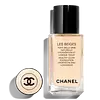
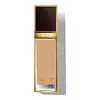
Chanel Les Beiges Healthy Glow Foundation Versus Tom Ford Shade and Illuminate Soft Radiance Foundation SPF 50


What's inside
What's inside
 Key Ingredients
Benefits
Concerns
Ingredients Side-by-side
Water
Skin ConditioningDicaprylyl Carbonate
EmollientDimethicone
Emollient
Glycerin
Humectant



Lauryl PEG-9 Polydimethylsiloxyethyl Dimethicone
Skin Conditioning
Synthetic Fluorphlogopite
Isononyl Isononanoate
EmollientPentylene Glycol
Skin ConditioningPolymethylsilsesquioxane
Limnanthes Alba Seed Oil
Skin Conditioning

Trimethylsiloxysilicate
Emollient
Kalanchoe Pinnata Leaf Extract
MaskingDimethicone/Vinyl Dimethicone Crosspolymer
Skin Conditioning
Stearalkonium Hectorite
Gel FormingParfum
Masking


Dimethicone Crosspolymer
Emulsion Stabilising
Magnesium Sulfate
Chlorphenesin
Antimicrobial
Caprylyl Glycol
Emollient
Propylene Carbonate
SolventAluminum Hydroxide
EmollientSodium Lauroyl Glutamate
Triethoxycaprylylsilane
Lysine
Skin ConditioningIsoceteth-10
EmulsifyingSilica
Abrasive
Alumina
Abrasive
Magnesium Chloride
Maltodextrin
Absorbent
Tocopherol
Antioxidant


CI 77491
Cosmetic ColorantCI 77492
Cosmetic ColorantCI 77499
Cosmetic ColorantCI 77891
Cosmetic ColorantWater, Dicaprylyl Carbonate, Dimethicone, Glycerin, Lauryl PEG-9 Polydimethylsiloxyethyl Dimethicone, Synthetic Fluorphlogopite, Isononyl Isononanoate, Pentylene Glycol, Polymethylsilsesquioxane, Limnanthes Alba Seed Oil, Trimethylsiloxysilicate, Kalanchoe Pinnata Leaf Extract, Dimethicone/Vinyl Dimethicone Crosspolymer, Stearalkonium Hectorite, Parfum, Dimethicone Crosspolymer, Magnesium Sulfate, Chlorphenesin, Caprylyl Glycol, Propylene Carbonate, Aluminum Hydroxide, Sodium Lauroyl Glutamate, Triethoxycaprylylsilane, Lysine, Isoceteth-10, Silica, Alumina, Magnesium Chloride, Maltodextrin, Tocopherol, CI 77491, CI 77492, CI 77499, CI 77891
Phenylbenzimidazole Sulfonic Acid 2.7%
UV Absorber
Ethylhexyl Methoxycinnamate 6.7%
UV Absorber

Ethylhexyl Salicylate 4.5%
UV Absorber
Zinc Oxide 3.8%
Cosmetic Colorant
Water
Skin ConditioningDimethicone
Emollient
Phenyl Trimethicone
Skin Conditioning
Butylene Glycol
Humectant
Glycerin
Humectant
Polymethylsilsesquioxane
Lauryl PEG-9 Polydimethylsiloxyethyl Dimethicone
Skin Conditioning
Hdi/PPG/Polycaprolactone Crosspolymer
Trimethylsiloxysilicate/Dimethiconol Crosspolymer
Tromethamine
BufferingPolysilicone-11
Hexyl Laurate
Emollient
Cetyl PEG/PPG-10/1 Dimethicone
Emulsifying
Neopentyl Glycol Diheptanoate
EmollientHydroxyethyl Urea
Humectant
Tremella Fuciformis Sporocarp Extract
Antioxidant
Hylocereus Undatus Fruit Extract
Skin ConditioningEuterpe Oleracea Fruit Oil
Skin Conditioning
Carapa Guaianensis Seed Oil
Skin Conditioning
Lavandula Angustifolia Oil
Masking
Sapindus Mukorossi Fruit Extract
Skin ConditioningMorinda Citrifolia Fruit Extract
Skin ConditioningPolyglyceryl-4 Isostearate
Emulsifying
Copaifera Officinalis Resin
MaskingTriolein
Skin Conditioning
Caprylic/Capric Triglyceride
Masking
Betaine
Humectant

Caffeine
Skin Conditioning
Acetyl Hexapeptide-8
Humectant
Tocopheryl Acetate
Antioxidant
Trehalose
Humectant
Hydrogenated Coco-Glycerides
Emollient
Caesalpinia Spinosa Gum
Skin ConditioningTrimethylsiloxysilicate
Emollient
Polyhydroxystearic Acid
Emulsifying
Lecithin
Emollient
Glyceryl Stearate
Emollient
Triethoxycaprylylsilane
Laureth-7
EmulsifyingSodium Chloride
Masking

Disteardimonium Hectorite
StabilisingMethicone
Emollient
Linoleic Acid
Cleansing
Phospholipids
Skin Conditioning
Stearyl Alcohol
Emollient
Cetearyl Alcohol
Emollient
Ammonium Polyacryloyldimethyl Taurate
Emulsion StabilisingSodium Hyaluronate
Humectant
Tocopherol
Antioxidant
Triethyl Citrate
Masking
Palmitic Acid
Emollient
Phytosteryl Canola Glycerides
Skin Conditioning
Stearic Acid
Cleansing
Oleic Acid
Emollient
Polysorbate 80
Emulsifying
Polysorbate 20
Emulsifying
Behenyl Alcohol
Emollient
Silica
Abrasive
Linalool
Perfuming
Disodium EDTA
BHT
Antioxidant
Potassium Sorbate
Preservative
Sodium Dehydroacetate
Preservative
Phenoxyethanol
Preservative
Mica
Cosmetic Colorant
CI 77891
Cosmetic ColorantCI 77491
Cosmetic ColorantCI 77492
Cosmetic ColorantCI 77499
Cosmetic ColorantPhenylbenzimidazole Sulfonic Acid 2.7%, Ethylhexyl Methoxycinnamate 6.7%, Ethylhexyl Salicylate 4.5%, Zinc Oxide 3.8%, Water, Dimethicone, Phenyl Trimethicone, Butylene Glycol, Glycerin, Polymethylsilsesquioxane, Lauryl PEG-9 Polydimethylsiloxyethyl Dimethicone, Hdi/PPG/Polycaprolactone Crosspolymer, Trimethylsiloxysilicate/Dimethiconol Crosspolymer, Tromethamine, Polysilicone-11, Hexyl Laurate, Cetyl PEG/PPG-10/1 Dimethicone, Neopentyl Glycol Diheptanoate, Hydroxyethyl Urea, Tremella Fuciformis Sporocarp Extract, Hylocereus Undatus Fruit Extract, Euterpe Oleracea Fruit Oil, Carapa Guaianensis Seed Oil, Lavandula Angustifolia Oil, Sapindus Mukorossi Fruit Extract, Morinda Citrifolia Fruit Extract, Polyglyceryl-4 Isostearate, Copaifera Officinalis Resin, Triolein, Caprylic/Capric Triglyceride, Betaine, Caffeine, Acetyl Hexapeptide-8, Tocopheryl Acetate, Trehalose, Hydrogenated Coco-Glycerides, Caesalpinia Spinosa Gum, Trimethylsiloxysilicate, Polyhydroxystearic Acid, Lecithin, Glyceryl Stearate, Triethoxycaprylylsilane, Laureth-7, Sodium Chloride, Disteardimonium Hectorite, Methicone, Linoleic Acid, Phospholipids, Stearyl Alcohol, Cetearyl Alcohol, Ammonium Polyacryloyldimethyl Taurate, Sodium Hyaluronate, Tocopherol, Triethyl Citrate, Palmitic Acid, Phytosteryl Canola Glycerides, Stearic Acid, Oleic Acid, Polysorbate 80, Polysorbate 20, Behenyl Alcohol, Silica, Linalool, Disodium EDTA, BHT, Potassium Sorbate, Sodium Dehydroacetate, Phenoxyethanol, Mica, CI 77891, CI 77491, CI 77492, CI 77499
Ingredients Explained
These ingredients are found in both products.
Ingredients higher up in an ingredient list are typically present in a larger amount.
Ci 77491 is also hydrated iron III oxide. It's sole purpose is to give a red/pink hue to products.
Iron III oxides are classified as inorganic chemicals for coloring.
Synthetically created Ci 77491 is considered safer than those naturally found. This is because the synthetically created version may contain less impurities. Iron oxides are generally non-toxic and non-allergenic.
Learn more about CI 77491Ci 77492 is also hydrated iron III oxide. It's sole purpose is to give a yellow hue to products.
Iron III oxides are classified as inorganic chemicals for coloring.
Synthetically created Ci 77492 is considered safer than those naturally found. This is because the synthetically created version may contain less impurities. Iron oxides are generally non-toxic and non-allergenic.
Learn more about CI 77492Ci 77499 is also hydrated iron III oxide. It is created from mixing red and black iron oxides. This helps give shades of darkness to a product.
Iron III oxides are classified as inorganic chemicals for coloring.
Ci 77891 is a white pigment from Titanium dioxide. It is naturally found in minerals such as rutile and ilmenite.
It's main function is to add a white color to cosmetics. It can also be mixed with other colors to create different shades.
Ci 77891 is commonly found in sunscreens due to its ability to block UV rays.
Learn more about CI 77891Dimethicone is a type of synthetic silicone created from natural materials such as quartz.
What it does:
Dimethicone comes in different viscosities:
Depending on the viscosity, dimethicone has different properties.
Ingredients lists don't always show which type is used, so we recommend reaching out to the brand if you have questions about the viscosity.
This ingredient is unlikely to cause irritation because it does not get absorbed into skin. However, people with silicone allergies should be careful about using this ingredient.
Note: Dimethicone may contribute to pilling. This is because it is not oil or water soluble, so pilling may occur when layered with products. When mixed with heavy oils in a formula, the outcome is also quite greasy.
Learn more about DimethiconeGlycerin is already naturally found in your skin. It helps moisturize and protect your skin.
A study from 2016 found glycerin to be more effective as a humectant than AHAs and hyaluronic acid.
As a humectant, it helps the skin stay hydrated by pulling moisture to your skin. The low molecular weight of glycerin allows it to pull moisture into the deeper layers of your skin.
Hydrated skin improves your skin barrier; Your skin barrier helps protect against irritants and bacteria.
Glycerin has also been found to have antimicrobial and antiviral properties. Due to these properties, glycerin is often used in wound and burn treatments.
In cosmetics, glycerin is usually derived from plants such as soybean or palm. However, it can also be sourced from animals, such as tallow or animal fat.
This ingredient is organic, colorless, odorless, and non-toxic.
Glycerin is the name for this ingredient in American English. British English uses Glycerol/Glycerine.
Learn more about GlycerinLauryl PEG-9 Polydimethylsiloxyethyl Dimethicone is a type of silicone.
Polymethylsilsesquioxane is a silicone used as a film forming agent.
When applied to the skin, this ingredient creates an invisible film on the surface. This film still allows oxygen to pass through, but prevents moisture from escaping. This can help condition and hydrate the skin. It also leaves a silky feel when applied.
Polymethylsilsesquioxane has not been shown to clog pores. It has been deemed safe to use up to 55%, but most cosmetics use much less.
If you have concerns about using this ingredient, we recommend speaking with a professional.
Learn more about PolymethylsilsesquioxaneSilica, also known as silicon dioxide, is a naturally occurring mineral. It is used as a fine, spherical, and porous powder in cosmetics.
Though it has exfoliant properties, the function of silica varies depending on the product.
The unique structure of silica enhances the spreadability and adds smoothness, making it a great texture enhancer.
It is also used as an active carrier, emulsifier, and mattifier due to its ability to absorb excess oil.
In some products, tiny microneedles called spicules are made from silica or hydrolyzed sponge. When you rub them in, they lightly polish away dead skin layers and enhance the penetration of active ingredients.
Learn more about SilicaTocopherol (also known as Vitamin E) is a common antioxidant used to help protect the skin from free-radicals and strengthen the skin barrier. It's also fat soluble - this means our skin is great at absorbing it.
Vitamin E also helps keep your natural skin lipids healthy. Your lipid skin barrier naturally consists of lipids, ceramides, and fatty acids. Vitamin E offers extra protection for your skin’s lipid barrier, keeping your skin healthy and nourished.
Another benefit is a bit of UV protection. Vitamin E helps reduce the damage caused by UVB rays. (It should not replace your sunscreen). Combining it with Vitamin C can decrease sunburned cells and hyperpigmentation after UV exposure.
You might have noticed Vitamin E + C often paired together. This is because it is great at stabilizing Vitamin C. Using the two together helps increase the effectiveness of both ingredients.
There are often claims that Vitamin E can reduce/prevent scarring, but these claims haven't been confirmed by scientific research.
Learn more about TocopherolTriethoxycaprylylsilane is a silicone used to bind and stabilize ingredients.
As an emulsifier, it helps prevent ingredients from separating. This can help elongate the shelf life of products.
Triethoxycaprylylsilane is often used to coat mineral sunscreens ingredients to help give a better feel. It also helps reduce oxidative stress in sunscreens.
Learn more about TriethoxycaprylylsilaneThis silicone is an emollient. Emollients create a thin film on the skin to prevent moisture from escaping.
It is not soluble in water and helps increase water-resistance in products.
According to a manufacturer, it can blend seamlessly with silicone oils, such as Cyclopentasiloxane.
Learn more about TrimethylsiloxysilicateWater. It's the most common cosmetic ingredient of all. You'll usually see it at the top of ingredient lists, meaning that it makes up the largest part of the product.
So why is it so popular? Water most often acts as a solvent - this means that it helps dissolve other ingredients into the formulation.
You'll also recognize water as that liquid we all need to stay alive. If you see this, drink a glass of water. Stay hydrated!
Learn more about Water
