

What's inside
What's inside
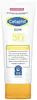 Key Ingredients
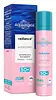
Benefits
Concerns
Ingredients Side-by-side
Titanium Dioxide 9%
Cosmetic Colorant

Zinc Oxide 7%
Cosmetic Colorant
Water
Skin ConditioningIsohexadecane
EmollientButyloctyl Salicylate
Skin Conditioning
Cetyl Dimethicone
Emollient
Styrene/Acrylates Copolymer
Olive Oil Polyglyceryl-6 Esters
Emollient

Sorbitan Olivate
Emulsifying
Sodium Stearoyl Lactylate
EmulsifyingVp/Eicosene Copolymer
Cetearyl Alcohol
Emollient



Cetearyl Olivate
Cetyl Palmitate
Emollient
Sorbitan Palmitate
Emulsifying
Dimethicone PEG-8 Laurate
Skin Conditioning
Ceramide NP
Skin Conditioning





Ceramide AP
Skin Conditioning
Ceramide EOP
Skin Conditioning
Cholesterol
Emollient
Phytosphingosine
Skin Conditioning
Hydrolyzed Hyaluronic Acid
Humectant

Benzyl Alcohol
Perfuming





Bisabolol
Antioxidant
Dipotassium Glycyrrhizate
Humectant
Propanediol
Solvent
Xanthan Gum
EmulsifyingAluminum Hydroxide
EmollientSodium Lauroyl Lactylate
EmulsifyingCarbomer
Emulsion StabilisingTocopheryl Acetate
Antioxidant

Disodium EDTA
Stearic Acid
Cleansing
Triethoxycaprylylsilane
Citric Acid
Buffering

Maltodextrin
Absorbent
Phenoxyethanol
Preservative
Capryloyl Glycine
CleansingUndecylenoyl Glycine
CleansingTitanium Dioxide 9%, Zinc Oxide 7%, Water, Isohexadecane, Butyloctyl Salicylate, Cetyl Dimethicone, Styrene/Acrylates Copolymer, Olive Oil Polyglyceryl-6 Esters, Sorbitan Olivate, Sodium Stearoyl Lactylate, Vp/Eicosene Copolymer, Cetearyl Alcohol, Cetearyl Olivate, Cetyl Palmitate, Sorbitan Palmitate, Dimethicone PEG-8 Laurate, Ceramide NP, Ceramide AP, Ceramide EOP, Cholesterol, Phytosphingosine, Hydrolyzed Hyaluronic Acid, Benzyl Alcohol, Bisabolol, Dipotassium Glycyrrhizate, Propanediol, Xanthan Gum, Aluminum Hydroxide, Sodium Lauroyl Lactylate, Carbomer, Tocopheryl Acetate, Disodium EDTA, Stearic Acid, Triethoxycaprylylsilane, Citric Acid, Maltodextrin, Phenoxyethanol, Capryloyl Glycine, Undecylenoyl Glycine
Water
Skin ConditioningC12-15 Alkyl Benzoate
AntimicrobialCaprylyl Methicone
Skin Conditioning
Aloe Barbadensis Leaf Juice
Skin Conditioning
Sodium Acrylates Copolymer
Methylene Bis-Benzotriazolyl Tetramethylbutylphenol
UV Filter
Bis-Ethylhexyloxyphenol Methoxyphenyl Triazine
Skin Conditioning
Ethylhexyl Triazone
UV Absorber
Diethylamino Hydroxybenzoyl Hexyl Benzoate
UV Filter
Glycerin
Humectant
Dimethicone
Emollient
Acrylates/C12-22 Alkyl Methacrylate Copolymer
Titanium Dioxide
Cosmetic Colorant
Zinc Oxide
Cosmetic Colorant
Biosaccharide Gum-4
Skin Conditioning
Citrullus Lanatus Fruit Extract
Skin Conditioning
Niacinamide
Smoothing




Vaccinium Angustifolium Fruit Extract
Skin Protecting
Citrus Paradisi Fruit Extract
Skin ConditioningLaminaria Digitata Extract
Skin Protecting
Sodium Hyaluronate
Humectant
Ceramide EOP
Skin Conditioning
Ceramide Ns
Skin Conditioning
Ceramide Ng
Skin Conditioning
Ceramide NP
Skin Conditioning
Ceramide As
Skin Conditioning
Ceramide AP
Skin Conditioning
Xylitylglucoside
Humectant
Anhydroxylitol
Humectant
Xylitol
Humectant
Arginine
Masking
Trehalose
Humectant
Allantoin
Skin Conditioning
1,2-Hexanediol
Skin Conditioning
Tocopheryl Acetate
Antioxidant
Xanthan Gum
EmulsifyingHydrogenated Lecithin
Emulsifying
Cetyl-Pg Hydroxyethyl Palmitamide
Skin ConditioningPropylene Glycol
Humectant
Phenoxyethanol
Preservative
Lecithin
Emollient
Glyceryl Stearate
Emollient
Triethoxycaprylylsilane
Silica
Abrasive
Glyceryl Glucoside
Humectant
Coco-Glucoside
Cleansing
Disodium Lauryl Sulfosuccinate
CleansingEthylhexylglycerin
Skin ConditioningDecyl Glucoside
Cleansing
Citric Acid
Buffering
Water, C12-15 Alkyl Benzoate, Caprylyl Methicone, Aloe Barbadensis Leaf Juice, Sodium Acrylates Copolymer, Methylene Bis-Benzotriazolyl Tetramethylbutylphenol, Bis-Ethylhexyloxyphenol Methoxyphenyl Triazine, Ethylhexyl Triazone, Diethylamino Hydroxybenzoyl Hexyl Benzoate, Glycerin, Dimethicone, Acrylates/C12-22 Alkyl Methacrylate Copolymer, Titanium Dioxide, Zinc Oxide, Biosaccharide Gum-4, Citrullus Lanatus Fruit Extract, Niacinamide, Vaccinium Angustifolium Fruit Extract, Citrus Paradisi Fruit Extract, Laminaria Digitata Extract, Sodium Hyaluronate, Ceramide EOP, Ceramide Ns, Ceramide Ng, Ceramide NP, Ceramide As, Ceramide AP, Xylitylglucoside, Anhydroxylitol, Xylitol, Arginine, Trehalose, Allantoin, 1,2-Hexanediol, Tocopheryl Acetate, Xanthan Gum, Hydrogenated Lecithin, Cetyl-Pg Hydroxyethyl Palmitamide, Propylene Glycol, Phenoxyethanol, Lecithin, Glyceryl Stearate, Triethoxycaprylylsilane, Silica, Glyceryl Glucoside, Coco-Glucoside, Disodium Lauryl Sulfosuccinate, Ethylhexylglycerin, Decyl Glucoside, Citric Acid
Reviews
Ingredients Explained
These ingredients are found in both products.
Ingredients higher up in an ingredient list are typically present in a larger amount.
Ceramide AP is is a skin-identical lipid that mimics what your skin already makes naturally. Ceramides help maintain epidermal integrity and barrier function.
You'll often see this ingredient paired with other ceramides (like ceramide NP), cholesterol, or fatty acids because this combination best mimics the natural lipid mix your skin already has.
The skin's ability to produce ceramides gets disrupted in skin conditions like eczema. This in turn weakens the skin barrier and applying ceramides topically has been shown to replenish what's been lost to restore barrier function.
Most of the studies with Ceramide AP test it as part of a multi-ceramide complex; studies reinforce ceramide AP's role in rebalancing ceramides in skin and improving skin hydration.
Learn more about Ceramide APCeramide EOP is formally known as Ceramide 1.
It is naturally found in skin and part of the intercellular "mortar" holding everything together in your outermost layer.
EOP stands for a linked Ester fatty acid, a linked Omega hydroxy fatty acid, and the Phytosphingosine base.
What makes Ceramide EOP special is its ultra-long fatty acid chain; this unique structure allows it to bridge the lipid layers in your skin barrier to prevent water loss (something no other ceramide can do).
Low levels of Ceramide EOP have been found in people with eczema and psoriasis.
Using it together with other ceramides, cholesterol, and linoleic acid have been shown to meaningfully improve hydration and reduce water loss.
In one clinical study, a regimen using Ceramide EOP, NP, and AP led to significant symptom improvements in patients with eczema, psoriasis, and dry skin in just 4 weeks.
You'll usually see concentrations between 0.1-0.5% in formulations. Overall, this is a well-tolerated and safe ingredient for cosmetic use.
Learn more about Ceramide EOPCeramide NP (formerly known as Ceramide 3) is one of the skin's naturally occurring lipids.
Since ceramides are the major lipid components of the skin, they are crucial for maintaining skin barrier and hydration. Ceramide NP most closely mirrors the dominant kind in human skin amongst ceramide subtypes.
This ceramide works by slotting into gaps within the stratum corneum's lipid matrix to limit trans-epidermal water loss (TEWL) and shield the skin against external irritants.
A study with 312 patients found that using a ceramide-containing routine for 4 weeks reduced the severity of atopic dermatitis by over 61%.
Another clinical study in subjects aged 60 and older found that a ceramide body wash and moisturizer improved skin dryness and itchy skin in 15 days.
Overall, ceramides are considered non-irritating and safety tests have found little to no observable adverse effects from using this ingredient.
Ceramide NP is usually sourced from plants (like soybean or rice bran), or produced synthetically.
Learn more about Ceramide NPCitric Acid is an alpha hydroxy acid (AHA) naturally found in citrus fruits like oranges, lemons, and limes.
Like other AHAs, citric acid can exfoliate skin by breaking down the bonds that hold dead skin cells together. This helps reveal smoother and brighter skin underneath.
However, this exfoliating effect only happens at high concentrations (20%) which can be hard to find in cosmetic products.
Due to this, citric acid is usually included in small amounts as a pH adjuster. This helps keep products slightly more acidic and compatible with skin's natural pH.
In skincare formulas, citric acid can:
While it can provide some skin benefits, research shows lactic acid and glycolic acid are generally more effective and less irritating exfoliants.
Most citric acid used in skincare today is made by fermenting sugars (usually from molasses). This synthetic version is identical to the natural citrus form but easier to stabilize and use in formulations.
Read more about some other popular AHA's here:
Learn more about Citric AcidPhenoxyethanol is a preservative that has germicide, antimicrobial, and aromatic properties. Studies show that phenoxyethanol can prevent microbial growth. By itself, it has a scent that is similar to that of a rose.
It's often used in formulations along with Caprylyl Glycol to preserve the shelf life of products.
Titanium dioxide is a mineral UV filter widely used in sunscreens and cosmetics.
It is one of only two UV filters officially classified as “mineral” by regulatory agencies, the other being zinc oxide.
Titanium dioxide provides broad-spectrum protection mostly in the UVB and UVAII range, with some protection in the UVAI range.
While its UVA protection isn’t as strong as zinc oxide’s, the difference is minor.
A common myth is that mineral UV filters reflect UV light. However, modern research shows titanium dioxide absorbs UV radiation like chemical filters (~95% absorption & 5% reflection).
Thanks to its non-irritating nature, titanium dioxide is suitable for sensitive, acne-prone, or redness-prone skin. It is unlikely to cause "eye sting" like other sunscreen ingredients.
A major drawback of this ingredient is its white cast and thick texture. This is why mineral sunscreens often leave a white cast and are less cosmetically elegant than chemical/hybrid sunscreens.
To improve white cast and spreadability, micronized or nano-sized titanium dioxide is often used.
There are ongoing concerns surrounding nano-titanium oxide's impact on marine ecosystems.
There is no conclusive evidence that any form of titanium oxide (or any other sunscreen ingredients) will cause harm to marine ecosystems or coral reefs. The science is still developing but many consumers are keeping a close eye on this issue.
Please note, many destinations have reef-safety sunscreen rules. For instance, the U.S. Virgin Islands advises all visitors to use non-nano mineral sunscreens.
Nano mineral sunscreens once raised safety concerns about absorption into skin.
Extensive research has shown that they do not penetrate healthy or damaged skin; they remain safely on the surface and the top layer of dead skin (stratum corneum).
You'll likely find titanium dioxide bundled with alumina, silica, or dimethicone. These ingredients help make titanium dioxide highly photostable; this prevents it from interacting with other formula components under UV light.
Learn more about Titanium DioxideTocopheryl Acetate is AKA Vitamin E. It is an antioxidant and protects your skin from free radicals. Free radicals damage the skin by breaking down collagen.
One study found using Tocopheryl Acetate with Vitamin C decreased the number of sunburned cells.
Tocopheryl Acetate is commonly found in both skincare and dietary supplements.
Learn more about Tocopheryl AcetateTriethoxycaprylylsilane is a silicon-based surface modifier that makes sunscreens feel silky and makeup stay put.
Its main job is to coat mineral particles like titanium dioxide, zinc oxide, and color pigments in a thin, oily layer so they spread smoothly, don't clump, and stick to skin better.
This ingredient is typically used at low levels (up to 2.5% in eyeshadow and 1% in lipstick).
Learn more about TriethoxycaprylylsilaneWater. It's the most common cosmetic ingredient of all. You'll usually see it at the top of ingredient lists, meaning that it makes up the largest part of the product.
So why is it so popular? Water most often acts as a solvent - this means that it helps dissolve other ingredients into the formulation.
You'll also recognize water as that liquid we all need to stay alive. If you see this, drink a glass of water. Remember to stay hydrated!
Learn more about WaterXanthan gum is used as a stabilizer and thickener within cosmetic products. It helps give products a sticky, thick feeling - preventing them from being too runny.
On the technical side of things, xanthan gum is a polysaccharide - a combination consisting of multiple sugar molecules bonded together.
Xanthan gum is a pretty common and great ingredient. It is a natural, non-toxic, non-irritating ingredient that is also commonly used in food products.
Learn more about Xanthan GumZinc Oxide is a mineral broad-spectrum UV filter; it is the broadest UVA and UVB reflector approved by the FDA. It also has skin protectant and skin soothing properties.
Zinc oxide is one of the most effective broad-spectrum UV filters. It protects against UVB, UVAII, and UVAI. In comparison to its counterpart titanium dioxide, zinc oxide provides uniform and extended UVA protection.
Another great benefit? This ingredient is highly photostable so it won't degrade easily under sunlight.
A common myth is that mineral UV filters are widely believed to primarily reflect UV light.
However, modern research shows titanium dioxide absorbs UV radiation like chemical filters (~95% absorption & 5% reflection).
Zinc oxide has great skin soothing properties so you'll likely find this in sunscreens formulated for sensitive skin or babies/children. It is unlikely to cause "eye sting" like other sunscreen ingredients.
Regulatory agencies consider zinc oxide to be non-toxic and safe. It has also been shown to not penetrate the skin.
Unfortunately, this ingredient does leave a visible white cast. This is why mineral sunscreens are often less cosmetically elegant than chemical or hybrid ones.
In cosmetics, zinc oxide can be found in both non-nano and nano-sized forms. The nano version is used to reduce white cast and improve the texture of sunscreen formulas.
There are ongoing concerns surrounding nano-zinc oxide's impact on marine ecosystems and whether it can be absorbed into skin.
Regarding marine ecosystems and coral reefs, there is no conclusive evidence that any form of zinc oxide (or any other sunscreen ingredients) will cause harm. The science is still developing but many consumers are keeping a close eye on this issue.
Please note, many destinations have reef-safety sunscreen rules. For instance, the U.S. Virgin Islands advises all visitors to use non-nano mineral sunscreens.
There has also been some stir about whether micronized or nano zinc oxide has potential photoxicity and absorption through the skin/lungs.
An in-vitro (done in a test tube or petri dish) study demonstrated micronized zinc oxide to have potential phototoxicity. There's no need to fret; the EU Commission's Scientific Committee on Consumer Safety has stated, "The relevance of these findings needs to be clarified by appropriate investigations in vivo." Or in other words, further studies done on living organisms are needed to prove this.
Current research shows zinc oxide nanoparticles do not penetrate intact or sunburned skin. They either remain on the surface or in the outermost layer of dead skin (stratum corneum).
Zinc oxide is one of only two classified mineral UV filters with titanium dioxide being the other one.
Fun fact: Zinc has been used throughout history as an ingredient in paint and medicine. An Indian text from 500BC is believed to list zinc oxide as a salve for open wound. The Ancient Greek physician Dioscorides has also mentioned the use of zinc as an ointment in 1AD.
Learn more about Zinc Oxide
