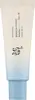
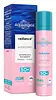
Beauty of Joseon Relief Sun Aqua-Fresh Rice + B5 SPF 50+ Versus Aqualogica Radiance+ Dewy Sunscreen SPF 50+ PA+++
This chemical sunscreen covers the full UV range and blocks ~98% of UVB at SPF 50.
This hybrid sunscreen covers the full UV range and blocks ~98% of UVB at SPF 50.


What's inside
What's inside
 Key Ingredients
Benefits
Concerns
Ingredients Side-by-side
Water
Skin ConditioningOryza Sativa Seed Water
Antimicrobial
Dibutyl Adipate
EmollientButyloctyl Salicylate
Skin Conditioning

Ethylhexyl Triazone
UV Absorber
1,2-Hexanediol
Skin Conditioning
Drometrizole Trisiloxane
UV Absorber
Polyglyceryl-3 Distearate
Emulsifying

Terephthalylidene Dicamphor Sulfonic Acid
UV Absorber
Diethylamino Hydroxybenzoyl Hexyl Benzoate
UV Filter
Polymethylsilsesquioxane
Tromethamine
BufferingPanthenol
Skin Conditioning



Pentylene Glycol
Skin Conditioning
Glyceryl Stearate
Emollient
Silica
Abrasive


Caprylyl Methicone
Skin Conditioning
Avena Sativa Kernel Extract
Abrasive
Cynara Scolymus Leaf Extract
Skin ConditioningCamellia Sinensis Leaf Water
Masking
Hydrogenated Lecithin
Emulsifying
Oryza Sativa Bran Oil
Emollient
Sodium Hyaluronate
Humectant

Bis-Ethylhexyloxyphenol Methoxyphenyl Triazine
UV Absorber
Propanediol
Solvent
Potassium Cetyl Phosphate
EmulsifyingPoly C10-30 Alkyl Acrylate
Emulsion StabilisingMethylpropanediol
SolventCarbomer
Emulsion StabilisingAcrylates/C10-30 Alkyl Acrylate Crosspolymer
Emulsion StabilisingEthylhexylglycerin
Skin ConditioningXanthan Gum
EmulsifyingGlycerin
Humectant
Polyether-1
Polyquaternium-51
Skin Conditioning
Beta-Glucan
Skin Conditioning
Biosaccharide Gum-1
Humectant
Inositol
Humectant
Tocopherol
Antioxidant


Ferulic Acid
Antimicrobial
Citric Acid
Buffering
Ceramide NP
Skin Conditioning
Phytosphingosine
Skin Conditioning
Rice Amino Acids
Skin Conditioning
Rice Sh-Oligopeptide-1
Skin Conditioning
Water, Oryza Sativa Seed Water, Dibutyl Adipate, Butyloctyl Salicylate, Ethylhexyl Triazone, 1,2-Hexanediol, Drometrizole Trisiloxane, Polyglyceryl-3 Distearate, Terephthalylidene Dicamphor Sulfonic Acid, Diethylamino Hydroxybenzoyl Hexyl Benzoate, Polymethylsilsesquioxane, Tromethamine, Panthenol, Pentylene Glycol, Glyceryl Stearate, Silica, Caprylyl Methicone, Avena Sativa Kernel Extract, Cynara Scolymus Leaf Extract, Camellia Sinensis Leaf Water, Hydrogenated Lecithin, Oryza Sativa Bran Oil, Sodium Hyaluronate, Bis-Ethylhexyloxyphenol Methoxyphenyl Triazine, Propanediol, Potassium Cetyl Phosphate, Poly C10-30 Alkyl Acrylate, Methylpropanediol, Carbomer, Acrylates/C10-30 Alkyl Acrylate Crosspolymer, Ethylhexylglycerin, Xanthan Gum, Glycerin, Polyether-1, Polyquaternium-51, Beta-Glucan, Biosaccharide Gum-1, Inositol, Tocopherol, Ferulic Acid, Citric Acid, Ceramide NP, Phytosphingosine, Rice Amino Acids, Rice Sh-Oligopeptide-1
Water
Skin ConditioningC12-15 Alkyl Benzoate
AntimicrobialCaprylyl Methicone
Skin Conditioning
Aloe Barbadensis Leaf Juice
Skin Conditioning
Sodium Acrylates Copolymer
Methylene Bis-Benzotriazolyl Tetramethylbutylphenol
UV Filter
Bis-Ethylhexyloxyphenol Methoxyphenyl Triazine
UV Absorber
Ethylhexyl Triazone
UV Absorber
Diethylamino Hydroxybenzoyl Hexyl Benzoate
UV Filter
Glycerin
Humectant
Dimethicone
Emollient
Acrylates/C12-22 Alkyl Methacrylate Copolymer
Titanium Dioxide
Cosmetic Colorant
Zinc Oxide
Cosmetic Colorant
Biosaccharide Gum-4
Skin Conditioning
Citrullus Lanatus Fruit Extract
Skin Conditioning
Niacinamide
Smoothing


Vaccinium Angustifolium Fruit Extract
Skin Protecting
Citrus Paradisi Fruit Extract
Skin ConditioningLaminaria Digitata Extract
Skin Protecting

Sodium Hyaluronate
Humectant
Ceramide EOP
Skin Conditioning
Ceramide Ns
Skin Conditioning
Ceramide Ng
Skin Conditioning
Ceramide NP
Skin Conditioning
Ceramide As
Skin Conditioning
Ceramide AP
Skin Conditioning
Xylitylglucoside
Humectant
Anhydroxylitol
Humectant
Xylitol
Humectant
Arginine
Masking
Trehalose
Humectant
Allantoin
Skin Conditioning
1,2-Hexanediol
Skin Conditioning
Tocopheryl Acetate
Antioxidant
Xanthan Gum
EmulsifyingHydrogenated Lecithin
Emulsifying
Cetyl-Pg Hydroxyethyl Palmitamide
Skin ConditioningPropylene Glycol
Humectant
Phenoxyethanol
Preservative
Lecithin
Emollient
Glyceryl Stearate
Emollient
Triethoxycaprylylsilane
Silica
Abrasive
Glyceryl Glucoside
Humectant
Coco-Glucoside
Cleansing
Disodium Lauryl Sulfosuccinate
CleansingEthylhexylglycerin
Skin ConditioningDecyl Glucoside
Cleansing
Citric Acid
Buffering
Water, C12-15 Alkyl Benzoate, Caprylyl Methicone, Aloe Barbadensis Leaf Juice, Sodium Acrylates Copolymer, Methylene Bis-Benzotriazolyl Tetramethylbutylphenol, Bis-Ethylhexyloxyphenol Methoxyphenyl Triazine, Ethylhexyl Triazone, Diethylamino Hydroxybenzoyl Hexyl Benzoate, Glycerin, Dimethicone, Acrylates/C12-22 Alkyl Methacrylate Copolymer, Titanium Dioxide, Zinc Oxide, Biosaccharide Gum-4, Citrullus Lanatus Fruit Extract, Niacinamide, Vaccinium Angustifolium Fruit Extract, Citrus Paradisi Fruit Extract, Laminaria Digitata Extract, Sodium Hyaluronate, Ceramide EOP, Ceramide Ns, Ceramide Ng, Ceramide NP, Ceramide As, Ceramide AP, Xylitylglucoside, Anhydroxylitol, Xylitol, Arginine, Trehalose, Allantoin, 1,2-Hexanediol, Tocopheryl Acetate, Xanthan Gum, Hydrogenated Lecithin, Cetyl-Pg Hydroxyethyl Palmitamide, Propylene Glycol, Phenoxyethanol, Lecithin, Glyceryl Stearate, Triethoxycaprylylsilane, Silica, Glyceryl Glucoside, Coco-Glucoside, Disodium Lauryl Sulfosuccinate, Ethylhexylglycerin, Decyl Glucoside, Citric Acid
Reviews
Ingredients Explained
These ingredients are found in both products.
Ingredients higher up in an ingredient list are typically present in a larger amount.
1,2-Hexanediol is a synthetic liquid and another multi-functional powerhouse.
It is a:
- Humectant, drawing moisture into the skin
- Emollient, helping to soften skin
- Solvent, dispersing and stabilizing formulas
- Preservative booster, enhancing the antimicrobial activity of other preservatives
This ingredient is better known as bemotrizinol or Tinosorb S and is one of the best broad-spectrum UV filters in modern sunscreen.
It works by absorbing UV light across a whole range (280-400 nm) with peaks around 310 nm (UVB) and 340-345 nm (UVA). This means it covers UVB plus the deeper UVA wavelengths that drive photoaging and pigmentation.
Another pro?
It's exceptionally photostable, barely degrades in sunlight, and acts as a "bodyguard" for less stable filters.
That's why you'll see it paired with avobenzone or octinoxate; this team up ensures they keep working through sun exposure.
Safety reviews have been reassuring across the board. This ingredient shows low absorption through the skin, rarely irritates, and lab studies found it doesn't act like a hormone in the body (a concern that's been raised about some older sunscreen filters).
On maximum concentrations:
In 2026, the US F.D.A finally added it as an OTC sunscreen ingredient at concentrations up to 6% for adults / children 6 months and older
Learn more about Bis-Ethylhexyloxyphenol Methoxyphenyl TriazineCaprylyl Methicone is a synthetic and lightweight silicone fluid. It gives products a silky, dry-touch finish without the heaviness of pure oils.
Though the EU CosIng Database lists this ingredient as a skin conditioner, it is also used for sensory reasons. It spreads easily, cuts greasiness, and reduces tackiness.
This ingredient is volatile which means it will mostly evaporate (but it evaporates slower than older cyclomethicones, like Cyclotetrasiloxane).
Typical concentration ranges from 1-30% depending on if it's being used to tweak the feel of a product or acting as the main emollient.
Learn more about Caprylyl MethiconeCeramide NP (formerly known as Ceramide 3) is one of the skin's naturally occurring lipids.
Since ceramides are the major lipid components of the skin, they are crucial for maintaining skin barrier and hydration. Ceramide NP most closely mirrors the dominant kind in human skin amongst ceramide subtypes.
This ceramide works by slotting into gaps within the stratum corneum's lipid matrix to limit trans-epidermal water loss (TEWL) and shield the skin against external irritants.
A study with 312 patients found that using a ceramide-containing routine for 4 weeks reduced the severity of atopic dermatitis by over 61%.
Another clinical study in subjects aged 60 and older found that a ceramide body wash and moisturizer improved skin dryness and itchy skin in 15 days.
Overall, ceramides are considered non-irritating and safety tests have found little to no observable adverse effects from using this ingredient.
Ceramide NP is usually sourced from plants (like soybean or rice bran), or produced synthetically.
Learn more about Ceramide NPCitric Acid is an alpha hydroxy acid (AHA) naturally found in citrus fruits like oranges, lemons, and limes.
Like other AHAs, citric acid can exfoliate skin by breaking down the bonds that hold dead skin cells together. This helps reveal smoother and brighter skin underneath.
However, this exfoliating effect only happens at high concentrations (20%) which can be hard to find in cosmetic products.
Due to this, citric acid is usually included in small amounts as a pH adjuster. This helps keep products slightly more acidic and compatible with skin's natural pH.
In skincare formulas, citric acid can:
While it can provide some skin benefits, research shows lactic acid and glycolic acid are generally more effective and less irritating exfoliants.
Most citric acid used in skincare today is made by fermenting sugars (usually from molasses). This synthetic version is identical to the natural citrus form but easier to stabilize and use in formulations.
Rosacea skin has a lower threshold for acids generally, with 62.5% of rosacea subjects in one study reacting to lactic acid in a sting test. This is why we mark citric acid as a potential rosacea trigger.
However, this ingredient shows up as a pH adjuster or chelator at roughly 0.1-1% in many products. These low levels are unlikely to be an issue for rosacea skin and becomes a potential trigger at exfoliating concentrations (20%). Because everybody's skin is unique, we recommend a patch test if you are unsure.
Learn more about Citric AcidDiethylamino Hydroxybenzoyl Hexyl Benzoate (DHHB) is a chemical UV-A absorber. It is formulated for high UVA protection (320-400 nm).
DHHB is well-liked for:
DHHB has been approved by the EU, Japan, Taiwan, and South America for use up to 10%. Unfortunately, it has not been approved for use in the US or Canada due to slow regulatory processes.
This ingredient is soluble in oils, fats, and lipids.
Learn more about Diethylamino Hydroxybenzoyl Hexyl BenzoateEthylhexyl Triazone (aka Octyl Triazone) is an oil-soluble organic UVB filter. It has peak absorption around 314 nm, right in the middle of the UVB range.
This ingredient is described as one of the most effective UVB filters available and small concentrations are enough to deliver a high SPF thanks to its strong UV absorbing power.
Formulators love it for its stability; its ability to filter UV stays practically unchanged even under intense radiation and it can also help boost the photostability of less stable filters like avobenzone.
It's also a great pick for water resistant products because it's insoluble in water and has a good affinity for keratin.
Because it's a big, heavy molecule, the European Scientific Committee has found to to have very low dermal penetration and negative results for allergenicity.
In vitro testing also showed a low absorption rate and clean results on irritation.
Typical use levels are 1-5% with 5% being the maximum in the EU, Japan, and other markets that allow it. However, this ingredient is not approved yet in the US or Canada.
Learn more about Ethylhexyl TriazoneEthylhexylglycerin is created from glycerin. It is a multitasker ingredient that:
The CIR Expert Panel found minimal skin absorption or sensitization of any kind in a safety assessment. Though this ingredient is considered well-tolerated, a small number of cases of allergic dermatitis have been published since 2002. Just be sure to patch test if you are unsure.
Industry-reported use ranges from 8% in rinse-off products and 2% in leave-on formulations.
Learn more about EthylhexylglycerinGlycerin (or glycerol) is a compound naturally found in your skin. It's a powerhouse humectant that pulls water into the stratum corneum.
Topically, glycerin does several things at once:
Your skin makes glycerin on its own (mostly from sebaceous oil breakdown) and shuttles it to your outermost layer of skin, or your epidermis, via aquaporin-3.
Aquaporin-3 is a transporter that is essential for normal skin hydration, elasticity, and repair. Interestingly, mice lacking in AQP3 have dry and less elastic skin that can be fully corrected with glycerin.
This ingredient is non-irritating, plays well with almost every ingredient, and works across all skin types. Typical use is anywhere between 3-10% but can go up to 79% in some leave-on products.
Just know very high concentrations (>40%) can feel tacky in low humidity.
Glycerin is the name for this ingredient in American English. British English uses Glycerol/Glycerine.
Learn more about GlycerinGlyceryl Stearate is made by reacting glycerin with stearic acid (typically sourced from plant oils like palm or coconut). It's an emulsifier, emollient, and mild occlusive.
Emulsifiers help ingredients like oil and water stay mixed so your formula stays nicely blended and uniform in texture.
This ingredient is typically used in concentrations between 1-10%. Studies have found it to be non-sensitizing, non-phototoxic, and non-photoallergenic.
A close cousin of this ingredient is Glyceryl Stearate SE ("self-emulsifying"). This just has a small amount of sodium or potassium stearate added so it can emulsify without a co-emulsifier.
Since this ingredient is an ester of a C18 fatty acid, it may not be fungal acne safe. The Malassezia yeast can potentially metabolize within the C11-C24 range.
Fun fact: The human body also creates Glyceryl Stearate naturally.
Learn more about Glyceryl StearateHydrogenated Lecithin is a more stable version of lecithin.
It's made by taking lecithin (a phospholipid commonly found in soybeans and egg yolks) and hydrogenating it. This just means the unsaturated fatty acids are turned into saturated ones so they don't go bad as easily.
This ingredient is an emollient, emulsifier, and penetration enhancer. As an emollient, it helps soften and hydrate skin by trapping moisture within. As an emulsifier, it prevents oil and water ingredients from separating.
Hydrogenated Lecithin can form tiny spherical structures made of phospholipid bilayers called liposomes. These liposomes are able to capture compounds inside their structure and deliver them through the skin barrier.
Because phospholipids are a natural component of our cell membranes, this ingredient is inherently compatible with skin.
A 2021 study found lecithin-based surfactants were less harsh and more tolerable comared to Sodium Lauryl Sulfate (SLS).
Learn more about Hydrogenated LecithinSilica, also known as silicon dioxide, is a naturally occurring mineral. It is used as a fine, spherical, and porous powder in cosmetics.
Though it has exfoliant properties, the function of silica varies depending on the product.
The unique structure of silica enhances the spreadability and adds smoothness, making it a great texture enhancer.
It is also used as an active carrier, emulsifier, and mattifier due to its ability to absorb excess oil.
In some products, tiny microneedles called spicules are made from silica or hydrolyzed sponge. When you rub them in, they lightly polish away dead skin layers and enhance the penetration of active ingredients.
Learn more about SilicaSodium Hyaluronate is the salt form of hyaluronic acid. It is a long sugar chain that is naturally found in your skin, joints, and connective tissue that maintains hydration and elasticity.
In skincare, it works as a humectant. It pulls water from the environment and deeper layers of skin and binds it to the surface.
Interestingly, the size of the molecule affects its behavior:
Some clinical evidence links low molecular weight versions to improved wrinkle depth, elasticity, anti-inflammatory effects, and barrier repair.
Many serums use a blend of both weights so you can get surface hydration plus longer-lasting and deeper effects.
You'll typically see concentrations between 0.1-2% for this ingredient.
Learn more about Sodium HyaluronateWater. It's the most common cosmetic ingredient of all. You'll usually see it at the top of ingredient lists, meaning that it makes up the largest part of the product.
So why is it so popular? Water most often acts as a solvent - this means that it helps dissolve other ingredients into the formulation.
You'll also recognize water as that liquid we all need to stay alive. If you see this, drink a glass of water. Remember to stay hydrated!
Learn more about WaterXanthan gum is used as a stabilizer and thickener within cosmetic products. It helps give products a sticky, thick feeling - preventing them from being too runny.
On the technical side of things, xanthan gum is a polysaccharide - a combination consisting of multiple sugar molecules bonded together.
Xanthan gum is a pretty common and great ingredient. It is a natural, non-toxic, non-irritating ingredient that is also commonly used in food products.
Learn more about Xanthan Gum

