

What's inside
What's inside
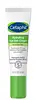 Key Ingredients
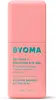
Benefits
Concerns
Ingredients Side-by-side
Water
Skin ConditioningCyclopentasiloxane
Emollient
Dimethicone Crosspolymer
Emulsion Stabilising
Glycerin
Humectant



Hdi/Trimethylol Hexyllactone Crosspolymer
Butylene Glycol
Humectant
Octyldodecanol
Emollient
Dihydroxyisopropyl Capryloylcaprylamide
Skin ProtectingNiacinamide
Smoothing







Polysorbate 80
Emulsifying

Sodium Hyaluronate
Humectant
Sodium Polyacrylate
Absorbent
Tocopheryl Acetate
Antioxidant

Portulaca Oleracea Extract
Skin Conditioning
Crithmum Maritimum Extract
Skin ConditioningGlycyrrhiza Glabra Root Extract
Bleaching
Camellia Sinensis Leaf Extract
Antimicrobial
Poria Cocos Extract
Skin ConditioningVitis Vinifera Seed Oil
Emollient
Camellia Sinensis Seed Oil
Humectant
Limnanthes Alba Seed Oil
Skin Conditioning
Hydrogenated Vegetable Oil
Emollient
Sorbitan Olivate
Emulsifying
Sucrose Cocoate
Emulsifying
Caprylyl Glycol
Emollient
Bisabolol
Masking
Dimethicone
Emollient
Cetyl Palmitate
Emollient
Sorbitan Palmitate
Emulsifying
Serine
Masking
Phytosterols
Skin Conditioning
Alanine
MaskingGlycine
Buffering
Trideceth-6
EmulsifyingCaprylic/Capric Triglyceride
Masking
Sodium Carboxymethyl Beta-Glucan
CleansingMyristoyl/Palmitoyl Oxostearamide/Arachamide Mea
Skin ConditioningBiotinoyl Hexapeptide-2 Amide
Skin Conditioning
Ammonium Acryloyldimethyltaurate/Vp Copolymer
PEG/PPG-18/18 Dimethicone
Emulsifying
Xanthan Gum
EmulsifyingSilica
Abrasive


Glyceryl Stearate
Emollient
Sorbitan Stearate
Emulsifying
Phenoxyethanol
Preservative
Polyvinyl Alcohol
Cetearyl Alcohol
Emollient
Stearic Acid
Cleansing
Citric Acid
Buffering

Parfum
Masking
Water, Cyclopentasiloxane, Dimethicone Crosspolymer, Glycerin, Hdi/Trimethylol Hexyllactone Crosspolymer, Butylene Glycol, Octyldodecanol, Dihydroxyisopropyl Capryloylcaprylamide, Niacinamide, Polysorbate 80, Sodium Hyaluronate, Sodium Polyacrylate, Tocopheryl Acetate, Portulaca Oleracea Extract, Crithmum Maritimum Extract, Glycyrrhiza Glabra Root Extract, Camellia Sinensis Leaf Extract, Poria Cocos Extract, Vitis Vinifera Seed Oil, Camellia Sinensis Seed Oil, Limnanthes Alba Seed Oil, Hydrogenated Vegetable Oil, Sorbitan Olivate, Sucrose Cocoate, Caprylyl Glycol, Bisabolol, Dimethicone, Cetyl Palmitate, Sorbitan Palmitate, Serine, Phytosterols, Alanine, Glycine, Trideceth-6, Caprylic/Capric Triglyceride, Sodium Carboxymethyl Beta-Glucan, Myristoyl/Palmitoyl Oxostearamide/Arachamide Mea, Biotinoyl Hexapeptide-2 Amide, Ammonium Acryloyldimethyltaurate/Vp Copolymer, PEG/PPG-18/18 Dimethicone, Xanthan Gum, Silica, Glyceryl Stearate, Sorbitan Stearate, Phenoxyethanol, Polyvinyl Alcohol, Cetearyl Alcohol, Stearic Acid, Citric Acid, Parfum
Water
Skin ConditioningDipropylene Glycol
HumectantButylene Glycol
Humectant
1,2-Hexanediol
Skin Conditioning
Glycerin
Humectant
Cetearyl Olivate
Sorbitan Isostearate
Emulsifying
Hydroxyethyl Acrylate/Sodium Acryloyldimethyl Taurate Copolymer
Emulsion StabilisingCarbomer
Emulsion StabilisingPvm/Ma Copolymer
Emulsion StabilisingSorbitan Olivate
Emulsifying
Ceramide NP
Skin Conditioning
Cholesterol
Emollient
Phytosphingosine
Skin Conditioning
Polyglyceryl-10 Myristate
Skin Conditioning
Sodium Hyaluronate
Humectant
Stearic Acid
Cleansing
Hydrolyzed Hyaluronic Acid
Humectant
Oleic Acid
Emollient
Caprylic/Capric Triglyceride
Masking
Sodium Acetylated Hyaluronate
Humectant
Ethylhexylglycerin
Skin Conditioning3-O-Ethyl Ascorbic Acid
Skin Conditioning
Tocopherol
Antioxidant
Glyceryl Acrylate/Acrylic Acid Copolymer
HumectantHydrogenated Lecithin
Emulsifying
Menthyl Lactate
MaskingEthyl Menthane Carboxamide
TonicMethyl Diisopropyl Propionamide
MaskingSodium Phytate
Caprylhydroxamic Acid
Lactic Acid
Buffering
Tromethamine
BufferingCaprylyl Glycol
Emollient
Water, Dipropylene Glycol, Butylene Glycol, 1,2-Hexanediol, Glycerin, Cetearyl Olivate, Sorbitan Isostearate, Hydroxyethyl Acrylate/Sodium Acryloyldimethyl Taurate Copolymer, Carbomer, Pvm/Ma Copolymer, Sorbitan Olivate, Ceramide NP, Cholesterol, Phytosphingosine, Polyglyceryl-10 Myristate, Sodium Hyaluronate, Stearic Acid, Hydrolyzed Hyaluronic Acid, Oleic Acid, Caprylic/Capric Triglyceride, Sodium Acetylated Hyaluronate, Ethylhexylglycerin, 3-O-Ethyl Ascorbic Acid, Tocopherol, Glyceryl Acrylate/Acrylic Acid Copolymer, Hydrogenated Lecithin, Menthyl Lactate, Ethyl Menthane Carboxamide, Methyl Diisopropyl Propionamide, Sodium Phytate, Caprylhydroxamic Acid, Lactic Acid, Tromethamine, Caprylyl Glycol
Reviews
Ingredients Explained
These ingredients are found in both products.
Ingredients higher up in an ingredient list are typically present in a larger amount.
Butylene Glycol (or BG) is used within cosmetic products for a few different reasons:
Overall, Butylene Glycol is a safe and well-rounded ingredient that works well with other ingredients.
Though this ingredient works well with most skin types, some people with sensitive skin may experience a reaction such as allergic rashes, closed comedones, or itchiness.
Learn more about Butylene GlycolThis ingredient is an emollient, solvent, and texture enhancer. It is considered a skin-softener by helping the skin prevent moisture loss.
It helps thicken a product's formula and makes it easier to spread by dissolving clumping compounds.
Caprylic Triglyceride is made by combining glycerin with coconut oil, forming a clear liquid.
While there is an assumption Caprylic Triglyceride can clog pores due to it being derived from coconut oil, there is no research supporting this.
Learn more about Caprylic/Capric TriglycerideCaprylyl Glycol is a humectant and emollient, meaning it attracts and preserves moisture.
It is a common ingredient in many products, especially those designed to hydrate skin. The primary benefits are retaining moisture, skin softening, and promoting a healthy skin barrier.
Though Caprylyl Glycol is an alcohol derived from fatty acids, it is not the kind that can dry out skin.
This ingredient is also used as a preservative to extend the life of products. It has slight antimicrobial properties.
Learn more about Caprylyl GlycolGlycerin is already naturally found in your skin. It helps moisturize and protect your skin.
A study from 2016 found glycerin to be more effective as a humectant than AHAs and hyaluronic acid.
As a humectant, it helps the skin stay hydrated by pulling moisture to your skin. The low molecular weight of glycerin allows it to pull moisture into the deeper layers of your skin.
Hydrated skin improves your skin barrier; Your skin barrier helps protect against irritants and bacteria.
Glycerin has also been found to have antimicrobial and antiviral properties. Due to these properties, glycerin is often used in wound and burn treatments.
In cosmetics, glycerin is usually derived from plants such as soybean or palm. However, it can also be sourced from animals, such as tallow or animal fat.
This ingredient is organic, colorless, odorless, and non-toxic.
Glycerin is the name for this ingredient in American English. British English uses Glycerol/Glycerine.
Learn more about GlycerinSodium Hyaluronate is hyaluronic acid's salt form. It is commonly derived from the sodium salt of hyaluronic acid.
Like hyaluronic acid, it is great at holding water and acts as a humectant. This makes it a great skin hydrating ingredient.
Sodium Hyaluronate is naturally occurring in our bodies and is mostly found in eye fluid and joints.
These are some other common types of Hyaluronic Acid:
Learn more about Sodium HyaluronateSorbitan Olivate is created from the fatty acids in olive oil and sorbitol.
This ingredient is an oil in water emulsifier. It helps stabilize a product by preventing oils and waters from separating. Sorbitan Olivate also helps hydrate the skin.
Manufacturers sell sorbitan olivate under the name OliveM 1000. OliveM 1000 a multifunctional ingredient. It is self-emulsifying. According to a manufacturer, OliveM 1000 does not disrupt natural skin biome.
Due to its olive oil base, this ingredient may not be fungal-acne safe.
Learn more about Sorbitan OlivateStearic Acid is a fatty acid. It is an emollient, emulsifier, and texture enhancer.
As an emollient, stearic acid helps soften skin. It aids the skin's protective barrier by preventing water loss. It also provides a gentle cleansing effect without stripping away natural oils.
Stearic acid may also be used to enhance the texture of products. It can add volume and stabilize ingredients such as water and oil. This can help water and oil ingredients from separating.
Sources of stearic acid include animal or vegetable fats/oils such as coconut or shea. It can be naturally found in butter, cocoa butter, shea butter, vegetable fats, and animal tallow.
This ingredient may not be Malassezia folliculitis, or fungal-acne safe.
Learn more about Stearic AcidWater. It's the most common cosmetic ingredient of all. You'll usually see it at the top of ingredient lists, meaning that it makes up the largest part of the product.
So why is it so popular? Water most often acts as a solvent - this means that it helps dissolve other ingredients into the formulation.
You'll also recognize water as that liquid we all need to stay alive. If you see this, drink a glass of water. Stay hydrated!
Learn more about Water
