

What's inside
What's inside
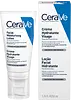 Key Ingredients
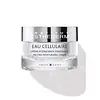
Benefits
Concerns
Ingredients Side-by-side
Water
Skin ConditioningGlycerin
Humectant



Caprylic/Capric Triglyceride
Masking
Niacinamide
Smoothing







Cetearyl Alcohol
Emollient



Dimethicone
Emollient
Phenoxyethanol
Preservative
Ceteareth-20
Cleansing
Behentrimonium Methosulfate

Caprylyl Glycol
Emollient
Polyglyceryl-3 Diisostearate
Emulsifying
Sodium Lauroyl Lactylate
EmulsifyingPotassium Phosphate
BufferingDisodium EDTA
Dipotassium Phosphate
BufferingCeramide NP
Skin Conditioning
Ceramide AP
Skin Conditioning
Phytosphingosine
Skin Conditioning
Cholesterol
Emollient
Xanthan Gum
EmulsifyingCarbomer
Emulsion StabilisingEthylhexylglycerin
Skin ConditioningSodium Hyaluronate
Humectant
Ceramide EOP
Skin Conditioning
Water, Glycerin, Caprylic/Capric Triglyceride, Niacinamide, Cetearyl Alcohol, Dimethicone, Phenoxyethanol, Ceteareth-20, Behentrimonium Methosulfate, Caprylyl Glycol, Polyglyceryl-3 Diisostearate, Sodium Lauroyl Lactylate, Potassium Phosphate, Disodium EDTA, Dipotassium Phosphate, Ceramide NP, Ceramide AP, Phytosphingosine, Cholesterol, Xanthan Gum, Carbomer, Ethylhexylglycerin, Sodium Hyaluronate, Ceramide EOP
Water
Skin ConditioningCyclomethicone
Emollient
Dimethicone
Emollient
Glycerin
Humectant
Butylene Glycol
Humectant
Ethylhexyl Palmitate
Emollient
Steareth-2
EmulsifyingBoron Nitride
AbsorbentXylitol
Humectant
Cyclopentasiloxane
Emollient
Steareth-21
CleansingCetyl Alcohol
Emollient
Cyclohexasiloxane
Emollient
Acrylates/C10-30 Alkyl Acrylate Crosspolymer
Emulsion StabilisingC10-30 Cholesterol/Lanosterol Esters
Emulsifying
Phenyl Trimethicone
Skin Conditioning
Sodium Citrate
BufferingSodium Hydroxide
BufferingCholesterol
Emollient
Lactic Acid
Buffering



Serine
Masking
Sodium Lactate
BufferingSorbitol
Humectant
Tea-Lactate
HumectantUrea
Buffering
Sodium Chloride
Masking
Citric Acid
Buffering
Soluble Collagen
Humectant
BHT
Antioxidant
Sodium Hyaluronate
Humectant
Propylene Glycol
Humectant
Imperata Cylindrica Root Extract
Skin ConditioningGlucose
Humectant
Mannitol
Humectant
Disodium Phosphate
BufferingPotassium Chloride
Sodium Bicarbonate
Abrasive
Calcium Chloride
AstringentCeramide NP
Skin Conditioning
Magnesium Chloride
Magnesium Sulfate
Sodium Benzoate
Masking
PEG-8
HumectantCarnosine
Skin Conditioning
Potassium Phosphate
BufferingAllantoin
Skin Conditioning
Algae Extract
Emollient
Disodium Adenosine Triphosphate
Skin ConditioningCarbomer
Emulsion StabilisingTocopherol
Antioxidant
Potassium Sorbate
Preservative
Creatine
Skin ConditioningCI 17200
Cosmetic ColorantArtemia Extract
Skin ConditioningPentylene Glycol
Skin ConditioningSuperoxide Dismutase
Antioxidant
Tromethamine
BufferingCetrimonium Bromide
Antimicrobial
Methylparaben
Preservative

Phenoxyethanol
Preservative
Chlorphenesin
Antimicrobial
Parfum
Masking
Hexyl Cinnamal
Perfuming

Butylphenyl Methylpropional
Perfuming
Hydroxyisohexyl 3-Cyclohexene Carboxaldehyde
Masking
Citronellol
Perfuming
Linalool
Perfuming
Benzyl Benzoate
Antimicrobial
Water, Cyclomethicone, Dimethicone, Glycerin, Butylene Glycol, Ethylhexyl Palmitate, Steareth-2, Boron Nitride, Xylitol, Cyclopentasiloxane, Steareth-21, Cetyl Alcohol, Cyclohexasiloxane, Acrylates/C10-30 Alkyl Acrylate Crosspolymer, C10-30 Cholesterol/Lanosterol Esters, Phenyl Trimethicone, Sodium Citrate, Sodium Hydroxide, Cholesterol, Lactic Acid, Serine, Sodium Lactate, Sorbitol, Tea-Lactate, Urea, Sodium Chloride, Citric Acid, Soluble Collagen, BHT, Sodium Hyaluronate, Propylene Glycol, Imperata Cylindrica Root Extract, Glucose, Mannitol, Disodium Phosphate, Potassium Chloride, Sodium Bicarbonate, Calcium Chloride, Ceramide NP, Magnesium Chloride, Magnesium Sulfate, Sodium Benzoate, PEG-8, Carnosine, Potassium Phosphate, Allantoin, Algae Extract, Disodium Adenosine Triphosphate, Carbomer, Tocopherol, Potassium Sorbate, Creatine, CI 17200, Artemia Extract, Pentylene Glycol, Superoxide Dismutase, Tromethamine, Cetrimonium Bromide, Methylparaben, Phenoxyethanol, Chlorphenesin, Parfum, Hexyl Cinnamal, Butylphenyl Methylpropional, Hydroxyisohexyl 3-Cyclohexene Carboxaldehyde, Citronellol, Linalool, Benzyl Benzoate
Reviews
Ingredients Explained
These ingredients are found in both products.
Ingredients higher up in an ingredient list are typically present in a larger amount.
Carbomer is a polymer of acrylic acid. Its main role is to create a gel consistency.
A high amount of carbomer can cause pilling or balling up of products. Don't worry, most products contain 1% or less of carbomer.
Ceramide NP is a type of ceramide and formally known as ceramide 3.
Ceramides are intercellular lipids naturally found in our skin that bonds dead skin cells together to create a barrier. They are known for their ability to hold water and thus are a great ingredient for dry skin.
Ceramides are an important building block for our skin barrier. A stronger barrier helps the skin look more firm and hydrated. By bolstering the skin ceramides act as a barrier against irritating ingredients. This can help with inflammation as well.
If you would like to eat ceramides, sweet potatoes contain a small amount.
Read more about other common types of ceramides here:
Ceramide AP
Ceramide EOP
Cholesterol is a class of organic molecules called lipids. It helps hydrate your skin and is essential to having a healthy skin barrier.
Our skin naturally contains cholesterol in the outermost layer. Besides cholesterol, it also contains ceramides and fatty acids. Cholesterol makes up about 1/4 of your skin's outer layer and barrier. Your skin barrier is responsible for keeping allergens and microbes out. Having a healthy skin barrier is also responsible for keeping your skin firm and plump.
Our bodies use cholestrol to create vitamin D, steroid hormones, and more.
Learn more about CholesterolDimethicone is a type of synthetic silicone created from natural materials such as quartz.
What it does:
Dimethicone comes in different viscosities:
Depending on the viscosity, dimethicone has different properties.
Ingredients lists don't always show which type is used, so we recommend reaching out to the brand if you have questions about the viscosity.
This ingredient is unlikely to cause irritation because it does not get absorbed into skin. However, people with silicone allergies should be careful about using this ingredient.
Note: Dimethicone may contribute to pilling. This is because it is not oil or water soluble, so pilling may occur when layered with products. When mixed with heavy oils in a formula, the outcome is also quite greasy.
Learn more about DimethiconeGlycerin is already naturally found in your skin. It helps moisturize and protect your skin.
A study from 2016 found glycerin to be more effective as a humectant than AHAs and hyaluronic acid.
As a humectant, it helps the skin stay hydrated by pulling moisture to your skin. The low molecular weight of glycerin allows it to pull moisture into the deeper layers of your skin.
Hydrated skin improves your skin barrier; Your skin barrier helps protect against irritants and bacteria.
Glycerin has also been found to have antimicrobial and antiviral properties. Due to these properties, glycerin is often used in wound and burn treatments.
In cosmetics, glycerin is usually derived from plants such as soybean or palm. However, it can also be sourced from animals, such as tallow or animal fat.
This ingredient is organic, colorless, odorless, and non-toxic.
Glycerin is the name for this ingredient in American English. British English uses Glycerol/Glycerine.
Learn more about GlycerinPhenoxyethanol is a preservative that has germicide, antimicrobial, and aromatic properties. Studies show that phenoxyethanol can prevent microbial growth. By itself, it has a scent that is similar to that of a rose.
It's often used in formulations along with Caprylyl Glycol to preserve the shelf life of products.
Potassium Phosphate is the term for the salts of potassium and phosphate ions. Our bodies naturally create and use potassium phosphate.
In cosmetics, potassium phosphate is used to adjust the pH level of products. Our skin has a natural pH level. Maintaining this pH level is important for our skin barrier. If the skin barrier is disrupted, our skin can experience dehydration and irritation.
This ingredient is used in medicine to help treat low blood levels of phosphorus.
Learn more about Potassium PhosphateSodium Hyaluronate is hyaluronic acid's salt form. It is commonly derived from the sodium salt of hyaluronic acid.
Like hyaluronic acid, it is great at holding water and acts as a humectant. This makes it a great skin hydrating ingredient.
Sodium Hyaluronate is naturally occurring in our bodies and is mostly found in eye fluid and joints.
These are some other common types of Hyaluronic Acid:
Learn more about Sodium HyaluronateWater. It's the most common cosmetic ingredient of all. You'll usually see it at the top of ingredient lists, meaning that it makes up the largest part of the product.
So why is it so popular? Water most often acts as a solvent - this means that it helps dissolve other ingredients into the formulation.
You'll also recognize water as that liquid we all need to stay alive. If you see this, drink a glass of water. Stay hydrated!
Learn more about Water
