

What's inside
What's inside
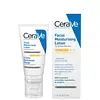 Key Ingredients
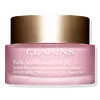
Benefits
Concerns
Ingredients Side-by-side
Water
Skin ConditioningGlycerin
Humectant



Isopropyl Palmitate
Emollient


Bis-Ethylhexyloxyphenol Methoxyphenyl Triazine
Skin Conditioning
Ethylhexyl Salicylate
UV Absorber

Niacinamide
Smoothing







Pentylene Glycol
Skin ConditioningButyl Methoxydibenzoylmethane
UV Absorber
Ethylhexyl Triazone
UV Absorber
Propanediol
Solvent
Zea Mays Starch
AbsorbentPotassium Cetyl Phosphate
EmulsifyingDiisopropyl Sebacate
EmollientOryza Sativa Cera
Skin ConditioningStearic Acid
Cleansing
Ceramide NP
Skin Conditioning
Ceramide AP
Skin Conditioning
Ceramide EOP
Skin Conditioning
Carbomer
Emulsion StabilisingGlyceryl Stearate
Emollient
Cetearyl Alcohol
Emollient
Triethanolamine
BufferingBehentrimonium Methosulfate

Triethyl Citrate
Masking
Sodium Hyaluronate
Humectant
Sodium Polyacrylate
Absorbent
Sodium Lauroyl Lactylate
EmulsifyingMyristic Acid
Cleansing
Cholesterol
Emollient
Palmitic Acid
Emollient
Tocopherol
Antioxidant

Caprylyl Glycol
Emollient
Citric Acid
Buffering

Trisodium Ethylenediamine Disuccinate
Xanthan Gum
EmulsifyingPhytosphingosine
Skin Conditioning
Acrylates/C10-30 Alkyl Acrylate Crosspolymer
Emulsion StabilisingButyrospermum Parkii Butter
Skin Conditioning
Benzoic Acid
Masking

PEG-100 Stearate
Water, Glycerin, Isopropyl Palmitate, Bis-Ethylhexyloxyphenol Methoxyphenyl Triazine, Ethylhexyl Salicylate, Niacinamide, Pentylene Glycol, Butyl Methoxydibenzoylmethane, Ethylhexyl Triazone, Propanediol, Zea Mays Starch, Potassium Cetyl Phosphate, Diisopropyl Sebacate, Oryza Sativa Cera, Stearic Acid, Ceramide NP, Ceramide AP, Ceramide EOP, Carbomer, Glyceryl Stearate, Cetearyl Alcohol, Triethanolamine, Behentrimonium Methosulfate, Triethyl Citrate, Sodium Hyaluronate, Sodium Polyacrylate, Sodium Lauroyl Lactylate, Myristic Acid, Cholesterol, Palmitic Acid, Tocopherol, Caprylyl Glycol, Citric Acid, Trisodium Ethylenediamine Disuccinate, Xanthan Gum, Phytosphingosine, Acrylates/C10-30 Alkyl Acrylate Crosspolymer, Butyrospermum Parkii Butter, Benzoic Acid, PEG-100 Stearate
Water
Skin ConditioningHomosalate
Skin Conditioning
Glycerin
Humectant
Butyloctyl Salicylate
Skin Conditioning
Dimethicone
Emollient
Butyl Methoxydibenzoylmethane
UV Absorber
C12-15 Alkyl Benzoate
AntimicrobialOctocrylene
UV Absorber
Cetearyl Alcohol
Emollient
Propanediol
Solvent
Potassium Cetyl Phosphate
EmulsifyingParfum
Masking
Cellulose
AbsorbentCetearyl Glucoside
EmulsifyingDipsacus Sylvestris Extract
Skin ConditioningPhenoxyethanol
Preservative
Acrylates/C10-30 Alkyl Acrylate Crosspolymer
Emulsion StabilisingCaprylyl Glycol
Emollient
CI 77891
Cosmetic ColorantTromethamine
BufferingSynthetic Fluorphlogopite
Disodium EDTA
Tocopheryl Acetate
Antioxidant
Xanthan Gum
EmulsifyingSodium Hyaluronate
Humectant
Dimethiconol
Emollient
Tocopherol
Antioxidant
Butylene Glycol
Humectant
Diospyros Mespiliformis Leaf Extract
Skin ConditioningMaltodextrin
Absorbent
Sanicula Europaea Extract
Skin ConditioningMyrothamnus Flabellifolia Extract
HumectantCitric Acid
Buffering
Lapsana Communis Flower/Leaf/Stem Extract
Skin ConditioningFurcellaria Lumbricalis Extract
Skin ConditioningSodium Citrate
BufferingPotassium Sorbate
Preservative
Ascorbic Acid
Antioxidant
Glycolic Acid
Buffering
Lactic Acid
Buffering
Maris Sal
Skin ConditioningCI 14700
Cosmetic ColorantCI 17200
Cosmetic ColorantPolyvinyl Alcohol
Copper Palmitoyl Heptapeptide-14
Skin Conditioning
Heptapeptide-15 Palmitate
Skin Conditioning
Water, Homosalate, Glycerin, Butyloctyl Salicylate, Dimethicone, Butyl Methoxydibenzoylmethane, C12-15 Alkyl Benzoate, Octocrylene, Cetearyl Alcohol, Propanediol, Potassium Cetyl Phosphate, Parfum, Cellulose, Cetearyl Glucoside, Dipsacus Sylvestris Extract, Phenoxyethanol, Acrylates/C10-30 Alkyl Acrylate Crosspolymer, Caprylyl Glycol, CI 77891, Tromethamine, Synthetic Fluorphlogopite, Disodium EDTA, Tocopheryl Acetate, Xanthan Gum, Sodium Hyaluronate, Dimethiconol, Tocopherol, Butylene Glycol, Diospyros Mespiliformis Leaf Extract, Maltodextrin, Sanicula Europaea Extract, Myrothamnus Flabellifolia Extract, Citric Acid, Lapsana Communis Flower/Leaf/Stem Extract, Furcellaria Lumbricalis Extract, Sodium Citrate, Potassium Sorbate, Ascorbic Acid, Glycolic Acid, Lactic Acid, Maris Sal, CI 14700, CI 17200, Polyvinyl Alcohol, Copper Palmitoyl Heptapeptide-14, Heptapeptide-15 Palmitate
Reviews
Ingredients Explained
These ingredients are found in both products.
Ingredients higher up in an ingredient list are typically present in a larger amount.
Acrylates/C10-30 Alkyl Acrylate Crosspolymer is a synthetic polymer. It is used to thicken and improve the texture of products. Due to its properties, it can prevent water and oil ingredients from separating.
Also known as Avobenzone, this ingredient is a chemical sunscreen filter that provides protection in the UV-A range.
Avobenzone is globally approved and is the most commonly used UV-A filter in the world.
Studies have found that avobenzone becomes ineffective when exposed to UV light (it is not photostable; meaning that it breaks down in sunlight). Because of this, formulations that include avobenzone will usually contain stabilizers such as octocrylene.
However, some modern formulations (looking at you, EU!) are able to stabilize avobenzone by coating the molecules.
Avobenzone does not protect against the UV-B range, so it's important to check that the sunscreen you're using contains other UV filters that do!
The highest concentration of avobenzone permitted is 3% in the US, and 5% in the EU.
Learn more about Butyl MethoxydibenzoylmethaneCaprylyl Glycol is a humectant and emollient, meaning it attracts and preserves moisture.
It is a common ingredient in many products, especially those designed to hydrate skin. The primary benefits are retaining moisture, skin softening, and promoting a healthy skin barrier.
Though Caprylyl Glycol is an alcohol derived from fatty acids, it is not the kind that can dry out skin.
This ingredient is also used as a preservative to extend the life of products. It has slight antimicrobial properties.
Learn more about Caprylyl GlycolCetearyl alcohol is a mixture of two fatty alcohols: cetyl alcohol and stearyl alcohol. It is mainly used as an emulsifier. Emulsifiers help prevent the separation of oils and products. Due to its composition, it can also be used to thicken a product or help create foam.
Cetearyl alcohol is an emollient. Emollients help soothe and hydrate the skin by trapping moisture.
Studies show Cetearyl alcohol is non-toxic and non-irritating. The FDA allows products labeled "alcohol-free" to have fatty alcohols.
This ingredient is usually derived from plant oils such as palm, vegetable, or coconut oils. There is debate on whether this ingredient will cause acne.
Due to the fatty acid base, this ingredient may not be Malassezia folliculitis safe.
Learn more about Cetearyl AlcoholCitric Acid is an alpha hydroxy acid (AHA) naturally found in citrus fruits like oranges, lemons, and limes.
Like other AHAs, citric acid can exfoliate skin by breaking down the bonds that hold dead skin cells together. This helps reveal smoother and brighter skin underneath.
However, this exfoliating effect only happens at high concentrations (20%) which can be hard to find in cosmetic products.
Due to this, citric acid is usually included in small amounts as a pH adjuster. This helps keep products slightly more acidic and compatible with skin's natural pH.
In skincare formulas, citric acid can:
While it can provide some skin benefits, research shows lactic acid and glycolic acid are generally more effective and less irritating exfoliants.
Most citric acid used in skincare today is made by fermenting sugars (usually from molasses). This synthetic version is identical to the natural citrus form but easier to stabilize and use in formulations.
Read more about some other popular AHA's here:
Learn more about Citric AcidGlycerin is already naturally found in your skin. It helps moisturize and protect your skin.
A study from 2016 found glycerin to be more effective as a humectant than AHAs and hyaluronic acid.
As a humectant, it helps the skin stay hydrated by pulling moisture to your skin. The low molecular weight of glycerin allows it to pull moisture into the deeper layers of your skin.
Hydrated skin improves your skin barrier; Your skin barrier helps protect against irritants and bacteria.
Glycerin has also been found to have antimicrobial and antiviral properties. Due to these properties, glycerin is often used in wound and burn treatments.
In cosmetics, glycerin is usually derived from plants such as soybean or palm. However, it can also be sourced from animals, such as tallow or animal fat.
This ingredient is organic, colorless, odorless, and non-toxic.
Glycerin is the name for this ingredient in American English. British English uses Glycerol/Glycerine.
Learn more about GlycerinPotassium Cetyl Phosphate is the potassium salt of a mixture. This mixture consists of the esters from phosphoricacid and cetyl alcohol.
Potassium Cetyl Phosphate is an emulsifier and cleansing agent. Emulsifiers help stabilize a product. It does this by preventing certain ingredients from separating.
As a cleansing agent, Potassium Cetyl Phosphate helps gather oils, dirts, and pollutants from your skin. This makes it easier to rinse them away with water.
Learn more about Potassium Cetyl PhosphatePropanediol is an all-star ingredient. It softens, hydrates, and smooths the skin.
It’s often used to:
Propanediol is not likely to cause sensitivity and considered safe to use. It is derived from corn or petroleum with a clear color and no scent.
Learn more about PropanediolSodium Hyaluronate is hyaluronic acid's salt form. It is commonly derived from the sodium salt of hyaluronic acid.
Like hyaluronic acid, it is great at holding water and acts as a humectant. This makes it a great skin hydrating ingredient.
Sodium Hyaluronate is naturally occurring in our bodies and is mostly found in eye fluid and joints.
These are some other common types of Hyaluronic Acid:
Learn more about Sodium HyaluronateTocopherol (also known as Vitamin E) is a common antioxidant used to help protect the skin from free-radicals and strengthen the skin barrier. It's also fat soluble - this means our skin is great at absorbing it.
Vitamin E also helps keep your natural skin lipids healthy. Your lipid skin barrier naturally consists of lipids, ceramides, and fatty acids. Vitamin E offers extra protection for your skin’s lipid barrier, keeping your skin healthy and nourished.
Another benefit is a bit of UV protection. Vitamin E helps reduce the damage caused by UVB rays. (It should not replace your sunscreen). Combining it with Vitamin C can decrease sunburned cells and hyperpigmentation after UV exposure.
You might have noticed Vitamin E + C often paired together. This is because it is great at stabilizing Vitamin C. Using the two together helps increase the effectiveness of both ingredients.
There are often claims that Vitamin E can reduce/prevent scarring, but these claims haven't been confirmed by scientific research.
Learn more about TocopherolWater. It's the most common cosmetic ingredient of all. You'll usually see it at the top of ingredient lists, meaning that it makes up the largest part of the product.
So why is it so popular? Water most often acts as a solvent - this means that it helps dissolve other ingredients into the formulation.
You'll also recognize water as that liquid we all need to stay alive. If you see this, drink a glass of water. Stay hydrated!
Learn more about WaterXanthan gum is used as a stabilizer and thickener within cosmetic products. It helps give products a sticky, thick feeling - preventing them from being too runny.
On the technical side of things, xanthan gum is a polysaccharide - a combination consisting of multiple sugar molecules bonded together.
Xanthan gum is a pretty common and great ingredient. It is a natural, non-toxic, non-irritating ingredient that is also commonly used in food products.
Learn more about Xanthan Gum
