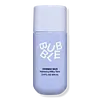
This hydrating toner is formulated around Xylitylglucoside and Linoleic Acid to hydrate skin and strengthen the skin barrier.
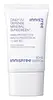
This hybrid sunscreen covers the full UV range and blocks ~98% of UVB at SPF 50.


What's inside
What's inside
 Key Ingredients
Benefits
Concerns
Ingredients Side-by-side
Water
Skin ConditioningC12-15 Alkyl Benzoate
AntimicrobialCoconut Alkanes
Emollient


Glycerin
Humectant


Polyglyceryl-10 Mono/Dioleate
Skin ConditioningPolyglyceryl-3 Oleate
Emulsifying

Phosphatidylglycerol
Coco-Caprylate/Caprate
Emollient
Anhydroxylitol
Humectant
Xylitol
Humectant
Xylitylglucoside
Humectant
Glucose
Humectant
Euterpe Oleracea Sterols
Skin ConditioningLinoleic Acid
Cleansing

Linolenic Acid
Cleansing

Oleic Acid
Emollient
Sodium Hyaluronate
Humectant


Phenoxyethanol
Preservative
Ethylhexylglycerin
Skin ConditioningTocopheryl Acetate
Antioxidant


Sorbitan Isostearate
Emulsifying
Xanthan Gum
EmulsifyingHydroxyethyl Acrylate/Sodium Acryloyldimethyl Taurate Copolymer
Emulsion StabilisingCetyl Hydroxyethylcellulose
Emulsion StabilisingDisodium Phosphate
BufferingHydrated Silica
Abrasive
Silica Dimethyl Silylate
EmollientSodium Phosphate
BufferingSodium Benzoate
Masking
Allantoin
Skin Conditioning
Arnica Montana Flower Extract
Masking
Caprylyl Glycol
Emollient
Potassium Sorbate
Preservative
Hexylene Glycol
EmulsifyingAcer Saccharum Sap
HumectantCitric Acid
Buffering
Sodium Phytate
ChelatingPentylene Glycol
Skin Conditioning
Sodium Acetylated Hyaluronate
Humectant
Sodium Hyaluronate Crosspolymer
Humectant
Hydrolyzed Sodium Hyaluronate
Skin Conditioning
Carbomer
Emulsion StabilisingCeramide AP
Skin Conditioning
Ceramide EOP
Skin Conditioning
Ceramide NP
Skin Conditioning
Cholesterol
Emollient
Phytosphingosine
Skin Conditioning
Sodium Lauroyl Lactylate
EmulsifyingWater, C12-15 Alkyl Benzoate, Coconut Alkanes, Glycerin, Polyglyceryl-10 Mono/Dioleate, Polyglyceryl-3 Oleate, Phosphatidylglycerol, Coco-Caprylate/Caprate, Anhydroxylitol, Xylitol, Xylitylglucoside, Glucose, Euterpe Oleracea Sterols, Linoleic Acid, Linolenic Acid, Oleic Acid, Sodium Hyaluronate, Phenoxyethanol, Ethylhexylglycerin, Tocopheryl Acetate, Sorbitan Isostearate, Xanthan Gum, Hydroxyethyl Acrylate/Sodium Acryloyldimethyl Taurate Copolymer, Cetyl Hydroxyethylcellulose, Disodium Phosphate, Hydrated Silica, Silica Dimethyl Silylate, Sodium Phosphate, Sodium Benzoate, Allantoin, Arnica Montana Flower Extract, Caprylyl Glycol, Potassium Sorbate, Hexylene Glycol, Acer Saccharum Sap, Citric Acid, Sodium Phytate, Pentylene Glycol, Sodium Acetylated Hyaluronate, Sodium Hyaluronate Crosspolymer, Hydrolyzed Sodium Hyaluronate, Carbomer, Ceramide AP, Ceramide EOP, Ceramide NP, Cholesterol, Phytosphingosine, Sodium Lauroyl Lactylate
Water
Skin ConditioningZinc Oxide
Cosmetic Colorant


Propylheptyl Caprylate
EmollientButyloctyl Salicylate
Skin Conditioning
Propanediol
Solvent
Caprylyl Methicone
Skin Conditioning
Disiloxane
Skin Conditioning
Polyglyceryl-3 Polydimethylsiloxyethyl Dimethicone
Skin Conditioning
Polymethylsilsesquioxane
Polyglyceryl-2 Dipolyhydroxystearate
Skin Conditioning
Disteardimonium Hectorite
StabilisingMagnesium Sulfate
Triethoxycaprylylsilane
1,2-Hexanediol
Skin Conditioning
Silica
Abrasive
Lauryl Polyglyceryl-3 Polydimethylsiloxyethyl Dimethicone
Skin Conditioning
Synthetic Fluorphlogopite
Dicaprylyl Carbonate
EmollientCaprylyl Glycol
Emollient
Glyceryl Caprylate
EmollientCI 77288
Cosmetic ColorantMica
Cosmetic ColorantEthylhexylglycerin
Skin ConditioningSodium Hyaluronate
Humectant
Tocopherol
Antioxidant
Squalane
Emollient
Ceramide NP
Skin Conditioning
Niacinamide
Smoothing


Hydrolyzed Sodium Hyaluronate
Skin Conditioning
Panthenol
Skin Conditioning
Butylene Glycol
Humectant
Centella Asiatica Extract
Cleansing
Centella Asiatica Leaf Extract
Skin Conditioning
Saccharomyces Ferment
Skin Conditioning
Centella Asiatica Root Extract
Skin Conditioning
Hydroxypropyltrimonium Hyaluronate
Asiaticoside
Antioxidant
Madecassoside
Antioxidant
Hydrolyzed Hyaluronic Acid
Humectant
Sodium Acetylated Hyaluronate
Humectant
Hyaluronic Acid
Humectant
Sodium Hyaluronate Crosspolymer
Humectant
Potassium Hyaluronate
Skin ConditioningAsiatic Acid
Skin Conditioning
Madecassic Acid
Skin Conditioning
Water, Zinc Oxide, Propylheptyl Caprylate, Butyloctyl Salicylate, Propanediol, Caprylyl Methicone, Disiloxane, Polyglyceryl-3 Polydimethylsiloxyethyl Dimethicone, Polymethylsilsesquioxane, Polyglyceryl-2 Dipolyhydroxystearate, Disteardimonium Hectorite, Magnesium Sulfate, Triethoxycaprylylsilane, 1,2-Hexanediol, Silica, Lauryl Polyglyceryl-3 Polydimethylsiloxyethyl Dimethicone, Synthetic Fluorphlogopite, Dicaprylyl Carbonate, Caprylyl Glycol, Glyceryl Caprylate, CI 77288, Mica, Ethylhexylglycerin, Sodium Hyaluronate, Tocopherol, Squalane, Ceramide NP, Niacinamide, Hydrolyzed Sodium Hyaluronate, Panthenol, Butylene Glycol, Centella Asiatica Extract, Centella Asiatica Leaf Extract, Saccharomyces Ferment, Centella Asiatica Root Extract, Hydroxypropyltrimonium Hyaluronate, Asiaticoside, Madecassoside, Hydrolyzed Hyaluronic Acid, Sodium Acetylated Hyaluronate, Hyaluronic Acid, Sodium Hyaluronate Crosspolymer, Potassium Hyaluronate, Asiatic Acid, Madecassic Acid
Reviews
Ingredients Explained
These ingredients are found in both products.
Ingredients higher up in an ingredient list are typically present in a larger amount.
Caprylyl Glycol is a humectant, skin conditioner, emollient, and preservative booster derived from either caprylic acid or synthetically created.
Typical use levels vary from 0.3-1% as a preservative booster and go up to 2% to condition skin.
Because it is not a free-fatty acid, this ingredient is fungal acne safe (there's nothing for Malassezia to feed on).
Learn more about Caprylyl GlycolCeramide NP (formerly known as Ceramide 3) is one of the skin's naturally occurring lipids.
Since ceramides are the major lipid components of the skin, they are crucial for maintaining skin barrier and hydration. Ceramide NP most closely mirrors the dominant kind in human skin amongst ceramide subtypes.
This ceramide works by slotting into gaps within the stratum corneum's lipid matrix to limit trans-epidermal water loss (TEWL) and shield the skin against external irritants.
A study with 312 patients found that using a ceramide-containing routine for 4 weeks reduced the severity of atopic dermatitis by over 61%.
Another clinical study in subjects aged 60 and older found that a ceramide body wash and moisturizer improved skin dryness and itchy skin in 15 days.
Overall, ceramides are considered non-irritating and safety tests have found little to no observable adverse effects from using this ingredient.
Ceramide NP is usually sourced from plants (like soybean or rice bran), or produced synthetically.
Learn more about Ceramide NPEthylhexylglycerin is created from glycerin. It is a multitasker ingredient that:
The CIR Expert Panel found minimal skin absorption or sensitization of any kind in a safety assessment. Though this ingredient is considered well-tolerated, a small number of cases of allergic dermatitis have been published since 2002. Just be sure to patch test if you are unsure.
Industry-reported use ranges from 8% in rinse-off products and 2% in leave-on formulations.
Learn more about EthylhexylglycerinThis ingredient is created by putting sodium hyaluronate through hydrolysis.
You might know this as 'mini' or 'ultra low-molecular weight' hyaluronic acid. The small molecule size means it is able to travel deeper in the skin.
According to studies, low molecular-weight hyaluronic acid can:
One study from 2011 found ultra-low weight HA to show pro-inflammatory properties. Another study from 2022 found it to downregulate UV-B induced inflammation.
Hydrolysis is a process of changing a molecule using water or enzymes.
This ingredient is water-soluble.
Learn more about Hydrolyzed Sodium HyaluronateSodium Acetylated Hyaluronate is a type of Hyaluronic Acid.
Hyaluronic Acids help moisturize, soothe, and protect the skin.
Read about common types of Hyaluronic Acid here:
Learn more about Sodium Acetylated HyaluronateSodium Hyaluronate is the salt form of hyaluronic acid. It is a long sugar chain that is naturally found in your skin, joints, and connective tissue that maintains hydration and elasticity.
In skincare, it works as a humectant. It pulls water from the environment and deeper layers of skin and binds it to the surface.
Interestingly, the size of the molecule affects its behavior:
Some clinical evidence links low molecular weight versions to improved wrinkle depth, elasticity, anti-inflammatory effects, and barrier repair.
Many serums use a blend of both weights so you can get surface hydration plus longer-lasting and deeper effects.
You'll typically see concentrations between 0.1-2% for this ingredient.
Learn more about Sodium HyaluronateSodium Hyaluronate Crosspolymer is a crosslinked version of sodium hyaluronate. This just means it's linked into a 3D mesh network that lets it be more stable and sit on skin as a cohesive, gel-like film rather than sinking into skin.
A 2016 human skin study found crosslinked HA increased epidermal water content by 7.6% over the control group and reduced transepidermal water loss by 27.8%.
A follow-up clinical trial found that a topical crosslinked HA serum applied after fillers, microneedling, or chemical peels was well-tolerated and enhanced skin quality at 14 / 28 days.
More recent research suggests that concentrations as low as 0.03% can act as a penetration enhancer for other skincare actives.
Learn more about Sodium Hyaluronate CrosspolymerWater. It's the most common cosmetic ingredient of all. You'll usually see it at the top of ingredient lists, meaning that it makes up the largest part of the product.
So why is it so popular? Water most often acts as a solvent - this means that it helps dissolve other ingredients into the formulation.
You'll also recognize water as that liquid we all need to stay alive. If you see this, drink a glass of water. Remember to stay hydrated!
Learn more about Water

