Brickell Men's Products Restoring Eye Cream Versus Biossance Squalane + 5% Niacinamide Brightening Eye Serum
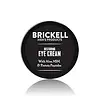
This anti-aging eye moisturizer is formulated around Aloe Barbadensis Leaf Juice and Glycolic Acid to soften the look of wrinkles and refine skin texture.
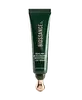
This brightening eye moisturizer is formulated around Niacinamide and Tetrahexyldecyl Ascorbate to brighten dull-looking skin and soften the look of wrinkles.

What's inside
What's inside
 Key Ingredients
Benefits
Concerns
Ingredients Side-by-side
Water
Skin ConditioningAloe Barbadensis Leaf Juice
Skin Conditioning


Helianthus Annuus Seed Oil
Emollient


Cassia Angustifolia Seed Polysaccharide
Skin ConditioningHamamelis Virginiana Water
Astringent


Glycolic Acid
Buffering









Dimethyl Sulfone
SolventGlyceryl Stearate
Emollient
Glycerin
Humectant
Squalane
Emollient
Lactic Acid
Buffering
Isopropyl Palmitate
Emollient

Hydrogenated Castor Oil
Emollient
Ethylhexyl Palmitate
Emollient
Cocos Nucifera Oil
Masking

Theobroma Cacao Seed Butter
Emollient
Cetyl Alcohol
Emollient
Cetearyl Alcohol
Emollient
Cetearyl Glucoside
Emulsifying
Stearyl Alcohol
Emollient
Potassium Stearate
CleansingSodium Ascorbyl Phosphate
Antioxidant

Caprylic/Capric Triglyceride
Masking
Hydrogenated Vegetable Oil
Emollient
Crithmum Maritimum Extract
Skin ConditioningMatrixyl 3000

Palmitoyl Tripeptide-5
Skin Conditioning
Crocus Sativus Stigma Water
Skin ConditioningCarbomer
Emulsion StabilisingArginine
Masking
Beeswax
Emulsion Stabilising
Simmondsia Chinensis Seed Oil
Emollient
Calophyllum Inophyllum Seed Oil
Antimicrobial
Camellia Sinensis Callus
Antimicrobial
Thioctic Acid
Antioxidant
Arctostaphylos Uva Ursi Leaf Extract
Skin Conditioning
Vaccinium Angustifolium Fruit Extract
Skin Protecting
Vaccinium Macrocarpon Seed
Abrasive
Rubus Idaeus Seed Oil
Emollient
Glycyrrhiza Glabra Root
Skin ConditioningEuphrasia Officinalis Extract
AntimicrobialHelichrysum Italicum Flower Oil
Masking
Camellia Oleifera Seed Oil
Skin Conditioning
Persea Gratissima Oil
Skin Conditioning
Pelargonium Graveolens Oil
Masking
Borago Officinalis Seed Oil
Emollient
Linum Usitatissimum Seed Oil
Perfuming
Oenothera Biennis Oil
Emollient
Rosa Canina Fruit Oil
Emollient
Sodium Hydroxide
BufferingUbiquinone
Antioxidant
Tocopheryl Acetate
Antioxidant
Phytic Acid
Phospholipids
Skin Conditioning
Tocopherol
Antioxidant
Lecithin
Emollient
Acetum
Citrus Medica Limonum Peel
Skin ConditioningSaccharum Officinarum Extract
MoisturisingDipeptide Diaminobutyroyl Benzylamide Diacetate
Skin Conditioning
Cymbopogon Schoenanthus Extract
Skin ConditioningAscorbyl Palmitate
Antioxidant
Acetyl Hexapeptide-8
Humectant
Sclerotium Gum
Emulsion StabilisingPotassium Sorbate
Preservative
Panthenol
Skin Conditioning
Arnica Montana Flower
Skin ConditioningLavandula Angustifolia Oil
Masking
Calendula Officinalis Flower
Skin Conditioning
Anthemis Nobilis Flower Extract
Masking
Vitis Vinifera
MaskingMacadamia Ternifolia Seed Oil
Emollient
Sodium Carbomer
Emulsion StabilisingXanthan Gum
EmulsifyingPhenoxyethanol
Preservative
Ethylhexylglycerin
Skin ConditioningBenzyl Alcohol
Perfuming

Water, Aloe Barbadensis Leaf Juice, Helianthus Annuus Seed Oil, Cassia Angustifolia Seed Polysaccharide, Hamamelis Virginiana Water, Glycolic Acid, Dimethyl Sulfone, Glyceryl Stearate, Glycerin, Squalane, Lactic Acid, Isopropyl Palmitate, Hydrogenated Castor Oil, Ethylhexyl Palmitate, Cocos Nucifera Oil, Theobroma Cacao Seed Butter, Cetyl Alcohol, Cetearyl Alcohol, Cetearyl Glucoside, Stearyl Alcohol, Potassium Stearate, Sodium Ascorbyl Phosphate, Caprylic/Capric Triglyceride, Hydrogenated Vegetable Oil, Crithmum Maritimum Extract, Matrixyl 3000, Palmitoyl Tripeptide-5, Crocus Sativus Stigma Water, Carbomer, Arginine, Beeswax, Simmondsia Chinensis Seed Oil, Calophyllum Inophyllum Seed Oil, Camellia Sinensis Callus, Thioctic Acid, Arctostaphylos Uva Ursi Leaf Extract, Vaccinium Angustifolium Fruit Extract, Vaccinium Macrocarpon Seed, Rubus Idaeus Seed Oil, Glycyrrhiza Glabra Root, Euphrasia Officinalis Extract, Helichrysum Italicum Flower Oil, Camellia Oleifera Seed Oil, Persea Gratissima Oil, Pelargonium Graveolens Oil, Borago Officinalis Seed Oil, Linum Usitatissimum Seed Oil, Oenothera Biennis Oil, Rosa Canina Fruit Oil, Sodium Hydroxide, Ubiquinone, Tocopheryl Acetate, Phytic Acid, Phospholipids, Tocopherol, Lecithin, Acetum, Citrus Medica Limonum Peel, Saccharum Officinarum Extract, Dipeptide Diaminobutyroyl Benzylamide Diacetate, Cymbopogon Schoenanthus Extract, Ascorbyl Palmitate, Acetyl Hexapeptide-8, Sclerotium Gum, Potassium Sorbate, Panthenol, Arnica Montana Flower, Lavandula Angustifolia Oil, Calendula Officinalis Flower, Anthemis Nobilis Flower Extract, Vitis Vinifera, Macadamia Ternifolia Seed Oil, Sodium Carbomer, Xanthan Gum, Phenoxyethanol, Ethylhexylglycerin, Benzyl Alcohol
Water
Skin ConditioningNiacinamide
Smoothing
Squalane
Emollient
Glycerin
Humectant
Cetyl Ethylhexanoate
EmollientSodium Acrylates Copolymer
Phenoxyethanol
Preservative
Caffeine
Skin Conditioning
Tetrahexyldecyl Ascorbate
Antioxidant
Lecithin
Emollient
Synthetic Fluorphlogopite
Polyglyceryl-3 Laurate
EmulsifyingPullulan
Ethylhexylglycerin
Skin ConditioningHippophae Rhamnoides Fruit Oil
Skin Protecting
Sodium Gluconate
Skin ConditioningMethyl Glucose Sesquistearate
Emollient
Caprylyl Glycol
Emollient
Tin Oxide
Abrasive
Acetyl Hexapeptide-8
Humectant
Acetyl Tetrapeptide-5
Humectant
CI 77891
Cosmetic ColorantWater, Niacinamide, Squalane, Glycerin, Cetyl Ethylhexanoate, Sodium Acrylates Copolymer, Phenoxyethanol, Caffeine, Tetrahexyldecyl Ascorbate, Lecithin, Synthetic Fluorphlogopite, Polyglyceryl-3 Laurate, Pullulan, Ethylhexylglycerin, Hippophae Rhamnoides Fruit Oil, Sodium Gluconate, Methyl Glucose Sesquistearate, Caprylyl Glycol, Tin Oxide, Acetyl Hexapeptide-8, Acetyl Tetrapeptide-5, CI 77891
Reviews
Ingredients Explained
These ingredients are found in both products.
Ingredients higher up in an ingredient list are typically present in a larger amount.
Acetyl Hexapeptide-8 (also known as Argireline) is a synthetic hexapeptide that is often called a "topical Botox alternative".
It works by mimicking how Botox relaxes muscles; it interferes with the signaling process that tells your facial muscles to contract. This can help soften expression lines like forehead wrinkles or crow's feet over time.
The comparison to Botox does have limits because the molecule is water-loving and relatively large.
Acetyl Hexapeptide-8 has a hard time absorbing deeply enough through the skin's outer barrier to actually reach the muscles.
So whether it truly works the way Botox does at a biological level is still up for debate, but early clinical outcomes are fairly encouraging.
A 12 week human study of a multi-ingredient regimen containing this ingredient saw:
While some studies have observed improvements in wrinkle appearance, it is important to note that more consistent results are seen in multi-ingredient formulations (vs just Acetyl Hexapeptide-8 alone).
Some research studies also used higher concentrations (up to 10%) while this ingredient is usually found in concentrations up to 0.005% in leave-on formulations.
Learn more about Acetyl Hexapeptide-8Ethylhexylglycerin is created from glycerin. It is a multitasker ingredient that:
The CIR Expert Panel found minimal skin absorption or sensitization of any kind in a safety assessment. Though this ingredient is considered well-tolerated, a small number of cases of allergic dermatitis have been published since 2002. Just be sure to patch test if you are unsure.
Industry-reported use ranges from 8% in rinse-off products and 2% in leave-on formulations.
Learn more about EthylhexylglycerinGlycerin (or glycerol) is a compound naturally found in your skin. It's a powerhouse humectant that pulls water into the stratum corneum.
Topically, glycerin does several things at once:
Your skin makes glycerin on its own (mostly from sebaceous oil breakdown) and shuttles it to your outermost layer of skin, or your epidermis, via aquaporin-3.
Aquaporin-3 is a transporter that is essential for normal skin hydration, elasticity, and repair. Interestingly, mice lacking in AQP3 have dry and less elastic skin that can be fully corrected with glycerin.
This ingredient is non-irritating, plays well with almost every ingredient, and works across all skin types. Typical use is anywhere between 3-10% but can go up to 79% in some leave-on products.
Just know very high concentrations (>40%) can feel tacky in low humidity.
Glycerin is the name for this ingredient in American English. British English uses Glycerol/Glycerine.
Learn more about GlycerinLecithin is a term for a group of substances found in the cell membranes of plants, animals, and humans. They are made up of phospholipids.
Thanks to its amphiphilic structure (water-loving head and oil-loving tail), it is a true multitasker:
It plays well with most ingredients and is typically used at 0.1-1%. However, concentrations up to 50% have been reported in moisturizers.
Learn more about LecithinPhenoxyethanol is one of the most widely used preservatives in skincare (and for good reason!).
It has a large spectrum of antimicrobial activity and especially effective bacteria, yeast, and mold while only having a weak effect on your skin's natural microbiome.
On a cellular level, it disrupts the cell membranes of microbes by poking holes that make the cell leak. This shuts down the chemical reactions the microbe needs to make energy so it can no longer survive.
Another perk of this ingredient is that it stays functional across a wide pH range (3-10).
You'll often see it paired with boosters like Ethylhexylglycerin; one study showed that a 1:9 ratio of Ethylhexylglycerin to Phenoxyethanol damages bacterial membranes as effectively as doubling the Phenoxyethanol concentration on its own.
Typical use concentrations range from 0.3-1% depending on the formula, and this ingredient is capped at 1% int the EU.
Safety-wise, the fear mongering does not hold up to the evidence. The EU's Scientific Committee on Consumer Safety and FDA consider it safe as a preservative at up to 1%, including for children of all ages.
Adverse systemic effects only showed up in animal studies at exposures roughly 200x higher than what people get from cosmetics. And despite its very widespread use, this ingredient is a rare sensitizer and allergic reactions are uncommon.
Learn more about PhenoxyethanolSqualane is the hydrogenated and shelf-stable form of squalene (a lipid that naturally occurs in human sebum).
It is an emollient and skin conditioning agent that is able to integrate seamlessly into the skin's lipid barrier without clogging pores.
This is due to how structurally similar it is to what your skin already produces.
Though it is mostly an emollient that helps soften and hydrate skin, it also has some humectant and occlusive action. Humectants help the skin retain moisture while occlusives seal it in, making squalane a triple-threat moisturizer.
Research shows it has antioxidant capabilities that help protect against stressors like UV exposure, specifically UVA induced oxidative stress. This study also found that it supports collagen biosynthesis in human dermal fibroblasts.
No clinical study has reported significant adverse effects and irritation reactions are very rare from this ingredient (even at 100% concentration).
Overall, it's a fantastic ingredient for hydration and is suitable for all skin types.
This depends on the source. Squalane can be derived from both plants and animals. Most squalane used in skincare comes from plants.
Please note: the source of squalane is only known if disclosed by the brand. We recommend reaching out to the brand if you have any questions about their squalane.
Read more about squalene with an "e".
Though squalane is often called an oil, it’s technically not one. It is a hydrocarbon, meaning it is only made of carbon and hydrogen. True oils are triglycerides and made of fatty acids and glycerol.
The term “oil-free” isn’t regulated so companies can define it however they want. Some exclude all oils, while others just avoid mineral oil or comedogenic oils.
Squalane has a comedogenic rating of 1 from the original 1972 study that tested raw ingredients under occlusion on rabbit ears. This system is not standardized or peer-reviewed, and using the raw ingredients is very different from how diluted cosmetic formulations are used on human skin.
A comedogenic rating of 1 means it is "unlikely to clog pores" according to the original rating system.
The overall formula of a product matters more than the individual ingredients on whether or not it will cause clogged pores.
Learn more about SqualaneWater. It's the most common cosmetic ingredient of all. You'll usually see it at the top of ingredient lists, meaning that it makes up the largest part of the product.
So why is it so popular? Water most often acts as a solvent - this means that it helps dissolve other ingredients into the formulation.
You'll also recognize water as that liquid we all need to stay alive. If you see this, drink a glass of water. Remember to stay hydrated!
Learn more about Water

