Biossance Squalane + 5% Niacinamide Brightening Eye Serum Versus Biossance Squalane + Peptide Eye Gel
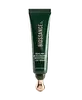
This brightening eye moisturizer is formulated around Niacinamide and Tetrahexyldecyl Ascorbate to brighten dull-looking skin and soften the look of wrinkles.
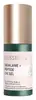
This anti-aging eye moisturizer is formulated around Squalane and Niacinamide to soften the look of wrinkles and hydrate skin.

What's inside
What's inside
 Key Ingredients
Benefits
Concerns
Ingredients Side-by-side
Water
Skin ConditioningNiacinamide
Smoothing











Squalane
Emollient
Glycerin
Humectant
Cetyl Ethylhexanoate
EmollientSodium Acrylates Copolymer
Phenoxyethanol
Preservative
Caffeine
Skin Conditioning
Tetrahexyldecyl Ascorbate
Antioxidant

Lecithin
Emollient
Synthetic Fluorphlogopite
Polyglyceryl-3 Laurate
EmulsifyingPullulan
Ethylhexylglycerin
Skin ConditioningHippophae Rhamnoides Fruit Oil
Skin Protecting


Sodium Gluconate
ChelatingMethyl Glucose Sesquistearate
Emollient
Caprylyl Glycol
Emollient
Tin Oxide
Abrasive
Acetyl Hexapeptide-8
Humectant
Acetyl Tetrapeptide-5
Humectant
CI 77891
Cosmetic ColorantWater, Niacinamide, Squalane, Glycerin, Cetyl Ethylhexanoate, Sodium Acrylates Copolymer, Phenoxyethanol, Caffeine, Tetrahexyldecyl Ascorbate, Lecithin, Synthetic Fluorphlogopite, Polyglyceryl-3 Laurate, Pullulan, Ethylhexylglycerin, Hippophae Rhamnoides Fruit Oil, Sodium Gluconate, Methyl Glucose Sesquistearate, Caprylyl Glycol, Tin Oxide, Acetyl Hexapeptide-8, Acetyl Tetrapeptide-5, CI 77891
Water
Skin ConditioningAloe Barbadensis Leaf Juice
Skin Conditioning
Squalane
Emollient
Niacinamide
Smoothing
Glycerin
Humectant
Panthenol
Skin Conditioning
Chondrus Crispus Extract
Skin Conditioning

Malus Domestica Fruit Cell Culture Extract
Skin ConditioningAcetyl Tetrapeptide-5
Humectant
Acetyl Hexapeptide-8
Humectant
Tocopherol
Antioxidant
Pentylene Glycol
Skin Conditioning
Cucumis Sativus Fruit Extract
Emollient
Tetrahexyldecyl Ascorbate
Antioxidant
Camellia Sinensis Leaf Extract
Antimicrobial
Lycium Barbarum Fruit Extract
Astringent
Lycopene
Antioxidant
Vitis Vinifera Skin Extract
Antioxidant
Sodium Hyaluronate
Humectant
Caffeine
Skin Conditioning
Acacia Senegal Gum
MaskingDimethicone Crosspolymer
Emulsion Stabilising
Xanthan Gum
EmulsifyingCarbomer
Emulsion StabilisingEthyl Lauroyl Arginate Hcl
Skin ConditioningLecithin
Emollient
Ammonium Acryloyldimethyltaurate/Vp Copolymer
Silica
Abrasive
Phenoxyethanol
Preservative
Potassium Sorbate
Preservative
Citric Acid
Buffering
Caprylyl Glycol
Emollient
Water, Aloe Barbadensis Leaf Juice, Squalane, Niacinamide, Glycerin, Panthenol, Chondrus Crispus Extract, Malus Domestica Fruit Cell Culture Extract, Acetyl Tetrapeptide-5, Acetyl Hexapeptide-8, Tocopherol, Pentylene Glycol, Cucumis Sativus Fruit Extract, Tetrahexyldecyl Ascorbate, Camellia Sinensis Leaf Extract, Lycium Barbarum Fruit Extract, Lycopene, Vitis Vinifera Skin Extract, Sodium Hyaluronate, Caffeine, Acacia Senegal Gum, Dimethicone Crosspolymer, Xanthan Gum, Carbomer, Ethyl Lauroyl Arginate Hcl, Lecithin, Ammonium Acryloyldimethyltaurate/Vp Copolymer, Silica, Phenoxyethanol, Potassium Sorbate, Citric Acid, Caprylyl Glycol
Reviews
Ingredients Explained
These ingredients are found in both products.
Ingredients higher up in an ingredient list are typically present in a larger amount.
Acetyl Hexapeptide-8 (also known as Argireline) is a synthetic hexapeptide that is often called a "topical Botox alternative".
It works by mimicking how Botox relaxes muscles; it interferes with the signaling process that tells your facial muscles to contract. This can help soften expression lines like forehead wrinkles or crow's feet over time.
The comparison to Botox does have limits because the molecule is water-loving and relatively large.
Acetyl Hexapeptide-8 has a hard time absorbing deeply enough through the skin's outer barrier to actually reach the muscles.
So whether it truly works the way Botox does at a biological level is still up for debate, but early clinical outcomes are fairly encouraging.
A 12 week human study of a multi-ingredient regimen containing this ingredient saw:
While some studies have observed improvements in wrinkle appearance, it is important to note that more consistent results are seen in multi-ingredient formulations (vs just Acetyl Hexapeptide-8 alone).
Some research studies also used higher concentrations (up to 10%) while this ingredient is usually found in concentrations up to 0.005% in leave-on formulations.
Learn more about Acetyl Hexapeptide-8Acetyl Tetrapeptide-5 is a peptide that goes by another name, eyeseryl, due to claims that it can help reduce eye puffiness.
The manufacturer claims this ingredient reduces eye puffiness by:
An in-vivo study from the manufacturer found 95% of volunteers saw eye bag improvement by the end of the study.
Eye puffiness is caused by two major factors: fluid retention and fat.
Those with fluid retention may see improvement from using this ingredient. However, those with eye fat will need surgical intervention in order to get rid of puffiness.
Learn more about Acetyl Tetrapeptide-5Caffeine is a naturally occurring plant compound found in coffee beans, tea leaves, cocoa pods, and guarana.
As an antioxidant, caffeine protects your skin from free radical damage caused by UV exposure and envionrmnetal stressors.
Early research also shows that caffeine can help calm redness, soothe irritated skin, and support hair growth by stimulating microcirculation in the scalp.
You might have seen eye creams marketing caffeine as a depuffing ingredient. This is because it is a vasoconstrictor meaning it can temporarily constrict blood vessels, though clinical evidence for this specific use is still limited.
Most skincare products contain this ingredient at concentrations between 1-6%. It is able to penetrate skin easily regardless of skin type or thickness.
Just so you know, a very small number of case reports describe caffeine-induced allergy. This ingredient is generally well-tolerated, non-irritating, and non-sensitizing for the majority of people.
Learn more about CaffeineCaprylyl Glycol is a humectant, skin conditioner, emollient, and preservative booster derived from either caprylic acid or synthetically created.
Typical use levels vary from 0.3-1% as a preservative booster and go up to 2% to condition skin.
Because it is not a free-fatty acid, this ingredient is fungal acne safe (there's nothing for Malassezia to feed on).
Learn more about Caprylyl GlycolGlycerin (or glycerol) is a compound naturally found in your skin. It's a powerhouse humectant that pulls water into the stratum corneum.
Topically, glycerin does several things at once:
Your skin makes glycerin on its own (mostly from sebaceous oil breakdown) and shuttles it to your outermost layer of skin, or your epidermis, via aquaporin-3.
Aquaporin-3 is a transporter that is essential for normal skin hydration, elasticity, and repair. Interestingly, mice lacking in AQP3 have dry and less elastic skin that can be fully corrected with glycerin.
This ingredient is non-irritating, plays well with almost every ingredient, and works across all skin types. Typical use is anywhere between 3-10% but can go up to 79% in some leave-on products.
Just know very high concentrations (>40%) can feel tacky in low humidity.
Glycerin is the name for this ingredient in American English. British English uses Glycerol/Glycerine.
Learn more about GlycerinLecithin is a term for a group of substances found in the cell membranes of plants, animals, and humans. They are made up of phospholipids.
Thanks to its amphiphilic structure (water-loving head and oil-loving tail), it is a true multitasker:
It plays well with most ingredients and is typically used at 0.1-1%. However, concentrations up to 50% have been reported in moisturizers.
Learn more about LecithinNiacinamide is a multitasking form of vitamin B3 that strengthens the skin barrier, reduces pores and dark spots, regulates oil, and improves signs of aging.
And the best part? It's gentle and well-tolerated by most skin types, including sensitive and reactive skin.
You might have heard of "niacin flush", or the reddening of skin that causes itchiness. Niacinamide has not been found to cause this.
In very rare cases, some individuals may not be able to tolerate niacinamide at all or experience an allergic reaction to it.
If you are experiencing flaking, irritation, and dryness with this ingredient, be sure to double check all your products as this ingredient can be found in all categories of skincare.
When incorporating niacinamide into your routine, look out for concentration amounts. Typically, 5% niacinamide provides benefits such as fading dark spots. However, if you have sensitive skin, it is better to begin with a smaller concentration.
When you apply niacinamide to your skin, your body converts it into nicotinamide adenine dinucleotide (NAD). NAD is an essential coenzyme that is already found in your cells as "fuel" and powers countless biological processes.
In your skin, NAD helps repair cell damage, produce new healthy cells, support collagen production, strengthen the skin barrier, and fight environmental stressors (like UV and pollution).
Our natural NAD levels start to decline with age, leading to slower skin repair, visible aging, and a weaker skin barrier. By providing your skin niacinamide, you're recharging your skin's NAD levels. This leads to stronger, healthier, and younger looking skin.
Another name for vitamin B3 is nicotinamide. This vitamin is water-soluble and our bodies don't store it. We obtain Vitamin B3 from either food or skincare. Meat, fish, wheat, yeast, and leafy greens contain vitamin B3.
The type of niacinamide used in skincare is synthetically created.
Learn more about NiacinamidePhenoxyethanol is one of the most widely used preservatives in skincare (and for good reason!).
It has a large spectrum of antimicrobial activity and especially effective bacteria, yeast, and mold while only having a weak effect on your skin's natural microbiome.
On a cellular level, it disrupts the cell membranes of microbes by poking holes that make the cell leak. This shuts down the chemical reactions the microbe needs to make energy so it can no longer survive.
Another perk of this ingredient is that it stays functional across a wide pH range (3-10).
You'll often see it paired with boosters like Ethylhexylglycerin; one study showed that a 1:9 ratio of Ethylhexylglycerin to Phenoxyethanol damages bacterial membranes as effectively as doubling the Phenoxyethanol concentration on its own.
Typical use concentrations range from 0.3-1% depending on the formula, and this ingredient is capped at 1% int the EU.
Safety-wise, the fear mongering does not hold up to the evidence. The EU's Scientific Committee on Consumer Safety and FDA consider it safe as a preservative at up to 1%, including for children of all ages.
Adverse systemic effects only showed up in animal studies at exposures roughly 200x higher than what people get from cosmetics. And despite its very widespread use, this ingredient is a rare sensitizer and allergic reactions are uncommon.
Learn more about PhenoxyethanolSqualane is the hydrogenated and shelf-stable form of squalene (a lipid that naturally occurs in human sebum).
It is an emollient and skin conditioning agent that is able to integrate seamlessly into the skin's lipid barrier without clogging pores.
This is due to how structurally similar it is to what your skin already produces.
Though it is mostly an emollient that helps soften and hydrate skin, it also has some humectant and occlusive action. Humectants help the skin retain moisture while occlusives seal it in, making squalane a triple-threat moisturizer.
Research shows it has antioxidant capabilities that help protect against stressors like UV exposure, specifically UVA induced oxidative stress. This study also found that it supports collagen biosynthesis in human dermal fibroblasts.
No clinical study has reported significant adverse effects and irritation reactions are very rare from this ingredient (even at 100% concentration).
Overall, it's a fantastic ingredient for hydration and is suitable for all skin types.
This depends on the source. Squalane can be derived from both plants and animals. Most squalane used in skincare comes from plants.
Please note: the source of squalane is only known if disclosed by the brand. We recommend reaching out to the brand if you have any questions about their squalane.
Read more about squalene with an "e".
Though squalane is often called an oil, it’s technically not one. It is a hydrocarbon, meaning it is only made of carbon and hydrogen. True oils are triglycerides and made of fatty acids and glycerol.
The term “oil-free” isn’t regulated so companies can define it however they want. Some exclude all oils, while others just avoid mineral oil or comedogenic oils.
Squalane has a comedogenic rating of 1 from the original 1972 study that tested raw ingredients under occlusion on rabbit ears. This system is not standardized or peer-reviewed, and using the raw ingredients is very different from how diluted cosmetic formulations are used on human skin.
A comedogenic rating of 1 means it is "unlikely to clog pores" according to the original rating system.
The overall formula of a product matters more than the individual ingredients on whether or not it will cause clogged pores.
Learn more about SqualaneTetrahexyldecyl Ascorbate (THD) is a stable and oil-soluble form of Vitamin C.
THD is special in that it has the ability to travel deeper into skin than traditional ascorbic acid while maintaining the same skin benefits (double win!).
Because it’s oil-soluble, THD dives deep into your skin’s fatty layers (think ceramides and cholesterol) to fight off the kind of free radicals that mess with your skin barrier. This makes it a great pair with water-based vitamin C (ascorbic acid) that mainly works on the surface.
Even at just 0.1%, THD is already showing great antioxidant activity. When used up to 2%, it helps keep your skin happy and calm, especially when it’s stressed from pollution or sun.
Want to fade dark spots or tackle hyperpigmentation? You’ll want 5% or more. Pairing it with brightening buddies like niacinamide or licorice root gives even better results. One study even used 30% THD with other brighteners and saw real results on stubborn discoloration, even in melasma-prone skin.
A note on THD: It’s has a slightly silky, oily texture and usually shows up colorless or pale yellow (though the exact shade can vary by supplier).
While you can sneak it into water-based formulas, it really shines when paired with silicones or oils, which help your skin soak it up better.
THD is pretty stable, but it’s still vulnerable to degradation like ascorbic acid. Too much light or heat (above 113°F / 45°C) can break it down over time. Go for dark and opaque packaging that keeps it safe and shady!
Read more about other types of Vitamin C:
Learn more about Tetrahexyldecyl AscorbateWater. It's the most common cosmetic ingredient of all. You'll usually see it at the top of ingredient lists, meaning that it makes up the largest part of the product.
So why is it so popular? Water most often acts as a solvent - this means that it helps dissolve other ingredients into the formulation.
You'll also recognize water as that liquid we all need to stay alive. If you see this, drink a glass of water. Remember to stay hydrated!
Learn more about Water

