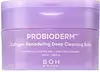
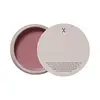
BOH Bio Heal Probioderm Collagen Remodeling Deep Cleansing Balm Versus Xoul After Glow Cleansing Balm
This oil-based makeup remover is made to dissolve makeup, sunscreen, and daily buildup.
This oil-based cleanser is made to cleanse without leaving your skin tight or dry.

What's inside
What's inside
 Key Ingredients
Benefits
Concerns
Ingredients Side-by-side
Glycine Soja Oil
Emollient








C12-15 Alkyl Benzoate
AntimicrobialPEG-20 Glyceryl Triisostearate
Emollient
Polyethylene
Abrasive
Citrus Limon Seed Oil
Masking
PEG-8 Diisostearate
Emulsifying
Collagen
Moisturising
Hydrolyzed Collagen
Emollient
Citrus Aurantium Dulcis Peel Oil
Masking
Eclipta Prostrata Extract
Skin Conditioning
Cymbopogon Martini Oil
Masking
Water
Skin ConditioningMelia Azadirachta Leaf Extract
Skin ConditioningGluconolactone
Chelating






Capryloyl Salicylic Acid
Exfoliating
Moringa Oleifera Seed Oil
Emollient
Lactobacillus Ferment
Skin Conditioning

Glycolic Acid
Buffering

Butylene Glycol
Humectant
Ceramide AP
Skin Conditioning
1,2-Hexanediol
Skin Conditioning
Panthenol
Skin Conditioning
Glycerin
Humectant
Sodium Hyaluronate
Humectant
Polyglyceryl-10 Laurate
Skin Conditioning
Caprylyl Glycol
Emollient
Diospyros Kaki Leaf Extract
Skin Protecting
Ethylhexylglycerin
Skin ConditioningVitis Vinifera Fruit Extract
Skin ConditioningHyaluronic Acid
Humectant
Hydrolyzed Hyaluronic Acid
Humectant
Hydroxypropyltrimonium Hyaluronate
Hydrolyzed Sodium Hyaluronate
Skin Conditioning
Potassium Hyaluronate
Skin ConditioningCoffea Arabica Seed Extract
Masking
Polygonum Cuspidatum Root Extract
Antioxidant
Carthamus Tinctorius Flower Extract
Skin ConditioningCastanea Crenata Shell Extract
Skin ConditioningZanthoxylum Piperitum Fruit Extract
Skin ConditioningCamellia Sinensis Leaf Extract
Antimicrobial
Betaine
Humectant
Pentylene Glycol
Skin Conditioning
Sodium Hyaluronate Crosspolymer
Humectant
Sodium Acetylated Hyaluronate
Humectant
Fructooligosaccharides
Humectant
Copper Tripeptide-1
Skin Conditioning
Tripeptide-1
Skin Conditioning
Palmitoyl Pentapeptide-4
Skin Conditioning
Beta-Glucan
Skin Conditioning
Palmitoyl Tripeptide-1
Skin Conditioning
Hexapeptide-9
Skin Conditioning
Hexapeptide-11
Skin Conditioning
Fructan
Skin ConditioningInulin
Skin Conditioning
Limonene
Perfuming
Geraniol
Perfuming
Linalool
Perfuming
Glycine Soja Oil, C12-15 Alkyl Benzoate, PEG-20 Glyceryl Triisostearate, Polyethylene, Citrus Limon Seed Oil, PEG-8 Diisostearate, Collagen, Hydrolyzed Collagen, Citrus Aurantium Dulcis Peel Oil, Eclipta Prostrata Extract, Cymbopogon Martini Oil, Water, Melia Azadirachta Leaf Extract, Gluconolactone, Capryloyl Salicylic Acid, Moringa Oleifera Seed Oil, Lactobacillus Ferment, Glycolic Acid, Butylene Glycol, Ceramide AP, 1,2-Hexanediol, Panthenol, Glycerin, Sodium Hyaluronate, Polyglyceryl-10 Laurate, Caprylyl Glycol, Diospyros Kaki Leaf Extract, Ethylhexylglycerin, Vitis Vinifera Fruit Extract, Hyaluronic Acid, Hydrolyzed Hyaluronic Acid, Hydroxypropyltrimonium Hyaluronate, Hydrolyzed Sodium Hyaluronate, Potassium Hyaluronate, Coffea Arabica Seed Extract, Polygonum Cuspidatum Root Extract, Carthamus Tinctorius Flower Extract, Castanea Crenata Shell Extract, Zanthoxylum Piperitum Fruit Extract, Camellia Sinensis Leaf Extract, Betaine, Pentylene Glycol, Sodium Hyaluronate Crosspolymer, Sodium Acetylated Hyaluronate, Fructooligosaccharides, Copper Tripeptide-1, Tripeptide-1, Palmitoyl Pentapeptide-4, Beta-Glucan, Palmitoyl Tripeptide-1, Hexapeptide-9, Hexapeptide-11, Fructan, Inulin, Limonene, Geraniol, Linalool
Cetyl Ethylhexanoate
EmollientCaprylic/Capric Triglyceride
Masking
Synthetic Wax
Abrasive
PEG-20 Glyceryl Triisostearate
Emollient
PEG-8 Isostearate
Emulsifying
Vitis Vinifera Seed Oil
Emollient
Vitis Vinifera Fruit Water
Skin ConditioningBeta-Glucan
Skin Conditioning
Wine Extract
Antioxidant
Lavandula Angustifolia Oil
Masking
Lithospermum Erythrorhizon Root Extract
Skin ConditioningTocopheryl Acetate
Antioxidant
Ethylhexylglycerin
Skin ConditioningCaprylyl Glycol
Emollient
Citrus Limon Peel Oil
Masking
Juniperus Virginiana Oil
Masking
Melia Azadirachta Leaf Extract
Skin ConditioningMelia Azadirachta Flower Extract
Skin ConditioningCoccinia Indica Fruit Extract
Skin Conditioning
Solanum Melongena Fruit Extract
Skin ConditioningAloe Barbadensis Flower Extract
EmollientSimmondsia Chinensis Seed Oil
Emollient
Curcuma Longa Root Extract
Antioxidant
Ocimum Sanctum Leaf Extract
Skin ConditioningCorallina Officinalis Extract
Skin Conditioning
Water
Skin ConditioningGlycerin
Humectant
Butylene Glycol
Humectant
Methylpropanediol
Solvent1,2-Hexanediol
Skin Conditioning
Salvia Hispanica Seed Oil
Emollient
Hydrogenated Lecithin
Emulsifying
Carthamus Tinctorius Seed Oil
Masking
Polyglyceryl-10 Oleate
Skin Conditioning
Camellia Sinensis Leaf Extract
Antimicrobial
Sucrose Palmitate
EmollientVaccinium Macrocarpon Fruit Extract
AstringentDaucus Carota Sativa Root Extract
Skin Conditioning
Beta Vulgaris Root Extract
Skin ConditioningBrassica Oleracea Capitata Leaf Extract
Skin ConditioningVaccinium Angustifolium Fruit Extract
Skin Protecting
Cetyl PEG/PPG-10/1 Dimethicone
Emulsifying
Linalool
Perfuming
Limonene
Perfuming
Cetyl Ethylhexanoate, Caprylic/Capric Triglyceride, Synthetic Wax, PEG-20 Glyceryl Triisostearate, PEG-8 Isostearate, Vitis Vinifera Seed Oil, Vitis Vinifera Fruit Water, Beta-Glucan, Wine Extract, Lavandula Angustifolia Oil, Lithospermum Erythrorhizon Root Extract, Tocopheryl Acetate, Ethylhexylglycerin, Caprylyl Glycol, Citrus Limon Peel Oil, Juniperus Virginiana Oil, Melia Azadirachta Leaf Extract, Melia Azadirachta Flower Extract, Coccinia Indica Fruit Extract, Solanum Melongena Fruit Extract, Aloe Barbadensis Flower Extract, Simmondsia Chinensis Seed Oil, Curcuma Longa Root Extract, Ocimum Sanctum Leaf Extract, Corallina Officinalis Extract, Water, Glycerin, Butylene Glycol, Methylpropanediol, 1,2-Hexanediol, Salvia Hispanica Seed Oil, Hydrogenated Lecithin, Carthamus Tinctorius Seed Oil, Polyglyceryl-10 Oleate, Camellia Sinensis Leaf Extract, Sucrose Palmitate, Vaccinium Macrocarpon Fruit Extract, Daucus Carota Sativa Root Extract, Beta Vulgaris Root Extract, Brassica Oleracea Capitata Leaf Extract, Vaccinium Angustifolium Fruit Extract, Cetyl PEG/PPG-10/1 Dimethicone, Linalool, Limonene
Alternatives
Ingredients Explained
These ingredients are found in both products.
Ingredients higher up in an ingredient list are typically present in a larger amount.
1,2-Hexanediol is a synthetic liquid and another multi-functional powerhouse.
It is a:
- Humectant, drawing moisture into the skin
- Emollient, helping to soften skin
- Solvent, dispersing and stabilizing formulas
- Preservative booster, enhancing the antimicrobial activity of other preservatives
Beta-Glucan is a soluble polysaccharide (a chain of glucose sugars) sourced from the cells walls of oats, baker's yeast, mushrooms, and seaweed.
It's a rare ingredient that pulls double-duty as a heavy-duty hydrator and skin-soothing repair agent.
On the surface, it acts as a humectant that holds water in place and reduces moisture loss for a plumper, smoother feel, while its anti-inflammatory and antioxidant properties make it a great pick for calming redness or sensitive skin
The more interesting story is underneath:
Despite its large molecular size, oat beta-glucan has been shown to penetrate the epidermis and reach the dermis by slipping between skin cells. Here, it interacts with fibroblasts and macrophages to nudge collagen synthesis and support wound repair.
A small 2005 split-face clinical study of 27 subjects found topical beta-glucan produced measurable reductions in wrinkle depth, height, and roughness after 8 weeks of use.
It is worth noting the trial was small and the penetration testing used frozen, irradiated skin so the anti-aging data is encouraging rather than definitive.
This ingredient gets along with pretty much everything and is typically used around 0.1-1%.
Fungal acne: This ingredient is not a food source for the Malassezia yeast because it is a glucose polysaccharide with no fatty acid or ester component.
Learn more about Beta-GlucanButylene Glycol (or BG) is used within cosmetic products for a few different reasons:
Overall, Butylene Glycol is a safe and well-rounded ingredient that works well with other ingredients.
Though this ingredient works well with most skin types, some people with sensitive skin may experience a reaction such as allergic rashes, closed comedones, or itchiness.
Learn more about Butylene GlycolCamellia Sinensis Leaf Extract (tea extract) is one of the most well-researched plant extracts in skincare with an impressive resume.
Black tea, green tea, and oolong tea are all harvested from the Camellia Sinensis plant.
Studies show green tea extract and its catechins (like epigallocatechin gallate (EGCG)) help your skin cells product energy more efficiently and reducing the number of free-radicals that can damage your skin from the inside.
In lab-grown skin models, this translated to younger, healthier, and stronger skin.
There's also good sun protection data; researchers saw less DNA damage and redness on human skin when green tea was applied before UVB exposure. And the more they applied, the better the protection.
Needless to say, this ingredient shouldn't replace your sunscreen. But it is a great supportive ingredient that you can already find in many sunscreens and antioxidant serums.
A 2009 study found a 2% green tea lotion was effective for mild-to-moderate acne thanks to its anti-inflammatory and mild antimicrobial activity.
The quality of the extract matters a lot here:
Good extracts contain 50-90% catechins while lower quality ones are mostly there for marketing. We recommend reaching out to the brand if you have questions about the quality or source of their ingredients.
Human Repeated Insult Patch Testing showed no irritation or sensitization at use concentrations (0.86% in leave-on products and up to 30% as leaf water).
Learn more about Camellia Sinensis Leaf ExtractCaprylyl Glycol is a humectant, skin conditioner, emollient, and preservative booster derived from either caprylic acid or synthetically created.
Typical use levels vary from 0.3-1% as a preservative booster and go up to 2% to condition skin.
Because it is not a free-fatty acid, this ingredient is fungal acne safe (there's nothing for Malassezia to feed on).
Learn more about Caprylyl GlycolEthylhexylglycerin is created from glycerin. It is a multitasker ingredient that:
The CIR Expert Panel found minimal skin absorption or sensitization of any kind in a safety assessment. Though this ingredient is considered well-tolerated, a small number of cases of allergic dermatitis have been published since 2002. Just be sure to patch test if you are unsure.
Industry-reported use ranges from 8% in rinse-off products and 2% in leave-on formulations.
Learn more about EthylhexylglycerinGlycerin (or glycerol) is a compound naturally found in your skin. It's a powerhouse humectant that pulls water into the stratum corneum.
Topically, glycerin does several things at once:
Your skin makes glycerin on its own (mostly from sebaceous oil breakdown) and shuttles it to your outermost layer of skin, or your epidermis, via aquaporin-3.
Aquaporin-3 is a transporter that is essential for normal skin hydration, elasticity, and repair. Interestingly, mice lacking in AQP3 have dry and less elastic skin that can be fully corrected with glycerin.
This ingredient is non-irritating, plays well with almost every ingredient, and works across all skin types. Typical use is anywhere between 3-10% but can go up to 79% in some leave-on products.
Just know very high concentrations (>40%) can feel tacky in low humidity.
Glycerin is the name for this ingredient in American English. British English uses Glycerol/Glycerine.
Learn more about GlycerinLimonene is the compound that gives citrus peel its smell.
In skincare, it shows up as a standalone fragrance ingredient or as a natural compound of citrus and other essential oils.
You'll typically see this ingredient used in very small amounts; anything above 0.001% in a leave-on product or 0.01% in a rinse-off has to be named on the label in the EU. The citrus oils that carry it sit around 0.5-1% in a finished formula.
Fresh limonene is a weak allergen; the real issue is that it slowly reacts with air and then breaks down from oxidation to create hydroperoxides (which are strong sensitizers). This is why suppliers are required to keep the peroxide value below 20 mmol.
Positive reactions in people being investigated for eczema vary:
It's worth skipping if you have a known fragrance allergy or a compromised barrier, but the risk is low for most people.
Older or long-opened products are also more likely to bother you than fresh ones due to oxidation.
Learn more about LimoneneLinalool is a small, naturally occurring scent molecule found in plants like lavender, coriander, bergamot, and more.
It is one of the two most-used fragrance ingredients in cosmetics and added purely for smell. Since it's not used for a skin benefit, there's no "effective dose". Concentration depends on the fragrance load of the product.
The EU requires it to be named on the label above 0.001% in leave-on and 0.01% in rinse-off products.
Fresh linalool is a weak sensitizer but air exposure turns some of it into hydroperoxides, which are strong sensitizers. Those oxidation products are the actual allergy concern.
Patch-test clinics see positive reactions to linalool hydroperoxides in about 4% to 12% of dermatitis patients depending on country and test concentration.
Resassuringly, one analytical study found hydroperoxide levels in real fragranced products to be orders of magnitude below what induced sensitization in animal studies with no evidence of oxidation building up during normal storage.
The practical takeaway is that linalool is fine for most people but worth avoiding if you have a confirmed fragrance contact allergy or a badly compromised barrier.
Products stored a long time after opening are also the high-risk scenario since that is when oxidation happens.
The scent of linalool is described as floral, spicy tropical, and citrus-like.
Learn more about LinaloolThis ingredient is also known as neem leaf extract. It contains natural compounds like nimbidin, quercetin, and other polyphenols that give it antibacterial, antifungal, and anti-inflammatory activity.
Lab studies have shown neem leaf extract can inhibit acne-related bacteria and help calm skin. Animal studies on wound gels using 1-3% neem leaf extract found it sped up healing without causing irritation.
A wound-healing study testing gels with the extract at 1%, 2%, and 3% concentrations and found none of them irritated the skin.
Most commercial products also use it in a similar low range (typically under 5%).
Allergy-wise, there are some case reports on neem oil causing allergic contact dermatitis so people with plant/botanical sensitivities may want to patch test first.
Learn more about Melia Azadirachta Leaf ExtractPEG-20 Glyceryl Triisostearate is a synthetic, oil-loving helper ingredient that does two jobs:
This ingredient is made by joining three building blocks: PEG, Isostearic Acid and glycerin. The PEG gives it the oil-and-water blending power.
This ingredient has been found safe for use in cosmetics and broader PEG family testing shows minimal irritation/sensitization. The molecule's large size also means it isn't expected to penetrate skin to any meaningful degree.
Fungal acne note: This ingredient may not be fungal acne safe due to isostearic acid (C18). Isostearic acid falls into the C11-24 range that Malassezia can feed on.
Learn more about PEG-20 Glyceryl TriisostearateWater. It's the most common cosmetic ingredient of all. You'll usually see it at the top of ingredient lists, meaning that it makes up the largest part of the product.
So why is it so popular? Water most often acts as a solvent - this means that it helps dissolve other ingredients into the formulation.
You'll also recognize water as that liquid we all need to stay alive. If you see this, drink a glass of water. Remember to stay hydrated!
Learn more about Water

