BOH Bio Heal Probioderm Collagen Remodeling Deep Cleansing Balm Versus Goodal Green Tangerine Vita-C Toning Cleansing Balm
This oil-based makeup remover is made to dissolve makeup, sunscreen, and daily buildup.
This oil-based makeup remover is made to dissolve makeup, sunscreen, and daily buildup.

What's inside
What's inside
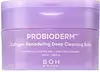 Key Ingredients
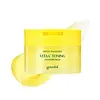
Benefits
Concerns
Ingredients Side-by-side
Glycine Soja Oil
Emollient








C12-15 Alkyl Benzoate
AntimicrobialPEG-20 Glyceryl Triisostearate
Emollient
Polyethylene
Abrasive
Citrus Limon Seed Oil
Masking
PEG-8 Diisostearate
Emulsifying
Collagen
Moisturising
Hydrolyzed Collagen
Emollient
Citrus Aurantium Dulcis Peel Oil
Masking
Eclipta Prostrata Extract
Skin Conditioning
Cymbopogon Martini Oil
Masking
Water
Skin ConditioningMelia Azadirachta Leaf Extract
Skin ConditioningGluconolactone
Chelating






Capryloyl Salicylic Acid
Exfoliating
Moringa Oleifera Seed Oil
Emollient
Lactobacillus Ferment
Skin Conditioning

Glycolic Acid
Buffering

Butylene Glycol
Humectant
Ceramide AP
Skin Conditioning
1,2-Hexanediol
Skin Conditioning
Panthenol
Skin Conditioning
Glycerin
Humectant
Sodium Hyaluronate
Humectant
Polyglyceryl-10 Laurate
Skin Conditioning
Caprylyl Glycol
Emollient
Diospyros Kaki Leaf Extract
Skin Protecting
Ethylhexylglycerin
Skin ConditioningVitis Vinifera Fruit Extract
Skin ConditioningHyaluronic Acid
Humectant
Hydrolyzed Hyaluronic Acid
Humectant
Hydroxypropyltrimonium Hyaluronate
Hydrolyzed Sodium Hyaluronate
Skin Conditioning
Potassium Hyaluronate
Skin ConditioningCoffea Arabica Seed Extract
Masking
Polygonum Cuspidatum Root Extract
Antioxidant
Carthamus Tinctorius Flower Extract
Skin ConditioningCastanea Crenata Shell Extract
Skin ConditioningZanthoxylum Piperitum Fruit Extract
Skin ConditioningCamellia Sinensis Leaf Extract
Antimicrobial
Betaine
Humectant
Pentylene Glycol
Skin Conditioning
Sodium Hyaluronate Crosspolymer
Humectant
Sodium Acetylated Hyaluronate
Humectant
Fructooligosaccharides
Humectant
Copper Tripeptide-1
Skin Conditioning
Tripeptide-1
Skin Conditioning
Palmitoyl Pentapeptide-4
Skin Conditioning
Beta-Glucan
Skin Conditioning
Palmitoyl Tripeptide-1
Skin Conditioning
Hexapeptide-9
Skin Conditioning
Hexapeptide-11
Skin Conditioning
Fructan
Skin ConditioningInulin
Skin Conditioning
Limonene
Perfuming
Geraniol
Perfuming
Linalool
Perfuming
Glycine Soja Oil, C12-15 Alkyl Benzoate, PEG-20 Glyceryl Triisostearate, Polyethylene, Citrus Limon Seed Oil, PEG-8 Diisostearate, Collagen, Hydrolyzed Collagen, Citrus Aurantium Dulcis Peel Oil, Eclipta Prostrata Extract, Cymbopogon Martini Oil, Water, Melia Azadirachta Leaf Extract, Gluconolactone, Capryloyl Salicylic Acid, Moringa Oleifera Seed Oil, Lactobacillus Ferment, Glycolic Acid, Butylene Glycol, Ceramide AP, 1,2-Hexanediol, Panthenol, Glycerin, Sodium Hyaluronate, Polyglyceryl-10 Laurate, Caprylyl Glycol, Diospyros Kaki Leaf Extract, Ethylhexylglycerin, Vitis Vinifera Fruit Extract, Hyaluronic Acid, Hydrolyzed Hyaluronic Acid, Hydroxypropyltrimonium Hyaluronate, Hydrolyzed Sodium Hyaluronate, Potassium Hyaluronate, Coffea Arabica Seed Extract, Polygonum Cuspidatum Root Extract, Carthamus Tinctorius Flower Extract, Castanea Crenata Shell Extract, Zanthoxylum Piperitum Fruit Extract, Camellia Sinensis Leaf Extract, Betaine, Pentylene Glycol, Sodium Hyaluronate Crosspolymer, Sodium Acetylated Hyaluronate, Fructooligosaccharides, Copper Tripeptide-1, Tripeptide-1, Palmitoyl Pentapeptide-4, Beta-Glucan, Palmitoyl Tripeptide-1, Hexapeptide-9, Hexapeptide-11, Fructan, Inulin, Limonene, Geraniol, Linalool
Ethylhexyl Palmitate
Emollient
Sorbeth-30 Tetraoleate
Emulsifying
Isododecane
EmollientSynthetic Wax
Abrasive
Hippophae Rhamnoides Oil
Emollient
Helianthus Annuus Seed Oil
Emollient
Pinus Sylvestris Leaf Oil
Masking
Citrus Aurantium Dulcis Peel Oil
Masking
Citrus Limon Peel Oil
Masking

Citrus Grandis Peel Oil
Masking
Citrus Reticulata Peel Extract
Skin ConditioningCitrus Tangerina Extract
TonicCalluna Vulgaris Extract
Skin ConditioningTrihydroxystearin
Skin Conditioning
Tocopherol
Antioxidant
Hydrogenated Polyisobutene
EmollientWater
Skin ConditioningAscorbic Acid
Antioxidant
Butylene Glycol
Humectant
1,2-Hexanediol
Skin Conditioning
Glutathione
Allantoin
Skin Conditioning
Ascorbyl Glucoside
Antioxidant
Capryloyl Salicylic Acid
Exfoliating
Gluconolactone
Chelating
Salicylic Acid
Masking

Succinic Acid
BufferingGlycolic Acid
Buffering
Glycerin
Humectant
Dipropylene Glycol
HumectantPanthenol
Skin Conditioning
Ethylhexylglycerin
Skin ConditioningHydrogenated Lecithin
Emulsifying
Cetearyl Olivate
Sorbitan Olivate
Emulsifying
Madecassoside
Antioxidant
Ferulic Acid
Antimicrobial
Lactic Acid
Buffering
Rutin
Antioxidant
Limonene
Perfuming
Ethylhexyl Palmitate, Sorbeth-30 Tetraoleate, Isododecane, Synthetic Wax, Hippophae Rhamnoides Oil, Helianthus Annuus Seed Oil, Pinus Sylvestris Leaf Oil, Citrus Aurantium Dulcis Peel Oil, Citrus Limon Peel Oil, Citrus Grandis Peel Oil, Citrus Reticulata Peel Extract, Citrus Tangerina Extract, Calluna Vulgaris Extract, Trihydroxystearin, Tocopherol, Hydrogenated Polyisobutene, Water, Ascorbic Acid, Butylene Glycol, 1,2-Hexanediol, Glutathione, Allantoin, Ascorbyl Glucoside, Capryloyl Salicylic Acid, Gluconolactone, Salicylic Acid, Succinic Acid, Glycolic Acid, Glycerin, Dipropylene Glycol, Panthenol, Ethylhexylglycerin, Hydrogenated Lecithin, Cetearyl Olivate, Sorbitan Olivate, Madecassoside, Ferulic Acid, Lactic Acid, Rutin, Limonene
Alternatives
Ingredients Explained
These ingredients are found in both products.
Ingredients higher up in an ingredient list are typically present in a larger amount.
1,2-Hexanediol is a synthetic liquid and another multi-functional powerhouse.
It is a:
- Humectant, drawing moisture into the skin
- Emollient, helping to soften skin
- Solvent, dispersing and stabilizing formulas
- Preservative booster, enhancing the antimicrobial activity of other preservatives
Butylene Glycol (or BG) is used within cosmetic products for a few different reasons:
Overall, Butylene Glycol is a safe and well-rounded ingredient that works well with other ingredients.
Though this ingredient works well with most skin types, some people with sensitive skin may experience a reaction such as allergic rashes, closed comedones, or itchiness.
Learn more about Butylene GlycolCapryloyl Salicylic Acid comes from salicylic acid, the famous acne-fighting BHA.
It usually goes by a more common name of LHA, or lipohydroxy acid.
Like salicylic acid, this ingredient is a chemical exfoliant that can help break down the oil in your pores and reduce inflammation.
Though studies for LHA do show it to be less effective than salicylic acid. To be fair, salicylic acid is the reigning monarch of acne treatments.
However, a study from 2009 found LHA to be comparable to BPO, making it a good alternative for people with sensitive skin. Another study of 14 patients found a significant decrease in comedones after using LHA.
Another pro of LHA? It is less irritating than salicylic acid due to its large molecule size.
Large molecules cannot penetrate skin as well, so they are gentler on the skin. LHA is much less penetrative than salicylic acid.
An in-vitro study (not done on a living organism) found only 6% of LHA penetrated past the statum corneum compared to 58% of salicylic acid. An in-vivo (done on a living organism) analysis revealed ~17% of LHA was still present in the top layer of skin after 4 days, versus ~9% of salicylic acid.
Interestingly, a study from 2008 found LHA comparable to another famous acid, glycolic acid.
This study found about 10% of LHA is as effective as 20-50% of glycolic acid in treating hyperpigmentation and fine-lines.
Hydroxy acids have been found to stimulate skin protein, lipids, and thermal thickening. This may have anti-aging benefits.
Learn more about Capryloyl Salicylic AcidCitrus Aurantium Dulcis Peel Oil is oil from the peel of an orange fruit.
Limonene and linalool make up the majority of oils from citrus peels. Limonene has a "citrus" fragrance. Citrus peels also contain flavonoids, which have anti-inflammatory properties.
Citrus peel is also a rich source of flavonoids. Flavonoids are natural antioxidants and help protect your skin against damage. Flavonoids are a group of compounds naturally found in vegetables and fruits.
The term 'fragrance' is not regulated in many countries. In many cases, it is up to the brand to define this term. For instance, many brands choose to label themselves as "fragrance-free" because they are not using synthetic fragrances. However, their products may still contain ingredients such as essential oils that are considered a fragrance.
Learn more about Citrus Aurantium Dulcis Peel OilEthylhexylglycerin is created from glycerin. It is a multitasker ingredient that:
The CIR Expert Panel found minimal skin absorption or sensitization of any kind in a safety assessment. Though this ingredient is considered well-tolerated, a small number of cases of allergic dermatitis have been published since 2002. Just be sure to patch test if you are unsure.
Industry-reported use ranges from 8% in rinse-off products and 2% in leave-on formulations.
Learn more about EthylhexylglycerinGluconolactone is a PHA. PHAs are a great gentle alternative to traditional AHAs.
When applied, Gluconolactone has the same affect on skin as AHAs such as lactic acid. It helps dissolve the dead skin cells in the top layer of your skin. This improves texture and brightens the skin.
PHAs are more gentle than AHAs due to their larger structure. They do not penetrate as deeply as AHAs and take a longer time to dissolve dead cells. Studies show PHAs do not cause as much irritation.
Gluconolactone has some interesting properties:
In a 2004 study, Gluconolactone was found to prevent UV damage in mouse skin cells and has not been found to increase sun sensitivity. However, we still recommend wearing SPF daily.
This ingredient is is an created by reacting gluconic acid with an alcohol.
Learn more about GluconolactoneGlycerin (or glycerol) is a compound naturally found in your skin. It's a powerhouse humectant that pulls water into the stratum corneum.
Topically, glycerin does several things at once:
Your skin makes glycerin on its own (mostly from sebaceous oil breakdown) and shuttles it to your outermost layer of skin, or your epidermis, via aquaporin-3.
Aquaporin-3 is a transporter that is essential for normal skin hydration, elasticity, and repair. Interestingly, mice lacking in AQP3 have dry and less elastic skin that can be fully corrected with glycerin.
This ingredient is non-irritating, plays well with almost every ingredient, and works across all skin types. Typical use is anywhere between 3-10% but can go up to 79% in some leave-on products.
Just know very high concentrations (>40%) can feel tacky in low humidity.
Glycerin is the name for this ingredient in American English. British English uses Glycerol/Glycerine.
Learn more about GlycerinGlycolic Acid is arguably the most famous alpha hydroxy acid (AHA) with tons of research backing its benefits.
It is found naturally in sugar cane but the form used in skincare is usually synthetic for purity and stability.
Glycolic acid removes the top layer of dead skin cells to allow newer and fresher ones to emerge.
AHAs work by breaking down the structural “glue” that holds old skin cells in place. When that buildup is gone, your skin can renew itself more efficiently.
Research also shows glycolic acid stimulates collagen production, helping to firm and thicken the skin over time. This is one of its biggest advantages over other AHAs.
Overall, glycolic acid helps with:
Fun fact: Glycolic acid boosts skin hydration by helping it produce molecules that increase hyaluronic acid naturally.
To work best, glycolic acid products should have a pH between 3-4 (that’s where exfoliation is most effective but still gentle on skin).
The pH and concentration of a product are key to its effectiveness:
It is normal to feel a slight stinging sensation when using glycolic acid. This usually fades as your skin adjusts.
Because glycolic acid has the smallest molecular size in the AHA family, it can penetrate deeper, which enhances its effectiveness but also makes it more likely to irritate sensitive skin.
If your skin is very sensitive or prone to rosacea, glycolic acid may be too strong; in that case, try milder options like lactic acid or a PHA instead.
Recent studies suggest glycolic acid might even help protect against UV damage. But don’t skip sunscreen! Freshly exfoliated skin is more sensitive to the sun.
Glycolic acid is a skincare superstar. It smooths, brightens, hydrates, and firms the skin. Unless you’re highly sensitive, it’s well worth adding to your routine.
Read more about some other popular AHA's here:
Learn more about Glycolic AcidLimonene is the compound that gives citrus peel its smell.
In skincare, it shows up as a standalone fragrance ingredient or as a natural compound of citrus and other essential oils.
You'll typically see this ingredient used in very small amounts; anything above 0.001% in a leave-on product or 0.01% in a rinse-off has to be named on the label in the EU. The citrus oils that carry it sit around 0.5-1% in a finished formula.
Fresh limonene is a weak allergen; the real issue is that it slowly reacts with air and then breaks down from oxidation to create hydroperoxides (which are strong sensitizers). This is why suppliers are required to keep the peroxide value below 20 mmol.
Positive reactions in people being investigated for eczema vary:
It's worth skipping if you have a known fragrance allergy or a compromised barrier, but the risk is low for most people.
Older or long-opened products are also more likely to bother you than fresh ones due to oxidation.
Learn more about LimonenePanthenol is a common ingredient that helps hydrate and soothe the skin. It is found naturally in our skin and hair.
There are two forms of panthenol: D and L.
D-panthenol is also known as dexpanthenol. Most cosmetics use dexpanthenol or a mixture of D and L-panthenol.
Panthenol is famous due to its ability to go deeper into the skin's layers. Using this ingredient has numerous pros (and no cons):
Like hyaluronic acid, panthenol is a humectant. Humectants are able to bind and hold large amounts of water to keep skin hydrated.
This ingredient works well for wound healing. It works by increasing tissue in the wound and helps close open wounds.
Once oxidized, panthenol converts to pantothenic acid. Panthothenic acid is found in all living cells.
This ingredient is also referred to as pro-vitamin B5.
Learn more about PanthenolWater. It's the most common cosmetic ingredient of all. You'll usually see it at the top of ingredient lists, meaning that it makes up the largest part of the product.
So why is it so popular? Water most often acts as a solvent - this means that it helps dissolve other ingredients into the formulation.
You'll also recognize water as that liquid we all need to stay alive. If you see this, drink a glass of water. Remember to stay hydrated!
Learn more about Water

