

What's inside
What's inside
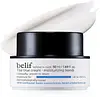 Key Ingredients
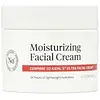
Benefits
Concerns
Ingredients Side-by-side
Water
Skin ConditioningGlycerin
Humectant



Cyclohexasiloxane
Emollient
Hydrogenated Polydecene
EmollientDipropylene Glycol
HumectantMacadamia Ternifolia Seed Oil
Emollient

1,2-Hexanediol
Skin Conditioning
Triethylhexanoin
MaskingBis-PEG-18 Methyl Ether Dimethyl Silane
EmollientStearyl Alcohol
Emollient
Glyceryl Stearate
Emollient
PEG-40 Stearate
Emulsifying
Pentaerythrityl Tetraethylhexanoate
Emollient
Symphytum Officinale Leaf Extract
Skin ConditioningAvena Sativa Kernel Extract
Abrasive



Calendula Officinalis Flower Extract
Masking
Nepeta Cataria Extract
TonicRubus Idaeus Leaf Extract
Skin ConditioningBaptisia Tinctoria Root Extract
Skin ConditioningStellaria Media Extract
Skin ConditioningAlchemilla Vulgaris Leaf Extract
Antioxidant
Viola Tricolor Extract
EmollientRosa Damascena Flower Extract
Masking
Spiraea Ulmaria Flower Extract
Skin ConditioningAlthaea Officinalis Root Extract
Skin Conditioning
Euphrasia Officinalis Extract
AntimicrobialThuja Occidentalis Leaf Extract
Antioxidant
Achillea Millefolium Flower Extract
Antioxidant
Trifolium Pratense Flower Extract
Astringent
Menyanthes Trifoliata Leaf Extract
Skin ConditioningSalix Alba Bark Extract
Astringent
Poncirus Trifoliata Fruit Extract
Skin ConditioningImperata Cylindrica Root Extract
Skin ConditioningC14-22 Alcohols
Emulsion Stabilising
Squalane
Emollient
Butyrospermum Parkii Butter
Skin Conditioning

Arachidyl Glucoside
EmulsifyingCeramide NP
Skin Conditioning

Cholesterol
Emollient
Caprylyl Glycol
Emollient
Acetyl Hexapeptide-8
Humectant
Tocopherol
Antioxidant
Panthenol
Skin Conditioning
Hydroxyethylpiperazine Ethane Sulfonic Acid
BufferingUrea
Buffering



Saccharomyces Ferment Filtrate
Humectant
Viscum Album Extract
Skin ConditioningGlycosyl Trehalose
Emulsion StabilisingLactobacillus/Soybean Ferment Extract
Skin ConditioningStearic Acid
Cleansing
Tromethamine
BufferingPEG-100 Stearate
Cetearyl Olivate
Palmitic Acid
Emollient
Sorbitan Olivate
Emulsifying
Hydrogenated Lecithin
Emulsifying
Acrylates/C10-30 Alkyl Acrylate Crosspolymer
Emulsion StabilisingDimethicone/Vinyl Dimethicone Crosspolymer
Skin Conditioning
Carbomer
Emulsion StabilisingHydrogenated Starch Hydrolysate
HumectantXanthan Gum
EmulsifyingTrisodium EDTA
Cetearyl Alcohol
Emollient
Butylene Glycol
Humectant
Dimethicone
Emollient
Sorbitan Stearate
Emulsifying
Citrus Aurantium Dulcis Peel Oil
Masking
Citrus Aurantifolia Oil
Cleansing
Rosmarinus Officinalis Leaf Oil
Masking
Pelargonium Graveolens Flower Oil
Masking
Limonene
Perfuming
Citronellol
Perfuming
Geraniol
Perfuming
Citral
Perfuming
Linalool
Perfuming
Water, Glycerin, Cyclohexasiloxane, Hydrogenated Polydecene, Dipropylene Glycol, Macadamia Ternifolia Seed Oil, 1,2-Hexanediol, Triethylhexanoin, Bis-PEG-18 Methyl Ether Dimethyl Silane, Stearyl Alcohol, Glyceryl Stearate, PEG-40 Stearate, Pentaerythrityl Tetraethylhexanoate, Symphytum Officinale Leaf Extract, Avena Sativa Kernel Extract, Calendula Officinalis Flower Extract, Nepeta Cataria Extract, Rubus Idaeus Leaf Extract, Baptisia Tinctoria Root Extract, Stellaria Media Extract, Alchemilla Vulgaris Leaf Extract, Viola Tricolor Extract, Rosa Damascena Flower Extract, Spiraea Ulmaria Flower Extract, Althaea Officinalis Root Extract, Euphrasia Officinalis Extract, Thuja Occidentalis Leaf Extract, Achillea Millefolium Flower Extract, Trifolium Pratense Flower Extract, Menyanthes Trifoliata Leaf Extract, Salix Alba Bark Extract, Poncirus Trifoliata Fruit Extract, Imperata Cylindrica Root Extract, C14-22 Alcohols, Squalane, Butyrospermum Parkii Butter, Arachidyl Glucoside, Ceramide NP, Cholesterol, Caprylyl Glycol, Acetyl Hexapeptide-8, Tocopherol, Panthenol, Hydroxyethylpiperazine Ethane Sulfonic Acid, Urea, Saccharomyces Ferment Filtrate, Viscum Album Extract, Glycosyl Trehalose, Lactobacillus/Soybean Ferment Extract, Stearic Acid, Tromethamine, PEG-100 Stearate, Cetearyl Olivate, Palmitic Acid, Sorbitan Olivate, Hydrogenated Lecithin, Acrylates/C10-30 Alkyl Acrylate Crosspolymer, Dimethicone/Vinyl Dimethicone Crosspolymer, Carbomer, Hydrogenated Starch Hydrolysate, Xanthan Gum, Trisodium EDTA, Cetearyl Alcohol, Butylene Glycol, Dimethicone, Sorbitan Stearate, Citrus Aurantium Dulcis Peel Oil, Citrus Aurantifolia Oil, Rosmarinus Officinalis Leaf Oil, Pelargonium Graveolens Flower Oil, Limonene, Citronellol, Geraniol, Citral, Linalool
Water
Skin ConditioningGlycerin
Humectant
Dimethicone
Emollient
Caprylic/Capric Triglyceride
Masking
Glyceryl Stearate
Emollient
Prunus Amygdalus Dulcis Oil
Skin Conditioning
Cetearyl Alcohol
Emollient
PEG-100 Stearate
Bis-PEG-18 Methyl Ether Dimethyl Silane
EmollientPalmitic Acid
Emollient
Stearic Acid
Cleansing
Ceramide AP
Skin Conditioning
1,2-Hexanediol
Skin Conditioning
Olea Europaea Fruit Oil
Masking
Persea Gratissima Oil
Skin Conditioning
Phenoxyethanol
Preservative
Ammonium Acryloyldimethyltaurate/Vp Copolymer
Cetyl Alcohol
Emollient
Hydroxyacetophenone
Antioxidant
Myristyl Myristate
Emollient
Carbomer
Emulsion StabilisingHelianthus Annuus Seed Oil
Emollient
Pentaerythrityl Tetra-Di-T-Butyl Hydroxyhydrocinnamate
Antioxidant
Squalane
Emollient
Dimethiconol
Emollient
Xanthan Gum
EmulsifyingSodium Hydroxide
BufferingTetrasodium Glutamate Diacetate
Glycine Soja Oil
Emollient
BHT
Antioxidant
Pseudoalteromonas Ferment Extract
Humectant
Caprylyl Glycol
Emollient
Water, Glycerin, Dimethicone, Caprylic/Capric Triglyceride, Glyceryl Stearate, Prunus Amygdalus Dulcis Oil, Cetearyl Alcohol, PEG-100 Stearate, Bis-PEG-18 Methyl Ether Dimethyl Silane, Palmitic Acid, Stearic Acid, Ceramide AP, 1,2-Hexanediol, Olea Europaea Fruit Oil, Persea Gratissima Oil, Phenoxyethanol, Ammonium Acryloyldimethyltaurate/Vp Copolymer, Cetyl Alcohol, Hydroxyacetophenone, Myristyl Myristate, Carbomer, Helianthus Annuus Seed Oil, Pentaerythrityl Tetra-Di-T-Butyl Hydroxyhydrocinnamate, Squalane, Dimethiconol, Xanthan Gum, Sodium Hydroxide, Tetrasodium Glutamate Diacetate, Glycine Soja Oil, BHT, Pseudoalteromonas Ferment Extract, Caprylyl Glycol
Reviews
Ingredients Explained
These ingredients are found in both products.
Ingredients higher up in an ingredient list are typically present in a larger amount.
1,2-Hexanediol is a synthetic liquid and another multi-functional powerhouse.
It is a:
- Humectant, drawing moisture into the skin
- Emollient, helping to soften skin
- Solvent, dispersing and stabilizing formulas
- Preservative booster, enhancing the antimicrobial activity of other preservatives
Bis-Peg-18 Methyl Ether Dimethyl Silane belongs to the siloxanes and silicones classes. It is synthetically created and has a waxy composition.
This ingredient is a humectant and emollient, meaning it helps hydrate the skin. Humectants draw moisture to your skin, while emollients prevent moisture from escaping.
Caprylyl Glycol is a humectant and emollient, meaning it attracts and preserves moisture.
It is a common ingredient in many products, especially those designed to hydrate skin. The primary benefits are retaining moisture, skin softening, and promoting a healthy skin barrier.
Though Caprylyl Glycol is an alcohol derived from fatty acids, it is not the kind that can dry out skin.
This ingredient is also used as a preservative to extend the life of products. It has slight antimicrobial properties.
Learn more about Caprylyl GlycolCarbomer is a polymer of acrylic acid. Its main role is to create a gel consistency.
A high amount of carbomer can cause pilling or balling up of products. Don't worry, most products contain 1% or less of carbomer.
Cetearyl alcohol is a mixture of two fatty alcohols: cetyl alcohol and stearyl alcohol. It is mainly used as an emulsifier. Emulsifiers help prevent the separation of oils and products. Due to its composition, it can also be used to thicken a product or help create foam.
Cetearyl alcohol is an emollient. Emollients help soothe and hydrate the skin by trapping moisture.
Studies show Cetearyl alcohol is non-toxic and non-irritating. The FDA allows products labeled "alcohol-free" to have fatty alcohols.
This ingredient is usually derived from plant oils such as palm, vegetable, or coconut oils. There is debate on whether this ingredient will cause acne.
Due to the fatty acid base, this ingredient may not be Malassezia folliculitis safe.
Learn more about Cetearyl AlcoholDimethicone is a type of synthetic silicone created from natural materials such as quartz.
What it does:
Dimethicone comes in different viscosities:
Depending on the viscosity, dimethicone has different properties.
Ingredients lists don't always show which type is used, so we recommend reaching out to the brand if you have questions about the viscosity.
This ingredient is unlikely to cause irritation because it does not get absorbed into skin. However, people with silicone allergies should be careful about using this ingredient.
Note: Dimethicone may contribute to pilling. This is because it is not oil or water soluble, so pilling may occur when layered with products. When mixed with heavy oils in a formula, the outcome is also quite greasy.
Learn more about DimethiconeGlycerin is already naturally found in your skin. It helps moisturize and protect your skin.
A study from 2016 found glycerin to be more effective as a humectant than AHAs and hyaluronic acid.
As a humectant, it helps the skin stay hydrated by pulling moisture to your skin. The low molecular weight of glycerin allows it to pull moisture into the deeper layers of your skin.
Hydrated skin improves your skin barrier; Your skin barrier helps protect against irritants and bacteria.
Glycerin has also been found to have antimicrobial and antiviral properties. Due to these properties, glycerin is often used in wound and burn treatments.
In cosmetics, glycerin is usually derived from plants such as soybean or palm. However, it can also be sourced from animals, such as tallow or animal fat.
This ingredient is organic, colorless, odorless, and non-toxic.
Glycerin is the name for this ingredient in American English. British English uses Glycerol/Glycerine.
Learn more about GlycerinGlyceryl Stearate is a mix of glycerin and stearic acid.
It is used to stabilize the mixing of water and oil ingredients. By preventing these ingredients from separating, it can help elongate shelf life. It can also help thicken the product's texture.
As an emollient, it helps soften skin and supports barrier-replenishing ingredients.
In cosmetics, Glyceryl Stearate is often made from vegetable oils or synthetically produced.
This ingredient may not be fungal-acne safe
Fun fact: The human body also creates Glyceryl Stearate naturally.
Learn more about Glyceryl StearatePalmitic Acid is a fatty acid naturally found in our skin and in many plant and animal sources. In cosmetics, it is usually derived from palm oil. It serves many purposes in skincare, acting as a cleanser, emollient, and emulsifier.
As an emollient, palmitic acid helps soften and smooth the skin by preventing water loss. In cleansers, it helps remove oil and dirt while creating foam.
Its emulsifying properties help stabilize products by keeping water and oil-based ingredients from separating.
This may not be suitable for fungal acne-prone skin, as fatty acids like this can sometimes trigger breakouts in sensitive individuals.
Learn more about Palmitic AcidPeg-100 Stearate is an emollient and emulsifier. As an emollient, it helps keep skin soft by trapping moisture in. On the other hand, emulsifiers help prevent oil and water from separating in a product.
PEGS are a hydrophilic polyether compound . There are 100 ethylene oxide monomers in Peg-100 Stearate. Peg-100 Stearate is polyethylene glycol ester of stearic acid.
Squalane is an emollient that helps the skin hold onto moisture. It's an oily liquid that occurs naturally in certain types of fish and plant oils.
Because squalane boosts hydration in the skin, it also comes with plenty of benefits: it is an antioxidant and can help fight free radicals and skin damage. Squalane is also found to have a detoxifying effect when applied.
Squalane comes from squalene, which occurs naturally within the sebum of our skin. It is one of the oils our skin produces to keep itself hydrated. Squalane is the hydrogenated version of squalene and has a longer shelf life.
Research shows that squalane is non-irritating (even at 100% concentration).
In general, it's a fantastic ingredient. It does a great job at hydrating the skin, and it's suitable for those with sensitive skin.
The source of squalane may impact malassezia / fungal acne. This is because olive oil derived squalane can contain impurities such as fatty acids and plant waxes. Sugarcane derived squalane is recommended for anyone with malassezia concerns.
Is squalane vegan?
This depends on the source. Squalane can be derived from both plants and animals. Most squalane used in skincare comes from plants.
Please note: the source of squalane is only known if disclosed by the brand. We recommend reaching out to the brand if you have any questions about their squalane.
Read more about squalene with an "e".
Is squalane an oil?
Squalane is often called an oil, but it’s technically not; it’s a hydrocarbon, meaning it’s only made of carbon and hydrogen, unlike true oils which are triglycerides made of fatty acids and glycerol.
The term “oil-free” isn’t regulated, so companies can define it however they want. Some exclude all oils, while others just avoid mineral oil or comedogenic oils.
While some people avoid oils thinking they cause breakouts, the right kind of oil (or oil-like ingredient like squalane) can actually help balance and hydrate your skin. It’s worth testing out simple oils or squalane to see what works best for your skin.
Learn more about SqualaneStearic Acid is a fatty acid. It is an emollient, emulsifier, and texture enhancer.
As an emollient, stearic acid helps soften skin. It aids the skin's protective barrier by preventing water loss. It also provides a gentle cleansing effect without stripping away natural oils.
Stearic acid may also be used to enhance the texture of products. It can add volume and stabilize ingredients such as water and oil. This can help water and oil ingredients from separating.
Sources of stearic acid include animal or vegetable fats/oils such as coconut or shea. It can be naturally found in butter, cocoa butter, shea butter, vegetable fats, and animal tallow.
This ingredient may not be Malassezia folliculitis, or fungal-acne safe.
Learn more about Stearic AcidWater. It's the most common cosmetic ingredient of all. You'll usually see it at the top of ingredient lists, meaning that it makes up the largest part of the product.
So why is it so popular? Water most often acts as a solvent - this means that it helps dissolve other ingredients into the formulation.
You'll also recognize water as that liquid we all need to stay alive. If you see this, drink a glass of water. Stay hydrated!
Learn more about WaterXanthan gum is used as a stabilizer and thickener within cosmetic products. It helps give products a sticky, thick feeling - preventing them from being too runny.
On the technical side of things, xanthan gum is a polysaccharide - a combination consisting of multiple sugar molecules bonded together.
Xanthan gum is a pretty common and great ingredient. It is a natural, non-toxic, non-irritating ingredient that is also commonly used in food products.
Learn more about Xanthan Gum
