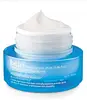
This anti-aging eye moisturizer is formulated around Squalane and Panthenol to soften the look of wrinkles and hydrate skin.
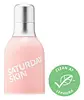
This brightening eye moisturizer is formulated around Ascorbic Acid and Sh-Oligopeptide-1 to brighten dull-looking skin.

What's inside
What's inside
 Key Ingredients
Benefits
Concerns
Ingredients Side-by-side
Water
Skin ConditioningDipropylene Glycol
HumectantButylene Glycol
Humectant

Glycerin
Humectant
Squalane
Emollient
Cyclopentasiloxane
Emollient
Caprylyl Trimethicone
Skin Conditioning
Dimethicone
Emollient
Hdi/Trimethylol Hexyllactone Crosspolymer
1,2-Hexanediol
Skin Conditioning
Sucrose Polystearate
EmollientGlyceryl Stearate
Emollient

Panthenol
Skin Conditioning

PCA Dimethicone
Skin Conditioning
Triethylhexanoin
MaskingDimethicone/Vinyl Dimethicone Crosspolymer
Skin Conditioning
PEG-100 Stearate
Surfactant
C14-22 Alcohols
Emulsion Stabilising
Silica
Abrasive


Ceramide NP
Skin Conditioning
Hydrogenated Lecithin
Emulsifying
Cedrol
EmollientHydrogenated Polyisobutene
EmollientHydroxyethyl Acrylate/Sodium Acryloyldimethyl Taurate Copolymer
Emulsion StabilisingPEG-10 Rapeseed Sterol
CleansingCarbomer
Emulsion StabilisingC12-20 Alkyl Glucoside
EmulsifyingTromethamine
BufferingPolysorbate 60
Emulsifying
Glycereth-20
HumectantCellulose
Absorbent
Trisodium EDTA
ChelatingSorbitan Isostearate
Emulsifying
Bakuchiol
Antimicrobial




Caffeine
Skin Conditioning
Centella Asiatica Leaf Extract
Skin Conditioning
Calendula Officinalis Flower Extract
Masking
Avena Sativa Kernel Extract
Abrasive
Nepeta Cataria Extract
TonicRubus Idaeus Leaf Extract
Skin ConditioningBaptisia Tinctoria Root Extract
Skin ConditioningStellaria Media Extract
Skin ConditioningAlchemilla Vulgaris Leaf Extract
Antioxidant
Althaea Officinalis Root Extract
Skin Conditioning
Rosa Damascena Flower Extract
Masking
Spiraea Ulmaria Flower Extract
Skin ConditioningViola Tricolor Extract
EmollientAchillea Millefolium Flower Extract
Antioxidant
Symphytum Officinale Leaf Extract
Skin ConditioningTrifolium Pratense Flower Extract
AstringentMenyanthes Trifoliata Leaf Extract
Skin ConditioningSalix Alba Bark Extract
Astringent
Sodium Lactate
Buffering
Polysorbate 20
Emulsifying
Caprylyl Glycol
Emollient
Palmitoyl Tripeptide-1
Skin Conditioning
Acetyl Hexapeptide-8
Humectant
Palmitoyl Tetrapeptide-7
Skin Conditioning
Citrus Aurantium Dulcis Peel Oil
Masking
Citrus Aurantifolia Oil
Cleansing

Pelargonium Graveolens Flower Oil
Masking
Rosmarinus Officinalis Leaf Oil
Masking
Limonene
Perfuming
Citronellol
Perfuming
Geraniol
Perfuming
Citral
Perfuming
Linalool
Perfuming
Water, Dipropylene Glycol, Butylene Glycol, Glycerin, Squalane, Cyclopentasiloxane, Caprylyl Trimethicone, Dimethicone, Hdi/Trimethylol Hexyllactone Crosspolymer, 1,2-Hexanediol, Sucrose Polystearate, Glyceryl Stearate, Panthenol, PCA Dimethicone, Triethylhexanoin, Dimethicone/Vinyl Dimethicone Crosspolymer, PEG-100 Stearate, C14-22 Alcohols, Silica, Ceramide NP, Hydrogenated Lecithin, Cedrol, Hydrogenated Polyisobutene, Hydroxyethyl Acrylate/Sodium Acryloyldimethyl Taurate Copolymer, PEG-10 Rapeseed Sterol, Carbomer, C12-20 Alkyl Glucoside, Tromethamine, Polysorbate 60, Glycereth-20, Cellulose, Trisodium EDTA, Sorbitan Isostearate, Bakuchiol, Caffeine, Centella Asiatica Leaf Extract, Calendula Officinalis Flower Extract, Avena Sativa Kernel Extract, Nepeta Cataria Extract, Rubus Idaeus Leaf Extract, Baptisia Tinctoria Root Extract, Stellaria Media Extract, Alchemilla Vulgaris Leaf Extract, Althaea Officinalis Root Extract, Rosa Damascena Flower Extract, Spiraea Ulmaria Flower Extract, Viola Tricolor Extract, Achillea Millefolium Flower Extract, Symphytum Officinale Leaf Extract, Trifolium Pratense Flower Extract, Menyanthes Trifoliata Leaf Extract, Salix Alba Bark Extract, Sodium Lactate, Polysorbate 20, Caprylyl Glycol, Palmitoyl Tripeptide-1, Acetyl Hexapeptide-8, Palmitoyl Tetrapeptide-7, Citrus Aurantium Dulcis Peel Oil, Citrus Aurantifolia Oil, Pelargonium Graveolens Flower Oil, Rosmarinus Officinalis Leaf Oil, Limonene, Citronellol, Geraniol, Citral, Linalool
Water
Skin ConditioningGlycerin
Humectant
Butylene Glycol
Humectant
Cyclopentasiloxane
Emollient
Trehalose
Humectant
Pentylene Glycol
Skin Conditioning
Polyglycerin-3
Humectant
Pyrus Malus Seed Oil
Emollient
1,2-Hexanediol
Skin Conditioning
Pyrus Malus Fruit Water
MaskingCitrus Limon Peel Oil
Masking
Juniperus Mexicana Oil
Masking
Citrus Aurantium Dulcis Peel Oil
Masking
Citrus Grandis Peel Oil
Masking
Eucalyptus Globulus Leaf Oil
Perfuming
Lavandula Angustifolia Oil
Masking
Rosmarinus Officinalis Leaf Oil
Masking
Phoenix Dactylifera Seed
Skin ConditioningHydrolyzed Avocado Protein
Skin ConditioningDipentaerythrityl Hexa C5-9 Acid Esters
Skin ConditioningCyclohexasiloxane
Emollient
Glyceryl Stearate
Emollient
Hydroxyethyl Acrylate/Sodium Acryloyldimethyl Taurate Copolymer
Emulsion StabilisingPEG-100 Stearate
Surfactant
Dimethicone/Vinyl Dimethicone Crosspolymer
Skin Conditioning
Propanediol
Solvent
Acrylates/C10-30 Alkyl Acrylate Crosspolymer
Emulsion StabilisingPEG-11 Methyl Ether Dimethicone
Emulsifying
Tromethamine
BufferingPEG/PPG-19/19 Dimethicone
Emulsifying
Hydrogenated Lecithin
Emulsifying
Ascorbic Acid
Antioxidant
Cholesterol
Emollient
PEG-800
HumectantPolysorbate 20
Emulsifying
Maltodextrin
Absorbent
Saccharide Hydrolysate
HumectantPolyglutamic Acid
Skin Conditioning
Sodium Hyaluronate
Humectant
Sh-Oligopeptide-1
Skin Conditioning
Sh-Polypeptide-1
Skin Conditioning
Sh-Oligopeptide-2
Skin Conditioning
Sh-Polypeptide-22
Skin Conditioning
Sh-Polypeptide-45
Skin Conditioning
Sh-Polypeptide-8
Humectant
Sh-Polypeptide-9
Skin Conditioning
Cetearyl Alcohol
Emollient


Xanthan Gum
EmulsifyingDisodium EDTA
ChelatingWater, Glycerin, Butylene Glycol, Cyclopentasiloxane, Trehalose, Pentylene Glycol, Polyglycerin-3, Pyrus Malus Seed Oil, 1,2-Hexanediol, Pyrus Malus Fruit Water, Citrus Limon Peel Oil, Juniperus Mexicana Oil, Citrus Aurantium Dulcis Peel Oil, Citrus Grandis Peel Oil, Eucalyptus Globulus Leaf Oil, Lavandula Angustifolia Oil, Rosmarinus Officinalis Leaf Oil, Phoenix Dactylifera Seed, Hydrolyzed Avocado Protein, Dipentaerythrityl Hexa C5-9 Acid Esters, Cyclohexasiloxane, Glyceryl Stearate, Hydroxyethyl Acrylate/Sodium Acryloyldimethyl Taurate Copolymer, PEG-100 Stearate, Dimethicone/Vinyl Dimethicone Crosspolymer, Propanediol, Acrylates/C10-30 Alkyl Acrylate Crosspolymer, PEG-11 Methyl Ether Dimethicone, Tromethamine, PEG/PPG-19/19 Dimethicone, Hydrogenated Lecithin, Ascorbic Acid, Cholesterol, PEG-800, Polysorbate 20, Maltodextrin, Saccharide Hydrolysate, Polyglutamic Acid, Sodium Hyaluronate, Sh-Oligopeptide-1, Sh-Polypeptide-1, Sh-Oligopeptide-2, Sh-Polypeptide-22, Sh-Polypeptide-45, Sh-Polypeptide-8, Sh-Polypeptide-9, Cetearyl Alcohol, Xanthan Gum, Disodium EDTA
Reviews
Ingredients Explained
These ingredients are found in both products.
Ingredients higher up in an ingredient list are typically present in a larger amount.
1,2-Hexanediol is a synthetic liquid and another multi-functional powerhouse.
It is a:
- Humectant, drawing moisture into the skin
- Emollient, helping to soften skin
- Solvent, dispersing and stabilizing formulas
- Preservative booster, enhancing the antimicrobial activity of other preservatives
Butylene Glycol (or BG) is used within cosmetic products for a few different reasons:
Overall, Butylene Glycol is a safe and well-rounded ingredient that works well with other ingredients.
Though this ingredient works well with most skin types, some people with sensitive skin may experience a reaction such as allergic rashes, closed comedones, or itchiness.
Learn more about Butylene GlycolCitrus Aurantium Dulcis Peel Oil is oil from the peel of an orange fruit.
Limonene and linalool make up the majority of oils from citrus peels. Limonene has a "citrus" fragrance. Citrus peels also contain flavonoids, which have anti-inflammatory properties.
Citrus peel is also a rich source of flavonoids. Flavonoids are natural antioxidants and help protect your skin against damage. Flavonoids are a group of compounds naturally found in vegetables and fruits.
The term 'fragrance' is not regulated in many countries. In many cases, it is up to the brand to define this term. For instance, many brands choose to label themselves as "fragrance-free" because they are not using synthetic fragrances. However, their products may still contain ingredients such as essential oils that are considered a fragrance.
Learn more about Citrus Aurantium Dulcis Peel OilCyclopentasiloxane (D5) is a lightweight silicone that mostly acts as an emollient and solvent in cosmetics. Its the reason your products feel silky, fast-spreading, and non-greasy.
Since D5 is volatile, it does its thing and then evaporates off the skin quickly.
The safety profile of this ingredient is reassuring; the US CIR Expert Panel concluded D5 is safe as used in cosmetics and Health Canada concluded that D5 is not harmful to human health or the environment as currently used in cosmetics
There's a study that people mention about D5 in a rat study showing tumors. This study is related to long-term inhalation of high D5 levels.
Regulatory bodies have judged this study to be not applicable in topical skincare since skin absorption of D5 is very low and we're not really inhaling huge amounts of D5.
The only restriction for this ingredient is environmental. The European Chemicals Agency (ECHA) restricted D5 in wash-off cosmetics at or above 0.1% due to their persistence in water.
Learn more about CyclopentasiloxaneThis ingredient is a silicone elastomer that works as a texture enhancer, adds a silky slip, and also helps absorb excess oil.
Because it's a large macromolecule that's insoluble in water and chemically inert, it's not expected to penetrate or be absorbed into skin.
Human patch tests with a facial lotion containing 1% of this ingredient found no sensitization.
Learn more about Dimethicone/Vinyl Dimethicone CrosspolymerGlycerin (or glycerol) is a compound naturally found in your skin. It's a powerhouse humectant that pulls water into the stratum corneum.
Topically, glycerin does several things at once:
Your skin makes glycerin on its own (mostly from sebaceous oil breakdown) and shuttles it to your outermost layer of skin, or your epidermis, via aquaporin-3.
Aquaporin-3 is a transporter that is essential for normal skin hydration, elasticity, and repair. Interestingly, mice lacking in AQP3 have dry and less elastic skin that can be fully corrected with glycerin.
This ingredient is non-irritating, plays well with almost every ingredient, and works across all skin types. Typical use is anywhere between 3-10% but can go up to 79% in some leave-on products.
Just know very high concentrations (>40%) can feel tacky in low humidity.
Glycerin is the name for this ingredient in American English. British English uses Glycerol/Glycerine.
Learn more about GlycerinGlyceryl Stearate is made by reacting glycerin with stearic acid (typically sourced from plant oils like palm or coconut). It's an emulsifier, emollient, and mild occlusive.
Emulsifiers help ingredients like oil and water stay mixed so your formula stays nicely blended and uniform in texture.
This ingredient is typically used in concentrations between 1-10%. Studies have found it to be non-sensitizing, non-phototoxic, and non-photoallergenic.
A close cousin of this ingredient is Glyceryl Stearate SE ("self-emulsifying"). This just has a small amount of sodium or potassium stearate added so it can emulsify without a co-emulsifier.
Since this ingredient is an ester of a C18 fatty acid, it may not be fungal acne safe. The Malassezia yeast can potentially metabolize within the C11-C24 range.
Fun fact: The human body also creates Glyceryl Stearate naturally.
Learn more about Glyceryl StearateHydrogenated Lecithin is a more stable version of lecithin.
It's made by taking lecithin (a phospholipid commonly found in soybeans and egg yolks) and hydrogenating it. This just means the unsaturated fatty acids are turned into saturated ones so they don't go bad as easily.
This ingredient is an emollient, emulsifier, and penetration enhancer. As an emollient, it helps soften and hydrate skin by trapping moisture within. As an emulsifier, it prevents oil and water ingredients from separating.
Hydrogenated Lecithin can form tiny spherical structures made of phospholipid bilayers called liposomes. These liposomes are able to capture compounds inside their structure and deliver them through the skin barrier.
Because phospholipids are a natural component of our cell membranes, this ingredient is inherently compatible with skin.
A 2021 study found lecithin-based surfactants were less harsh and more tolerable comared to Sodium Lauryl Sulfate (SLS).
Learn more about Hydrogenated LecithinThis is a synthetic polymer. It helps improve the texture of products by adding thickness and gel-like feel.
It is also an emulsifer, meaning it prevents ingredients such as oil and water from separating. It also helps evenly disperse other ingredients.
Peg-100 Stearate is an emollient and emulsifier. As an emollient, it helps keep skin soft by trapping moisture in. On the other hand, emulsifiers help prevent oil and water from separating in a product.
PEGS are a hydrophilic polyether compound . There are 100 ethylene oxide monomers in Peg-100 Stearate. Peg-100 Stearate is polyethylene glycol ester of stearic acid.
Polysorbate 20 is a gentle, water-soluble emulsifier and mild surfactant. It stops oil and water from separating to keep your formulas blended and stable.
It also acts as a mild penetration enhancer by helping active ingredients absorb slightly better.
The common safety discussion around this ingredient involves a manufacturing byproduct called 1,4-dioxane.
Trace amounts can form during production but the EU's Scientific Committee on Consumer Safety has concluded that levels at/below 10 ppm in finished products are safe (commercial products consistently fall within acceptable margins).
True allergic reactions are uncommon and the CIR Expert Panel has confirmed this ingredient to be safe as used in cosmetics.
Because it is derived from lauric acid, it may not be fungal acne safe.
Learn more about Polysorbate 20Rosmarinus Officinalis Leaf Oil is an essential oil also known as rosemary essential oil. In skincare, it is a skin conditioning agent and also acts as a natural fragrance that gives products a fresh/herby smell.
The oil is a mix of over 100 volatile compounds with 1,8-cineole, α-pinene, camphor, and verbenone usually leading the pack.
Lab studies credit this oil with antioxidant, anti-inflammatory, and antimicrobial activity. Some research even show rosemary compounds calming acne-related inflammation.
The Cosmetic Ingredient Review (CIR) has concluded rosemary-derived ingredients to be safe when formulated to be nonsensitizing.
Since this is a fragrant essential oil, the main concern is for fragrance-sensitive folks.
Learn more about Rosmarinus Officinalis Leaf OilTromethamine (aka THAM) is a synthetic amino acid that shows up in skincare as a helper ingredient.
It functions as a pH adjuster to help neutralize acidic ingredients and set a formula's pH to the right spot.
This matters a lot because a lot of actives (like vitamin C) needs a specific pH to work well and feel comfortable on skin.
Concentration use ranges from 0.1-1.0% depending on the formula.
Learn more about TromethamineWater. It's the most common cosmetic ingredient of all. You'll usually see it at the top of ingredient lists, meaning that it makes up the largest part of the product.
So why is it so popular? Water most often acts as a solvent - this means that it helps dissolve other ingredients into the formulation.
You'll also recognize water as that liquid we all need to stay alive. If you see this, drink a glass of water. Remember to stay hydrated!
Learn more about Water

