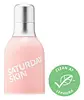
This brightening eye moisturizer is formulated around Ascorbic Acid and Sh-Oligopeptide-1 to brighten dull-looking skin.
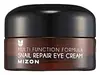
This anti-aging eye moisturizer is formulated around Snail Secretion Filtrate and Niacinamide to soften the look of wrinkles and strengthen the skin barrier.

What's inside
What's inside
 Key Ingredients
Benefits
Concerns
Ingredients Side-by-side
Water
Skin ConditioningGlycerin
Humectant


Butylene Glycol
Humectant
Cyclopentasiloxane
Emollient
Trehalose
Humectant
Pentylene Glycol
Skin Conditioning
Polyglycerin-3
Humectant
Pyrus Malus Seed Oil
Emollient
1,2-Hexanediol
Skin Conditioning
Pyrus Malus Fruit Water
MaskingCitrus Limon Peel Oil
Masking





Juniperus Mexicana Oil
Masking
Citrus Aurantium Dulcis Peel Oil
Masking
Citrus Grandis Peel Oil
Masking
Eucalyptus Globulus Leaf Oil
Perfuming
Lavandula Angustifolia Oil
Masking
Rosmarinus Officinalis Leaf Oil
Masking
Phoenix Dactylifera Seed
Skin ConditioningHydrolyzed Avocado Protein
Skin ConditioningDipentaerythrityl Hexa C5-9 Acid Esters
Skin ConditioningCyclohexasiloxane
Emollient
Glyceryl Stearate
Emollient
Hydroxyethyl Acrylate/Sodium Acryloyldimethyl Taurate Copolymer
Emulsion StabilisingPEG-100 Stearate
Surfactant
Dimethicone/Vinyl Dimethicone Crosspolymer
Skin Conditioning
Propanediol
Solvent
Acrylates/C10-30 Alkyl Acrylate Crosspolymer
Emulsion StabilisingPEG-11 Methyl Ether Dimethicone
Emulsifying
Tromethamine
BufferingPEG/PPG-19/19 Dimethicone
Emulsifying
Hydrogenated Lecithin
Emulsifying
Ascorbic Acid
Antioxidant




Cholesterol
Emollient
PEG-800
HumectantPolysorbate 20
Emulsifying
Maltodextrin
Absorbent
Saccharide Hydrolysate
HumectantPolyglutamic Acid
Skin Conditioning
Sodium Hyaluronate
Humectant
Sh-Oligopeptide-1
Skin Conditioning
Sh-Polypeptide-1
Skin Conditioning
Sh-Oligopeptide-2
Skin Conditioning
Sh-Polypeptide-22
Skin Conditioning
Sh-Polypeptide-45
Skin Conditioning
Sh-Polypeptide-8
Humectant
Sh-Polypeptide-9
Skin Conditioning
Cetearyl Alcohol
Emollient



Xanthan Gum
EmulsifyingDisodium EDTA
ChelatingWater, Glycerin, Butylene Glycol, Cyclopentasiloxane, Trehalose, Pentylene Glycol, Polyglycerin-3, Pyrus Malus Seed Oil, 1,2-Hexanediol, Pyrus Malus Fruit Water, Citrus Limon Peel Oil, Juniperus Mexicana Oil, Citrus Aurantium Dulcis Peel Oil, Citrus Grandis Peel Oil, Eucalyptus Globulus Leaf Oil, Lavandula Angustifolia Oil, Rosmarinus Officinalis Leaf Oil, Phoenix Dactylifera Seed, Hydrolyzed Avocado Protein, Dipentaerythrityl Hexa C5-9 Acid Esters, Cyclohexasiloxane, Glyceryl Stearate, Hydroxyethyl Acrylate/Sodium Acryloyldimethyl Taurate Copolymer, PEG-100 Stearate, Dimethicone/Vinyl Dimethicone Crosspolymer, Propanediol, Acrylates/C10-30 Alkyl Acrylate Crosspolymer, PEG-11 Methyl Ether Dimethicone, Tromethamine, PEG/PPG-19/19 Dimethicone, Hydrogenated Lecithin, Ascorbic Acid, Cholesterol, PEG-800, Polysorbate 20, Maltodextrin, Saccharide Hydrolysate, Polyglutamic Acid, Sodium Hyaluronate, Sh-Oligopeptide-1, Sh-Polypeptide-1, Sh-Oligopeptide-2, Sh-Polypeptide-22, Sh-Polypeptide-45, Sh-Polypeptide-8, Sh-Polypeptide-9, Cetearyl Alcohol, Xanthan Gum, Disodium EDTA
Water
Skin ConditioningSnail Secretion Filtrate
Skin Conditioning

Glycerin
Humectant
1,2-Hexanediol
Skin Conditioning
Limnanthes Alba Seed Oil
Skin Conditioning
Niacinamide
Smoothing



Butylene Glycol
Humectant
Cetearyl Olivate
Squalane
Emollient
Polyglyceryl-3 Methylglucose Distearate
Emulsifying
Sorbitan Olivate
Emulsifying
Octyldodecanol
Emollient
Cetearyl Alcohol
Emollient
Glyceryl Stearate
Emollient
Beeswax
Emulsion Stabilising
Dimethicone
Emollient
Polyacrylate-13
Palmitic Acid
Emollient
Stearic Acid
Cleansing
Chlorphenesin
Antimicrobial
Phenoxyethanol
Preservative
Polyisobutene
Ethylhexylglycerin
Skin ConditioningAdenosine
Skin Conditioning
Polysorbate 20
Emulsifying
Sorbitan Isostearate
Emulsifying
Disodium EDTA
ChelatingBetula Alba Juice
AstringentPrunus Amygdalus Dulcis Seed Extract
Skin ConditioningMyristic Acid
Cleansing
Sodium Hyaluronate
Humectant
Portulaca Oleracea Extract
Skin Conditioning
Copper Tripeptide-1
Skin Conditioning
Water, Snail Secretion Filtrate, Glycerin, 1,2-Hexanediol, Limnanthes Alba Seed Oil, Niacinamide, Butylene Glycol, Cetearyl Olivate, Squalane, Polyglyceryl-3 Methylglucose Distearate, Sorbitan Olivate, Octyldodecanol, Cetearyl Alcohol, Glyceryl Stearate, Beeswax, Dimethicone, Polyacrylate-13, Palmitic Acid, Stearic Acid, Chlorphenesin, Phenoxyethanol, Polyisobutene, Ethylhexylglycerin, Adenosine, Polysorbate 20, Sorbitan Isostearate, Disodium EDTA, Betula Alba Juice, Prunus Amygdalus Dulcis Seed Extract, Myristic Acid, Sodium Hyaluronate, Portulaca Oleracea Extract, Copper Tripeptide-1
Reviews
Ingredients Explained
These ingredients are found in both products.
Ingredients higher up in an ingredient list are typically present in a larger amount.
1,2-Hexanediol is a synthetic liquid and another multi-functional powerhouse.
It is a:
- Humectant, drawing moisture into the skin
- Emollient, helping to soften skin
- Solvent, dispersing and stabilizing formulas
- Preservative booster, enhancing the antimicrobial activity of other preservatives
Butylene Glycol (or BG) is used within cosmetic products for a few different reasons:
Overall, Butylene Glycol is a safe and well-rounded ingredient that works well with other ingredients.
Though this ingredient works well with most skin types, some people with sensitive skin may experience a reaction such as allergic rashes, closed comedones, or itchiness.
Learn more about Butylene GlycolCetearyl alcohol is a waxy mixture of two fatty alcohols: cetyl alcohol and stearyl alcohol. It is an emollient and emulsifier.
Despite having "alcohol" in its name, it has nothing to do with drying solvent alcohols; the FDA also allows "alcohol-free" products to contain fatty alcohols like this ingredient.
It plays several roles in a formula:
Typical use levels for this ingredient sit around 1-10% and the Cosmetic Ingredient Review Expert Panel has affirmed safety at concentrations up to 25% in leave-on products.
Multiple assessments have found it to be non-irritating and non-sensitizing to most people.
However, there have been some cases of allergic contact dermatitis in patients with chronically compromised skin barriers.
Cetearyl alcohol has a comedogenic rating of 2 and irritancy rating of 1. Both of these numbers come from the 1989 study that used rabbit ears; a "2" means mildly comedogenic and a "1" means low irritancy.
Here's the catch: rabbit skin is more sensitive than human skin and throws a lot of false positives. A 1996 reappraisal found that ingredients rated 1-2 in the rabbit ear tests are generally safe for humans.
Remember comedogenic ratings are unable to assess the entire formula of a product or how it will react on your skin. Just be sure to patch test if you are unsure about certain ingredients.
This ingredient is not fungal acne safe. Cetearyl alcohol is a fatty alcohol with chain lengths that fall within the range that Malassezia can metabolize.
A 2019 study has also observed Malassezia growth in the presence of this ingredient, confirming it to be not-fungal acne safe.
Learn more about Cetearyl AlcoholDisodium EDTA is a chelating agent. It grabs onto and deactivates metal ions that sneak into your products from water, packaging, or air.
This ingredient mainly works behind the scenes and helps with:
On top of that, this ingredient can counteract the effects of hard water by binding to the minerals in it.
One thing worth knowing is that Disodium EDTA has been shown to be a mild penetration enhancer. It can help other ingredients absorb into skin more effectively which can be a double-edged sword (great for actives, but can also make the active too strong if you have sensitive skin).
Clinical patch testing showed no significant skin irritation at typical use concentrations and minimal dermal absorption.
You'll most likely see this ingredient near the end of an ingredient list. It's typically found in concentrations less than 1%.
Learn more about Disodium EDTAGlycerin (or glycerol) is a compound naturally found in your skin. It's a powerhouse humectant that pulls water into the stratum corneum.
Topically, glycerin does several things at once:
Your skin makes glycerin on its own (mostly from sebaceous oil breakdown) and shuttles it to your outermost layer of skin, or your epidermis, via aquaporin-3.
Aquaporin-3 is a transporter that is essential for normal skin hydration, elasticity, and repair. Interestingly, mice lacking in AQP3 have dry and less elastic skin that can be fully corrected with glycerin.
This ingredient is non-irritating, plays well with almost every ingredient, and works across all skin types. Typical use is anywhere between 3-10% but can go up to 79% in some leave-on products.
Just know very high concentrations (>40%) can feel tacky in low humidity.
Glycerin is the name for this ingredient in American English. British English uses Glycerol/Glycerine.
Learn more about GlycerinGlyceryl Stearate is made by reacting glycerin with stearic acid (typically sourced from plant oils like palm or coconut). It's an emulsifier, emollient, and mild occlusive.
Emulsifiers help ingredients like oil and water stay mixed so your formula stays nicely blended and uniform in texture.
This ingredient is typically used in concentrations between 1-10%. Studies have found it to be non-sensitizing, non-phototoxic, and non-photoallergenic.
A close cousin of this ingredient is Glyceryl Stearate SE ("self-emulsifying"). This just has a small amount of sodium or potassium stearate added so it can emulsify without a co-emulsifier.
Since this ingredient is an ester of a C18 fatty acid, it may not be fungal acne safe. The Malassezia yeast can potentially metabolize within the C11-C24 range.
Fun fact: The human body also creates Glyceryl Stearate naturally.
Learn more about Glyceryl StearatePolysorbate 20 is a gentle, water-soluble emulsifier and mild surfactant. It stops oil and water from separating to keep your formulas blended and stable.
It also acts as a mild penetration enhancer by helping active ingredients absorb slightly better.
The common safety discussion around this ingredient involves a manufacturing byproduct called 1,4-dioxane.
Trace amounts can form during production but the EU's Scientific Committee on Consumer Safety has concluded that levels at/below 10 ppm in finished products are safe (commercial products consistently fall within acceptable margins).
True allergic reactions are uncommon and the CIR Expert Panel has confirmed this ingredient to be safe as used in cosmetics.
Because it is derived from lauric acid, it may not be fungal acne safe.
Learn more about Polysorbate 20Sodium Hyaluronate is the salt form of hyaluronic acid. It is a long sugar chain that is naturally found in your skin, joints, and connective tissue that maintains hydration and elasticity.
In skincare, it works as a humectant. It pulls water from the environment and deeper layers of skin and binds it to the surface.
Interestingly, the size of the molecule affects its behavior:
Some clinical evidence links low molecular weight versions to improved wrinkle depth, elasticity, anti-inflammatory effects, and barrier repair.
Many serums use a blend of both weights so you can get surface hydration plus longer-lasting and deeper effects.
You'll typically see concentrations between 0.1-2% for this ingredient.
Learn more about Sodium HyaluronateWater. It's the most common cosmetic ingredient of all. You'll usually see it at the top of ingredient lists, meaning that it makes up the largest part of the product.
So why is it so popular? Water most often acts as a solvent - this means that it helps dissolve other ingredients into the formulation.
You'll also recognize water as that liquid we all need to stay alive. If you see this, drink a glass of water. Remember to stay hydrated!
Learn more about Water

