Beauty Pie Triple Hyaluronic Acid + Peptide Serum Versus La Mer Genaissance de la Mer The Infused Lotion
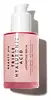
This hydrating serum is formulated around Hydrolyzed Hyaluronic Acid and Acetyl Dipeptide-1 Cetyl Ester to hydrate skin and soften the look of wrinkles.
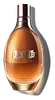
This hydrating toner is formulated around Squalane and Laminaria Digitata Extract to hydrate skin and strengthen the skin barrier.

What's inside
What's inside
 Key Ingredients
Benefits
Concerns
Ingredients Side-by-side
Water
Skin ConditioningMethylpropanediol
SolventDimethylsilanol Hyaluronate
Humectant
Glycerin
Humectant


Butylene Glycol
Humectant
Xylitylglucoside
Humectant
Anhydroxylitol
Humectant
1,2-Hexanediol
Skin Conditioning
Phenoxyethanol
Preservative
Xylitol
Humectant
Prunus Amygdalus Dulcis Seed Extract
Skin ConditioningHydroxyethyl Acrylate/Sodium Acryloyldimethyl Taurate Copolymer
Emulsion StabilisingHydrolyzed Hyaluronic Acid
Humectant
Sorbitan Laurate
Emulsifying

Sodium Hyaluronate
Humectant
Xanthan Gum
EmulsifyingHydroxyethylcellulose
Emulsion StabilisingCaprylyl Glycol
Emollient
Ethylhexylglycerin
Skin ConditioningTetrasodium Glutamate Diacetate
ChelatingAcetyl Dipeptide-1 Cetyl Ester
Skin Conditioning

Alteromonas Ferment Extract
Skin Conditioning
Phenethyl Alcohol
MaskingHyaluronic Acid
Humectant
Silanetriol
Citric Acid
Buffering

Sorbic Acid
Preservative
Glucose
Humectant
Sodium Hydroxide
BufferingChondrus Crispus Extract
Skin Conditioning

Water, Methylpropanediol, Dimethylsilanol Hyaluronate, Glycerin, Butylene Glycol, Xylitylglucoside, Anhydroxylitol, 1,2-Hexanediol, Phenoxyethanol, Xylitol, Prunus Amygdalus Dulcis Seed Extract, Hydroxyethyl Acrylate/Sodium Acryloyldimethyl Taurate Copolymer, Hydrolyzed Hyaluronic Acid, Sorbitan Laurate, Sodium Hyaluronate, Xanthan Gum, Hydroxyethylcellulose, Caprylyl Glycol, Ethylhexylglycerin, Tetrasodium Glutamate Diacetate, Acetyl Dipeptide-1 Cetyl Ester, Alteromonas Ferment Extract, Phenethyl Alcohol, Hyaluronic Acid, Silanetriol, Citric Acid, Sorbic Acid, Glucose, Sodium Hydroxide, Chondrus Crispus Extract
Water
Skin ConditioningDimethicone
Emollient
Methyl Trimethicone
Skin Conditioning
Isododecane
EmollientPhenyl Trimethicone
Skin Conditioning
Polysilicone-11

Squalane
Emollient
Glycerin
Humectant
Glycereth-26
Humectant
Propanediol
Solvent
Algae Extract
Emollient
Sesamum Indicum Seed Oil
Emollient
Medicago Sativa Seed Powder
Skin ConditioningHelianthus Annuus Seedcake
Abrasive
Prunus Amygdalus Dulcis Seed Meal
Abrasive
Eucalyptus Globulus Leaf Oil
Perfuming



Sodium Gluconate
ChelatingCopper Gluconate
Skin Conditioning
Calcium Gluconate
HumectantMagnesium Gluconate
Skin ConditioningZinc Gluconate
Skin Conditioning


Tocopheryl Succinate
Antioxidant
Niacin
SmoothingSesamum Indicum Seed Powder
Skin ConditioningSapindus Mukorossi Fruit Extract
Skin ConditioningLinoleic Acid
Cleansing
Garcinia Mangostana Peel Extract
Skin ConditioningCitrus Aurantifolia Peel Extract
Cleansing
Helichrysum Arenarium Extract
AntiseborrhoeicLaminaria Digitata Extract
Skin Protecting
Vaccinium Macrocarpon Fruit Extract
AstringentVaccinium Angustifolium Fruit Extract
Skin Protecting
Lycium Chinense Fruit Extract
Antioxidant
Whey Protein
Skin ConditioningJania Rubens Extract
Skin Conditioning
Faex Extract
Skin ConditioningCitrus Reticulata Peel Extract
Skin ConditioningCladosiphon Okamuranus Extract
Skin Conditioning
Sucrose
Humectant
Bis-Stearyl Dimethicone
Emollient
Cetyl Dimethicone
Emollient
Persea Gratissima Oil
Skin Conditioning
Caffeine
Skin Conditioning
Chondrus Crispus
Masking
Lactobacillus Ferment
Skin Conditioning
Yeast Polysaccharides
Skin ConditioningSodium Hyaluronate
Humectant
Trehalose
Humectant
Acetyl Hexapeptide-8
Humectant
Caprylic/Capric Triglyceride
Masking
Isononyl Isononanoate
EmollientAcetyl Glucosamine
Skin Conditioning
Phospholipids
Skin Conditioning
Triolein
Skin Conditioning
Phytosteryl Canola Glycerides
Skin Conditioning
Hydrolyzed Wheat Protein
Skin ConditioningCaesalpinia Spinosa Gum
Skin ConditioningTourmaline
PEG-40 Hydrogenated Castor Oil
Emulsifying
Gold
Cosmetic ColorantPEG-75
HumectantButylene Glycol
Humectant
Ethylhexyl Isononanoate
EmollientCaprylyl Glycol
Emollient
Saccharide Isomerate
Humectant
PEG-7m
Emulsion StabilisingDextrin
AbsorbentTocopheryl Acetate
Antioxidant
Tetrahexyldecyl Ascorbate
Antioxidant

Citric Acid
Buffering
Sodium Hydroxide
BufferingMaltodextrin
Absorbent
Hexylene Glycol
EmulsifyingOleic Acid
Emollient
Palmitic Acid
Emollient
Stearic Acid
Cleansing
Polymethylsilsesquioxane
Alcohol Denat.
Antimicrobial

Vinyl Dimethicone/Methicone Silsesquioxane Crosspolymer
Parfum
Masking
Trimethylsiloxysilicate
Emollient
Disodium EDTA
ChelatingBHT
Antioxidant
Sodium Benzoate
Masking
Chlorphenesin
Antimicrobial
Phenoxyethanol
Preservative
Linalool
Perfuming
Citronellol
Perfuming
Geraniol
Perfuming
Hydroxycitronellal
Perfuming
Limonene
Perfuming
CI 14700
Cosmetic ColorantWater, Dimethicone, Methyl Trimethicone, Isododecane, Phenyl Trimethicone, Polysilicone-11, Squalane, Glycerin, Glycereth-26, Propanediol, Algae Extract, Sesamum Indicum Seed Oil, Medicago Sativa Seed Powder, Helianthus Annuus Seedcake, Prunus Amygdalus Dulcis Seed Meal, Eucalyptus Globulus Leaf Oil, Sodium Gluconate, Copper Gluconate, Calcium Gluconate, Magnesium Gluconate, Zinc Gluconate, Tocopheryl Succinate, Niacin, Sesamum Indicum Seed Powder, Sapindus Mukorossi Fruit Extract, Linoleic Acid, Garcinia Mangostana Peel Extract, Citrus Aurantifolia Peel Extract, Helichrysum Arenarium Extract, Laminaria Digitata Extract, Vaccinium Macrocarpon Fruit Extract, Vaccinium Angustifolium Fruit Extract, Lycium Chinense Fruit Extract, Whey Protein, Jania Rubens Extract, Faex Extract, Citrus Reticulata Peel Extract, Cladosiphon Okamuranus Extract, Sucrose, Bis-Stearyl Dimethicone, Cetyl Dimethicone, Persea Gratissima Oil, Caffeine, Chondrus Crispus, Lactobacillus Ferment, Yeast Polysaccharides, Sodium Hyaluronate, Trehalose, Acetyl Hexapeptide-8, Caprylic/Capric Triglyceride, Isononyl Isononanoate, Acetyl Glucosamine, Phospholipids, Triolein, Phytosteryl Canola Glycerides, Hydrolyzed Wheat Protein, Caesalpinia Spinosa Gum, Tourmaline, PEG-40 Hydrogenated Castor Oil, Gold, PEG-75, Butylene Glycol, Ethylhexyl Isononanoate, Caprylyl Glycol, Saccharide Isomerate, PEG-7m, Dextrin, Tocopheryl Acetate, Tetrahexyldecyl Ascorbate, Citric Acid, Sodium Hydroxide, Maltodextrin, Hexylene Glycol, Oleic Acid, Palmitic Acid, Stearic Acid, Polymethylsilsesquioxane, Alcohol Denat., Vinyl Dimethicone/Methicone Silsesquioxane Crosspolymer, Parfum, Trimethylsiloxysilicate, Disodium EDTA, BHT, Sodium Benzoate, Chlorphenesin, Phenoxyethanol, Linalool, Citronellol, Geraniol, Hydroxycitronellal, Limonene, CI 14700
Reviews
Ingredients Explained
These ingredients are found in both products.
Ingredients higher up in an ingredient list are typically present in a larger amount.
Butylene Glycol (or BG) is used within cosmetic products for a few different reasons:
Overall, Butylene Glycol is a safe and well-rounded ingredient that works well with other ingredients.
Though this ingredient works well with most skin types, some people with sensitive skin may experience a reaction such as allergic rashes, closed comedones, or itchiness.
Learn more about Butylene GlycolCaprylyl Glycol is a humectant, skin conditioner, emollient, and preservative booster derived from either caprylic acid or synthetically created.
Typical use levels vary from 0.3-1% as a preservative booster and go up to 2% to condition skin.
Because it is not a free-fatty acid, this ingredient is fungal acne safe (there's nothing for Malassezia to feed on).
Learn more about Caprylyl GlycolCitric Acid is an alpha hydroxy acid (AHA) naturally found in citrus fruits like oranges, lemons, and limes.
Like other AHAs, citric acid can exfoliate skin by breaking down the bonds that hold dead skin cells together. This helps reveal smoother and brighter skin underneath.
However, this exfoliating effect only happens at high concentrations (20%) which can be hard to find in cosmetic products.
Due to this, citric acid is usually included in small amounts as a pH adjuster. This helps keep products slightly more acidic and compatible with skin's natural pH.
In skincare formulas, citric acid can:
While it can provide some skin benefits, research shows lactic acid and glycolic acid are generally more effective and less irritating exfoliants.
Most citric acid used in skincare today is made by fermenting sugars (usually from molasses). This synthetic version is identical to the natural citrus form but easier to stabilize and use in formulations.
Rosacea skin has a lower threshold for acids generally, with 62.5% of rosacea subjects in one study reacting to lactic acid in a sting test. This is why we mark citric acid as a potential rosacea trigger.
However, this ingredient shows up as a pH adjuster or chelator at roughly 0.1-1% in many products. These low levels are unlikely to be an issue for rosacea skin and becomes a potential trigger at exfoliating concentrations (20%). Because everybody's skin is unique, we recommend a patch test if you are unsure.
Learn more about Citric AcidGlycerin (or glycerol) is a compound naturally found in your skin. It's a powerhouse humectant that pulls water into the stratum corneum.
Topically, glycerin does several things at once:
Your skin makes glycerin on its own (mostly from sebaceous oil breakdown) and shuttles it to your outermost layer of skin, or your epidermis, via aquaporin-3.
Aquaporin-3 is a transporter that is essential for normal skin hydration, elasticity, and repair. Interestingly, mice lacking in AQP3 have dry and less elastic skin that can be fully corrected with glycerin.
This ingredient is non-irritating, plays well with almost every ingredient, and works across all skin types. Typical use is anywhere between 3-10% but can go up to 79% in some leave-on products.
Just know very high concentrations (>40%) can feel tacky in low humidity.
Glycerin is the name for this ingredient in American English. British English uses Glycerol/Glycerine.
Learn more about GlycerinPhenoxyethanol is one of the most widely used preservatives in skincare (and for good reason!).
It has a large spectrum of antimicrobial activity and especially effective bacteria, yeast, and mold while only having a weak effect on your skin's natural microbiome.
On a cellular level, it disrupts the cell membranes of microbes by poking holes that make the cell leak. This shuts down the chemical reactions the microbe needs to make energy so it can no longer survive.
Another perk of this ingredient is that it stays functional across a wide pH range (3-10).
You'll often see it paired with boosters like Ethylhexylglycerin; one study showed that a 1:9 ratio of Ethylhexylglycerin to Phenoxyethanol damages bacterial membranes as effectively as doubling the Phenoxyethanol concentration on its own.
Typical use concentrations range from 0.3-1% depending on the formula, and this ingredient is capped at 1% int the EU.
Safety-wise, the fear mongering does not hold up to the evidence. The EU's Scientific Committee on Consumer Safety and FDA consider it safe as a preservative at up to 1%, including for children of all ages.
Adverse systemic effects only showed up in animal studies at exposures roughly 200x higher than what people get from cosmetics. And despite its very widespread use, this ingredient is a rare sensitizer and allergic reactions are uncommon.
Learn more about PhenoxyethanolSodium Hyaluronate is the salt form of hyaluronic acid. It is a long sugar chain that is naturally found in your skin, joints, and connective tissue that maintains hydration and elasticity.
In skincare, it works as a humectant. It pulls water from the environment and deeper layers of skin and binds it to the surface.
Interestingly, the size of the molecule affects its behavior:
Some clinical evidence links low molecular weight versions to improved wrinkle depth, elasticity, anti-inflammatory effects, and barrier repair.
Many serums use a blend of both weights so you can get surface hydration plus longer-lasting and deeper effects.
You'll typically see concentrations between 0.1-2% for this ingredient.
Learn more about Sodium HyaluronateSodium Hydroxide is also known as lye or caustic soda. It is used to adjust the pH of products; many ingredients require a specific pH to be effective.
In small amounts, sodium hydroxide is considered safe to use. However, large amounts may cause chemical burns due to its high alkaline.
Your skin has a natural pH and acid mantle. This acid mantle helps prevent harmful bacteria from breaking through. The acid mantle also helps keep your skin hydrated.
"Alkaline" refers to a high pH level. A low pH level would be considered acidic.
Learn more about Sodium HydroxideWater. It's the most common cosmetic ingredient of all. You'll usually see it at the top of ingredient lists, meaning that it makes up the largest part of the product.
So why is it so popular? Water most often acts as a solvent - this means that it helps dissolve other ingredients into the formulation.
You'll also recognize water as that liquid we all need to stay alive. If you see this, drink a glass of water. Remember to stay hydrated!
Learn more about Water

