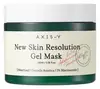
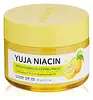
AXIS - Y New Skin Resolution Gel Mask Versus Some By Mi Yuja Niacin 30 Days Miracle Brightening Sleeping Mask
This wash off mask is made with Niacinamide and Centella Asiatica Extract for a rinse-off calming boost.
This brightening overnight mask is formulated around Niacinamide and Arbutin to brighten dull-looking skin and fade the look of dark spots.

What's inside
What's inside
 Key Ingredients
Benefits
Concerns
Ingredients Side-by-side
Water
Skin ConditioningGlycerin
Humectant


Methylpropanediol
SolventBetaine
Humectant
1,2-Hexanediol
Skin Conditioning
Niacinamide
Smoothing








Diglycerin
Humectant
Centella Asiatica Extract
Cleansing
Ficus Carica Fruit Extract
Humectant
Laminaria Japonica Extract
Skin Protecting
Eclipta Prostrata Leaf Extract
Skin ConditioningMelia Azadirachta Leaf Extract
Skin ConditioningMelia Azadirachta Flower Extract
Skin ConditioningTheobroma Cacao Seed Extract
Antioxidant
Artemisia Princeps Extract
Skin Conditioning
Dioscorea Japonica Root Extract
Skin Conditioning
Calendula Officinalis Flower Extract
Masking
Portulaca Oleracea Extract
Skin Conditioning
Houttuynia Cordata Extract
Skin Conditioning
Spiraea Ulmaria Extract
AstringentHydrogenated Lecithin
Emulsifying
Lavandula Angustifolia Oil
Masking



Citrus Paradisi Peel Oil
Masking

Rosmarinus Officinalis Leaf Oil
Masking
Helianthus Annuus Seed Oil
Emollient

Anthemis Nobilis Flower Oil
Masking
Aniba Rosodora Wood Oil
Astringent
Polyglyceryl-10 Laurate
Skin Conditioning
Tromethamine
BufferingCarbomer
Emulsion StabilisingPanthenol
Skin Conditioning
Houttuynia Cordata Powder
Skin ConditioningGlyceryl Polymethacrylate
Allantoin
Skin Conditioning
Glyceryl Polyacrylate
Disodium EDTA
Fructooligosaccharides
Humectant
Dextrin
AbsorbentBeta-Glucan
Skin Conditioning
Ceramide NP
Skin Conditioning
Hydrolyzed Hyaluronic Acid
Humectant
Madecassoside
Antioxidant
Propanediol
Solvent
Butylene Glycol
Humectant
Ethylhexylglycerin
Skin ConditioningWater, Glycerin, Methylpropanediol, Betaine, 1,2-Hexanediol, Niacinamide, Diglycerin, Centella Asiatica Extract, Ficus Carica Fruit Extract, Laminaria Japonica Extract, Eclipta Prostrata Leaf Extract, Melia Azadirachta Leaf Extract, Melia Azadirachta Flower Extract, Theobroma Cacao Seed Extract, Artemisia Princeps Extract, Dioscorea Japonica Root Extract, Calendula Officinalis Flower Extract, Portulaca Oleracea Extract, Houttuynia Cordata Extract, Spiraea Ulmaria Extract, Hydrogenated Lecithin, Lavandula Angustifolia Oil, Citrus Paradisi Peel Oil, Rosmarinus Officinalis Leaf Oil, Helianthus Annuus Seed Oil, Anthemis Nobilis Flower Oil, Aniba Rosodora Wood Oil, Polyglyceryl-10 Laurate, Tromethamine, Carbomer, Panthenol, Houttuynia Cordata Powder, Glyceryl Polymethacrylate, Allantoin, Glyceryl Polyacrylate, Disodium EDTA, Fructooligosaccharides, Dextrin, Beta-Glucan, Ceramide NP, Hydrolyzed Hyaluronic Acid, Madecassoside, Propanediol, Butylene Glycol, Ethylhexylglycerin
Citrus Junos Fruit Extract 70.5%
Skin ConditioningWater
Skin ConditioningButylene Glycol
Humectant
Niacinamide 5%
Smoothing
Glycerin
Humectant
Panthenol
Skin Conditioning
1,2-Hexanediol
Skin Conditioning
Simmondsia Chinensis Seed Oil
Emollient
Thuja Orientalis Leaf Extract
Antioxidant
Zanthoxylum Piperitum Fruit Extract
Skin ConditioningPolygonum Cuspidatum Root Extract
Antioxidant
Mentha Piperita Leaf Extract
Skin Conditioning
Mentha Aquatica Leaf Extract
Skin ConditioningMentha Rotundifolia Leaf Extract
TonicNelumbo Nucifera Flower Extract
Skin ConditioningHippophae Rhamnoides Fruit Extract
Skin Conditioning
Arbutin
Antioxidant
Glutathione
Ascorbic Acid
Antioxidant
Ascorbyl Glucoside
Antioxidant
Biotin
AntiseborrhoeicTocopherol
Antioxidant
Cyanocobalamin
Skin ConditioningBisabolol
Antioxidant
Ascorbyl Tetraisopalmitate
Antioxidant
Menadione
MaskingArginine
Masking
Trehalose
Humectant
Madecassoside
Antioxidant
Adenosine
Skin Conditioning
Diphenylsiloxy Phenyl Trimethicone
Skin Conditioning
Caprylyl Methicone
Skin Conditioning
Inulin Lauryl Carbamate
Emulsion StabilisingBehenyl Alcohol
Emollient
Sorbitan Oleate
Emulsifying
Sorbitan Isostearate
Emulsifying
Caprylyl/Capryl Glucoside
Cleansing
Polyisobutene
Xanthan Gum
EmulsifyingCarbomer
Emulsion StabilisingAcrylates/C10-30 Alkyl Acrylate Crosspolymer
Emulsion StabilisingSodium Acrylate/Sodium Acryloyldimethyl Taurate Copolymer
Emulsion StabilisingDimethicone/Phenyl Vinyl Dimethicone Crosspolymer
Benzyl Glycol
SolventEthylhexylglycerin
Skin Conditioning
Raspberry Ketone
Masking
Disodium EDTA
Citrus Junos Peel Oil
Astringent
Linalool
Perfuming
Limonene
Perfuming
Citrus Junos Fruit Extract 70.5%, Water, Butylene Glycol, Niacinamide 5%, Glycerin, Panthenol, 1,2-Hexanediol, Simmondsia Chinensis Seed Oil, Thuja Orientalis Leaf Extract, Zanthoxylum Piperitum Fruit Extract, Polygonum Cuspidatum Root Extract, Mentha Piperita Leaf Extract, Mentha Aquatica Leaf Extract, Mentha Rotundifolia Leaf Extract, Nelumbo Nucifera Flower Extract, Hippophae Rhamnoides Fruit Extract, Arbutin, Glutathione, Ascorbic Acid, Ascorbyl Glucoside, Biotin, Tocopherol, Cyanocobalamin, Bisabolol, Ascorbyl Tetraisopalmitate, Menadione, Arginine, Trehalose, Madecassoside, Adenosine, Diphenylsiloxy Phenyl Trimethicone, Caprylyl Methicone, Inulin Lauryl Carbamate, Behenyl Alcohol, Sorbitan Oleate, Sorbitan Isostearate, Caprylyl/Capryl Glucoside, Polyisobutene, Xanthan Gum, Carbomer, Acrylates/C10-30 Alkyl Acrylate Crosspolymer, Sodium Acrylate/Sodium Acryloyldimethyl Taurate Copolymer, Dimethicone/Phenyl Vinyl Dimethicone Crosspolymer, Benzyl Glycol, Ethylhexylglycerin, Raspberry Ketone, Disodium EDTA, Citrus Junos Peel Oil, Linalool, Limonene
Reviews
Ingredients Explained
These ingredients are found in both products.
Ingredients higher up in an ingredient list are typically present in a larger amount.
1,2-Hexanediol is a synthetic liquid and another multi-functional powerhouse.
It is a:
- Humectant, drawing moisture into the skin
- Emollient, helping to soften skin
- Solvent, dispersing and stabilizing formulas
- Preservative booster, enhancing the antimicrobial activity of other preservatives
Butylene Glycol (or BG) is used within cosmetic products for a few different reasons:
Overall, Butylene Glycol is a safe and well-rounded ingredient that works well with other ingredients.
Though this ingredient works well with most skin types, some people with sensitive skin may experience a reaction such as allergic rashes, closed comedones, or itchiness.
Learn more about Butylene GlycolCarbomer is a synthetic thickening and gelling agent. It's basically the ingredient that gives a lot of serums, gels, creams, and sunscreens their smooth, non-sticky texture.
Although legally permitted at very high levels, carbomers are normally used at concentrations below 1%.
It also needs to be neutralized to actually thicken, and because it is a large molecule, it doesn't really penetrate the skin barrier.
Allergy-wise, the risk is very low. Clinical studies show carbomers have low potential for skin irritation/sensitization even at concentrations up to 100%.
A 2024 UK study patch-tested 1,302 patients and found true allergy to the parent group of carbomer to be rare with no confirmed relevant reactions.
Learn more about CarbomerDisodium EDTA is a chelating agent. It grabs onto and deactivates metal ions that sneak into your products from water, packaging, or air.
This ingredient mainly works behind the scenes and helps with:
On top of that, this ingredient can counteract the effects of hard water by binding to the minerals in it.
One thing worth knowing is that Disodium EDTA has been shown to be a mild penetration enhancer. It can help other ingredients absorb into skin more effectively which can be a double-edged sword (great for actives, but can also make the active too strong if you have sensitive skin).
Clinical patch testing showed no significant skin irritation at typical use concentrations and minimal dermal absorption.
You'll most likely see this ingredient near the end of an ingredient list. It's typically found in concentrations less than 1%.
Learn more about Disodium EDTAEthylhexylglycerin is created from glycerin. It is a multitasker ingredient that:
The CIR Expert Panel found minimal skin absorption or sensitization of any kind in a safety assessment. Though this ingredient is considered well-tolerated, a small number of cases of allergic dermatitis have been published since 2002. Just be sure to patch test if you are unsure.
Industry-reported use ranges from 8% in rinse-off products and 2% in leave-on formulations.
Learn more about EthylhexylglycerinGlycerin (or glycerol) is a compound naturally found in your skin. It's a powerhouse humectant that pulls water into the stratum corneum.
Topically, glycerin does several things at once:
Your skin makes glycerin on its own (mostly from sebaceous oil breakdown) and shuttles it to your outermost layer of skin, or your epidermis, via aquaporin-3.
Aquaporin-3 is a transporter that is essential for normal skin hydration, elasticity, and repair. Interestingly, mice lacking in AQP3 have dry and less elastic skin that can be fully corrected with glycerin.
This ingredient is non-irritating, plays well with almost every ingredient, and works across all skin types. Typical use is anywhere between 3-10% but can go up to 79% in some leave-on products.
Just know very high concentrations (>40%) can feel tacky in low humidity.
Glycerin is the name for this ingredient in American English. British English uses Glycerol/Glycerine.
Learn more about GlycerinMadecassoside is one of four active compounds found in Centella asiatica and is one of the main reasons Centella is so effective at calming irritated skin and supporting the moisture barrier.
There's a solid body of peer-reviewed research backing Madecassoside for several skin benefits. Studies have found:
Madecassoside pairs well with other hydrating or antioxidant ingredients like Ascorbic Acid or Hyaluronic Acid.
Learn more about MadecassosideNiacinamide is a multitasking form of vitamin B3 that strengthens the skin barrier, reduces pores and dark spots, regulates oil, and improves signs of aging.
And the best part? It's gentle and well-tolerated by most skin types, including sensitive and reactive skin.
You might have heard of "niacin flush", or the reddening of skin that causes itchiness. Niacinamide has not been found to cause this.
In very rare cases, some individuals may not be able to tolerate niacinamide at all or experience an allergic reaction to it.
If you are experiencing flaking, irritation, and dryness with this ingredient, be sure to double check all your products as this ingredient can be found in all categories of skincare.
When incorporating niacinamide into your routine, look out for concentration amounts. Typically, 5% niacinamide provides benefits such as fading dark spots. However, if you have sensitive skin, it is better to begin with a smaller concentration.
When you apply niacinamide to your skin, your body converts it into nicotinamide adenine dinucleotide (NAD). NAD is an essential coenzyme that is already found in your cells as "fuel" and powers countless biological processes.
In your skin, NAD helps repair cell damage, produce new healthy cells, support collagen production, strengthen the skin barrier, and fight environmental stressors (like UV and pollution).
Our natural NAD levels start to decline with age, leading to slower skin repair, visible aging, and a weaker skin barrier. By providing your skin niacinamide, you're recharging your skin's NAD levels. This leads to stronger, healthier, and younger looking skin.
Another name for vitamin B3 is nicotinamide. This vitamin is water-soluble and our bodies don't store it. We obtain Vitamin B3 from either food or skincare. Meat, fish, wheat, yeast, and leafy greens contain vitamin B3.
The type of niacinamide used in skincare is synthetically created.
Learn more about NiacinamidePanthenol is a common ingredient that helps hydrate and soothe the skin. It is found naturally in our skin and hair.
There are two forms of panthenol: D and L.
D-panthenol is also known as dexpanthenol. Most cosmetics use dexpanthenol or a mixture of D and L-panthenol.
Panthenol is famous due to its ability to go deeper into the skin's layers. Using this ingredient has numerous pros (and no cons):
Like hyaluronic acid, panthenol is a humectant. Humectants are able to bind and hold large amounts of water to keep skin hydrated.
This ingredient works well for wound healing. It works by increasing tissue in the wound and helps close open wounds.
Once oxidized, panthenol converts to pantothenic acid. Panthothenic acid is found in all living cells.
This ingredient is also referred to as pro-vitamin B5.
Learn more about PanthenolWater. It's the most common cosmetic ingredient of all. You'll usually see it at the top of ingredient lists, meaning that it makes up the largest part of the product.
So why is it so popular? Water most often acts as a solvent - this means that it helps dissolve other ingredients into the formulation.
You'll also recognize water as that liquid we all need to stay alive. If you see this, drink a glass of water. Remember to stay hydrated!
Learn more about Water

