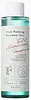
This acne toner is formulated around Centella Asiatica Extract and Gluconolactone to clear breakouts and refine skin texture.
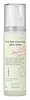
This brightening toner is formulated around Niacinamide and Glutathione to fade the look of dark spots and brighten dull-looking skin.

What's inside
What's inside
 Key Ingredients
Benefits
Concerns
Ingredients Side-by-side
Water
Skin ConditioningCentella Asiatica Extract
Cleansing





Aloe Barbadensis Leaf Water
MaskingPropanediol
Solvent
Butylene Glycol
Humectant
Sodium Hyaluronate
Humectant
Hieracium Umbellatum Extract
Skin ConditioningGluconolactone
Chelating




Melaleuca Alternifolia Leaf Extract
Perfuming
Glycolic Acid
Buffering




Betaine
Humectant
Salvia Officinalis Leaf Extract
CleansingHouttuynia Cordata Extract
Skin Conditioning
Ethylhexylglycerin
Skin ConditioningAloe Barbadensis Leaf Extract
Emollient
Dioscorea Japonica Root Extract
Skin Conditioning
Laminaria Japonica Extract
Skin Protecting
Glycerin
Humectant
1,2-Hexanediol
Skin Conditioning
Salicylic Acid
Masking



Sodium Citrate
BufferingIllicium Verum Fruit Extract
Perfuming
Citrus Paradisi Fruit Extract
Skin ConditioningNelumbium Speciosum Flower Extract
Skin ConditioningPaeonia Suffruticosa Root Extract
Skin ProtectingScutellaria Baicalensis Root Extract
Astringent
Arginine
Masking
Saccharum Officinarum Extract
MoisturisingRheum Palmatum Root Extract
Astringent
Artemisia Princeps Extract
Skin Conditioning
Panax Ginseng Root Extract
Emollient
Chlorphenesin
Antimicrobial
PEG-60 Hydrogenated Castor Oil
Emulsifying

Carbomer
Emulsion StabilisingDimethyl Sulfone
SolventLavandula Angustifolia Oil
Masking

Linalool
Perfuming
Melaleuca Alternifolia Leaf Oil
Antioxidant
Water, Centella Asiatica Extract, Aloe Barbadensis Leaf Water, Propanediol, Butylene Glycol, Sodium Hyaluronate, Hieracium Umbellatum Extract, Gluconolactone, Melaleuca Alternifolia Leaf Extract, Glycolic Acid, Betaine, Salvia Officinalis Leaf Extract, Houttuynia Cordata Extract, Ethylhexylglycerin, Aloe Barbadensis Leaf Extract, Dioscorea Japonica Root Extract, Laminaria Japonica Extract, Glycerin, 1,2-Hexanediol, Salicylic Acid, Sodium Citrate, Illicium Verum Fruit Extract, Citrus Paradisi Fruit Extract, Nelumbium Speciosum Flower Extract, Paeonia Suffruticosa Root Extract, Scutellaria Baicalensis Root Extract, Arginine, Saccharum Officinarum Extract, Rheum Palmatum Root Extract, Artemisia Princeps Extract, Panax Ginseng Root Extract, Chlorphenesin, PEG-60 Hydrogenated Castor Oil, Carbomer, Dimethyl Sulfone, Lavandula Angustifolia Oil, Linalool, Melaleuca Alternifolia Leaf Oil
Water
Skin ConditioningButylene Glycol
Humectant
Niacinamide
Smoothing
Ethylhexyl Stearate
Emollient

Caprylic/Capric Triglyceride
Masking
Cetyl Ethylhexanoate
EmollientGlutathione
Sodium Ascorbyl Phosphate
Antioxidant
Salix Alba Bark Extract
Astringent
Adenosine
Skin Conditioning
Sodium Hyaluronate
Humectant
Hydroxypropyltrimonium Hyaluronate
Sodium Acetylated Hyaluronate
Humectant
Hydrolyzed Hyaluronic Acid
Humectant
Hyaluronic Acid
Humectant
Sodium Hyaluronate Crosspolymer
Humectant
Hydrolyzed Sodium Hyaluronate
Skin Conditioning
Potassium Hyaluronate
Skin ConditioningPanthenol
Skin Conditioning
Squalane
Emollient
Glycerin
Humectant
Allantoin
Skin Conditioning
Cyanocobalamin
Skin ConditioningTerminalia Ferdinandiana Fruit Extract
Antioxidant
Hippophae Rhamnoides Fruit Extract
Skin Conditioning
Malpighia Glabra Fruit Extract
Skin ConditioningBrassica Oleracea Italica Extract
AstringentMorus Alba Root Extract
BleachingPhaseolus Radiatus Seed Extract
Skin ConditioningCanavalia Gladiata Seed Extract
Skin ConditioningGlycine Soja Seed Extract
Skin Conditioning
Lens Esculenta Seed Extract
Skin ProtectingCeratonia Siliqua Seed Extract
Skin ConditioningCentella Asiatica Leaf Extract
Skin Conditioning
Ceramide NP
Skin Conditioning
Acetyl Octapeptide-3
Humectant
Dipeptide-1
Skin Conditioning
Tripeptide-2
Skin Conditioning
Palmitoyl Dipeptide-7
Skin Conditioning
Dipeptide-4
Skin Conditioning
Sorbitan Stearate
Emulsifying
Cetearyl Alcohol
Emollient
1,2-Hexanediol
Skin Conditioning
Stearic Acid
Cleansing
Polysorbate 60
Emulsifying
Ethylhexylglycerin
Skin ConditioningHydrogenated Olive Oil Unsaponifiables
Emollient
Disodium EDTA
ChelatingHydroxypropyl Cyclodextrin
MaskingPueraria Lobata Root Extract
HumectantLactobacillus Ferment Lysate
Skin Conditioning
Chlorphenesin
Antimicrobial
Maltodextrin
Absorbent
Melia Azadirachta Flower Extract
Skin ConditioningOcimum Sanctum Leaf Extract
Skin ConditioningMelia Azadirachta Leaf Extract
Skin ConditioningArginine
Masking
Phytosterols
Skin Conditioning
Carbomer
Emulsion StabilisingCurcuma Longa Root Extract
Antioxidant
Corallina Officinalis Extract
Skin Conditioning
Caprylyl Glycol
Emollient
Sodium Citrate
BufferingPolyglyceryl-10 Laurate
Skin Conditioning
Citric Acid
Buffering
Water, Butylene Glycol, Niacinamide, Ethylhexyl Stearate, Caprylic/Capric Triglyceride, Cetyl Ethylhexanoate, Glutathione, Sodium Ascorbyl Phosphate, Salix Alba Bark Extract, Adenosine, Sodium Hyaluronate, Hydroxypropyltrimonium Hyaluronate, Sodium Acetylated Hyaluronate, Hydrolyzed Hyaluronic Acid, Hyaluronic Acid, Sodium Hyaluronate Crosspolymer, Hydrolyzed Sodium Hyaluronate, Potassium Hyaluronate, Panthenol, Squalane, Glycerin, Allantoin, Cyanocobalamin, Terminalia Ferdinandiana Fruit Extract, Hippophae Rhamnoides Fruit Extract, Malpighia Glabra Fruit Extract, Brassica Oleracea Italica Extract, Morus Alba Root Extract, Phaseolus Radiatus Seed Extract, Canavalia Gladiata Seed Extract, Glycine Soja Seed Extract, Lens Esculenta Seed Extract, Ceratonia Siliqua Seed Extract, Centella Asiatica Leaf Extract, Ceramide NP, Acetyl Octapeptide-3, Dipeptide-1, Tripeptide-2, Palmitoyl Dipeptide-7, Dipeptide-4, Sorbitan Stearate, Cetearyl Alcohol, 1,2-Hexanediol, Stearic Acid, Polysorbate 60, Ethylhexylglycerin, Hydrogenated Olive Oil Unsaponifiables, Disodium EDTA, Hydroxypropyl Cyclodextrin, Pueraria Lobata Root Extract, Lactobacillus Ferment Lysate, Chlorphenesin, Maltodextrin, Melia Azadirachta Flower Extract, Ocimum Sanctum Leaf Extract, Melia Azadirachta Leaf Extract, Arginine, Phytosterols, Carbomer, Curcuma Longa Root Extract, Corallina Officinalis Extract, Caprylyl Glycol, Sodium Citrate, Polyglyceryl-10 Laurate, Citric Acid
Reviews
Ingredients Explained
These ingredients are found in both products.
Ingredients higher up in an ingredient list are typically present in a larger amount.
1,2-Hexanediol is a synthetic liquid and another multi-functional powerhouse.
It is a:
- Humectant, drawing moisture into the skin
- Emollient, helping to soften skin
- Solvent, dispersing and stabilizing formulas
- Preservative booster, enhancing the antimicrobial activity of other preservatives
Arginine is a semi-essential amino acid. This just means our bodies can product a bit on its own, but sometimes needs a little boost from food sources.
It is a part of your skin's natural moisturizing factor (NMF), or the water-loving molecules in your outermost layer of skin (stratum corneum) that keeps everything hydrated and happy.
Here's an interesting thing about Arginine: your skin converts it into urea through the Krebs-Henseleit urea cycle. Urea is one of the most effective humectants your skin naturally produces.
A clinical study showed applying 2.5% arginine hydrochloride to atopic dermatitis skin showed significant urea levels in the stratum corneum and improved moisture in just four weeks.
Arginine is also a precursor to nitric oxide; nitric oxide improves microcirculation and supports wound healing and collagen synthesis.
One study found that an amino acid complex containing Arginine reduced skin irritation, improved hydration, and accelerated skin repair in clinical / in-vivo studies.
Arginine itself is an amino acid and not a fatty acid, oil, or ester. On its own, it's not a direct food source for Malassezia, or the yeast that causes fungal acne.
Learn more about ArginineButylene Glycol (or BG) is used within cosmetic products for a few different reasons:
Overall, Butylene Glycol is a safe and well-rounded ingredient that works well with other ingredients.
Though this ingredient works well with most skin types, some people with sensitive skin may experience a reaction such as allergic rashes, closed comedones, or itchiness.
Learn more about Butylene GlycolCarbomer is a synthetic thickening and gelling agent. It's basically the ingredient that gives a lot of serums, gels, creams, and sunscreens their smooth, non-sticky texture.
Although legally permitted at very high levels, carbomers are normally used at concentrations below 1%.
It also needs to be neutralized to actually thicken, and because it is a large molecule, it doesn't really penetrate the skin barrier.
Allergy-wise, the risk is very low. Clinical studies show carbomers have low potential for skin irritation/sensitization even at concentrations up to 100%.
A 2024 UK study patch-tested 1,302 patients and found true allergy to the parent group of carbomer to be rare with no confirmed relevant reactions.
Learn more about CarbomerChlorphenesin is a synthetic preservative. It helps protect a product against bacteria in order to extend shelf life. In most cases, Chlorphenesin is paired with other preservatives such as phenoxyethanol and caprylyl glycol.
Chlorphenesin is a biocide. This means it is able to help fight the microorganisms on our skin. It is also able to fight odor-releasing bacteria.
Chlorphenesin is soluble in both water and glycerin.
Studies show Chlorphenesin is easily absorbed by our skin. You should speak with a skincare professional if you have concerns about using Chlorphenesin.
Learn more about ChlorphenesinEthylhexylglycerin is created from glycerin. It is a multitasker ingredient that:
The CIR Expert Panel found minimal skin absorption or sensitization of any kind in a safety assessment. Though this ingredient is considered well-tolerated, a small number of cases of allergic dermatitis have been published since 2002. Just be sure to patch test if you are unsure.
Industry-reported use ranges from 8% in rinse-off products and 2% in leave-on formulations.
Learn more about EthylhexylglycerinGlycerin (or glycerol) is a compound naturally found in your skin. It's a powerhouse humectant that pulls water into the stratum corneum.
Topically, glycerin does several things at once:
Your skin makes glycerin on its own (mostly from sebaceous oil breakdown) and shuttles it to your outermost layer of skin, or your epidermis, via aquaporin-3.
Aquaporin-3 is a transporter that is essential for normal skin hydration, elasticity, and repair. Interestingly, mice lacking in AQP3 have dry and less elastic skin that can be fully corrected with glycerin.
This ingredient is non-irritating, plays well with almost every ingredient, and works across all skin types. Typical use is anywhere between 3-10% but can go up to 79% in some leave-on products.
Just know very high concentrations (>40%) can feel tacky in low humidity.
Glycerin is the name for this ingredient in American English. British English uses Glycerol/Glycerine.
Learn more about GlycerinSodium Citrate is the sodium salts of citric acid. In skincare, it is used to alter pH levels and acts as a preservative.
Its main functions are to maintain the pH of a product and neutralize metal ions.
The acidity of our skin is maintained by our glands and skin biome; normal pH level of skin is slightly acidic (~4.75-5.5).
Being slightly acidic allows our skin to create an "acid mantle". This acid mantle is a thin barrier that protects our skin from bacteria and contaminants.
Learn more about Sodium CitrateSodium Hyaluronate is the salt form of hyaluronic acid. It is a long sugar chain that is naturally found in your skin, joints, and connective tissue that maintains hydration and elasticity.
In skincare, it works as a humectant. It pulls water from the environment and deeper layers of skin and binds it to the surface.
Interestingly, the size of the molecule affects its behavior:
Some clinical evidence links low molecular weight versions to improved wrinkle depth, elasticity, anti-inflammatory effects, and barrier repair.
Many serums use a blend of both weights so you can get surface hydration plus longer-lasting and deeper effects.
You'll typically see concentrations between 0.1-2% for this ingredient.
Learn more about Sodium HyaluronateWater. It's the most common cosmetic ingredient of all. You'll usually see it at the top of ingredient lists, meaning that it makes up the largest part of the product.
So why is it so popular? Water most often acts as a solvent - this means that it helps dissolve other ingredients into the formulation.
You'll also recognize water as that liquid we all need to stay alive. If you see this, drink a glass of water. Remember to stay hydrated!
Learn more about Water

