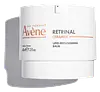
This barrier-repair moisturizer is formulated around Niacinamide and Bakuchiol to strengthen the skin barrier and soften the look of wrinkles.
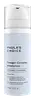
This barrier-repair moisturizer is formulated around Butyrospermum Parkii Butter and Linoleic Acid to strengthen the skin barrier and hydrate skin.


What's inside
What's inside
 Key Ingredients
Benefits
Concerns
Ingredients Side-by-side
Water
Skin ConditioningCaprylic/Capric Triglyceride
Masking


Glycerin
Humectant
Carthamus Tinctorius Seed Oil
Masking


Butyrospermum Parkii Butter
Skin Conditioning


Behenyl Alcohol
Emollient
Niacinamide
Smoothing









Cetearyl Alcohol
Emollient
Arachidyl Alcohol
Emollient
Glyceryl Stearate
Emollient
Glyceryl Linoleate
Emollient
Bakuchiol
Antimicrobial

Arachidyl Glucoside
EmulsifyingCaprylyl Glycol
Emollient
Ceramide Ng
Skin Conditioning
Cetearyl Glucoside
Emulsifying
Citric Acid
Buffering
Diutan Gum
Glyceryl Linolenate
Emollient
Glyceryl Oleate
Emollient

Glyceryl Palmitate
EmollientGlycine Soja Oil
Emollient
Helianthus Annuus Seed Oil
Emollient
Olea Europaea Fruit Oil
Masking
Phytosterols
Skin Conditioning
Ricinus Communis Seed Oil
Masking
Sodium Benzoate
Masking
Tocopherol
Antioxidant
Water, Caprylic/Capric Triglyceride, Glycerin, Carthamus Tinctorius Seed Oil, Butyrospermum Parkii Butter, Behenyl Alcohol, Niacinamide, Cetearyl Alcohol, Arachidyl Alcohol, Glyceryl Stearate, Glyceryl Linoleate, Bakuchiol, Arachidyl Glucoside, Caprylyl Glycol, Ceramide Ng, Cetearyl Glucoside, Citric Acid, Diutan Gum, Glyceryl Linolenate, Glyceryl Oleate, Glyceryl Palmitate, Glycine Soja Oil, Helianthus Annuus Seed Oil, Olea Europaea Fruit Oil, Phytosterols, Ricinus Communis Seed Oil, Sodium Benzoate, Tocopherol
Water
Skin ConditioningButyrospermum Parkii Butter
Skin Conditioning
Ceteareth-6 Olivate
EmulsifyingButylene Glycol
Humectant
C13-15 Alkane
SolventGlycerin
Humectant
Glyceryl Stearate
Emollient
Polyglyceryl-4 Laurate
Emulsifying
Decyl Oleate
Emollient
Linum Usitatissimum Seed Oil
Perfuming
Salvia Hispanica Seed Oil
Emollient
Olea Europaea Fruit Oil
Masking
Passiflora Edulis Seed Oil
Emollient
Borago Officinalis Seed Oil
Emollient
Hydrogenated Olive Oil
Skin Conditioning
Psidium Guajava Fruit Extract
AstringentOlea Europaea Oil Unsaponifiables
Skin Conditioning
Limnanthes Alba Seed Oil
Skin Conditioning
Linoleic Acid
Cleansing
Linolenic Acid
Cleansing
Oleic Acid
Emollient
Euterpe Oleracea Sterols
Skin ConditioningCeramide AP
Skin Conditioning
Ceramide EOP
Skin Conditioning
Ceramide NP
Skin Conditioning
Serine
Masking
Alanine
Masking
Glycine
Buffering
Proline
Skin Conditioning
Lysine Hcl
Skin Conditioning
Threonine
Arginine
Masking
Squalane
Emollient
Cholesterol
Emollient
Phytosphingosine
Skin Conditioning
Anastatica Hierochuntica Extract
AstringentLecithin
Emollient
Sodium Hyaluronate
Humectant
Sodium Lactate
Buffering
Boerhavia Diffusa Root Extract
Skin Protecting
Adenosine
Skin Conditioning
Phytic Acid
Chelating
Glutamic Acid
Humectant
Betaine
Humectant
Pullulan
PCA
Humectant
Sodium PCA
Humectant
Carbomer
Emulsion StabilisingSodium Polyacrylate Starch
AbsorbentSclerotium Gum
Emulsion StabilisingXanthan Gum
EmulsifyingSodium Lauroyl Lactylate
EmulsifyingPhenoxyethanol
Preservative
Ethylhexylglycerin
Skin ConditioningWater, Butyrospermum Parkii Butter, Ceteareth-6 Olivate, Butylene Glycol, C13-15 Alkane, Glycerin, Glyceryl Stearate, Polyglyceryl-4 Laurate, Decyl Oleate, Linum Usitatissimum Seed Oil, Salvia Hispanica Seed Oil, Olea Europaea Fruit Oil, Passiflora Edulis Seed Oil, Borago Officinalis Seed Oil, Hydrogenated Olive Oil, Psidium Guajava Fruit Extract, Olea Europaea Oil Unsaponifiables, Limnanthes Alba Seed Oil, Linoleic Acid, Linolenic Acid, Oleic Acid, Euterpe Oleracea Sterols, Ceramide AP, Ceramide EOP, Ceramide NP, Serine, Alanine, Glycine, Proline, Lysine Hcl, Threonine, Arginine, Squalane, Cholesterol, Phytosphingosine, Anastatica Hierochuntica Extract, Lecithin, Sodium Hyaluronate, Sodium Lactate, Boerhavia Diffusa Root Extract, Adenosine, Phytic Acid, Glutamic Acid, Betaine, Pullulan, PCA, Sodium PCA, Carbomer, Sodium Polyacrylate Starch, Sclerotium Gum, Xanthan Gum, Sodium Lauroyl Lactylate, Phenoxyethanol, Ethylhexylglycerin
Reviews
Ingredients Explained
These ingredients are found in both products.
Ingredients higher up in an ingredient list are typically present in a larger amount.
This ingredient is also known as shea butter. It is a plant-derived extract from the nuts of the Africa shea tree and one of the most well-studied emollients.
Because it has a high concentration of fatty acids (primarily oleic, stearic, and linoleic) it is able to form a protective barrier on the skin's surface. This helps seal in moisture and prevents transepidermal water loss (TEWL).
In vitro research found an increase in skin hydration by 58% and a decrease in TEWL by 37.8% after 24 hours of applying this ingredient (pretty impressive for a single ingredient!).
Besides hydration, shea butter also contains triterpenes that have anti-inflammatory potential. In particule, lupeol cinnamate has shown the highest anti-inflammatory activity in vivo.
Shea butter also contains vitamins A and E which may contribute to antioxidant activity.
While Shea Butter has an SPF rating of about 3-4, it is not a sunscreen replacement.
This ingredient may not be fungal acne safe because its fatty acids fall within the C11-C24 range that the Malassezia yeast can metabolize.
This ingredient shows up on a lot of "pore-clogging" lists but there's no real evidence behind that. It doesn't even have a comedogenic rating from an actual study; the numbers you'll find online come from blogs citing other blogs.
Ratings for other ingredients mostly come from a 1980s rabbit ear test. This test doesn't translate well to human skin or to real products because the ingredient sits at a much lower percentage.
Some people still find it breaks them out. So if that's you, definitely trust your skin. Just know this one's based on experience and not evidence.
Learn more about Butyrospermum Parkii ButterGlycerin (or glycerol) is a compound naturally found in your skin. It's a powerhouse humectant that pulls water into the stratum corneum.
Topically, glycerin does several things at once:
Your skin makes glycerin on its own (mostly from sebaceous oil breakdown) and shuttles it to your outermost layer of skin, or your epidermis, via aquaporin-3.
Aquaporin-3 is a transporter that is essential for normal skin hydration, elasticity, and repair. Interestingly, mice lacking in AQP3 have dry and less elastic skin that can be fully corrected with glycerin.
This ingredient is non-irritating, plays well with almost every ingredient, and works across all skin types. Typical use is anywhere between 3-10% but can go up to 79% in some leave-on products.
Just know very high concentrations (>40%) can feel tacky in low humidity.
Glycerin is the name for this ingredient in American English. British English uses Glycerol/Glycerine.
Learn more about GlycerinGlyceryl Stearate is made by reacting glycerin with stearic acid (typically sourced from plant oils like palm or coconut). It's an emulsifier, emollient, and mild occlusive.
Emulsifiers help ingredients like oil and water stay mixed so your formula stays nicely blended and uniform in texture.
This ingredient is typically used in concentrations between 1-10%. Studies have found it to be non-sensitizing, non-phototoxic, and non-photoallergenic.
A close cousin of this ingredient is Glyceryl Stearate SE ("self-emulsifying"). This just has a small amount of sodium or potassium stearate added so it can emulsify without a co-emulsifier.
Since this ingredient is an ester of a C18 fatty acid, it may not be fungal acne safe. The Malassezia yeast can potentially metabolize within the C11-C24 range.
Fun fact: The human body also creates Glyceryl Stearate naturally.
Learn more about Glyceryl StearateThis ingredient is also known as olive oil. It has been used in skincare for centuries and science largely backs up its reputation as a nourishing emollient.
The main components of olive oil are oleic acid (55-83%), linoleic acid (3.5-20%), and palmitic acid (7-20%). Oleic acid promotes skin regeneration and helps regulate inflammatory responses.
Squalene is also naturally present in olive oil and exhibits moisturizing and antioxidant properties.
The polyphenols in olive oil also show anti-aging promise; one clinical study found a measurable improvement in skin appearance after 30 days of topical serum use.
Just be aware that applying olive oil directly to skin can weaken the barrier and cause redness. One study with volunteers found even people without sensitive skin experienced a significant reduction in stratum corneum integrity and induced mild erythema.
It's best to use this ingredient as part of a carefully crafted formula (instead of putting it on skin directly from the bottle).
Because it has a 0-2 on the comedogenic scale, it is low risk for acne-prone skin. Just remember the overall formulation of a product matters more than a few ingredients with comedogenic ratings.
This ingredient may not be fungal acne safe because of the oleic and palmitic acid content. These fall within the C11-24 fatty acid range that the Malassezia yeast can metabolize to grow.
Overall, olive oil is a well-studied and nourishing skincare ingredient.
Learn more about Olea Europaea Fruit OilWater. It's the most common cosmetic ingredient of all. You'll usually see it at the top of ingredient lists, meaning that it makes up the largest part of the product.
So why is it so popular? Water most often acts as a solvent - this means that it helps dissolve other ingredients into the formulation.
You'll also recognize water as that liquid we all need to stay alive. If you see this, drink a glass of water. Remember to stay hydrated!
Learn more about Water

