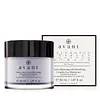
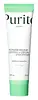
Avant Skincare Intensive Restoring And Detoxifying Centella Cica Moisturiser Versus PURITO Wonder Releaf Centella Cream Unscented
This barrier-repair moisturizer is formulated around Limnanthes Alba Seed Oil and Simmondsia Chinensis Seed Oil to strengthen the skin barrier and calm redness.
This calming moisturizer is formulated around Centella Asiatica Extract and Niacinamide to calm redness and strengthen the skin barrier.


What's inside
What's inside
 Key Ingredients
Benefits
Concerns
Ingredients Side-by-side
Water
Skin ConditioningCaprylic/Capric Triglyceride
Masking


Ethylhexyl Palmitate
Emollient




Cetyl Alcohol
Emollient
Cetearyl Alcohol
Emollient
Sorbitol
Humectant
Limnanthes Alba Seed Oil
Skin Conditioning
Butyrospermum Parkii Butter Extract
Skin Conditioning
Persea Gratissima Oil
Skin Conditioning
Simmondsia Chinensis Seed Oil
Emollient
Centella Asiatica Leaf Extract
Skin Conditioning


Sodium Polyacrylate
Absorbent
Stearyl Alcohol
Emollient
Parfum
Masking


Hexyl Cinnamal
Perfuming
Limonene
Perfuming
Geraniol
Perfuming
Hydroxycitronellal
Perfuming
Propylene Glycol
Humectant
Cetearyl Glucoside
Emulsifying
Potassium Cetyl Phosphate
EmulsifyingOryza Sativa Bran Wax
Skin Conditioning
Allantoin
Skin Conditioning
Lecithin
Emollient
Xanthan Gum
EmulsifyingBenzyl Salicylate
Perfuming
Tocopherol
Antioxidant



Sodium Gluconate
ChelatingSodium Hyaluronate
Humectant
Ascorbyl Palmitate
Antioxidant
Glucose
Humectant
Benzyl Alcohol
Perfuming

Citric Acid
Buffering
CI 17200
Cosmetic ColorantCI 42090
Cosmetic ColorantSodium Benzoate
Masking
Potassium Sorbate
Preservative
Ethylhexylglycerin
Skin ConditioningPhenoxyethanol
Preservative
Water, Caprylic/Capric Triglyceride, Ethylhexyl Palmitate, Cetyl Alcohol, Cetearyl Alcohol, Sorbitol, Limnanthes Alba Seed Oil, Butyrospermum Parkii Butter Extract, Persea Gratissima Oil, Simmondsia Chinensis Seed Oil, Centella Asiatica Leaf Extract, Sodium Polyacrylate, Stearyl Alcohol, Parfum, Hexyl Cinnamal, Limonene, Geraniol, Hydroxycitronellal, Propylene Glycol, Cetearyl Glucoside, Potassium Cetyl Phosphate, Oryza Sativa Bran Wax, Allantoin, Lecithin, Xanthan Gum, Benzyl Salicylate, Tocopherol, Sodium Gluconate, Sodium Hyaluronate, Ascorbyl Palmitate, Glucose, Benzyl Alcohol, Citric Acid, CI 17200, CI 42090, Sodium Benzoate, Potassium Sorbate, Ethylhexylglycerin, Phenoxyethanol
Water
Skin ConditioningCaprylic/Capric Triglyceride
Masking
Macadamia Ternifolia Seed Oil
Emollient
Squalane
Emollient
Butylene Glycol
Humectant
Cetearyl Alcohol
Emollient
Glycerin
Humectant
Centella Asiatica Extract
Cleansing
Niacinamide
Smoothing



1,2-Hexanediol
Skin Conditioning
Potassium Cetyl Phosphate
EmulsifyingCeramide NP
Skin Conditioning
Madecassic Acid
Skin Conditioning
Asiaticoside
Antioxidant
Asiatic Acid
Skin Conditioning
Behenic Acid
Cleansing
Betaine
Humectant
Tromethamine
BufferingButyrospermum Parkii Butter
Skin Conditioning
Hydrogenated Lecithin
Emulsifying
Palmitic Acid
Emollient
Stearic Acid
Cleansing
Caprylyl Glycol
Emollient
Candida Bombicola/Glucose/Methyl Rapeseedate Ferment
AntimicrobialCarbomer
Emulsion StabilisingXanthan Gum
EmulsifyingHydroxyethylcellulose
Emulsion StabilisingOryza Sativa Germ Oil
Emollient
Cocos Nucifera Oil
Masking
Sodium Carbomer
Emulsion StabilisingAdenosine
Skin Conditioning
Phytosphingosine
Skin Conditioning
Myristic Acid
Cleansing
Arachidic Acid
Cleansing
Tremella Fuciformis Extract
Humectant
Perilla Ocymoides Seed Extract
Antioxidant
Sodium Hyaluronate
Humectant
Beta-Glucan
Skin Conditioning
Water, Caprylic/Capric Triglyceride, Macadamia Ternifolia Seed Oil, Squalane, Butylene Glycol, Cetearyl Alcohol, Glycerin, Centella Asiatica Extract, Niacinamide, 1,2-Hexanediol, Potassium Cetyl Phosphate, Ceramide NP, Madecassic Acid, Asiaticoside, Asiatic Acid, Behenic Acid, Betaine, Tromethamine, Butyrospermum Parkii Butter, Hydrogenated Lecithin, Palmitic Acid, Stearic Acid, Caprylyl Glycol, Candida Bombicola/Glucose/Methyl Rapeseedate Ferment, Carbomer, Xanthan Gum, Hydroxyethylcellulose, Oryza Sativa Germ Oil, Cocos Nucifera Oil, Sodium Carbomer, Adenosine, Phytosphingosine, Myristic Acid, Arachidic Acid, Tremella Fuciformis Extract, Perilla Ocymoides Seed Extract, Sodium Hyaluronate, Beta-Glucan
Reviews
Ingredients Explained
These ingredients are found in both products.
Ingredients higher up in an ingredient list are typically present in a larger amount.
Caprylic/Capric Triglyceride (aka MCT Oil) is a lightweight emollient, solvent, and texture enhancer. It is considered a skin-softener by helping to prevent moisture loss.
Though it behaves like an oil, it is not technically one due to its chemical composition. One perk of this ingredient is that it is very stable, resistant to oxidation, and unlikely to go rancid.
In practice, that translates to a long shelf life and a consistently elegant skin feel.
While there is an assumption Caprylic Triglyceride can clog pores due to it being derived from coconut oil, there is no research supporting this. Just patch test if you have concerns.
Fractionated coconut oil and MCT Oil are both listed as Caprylic/Capric Triglyceride according to INCI. This is because INCI names are based on the ingredient’s final chemical composition and not its marketing name or source.
This ingredient is treated as the gold standard fungal acne safe oil. Even though it is coconut derived, the problematic lauric acid is stripped out.
This leaves just caprylic (C8) and capric (C10) acid. These chain lengths actually trend antifungal; a 2020 study found caprylic acid was enough to disrupt Malassezia furfur cell membrane, with a caprylic acid derivative damaging membrane structures at concentrations as low as 0.2%.
Learn more about Caprylic/Capric TriglycerideCetearyl alcohol is a waxy mixture of two fatty alcohols: cetyl alcohol and stearyl alcohol. It is an emollient and emulsifier.
Despite having "alcohol" in its name, it has nothing to do with drying solvent alcohols; the FDA also allows "alcohol-free" products to contain fatty alcohols like this ingredient.
It plays several roles in a formula:
Typical use levels for this ingredient sit around 1-10% and the Cosmetic Ingredient Review Expert Panel has affirmed safety at concentrations up to 25% in leave-on products.
Multiple assessments have found it to be non-irritating and non-sensitizing to most people.
However, there have been some cases of allergic contact dermatitis in patients with chronically compromised skin barriers.
Cetearyl alcohol has a comedogenic rating of 2 and irritancy rating of 1. Both of these numbers come from the 1989 study that used rabbit ears; a "2" means mildly comedogenic and a "1" means low irritancy.
Here's the catch: rabbit skin is more sensitive than human skin and throws a lot of false positives. A 1996 reappraisal found that ingredients rated 1-2 in the rabbit ear tests are generally safe for humans.
Remember comedogenic ratings are unable to assess the entire formula of a product or how it will react on your skin. Just be sure to patch test if you are unsure about certain ingredients.
This ingredient is not fungal acne safe. Cetearyl alcohol is a fatty alcohol with chain lengths that fall within the range that Malassezia can metabolize.
A 2019 study has also observed Malassezia growth in the presence of this ingredient, confirming it to be not-fungal acne safe.
Learn more about Cetearyl AlcoholPotassium Cetyl Phosphate is the potassium salt of a mixture. This mixture consists of the esters from phosphoricacid and cetyl alcohol.
Potassium Cetyl Phosphate is an emulsifier and cleansing agent. Emulsifiers help stabilize a product. It does this by preventing certain ingredients from separating.
As a cleansing agent, Potassium Cetyl Phosphate helps gather oils, dirts, and pollutants from your skin. This makes it easier to rinse them away with water.
Learn more about Potassium Cetyl PhosphateSodium Hyaluronate is the salt form of hyaluronic acid. It is a long sugar chain that is naturally found in your skin, joints, and connective tissue that maintains hydration and elasticity.
In skincare, it works as a humectant. It pulls water from the environment and deeper layers of skin and binds it to the surface.
Interestingly, the size of the molecule affects its behavior:
Some clinical evidence links low molecular weight versions to improved wrinkle depth, elasticity, anti-inflammatory effects, and barrier repair.
Many serums use a blend of both weights so you can get surface hydration plus longer-lasting and deeper effects.
You'll typically see concentrations between 0.1-2% for this ingredient.
Learn more about Sodium HyaluronateWater. It's the most common cosmetic ingredient of all. You'll usually see it at the top of ingredient lists, meaning that it makes up the largest part of the product.
So why is it so popular? Water most often acts as a solvent - this means that it helps dissolve other ingredients into the formulation.
You'll also recognize water as that liquid we all need to stay alive. If you see this, drink a glass of water. Remember to stay hydrated!
Learn more about WaterXanthan gum is used as a stabilizer and thickener within cosmetic products. It helps give products a sticky, thick feeling - preventing them from being too runny.
On the technical side of things, xanthan gum is a polysaccharide - a combination consisting of multiple sugar molecules bonded together.
Xanthan gum is a pretty common and great ingredient. It is a natural, non-toxic, non-irritating ingredient that is also commonly used in food products.
Learn more about Xanthan Gum

