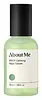
This calming serum is formulated around Panthenol and Centella Asiatica Extract to calm redness and hydrate skin.
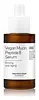
This anti-aging serum is formulated around Niacinamide and Acetyl Hexapeptide-8 to soften the look of wrinkles.

What's inside
What's inside
 Key Ingredients
Benefits
Concerns
Ingredients Side-by-side
Chamaecyparis Obtusa Water
MaskingWater
Skin ConditioningBetaine
Humectant


Glycerin
Humectant
Panthenol
Skin Conditioning
Propanediol
Solvent
Alcohol Denat.
Antimicrobial




Polydecene
Skin Conditioning1,2-Hexanediol
Skin Conditioning
Pentylene Glycol
Skin Conditioning
Melaleuca Alternifolia Leaf Extract
Perfuming
Chondrus Crispus Extract
Skin Conditioning
Saccharum Officinarum Extract
MoisturisingSalvia Officinalis Oil
Masking
Centella Asiatica Extract
Cleansing

Melaleuca Alternifolia Flower/Leaf/Stem Extract
Skin ConditioningMelia Azadirachta Leaf Extract
Skin ConditioningMelia Azadirachta Flower Extract
Skin ConditioningArtemisia Vulgaris Oil
Perfuming
Ocimum Basilicum Oil
Masking
Centella Asiatica Leaf Extract
Skin Conditioning
Coccinia Indica Fruit Extract
Skin Conditioning
Theobroma Cacao Seed Extract
Antioxidant
Hyaluronic Acid
Humectant
Amber Powder
Solanum Melongena Fruit Extract
Skin ConditioningCurcuma Longa Root Extract
Antioxidant
Ocimum Sanctum Leaf Extract
Skin ConditioningCorallina Officinalis Extract
Skin Conditioning
Moringa Oleifera Seed Oil
Emollient
Borago Officinalis Extract
Emollient
Centaurea Cyanus Flower Extract
Astringent
Chamomilla Recutita Flower/Leaf Extract
AntimicrobialHyacinthus Orientalis Extract
Skin ConditioningLavandula Angustifolia Flower Water
Skin Conditioning
Salvia Sclarea Extract
AntiseborrhoeicPolyglyceryl-10 Laurate
Skin Conditioning
Polyacrylate Crosspolymer-6
Emulsion StabilisingButylene Glycol
Humectant
Madecassoside
Antioxidant
Tromethamine
BufferingCyamopsis Tetragonoloba Gum
Emulsion StabilisingEthylhexylglycerin
Skin ConditioningAgar
MaskingSodium Phytate
ChelatingSodium Hyaluronate Crosspolymer
Humectant
Asiaticoside
Antioxidant
Dextrin
AbsorbentCaprylyl Glycol
Emollient
Allantoin
Skin Conditioning
Hydrochloric Acid
BufferingTocopherol
Antioxidant


Carbomer
Emulsion StabilisingXanthan Gum
EmulsifyingChamaecyparis Obtusa Water, Water, Betaine, Glycerin, Panthenol, Propanediol, Alcohol Denat., Polydecene, 1,2-Hexanediol, Pentylene Glycol, Melaleuca Alternifolia Leaf Extract, Chondrus Crispus Extract, Saccharum Officinarum Extract, Salvia Officinalis Oil, Centella Asiatica Extract, Melaleuca Alternifolia Flower/Leaf/Stem Extract, Melia Azadirachta Leaf Extract, Melia Azadirachta Flower Extract, Artemisia Vulgaris Oil, Ocimum Basilicum Oil, Centella Asiatica Leaf Extract, Coccinia Indica Fruit Extract, Theobroma Cacao Seed Extract, Hyaluronic Acid, Amber Powder, Solanum Melongena Fruit Extract, Curcuma Longa Root Extract, Ocimum Sanctum Leaf Extract, Corallina Officinalis Extract, Moringa Oleifera Seed Oil, Borago Officinalis Extract, Centaurea Cyanus Flower Extract, Chamomilla Recutita Flower/Leaf Extract, Hyacinthus Orientalis Extract, Lavandula Angustifolia Flower Water, Salvia Sclarea Extract, Polyglyceryl-10 Laurate, Polyacrylate Crosspolymer-6, Butylene Glycol, Madecassoside, Tromethamine, Cyamopsis Tetragonoloba Gum, Ethylhexylglycerin, Agar, Sodium Phytate, Sodium Hyaluronate Crosspolymer, Asiaticoside, Dextrin, Caprylyl Glycol, Allantoin, Hydrochloric Acid, Tocopherol, Carbomer, Xanthan Gum
Water
Skin ConditioningGlycerin
Humectant
Niacinamide
Smoothing



Polyglycerin-3
Humectant
Butylene Glycol
Humectant
1,2-Hexanediol
Skin Conditioning
Panthenol
Skin Conditioning
Adenosine
Skin Conditioning
Dioscorea Oppositifolia Root Extract
Skin ConditioningGlutathione
Arginine/Lysine Polypeptide
Skin Conditioning
Acetyl Tetrapeptide-9
Skin Conditioning
Acetyl Hexapeptide-8
Humectant
Oligopeptide-107 Sh-Oligopeptide-1
Skin Conditioning
Copper Tripeptide-1
Skin Conditioning
Palmitoyl Tripeptide-1
Skin Conditioning
Palmitoyl Tetrapeptide-7
Skin Conditioning
Allantoin
Skin Conditioning
Undecane
EmollientTridecane
Perfuming
Glycine
Buffering
Desamido Collagen
Skin Conditioning
Serine
Masking
Arginine
Masking
Sodium Polyacrylate
Absorbent
Carbomer
Emulsion StabilisingGlyceryl Acrylate/Acrylic Acid Copolymer
HumectantPolyglyceryl-10 Stearate
Skin Conditioning
Polyglyceryl-10 Oleate
Skin Conditioning
Citric Acid
Buffering
Cholesterol
Emollient
Hydrogenated Lecithin
Emulsifying
PEG-8 Caprylic/Capric Glycerides
EmulsifyingPolysorbate 20
Emulsifying
Tocopherol
Antioxidant
Sodium Lactate
Buffering
Sorbic Acid
Preservative
Caprylyl Glycol
Emollient
Alcohol Denat.
Antimicrobial
Water, Glycerin, Niacinamide, Polyglycerin-3, Butylene Glycol, 1,2-Hexanediol, Panthenol, Adenosine, Dioscorea Oppositifolia Root Extract, Glutathione, Arginine/Lysine Polypeptide, Acetyl Tetrapeptide-9, Acetyl Hexapeptide-8, Oligopeptide-107 Sh-Oligopeptide-1, Copper Tripeptide-1, Palmitoyl Tripeptide-1, Palmitoyl Tetrapeptide-7, Allantoin, Undecane, Tridecane, Glycine, Desamido Collagen, Serine, Arginine, Sodium Polyacrylate, Carbomer, Glyceryl Acrylate/Acrylic Acid Copolymer, Polyglyceryl-10 Stearate, Polyglyceryl-10 Oleate, Citric Acid, Cholesterol, Hydrogenated Lecithin, PEG-8 Caprylic/Capric Glycerides, Polysorbate 20, Tocopherol, Sodium Lactate, Sorbic Acid, Caprylyl Glycol, Alcohol Denat.
Ingredients Explained
These ingredients are found in both products.
Ingredients higher up in an ingredient list are typically present in a larger amount.
1,2-Hexanediol is a synthetic liquid and another multi-functional powerhouse.
It is a:
- Humectant, drawing moisture into the skin
- Emollient, helping to soften skin
- Solvent, dispersing and stabilizing formulas
- Preservative booster, enhancing the antimicrobial activity of other preservatives
Alcohol Denat. is an alcohol with a denaturant property. It is created by mixing ethanol with other additives.
The "denat" part just means "denatured"; common denaturants include Denatonium Benzoate, t-butyl alcohol, and Diethyl Phthalate. This step makes the alcohol undrinkable (and lets brand skip taxes related to beverage alcohol).
This ingredient gets a bad rep because it is irritating and drying due to its astringent property. Astringents draw out natural oils in tissue to constrict pores and dry out your skin.
However, alcohol denat. is not all that bad.
Due to its low molecular weight, alcohol denat. tends to evaporate quickly. One study on pig skin found half of applied alcohol evaporated in 10 seconds and less than 3% stayed on skin.
This also helps other ingredients become better absorbed upon application.
Studies are conflicted about whether this ingredient causes skin dehydration. One study from 2005 found adding emollients to propanol-based sanitizer decreased skin dryness and irritation. Another study found irritation only occurs if your skin is already damaged.
Small amounts of alcohol are generally tolerated by oily skin or people who live in humid environments.
The rule of thumb is this ingredient will probably not affect your skin much if it is near the end of an ingredients list.
One thing to note:
People with ALDH2 (aldehyde dehydrogenase 2) deficiency may experience skin irritation from continued alcohol use. About 8% of the world's population have this deficiency.
The Cosmetic Ingredient Review Expert Panel has determined denatured alcohols to be safe for use in concentrations between 0.05% and 12% (depending on which denaturant is used).
Also...
This ingredient has antimicrobial and solvent properties.
The antimicrobial property helps preserve products and increase their shelf life. As a solvent, it helps dissolve other ingredients.
Look for formulas that contain glycerin, hyaluronic acid, or panthenol if you want to offset any drying effect.
This ingredient will trip away your skin's natural oils/lipids that help it lock in moisture. This can worsen dryness, trigger eczema flare-ups, and aggravate rosacea.
Be sure to patch test any product with this ingredient if you have dry or sensitive skin, eczema, or rosacea.
Learn more about Alcohol Denat.Allantoin is a soothing ingredient known for its protective and moisturizing properties; it's basically a quiet workhorse ingredient you can find in a huge range of cosmetics.
Though it can be derived from the comfrey plant, allantoin is produced synthetically for cosmetic products to ensure purity.
Research shows it can encourage your skin cells to turn over and renew by stimulating keratinocyte and fibroblast proliferation.
It also has mild keratolytic properties to help loosen and shed dead skin cells without being harsh.
Studies also suggest allantoin can help calm inflammation by dialing down some of the chemical signals your skin sends out when it is irritated.
This ingredient is typically used in the 0.1-0.5% range, and the FDA recognizes it as a skin protectant in OTC products up to 2%.
Overall, allantoin is a wonderful addition to most routines; it is stable across a wide pH range (~4-8), works well with other ingredients, and is considered non-sensitizing/non-irritating.
Fun fact: Allantoin is naturally occurring in comfrey root, beets, chamomile, and wheat sprouts. Our bodies even produce it as a byproduct of uric acid metabolism.
Learn more about AllantoinButylene Glycol (or BG) is used within cosmetic products for a few different reasons:
Overall, Butylene Glycol is a safe and well-rounded ingredient that works well with other ingredients.
Though this ingredient works well with most skin types, some people with sensitive skin may experience a reaction such as allergic rashes, closed comedones, or itchiness.
Learn more about Butylene GlycolCaprylyl Glycol is a humectant, skin conditioner, emollient, and preservative booster derived from either caprylic acid or synthetically created.
Typical use levels vary from 0.3-1% as a preservative booster and go up to 2% to condition skin.
Because it is not a free-fatty acid, this ingredient is fungal acne safe (there's nothing for Malassezia to feed on).
Learn more about Caprylyl GlycolCarbomer is a synthetic thickening and gelling agent. It's basically the ingredient that gives a lot of serums, gels, creams, and sunscreens their smooth, non-sticky texture.
Although legally permitted at very high levels, carbomers are normally used at concentrations below 1%.
It also needs to be neutralized to actually thicken, and because it is a large molecule, it doesn't really penetrate the skin barrier.
Allergy-wise, the risk is very low. Clinical studies show carbomers have low potential for skin irritation/sensitization even at concentrations up to 100%.
A 2024 UK study patch-tested 1,302 patients and found true allergy to the parent group of carbomer to be rare with no confirmed relevant reactions.
Learn more about CarbomerGlycerin (or glycerol) is a compound naturally found in your skin. It's a powerhouse humectant that pulls water into the stratum corneum.
Topically, glycerin does several things at once:
Your skin makes glycerin on its own (mostly from sebaceous oil breakdown) and shuttles it to your outermost layer of skin, or your epidermis, via aquaporin-3.
Aquaporin-3 is a transporter that is essential for normal skin hydration, elasticity, and repair. Interestingly, mice lacking in AQP3 have dry and less elastic skin that can be fully corrected with glycerin.
This ingredient is non-irritating, plays well with almost every ingredient, and works across all skin types. Typical use is anywhere between 3-10% but can go up to 79% in some leave-on products.
Just know very high concentrations (>40%) can feel tacky in low humidity.
Glycerin is the name for this ingredient in American English. British English uses Glycerol/Glycerine.
Learn more about GlycerinPanthenol is a common ingredient that helps hydrate and soothe the skin. It is found naturally in our skin and hair.
There are two forms of panthenol: D and L.
D-panthenol is also known as dexpanthenol. Most cosmetics use dexpanthenol or a mixture of D and L-panthenol.
Panthenol is famous due to its ability to go deeper into the skin's layers. Using this ingredient has numerous pros (and no cons):
Like hyaluronic acid, panthenol is a humectant. Humectants are able to bind and hold large amounts of water to keep skin hydrated.
This ingredient works well for wound healing. It works by increasing tissue in the wound and helps close open wounds.
Once oxidized, panthenol converts to pantothenic acid. Panthothenic acid is found in all living cells.
This ingredient is also referred to as pro-vitamin B5.
Learn more about PanthenolTocopherol is a fat-soluble antioxidant known as Vitamin E.
You'll find this ingredient in the vast majority of skincare (for good reason). It works to neutralize free radicals, or unstable molecules generated by UV exposure, pollution, and other environmental stressors, before they can cause oxidative damage to your skin cells.
Topically applied tocopherol has been shown to protect against UV damage by ramping up the skin's own natural defense enzymes.
It also acts as a skin conditioning agent; some studies show that regular topical use can improve the skin's water-binding capacity over 2-4 weeks.
This ingredient is especially loved for being a team player. When combined with Vitamin C, the photoprotective effect of both ingredients roughly doubles and the combo also helps reduce UV-induced DNA damage.
This ingredient has some brightening potential but it's more of a prevention ingredient than spot-fader. Cell studies show it can slow down melanin production but it's worth noting that it's not the most powerful brightener out there.
In formulations, it also serves as a stabilizer that helps protect other oxidation-prone ingredients from degrading.
Concentrations usually range from 0.1-1% in most leave-on products.
Learn more about TocopherolWater. It's the most common cosmetic ingredient of all. You'll usually see it at the top of ingredient lists, meaning that it makes up the largest part of the product.
So why is it so popular? Water most often acts as a solvent - this means that it helps dissolve other ingredients into the formulation.
You'll also recognize water as that liquid we all need to stay alive. If you see this, drink a glass of water. Remember to stay hydrated!
Learn more about Water

