Little Dream Garden Niacinamide Sakura Body Lotion
A body lotion with 48 ingredients, including PHA, niacinamide, and vitamin E.
Body lotion with 48 ingredients that contains arbutin, ceramides, hyaluronic acid, niacinamide, PHA, urea and Vitamin E
We independently verify ingredients, backed by peer-reviewed research. Suggest an update.
What's inside
Ingredients List
Water
Skin ConditioningNiacinamide
Smoothing











Glycerin
Humectant
Ethylhexyl Palmitate
Emollient




Butyrospermum Parkii Butter
Skin Conditioning
Urea
Buffering
Propylene Glycol
Humectant
Cetyl Alcohol
Emollient

PEG-20 Methyl Glucose Sesquistearate
Emulsifying
Dimethicone
Emollient
PEG-100 Stearate
Surfactant
Glyceryl Stearate
Emollient
Cetearyl Alcohol
Emollient
Phenoxyethanol
Preservative
Parfum
Masking


Carbomer
Emulsion StabilisingChlorphenesin
Antimicrobial
Hydrogenated Polyisobutene
EmollientAllantoin
Skin Conditioning
Lactose
HumectantCaprylyl Glycol
Emollient
Sodium Hydroxide
BufferingTocopheryl Acetate
Antioxidant

Microcrystalline Cellulose
AbsorbentSucrose
Humectant
Oryza Sativa Bran Oil
Emollient
Paeonia Suffruticosa Seed Oil
Emollient
Zea Mays Starch
Absorbent
Panthenol
Skin Conditioning
Arbutin
Antioxidant
Lactobionic Acid
Buffering
Disodium EDTA
ChelatingLactobacillus/Rice Ferment Filtrate
Skin ConditioningSodium Hyaluronate
Humectant
Saccharide Isomerate
Humectant
Hydroxypropyl Methylcellulose
Emulsion StabilisingPEG-40 Hydrogenated Castor Oil
Emulsifying
Avena Sativa Kernel Oil
Skin Conditioning
CI 11710
Cosmetic ColorantTocopherol
Antioxidant
CI 12490
Cosmetic ColorantButylene Glycol
Humectant
Prunus Speciosa Flower Extract
HumectantCI 16255
Cosmetic ColorantCeramide NP
Skin Conditioning
Sodium Citrate
BufferingCitric Acid
Buffering
CI 19140
Cosmetic ColorantWater, Niacinamide, Glycerin, Ethylhexyl Palmitate, Butyrospermum Parkii Butter, Urea, Propylene Glycol, Cetyl Alcohol, PEG-20 Methyl Glucose Sesquistearate, Dimethicone, PEG-100 Stearate, Glyceryl Stearate, Cetearyl Alcohol, Phenoxyethanol, Parfum, Carbomer, Chlorphenesin, Hydrogenated Polyisobutene, Allantoin, Lactose, Caprylyl Glycol, Sodium Hydroxide, Tocopheryl Acetate, Microcrystalline Cellulose, Sucrose, Oryza Sativa Bran Oil, Paeonia Suffruticosa Seed Oil, Zea Mays Starch, Panthenol, Arbutin, Lactobionic Acid, Disodium EDTA, Lactobacillus/Rice Ferment Filtrate, Sodium Hyaluronate, Saccharide Isomerate, Hydroxypropyl Methylcellulose, PEG-40 Hydrogenated Castor Oil, Avena Sativa Kernel Oil, CI 11710, Tocopherol, CI 12490, Butylene Glycol, Prunus Speciosa Flower Extract, CI 16255, Ceramide NP, Sodium Citrate, Citric Acid, CI 19140
Key Ingredients
Benefits
Concerns
Ingredients Explained
Water. It's the most common cosmetic ingredient of all. You'll usually see it at the top of ingredient lists, meaning that it makes up the largest part of the product.
So why is it so popular? Water most often acts as a solvent - this means that it helps dissolve other ingredients into the formulation.
You'll also recognize water as that liquid we all need to stay alive. If you see this, drink a glass of water. Remember to stay hydrated!
Learn more about WaterNiacinamide is a multitasking form of vitamin B3 that strengthens the skin barrier, reduces pores and dark spots, regulates oil, and improves signs of aging.
And the best part? It's gentle and well-tolerated by most skin types, including sensitive and reactive skin.
You might have heard of "niacin flush", or the reddening of skin that causes itchiness. Niacinamide has not been found to cause this.
In very rare cases, some individuals may not be able to tolerate niacinamide at all or experience an allergic reaction to it.
If you are experiencing flaking, irritation, and dryness with this ingredient, be sure to double check all your products as this ingredient can be found in all categories of skincare.
When incorporating niacinamide into your routine, look out for concentration amounts. Typically, 5% niacinamide provides benefits such as fading dark spots. However, if you have sensitive skin, it is better to begin with a smaller concentration.
When you apply niacinamide to your skin, your body converts it into nicotinamide adenine dinucleotide (NAD). NAD is an essential coenzyme that is already found in your cells as "fuel" and powers countless biological processes.
In your skin, NAD helps repair cell damage, produce new healthy cells, support collagen production, strengthen the skin barrier, and fight environmental stressors (like UV and pollution).
Our natural NAD levels start to decline with age, leading to slower skin repair, visible aging, and a weaker skin barrier. By providing your skin niacinamide, you're recharging your skin's NAD levels. This leads to stronger, healthier, and younger looking skin.
Another name for vitamin B3 is nicotinamide. This vitamin is water-soluble and our bodies don't store it. We obtain Vitamin B3 from either food or skincare. Meat, fish, wheat, yeast, and leafy greens contain vitamin B3.
The type of niacinamide used in skincare is synthetically created.
Learn more about NiacinamideGlycerin (or glycerol) is a compound naturally found in your skin. It's a powerhouse humectant that pulls water into the stratum corneum.
Topically, glycerin does several things at once:
Your skin makes glycerin on its own (mostly from sebaceous oil breakdown) and shuttles it to your outermost layer of skin, or your epidermis, via aquaporin-3.
Aquaporin-3 is a transporter that is essential for normal skin hydration, elasticity, and repair. Interestingly, mice lacking in AQP3 have dry and less elastic skin that can be fully corrected with glycerin.
This ingredient is non-irritating, plays well with almost every ingredient, and works across all skin types. Typical use is anywhere between 3-10% but can go up to 79% in some leave-on products.
Just know very high concentrations (>40%) can feel tacky in low humidity.
Glycerin is the name for this ingredient in American English. British English uses Glycerol/Glycerine.
Learn more about GlycerinEthylhexyl Palmitate, also known as octyl palmitate, is created from 2-ethylhexyl alcohol and palmitic acid.
In cosmetics, it plays many roles:
One thing worth noting: a controlled study found this ingredient applied under occlusion to acne-prone subjects increased microcomedones. Just keep in mind this was under occlusive conditions and don't reflect how most products are used day-to-day.
For most people, this is a well-tolerated and lightweight ingredient.
This ingredient may not be fungal acne safe because it is an ester of palmitic acid, a C16 fatty acid that falls within the C11-24 range that Malassezia can metabolize.
You'll see this one rated 4 comedogenic all over the internet. That number isn't from a single study, and the actual research is more interesting.
The original rating comes from 1980s rabbit ear tests (which are a shaky basis for anything). But Ethylhexyl Palmitate is one of the few ingredients with real human data behind it. A 2021 controlled trial found this ingredient increased microcomedones by an average of 365% over four weeks.
Just know that test used the pure ingredient under an occlusive pad on back skin; most products use it at much lower levels alongside other ingredients and plenty of people use those with no issue.
Learn more about Ethylhexyl PalmitateThis ingredient is also known as shea butter. It is a plant-derived extract from the nuts of the Africa shea tree and one of the most well-studied emollients.
Because it has a high concentration of fatty acids (primarily oleic, stearic, and linoleic) it is able to form a protective barrier on the skin's surface. This helps seal in moisture and prevents transepidermal water loss (TEWL).
In vitro research found an increase in skin hydration by 58% and a decrease in TEWL by 37.8% after 24 hours of applying this ingredient (pretty impressive for a single ingredient!).
Besides hydration, shea butter also contains triterpenes that have anti-inflammatory potential. In particule, lupeol cinnamate has shown the highest anti-inflammatory activity in vivo.
Shea butter also contains vitamins A and E which may contribute to antioxidant activity.
While Shea Butter has an SPF rating of about 3-4, it is not a sunscreen replacement.
This ingredient may not be fungal acne safe because its fatty acids fall within the C11-C24 range that the Malassezia yeast can metabolize.
This ingredient shows up on a lot of "pore-clogging" lists but there's no real evidence behind that. It doesn't even have a comedogenic rating from an actual study; the numbers you'll find online come from blogs citing other blogs.
Ratings for other ingredients mostly come from a 1980s rabbit ear test. This test doesn't translate well to human skin or to real products because the ingredient sits at a much lower percentage.
Some people still find it breaks them out. So if that's you, definitely trust your skin. Just know this one's based on experience and not evidence.
Learn more about Butyrospermum Parkii ButterUrea is also called carbamide and is the diamide of carbonic acid. In cosmetics, urea is used to hydrate the skin. It also provides exfoliation in higher concentrations.
As a humectant, urea helps draw moisture from the air and from deep within the skin. This helps hydrate your skin. Studies show urea is an effective moisturizer for dry skin conditions. 40% urea is typical in medications for treating eczema and other skin conditions.
Urea has the strongest exfoliation effect in concentrations higher than 10%. It is a keratolytic agent, meaning it breaks down the keratin protein in the top layer of skin. This helps remove dead skin cells and flaking skin.
In medicine, urea has been shown to help increase the potency of other ingredients, such as fungal treatments.
Humans and animals use urea to metabolize nitrogen-containing compounds. Urea is highly soluble in water. Once dissolved, it is neither acidic nor alkaline.
Urea is actually one of the more well-studied and well-supported ingredients out there if you have eczema.
Clinical trials have shown that urea creams in the 5 - 10% range can:
Higher concentrations (20 -30%) can also help with thickened, scaly patches but is also more likely to sting on active flares.
Skip urea if you have rosacea. The AAD (American Academy of Dermatology) lists it alongside alcohol, menthol, and fragrance as a potential irritant for rosacea-prone skin. Urea's keratolytic and penetration-enhancing properties can trigger stinging, burning, and redness.
As always, your skin is unique, so definitely check in with your dermatologist.
Learn more about UreaPropylene Glycol is a synthetic, colorless, odorless liquid that has been a staple in cosmetics for decades. It is a skin conditioning agent, humectant, and solvent.
As a humectant, it draw water to the skin to reduce flaking and restore suppleness. It's also a solvent that helps dissolve other actives and keeps formulas stable across temperature changes.
The CIR Expert Panel has confirmed this ingredient to be nontoxic and clinical studies show no sensitization at cosmetic use concentrations.
True allergic reactions are quite rare: a 15-year retrospective study of 6,751 patients found only 0.31% had a positive reaction (and less than half were considered clinically relevant).
It seemed that when sensitization does occur, it's most commonly linked to topical medication (like corticosteroids) and not cosmetics. Allergic contact dermatitis also appears largely limited to individuals with underlying skin conditions.
Overall, propylene glycol is a well-studied ingredient that most people can tolerate without issue.
Learn more about Propylene GlycolCetyl Alcohol is a fatty alcohol. Fatty Alcohols are most often used as an emollient or to thicken a product.
Its main roles are:
Though it has "alcohol" in the name, it is not related to denatured alcohol or ethyl alcohol.
The FDA allows products labeled "alcohol-free" to have fatty alcohols.
This ingredient may not be fungal acne safe. It is a primary fatty alcohol with a chain length above 12 carbons. A study from 2019 show Malassezia can feed on fatty alcohols in this range, so it may trigger fungal acne in those prone to it.
Learn more about Cetyl AlcoholThis is a corn-derived ingredient that acts as an oil-in-water emulsifier. It's great at forming lightweight and elegant emulsions for "milky" products.
In dermal testing, undiluted PEG-20 Methyl Glucose Sesquistearate scored a primary irratation index of zero and human repeated insult patch tests at concentrations up to 80% showed no irritation or sensitization. Because of this low irritation score, you'll likely see it in products designed for the eye area.
You'll typically find it at 0.5-3% in formulations. It's also often paired with its sibling, Methyl Glucose Sesquistearate, to create stable and mild emulsion systems.
The yeast that causes fungal acne loves fats and oils with a carbon chain length between 11 and 24. This ingredient contains stearic acid, which has a chain length of 18. Due to this, we mark this ingredient as not safe for fungal acne.
Learn more about PEG-20 Methyl Glucose SesquistearateDimethicone is a type of synthetic silicone created from natural materials such as quartz. It is also known as polydimethylsiloxane.
What it does:
Dimethicone comes in different viscosities:
Depending on the viscosity, dimethicone has different properties.
Ingredients lists don't always show which type is used, so we recommend reaching out to the brand if you have questions about the viscosity.
This ingredient is unlikely to cause irritation because it does not get absorbed into skin. However, people with silicone allergies should be careful about using this ingredient.
Note: Dimethicone may contribute to pilling. This is because it is not oil or water soluble, so pilling may occur when layered with products. When mixed with heavy oils in a formula, the outcome is also quite greasy.
Learn more about DimethiconePeg-100 Stearate is an emollient and emulsifier. As an emollient, it helps keep skin soft by trapping moisture in. On the other hand, emulsifiers help prevent oil and water from separating in a product.
PEGS are a hydrophilic polyether compound . There are 100 ethylene oxide monomers in Peg-100 Stearate. Peg-100 Stearate is polyethylene glycol ester of stearic acid.
Glyceryl Stearate is made by reacting glycerin with stearic acid (typically sourced from plant oils like palm or coconut). It's an emulsifier, emollient, and mild occlusive.
Emulsifiers help ingredients like oil and water stay mixed so your formula stays nicely blended and uniform in texture.
This ingredient is typically used in concentrations between 1-10%. Studies have found it to be non-sensitizing, non-phototoxic, and non-photoallergenic.
A close cousin of this ingredient is Glyceryl Stearate SE ("self-emulsifying"). This just has a small amount of sodium or potassium stearate added so it can emulsify without a co-emulsifier.
Since this ingredient is an ester of a C18 fatty acid, it may not be fungal acne safe. The Malassezia yeast can potentially metabolize within the C11-C24 range.
Fun fact: The human body also creates Glyceryl Stearate naturally.
Learn more about Glyceryl StearateCetearyl alcohol is a waxy mixture of two fatty alcohols: cetyl alcohol and stearyl alcohol. It is an emollient and emulsifier.
Despite having "alcohol" in its name, it has nothing to do with drying solvent alcohols; the FDA also allows "alcohol-free" products to contain fatty alcohols like this ingredient.
It plays several roles in a formula:
Typical use levels for this ingredient sit around 1-10% and the Cosmetic Ingredient Review Expert Panel has affirmed safety at concentrations up to 25% in leave-on products.
Multiple assessments have found it to be non-irritating and non-sensitizing to most people.
However, there have been some cases of allergic contact dermatitis in patients with chronically compromised skin barriers.
Cetearyl alcohol has a comedogenic rating of 2 and irritancy rating of 1. Both of these numbers come from the 1989 study that used rabbit ears; a "2" means mildly comedogenic and a "1" means low irritancy.
Here's the catch: rabbit skin is more sensitive than human skin and throws a lot of false positives. A 1996 reappraisal found that ingredients rated 1-2 in the rabbit ear tests are generally safe for humans.
Remember comedogenic ratings are unable to assess the entire formula of a product or how it will react on your skin. Just be sure to patch test if you are unsure about certain ingredients.
This ingredient is not fungal acne safe. Cetearyl alcohol is a fatty alcohol with chain lengths that fall within the range that Malassezia can metabolize.
A 2019 study has also observed Malassezia growth in the presence of this ingredient, confirming it to be not-fungal acne safe.
Learn more about Cetearyl AlcoholPhenoxyethanol is one of the most widely used preservatives in skincare (and for good reason!).
It has a large spectrum of antimicrobial activity and especially effective bacteria, yeast, and mold while only having a weak effect on your skin's natural microbiome.
On a cellular level, it disrupts the cell membranes of microbes by poking holes that make the cell leak. This shuts down the chemical reactions the microbe needs to make energy so it can no longer survive.
Another perk of this ingredient is that it stays functional across a wide pH range (3-10).
You'll often see it paired with boosters like Ethylhexylglycerin; one study showed that a 1:9 ratio of Ethylhexylglycerin to Phenoxyethanol damages bacterial membranes as effectively as doubling the Phenoxyethanol concentration on its own.
Typical use concentrations range from 0.3-1% depending on the formula, and this ingredient is capped at 1% int the EU.
Safety-wise, the fear mongering does not hold up to the evidence. The EU's Scientific Committee on Consumer Safety and FDA consider it safe as a preservative at up to 1%, including for children of all ages.
Adverse systemic effects only showed up in animal studies at exposures roughly 200x higher than what people get from cosmetics. And despite its very widespread use, this ingredient is a rare sensitizer and allergic reactions are uncommon.
Learn more about PhenoxyethanolParfum is a catch-all term for an ingredient or more that is used to give a scent to products.
Also called "fragrance", this ingredient can be a blend of hundreds of chemicals or plant oils. This means every product with "fragrance" or "parfum" in the ingredients list is a different mixture.
For instance, Habanolide is a proprietary trade name for a specific aroma chemical. When used as a fragrance ingredient in cosmetics, most aroma chemicals fall under the broad labeling category of “FRAGRANCE” or “PARFUM” according to EU and US regulations.
The term 'parfum' or 'fragrance' is not regulated in many countries. In many cases, it is up to the brand to define this term.
For instance, many brands choose to label themselves as "fragrance-free" because they are not using synthetic fragrances. However, their products may still contain ingredients such as essential oils that are considered a fragrance by INCI standards.
One example is Calendula flower extract. Calendula is an essential oil that still imparts a scent or 'fragrance'.
Depending on the blend, the ingredients in the mixture can cause allergies and sensitivities on the skin. Some ingredients that are known EU allergens include linalool and citronellol.
Parfum can also be used to mask or cover an unpleasant scent.
The bottom line is: not all fragrances/parfum/ingredients are created equally. If you are worried about fragrances, we recommend taking a closer look at an ingredient. And of course, we always recommend speaking with a professional.
Learn more about ParfumCarbomer is a synthetic thickening and gelling agent. It's basically the ingredient that gives a lot of serums, gels, creams, and sunscreens their smooth, non-sticky texture.
Although legally permitted at very high levels, carbomers are normally used at concentrations below 1%.
It also needs to be neutralized to actually thicken, and because it is a large molecule, it doesn't really penetrate the skin barrier.
Allergy-wise, the risk is very low. Clinical studies show carbomers have low potential for skin irritation/sensitization even at concentrations up to 100%.
A 2024 UK study patch-tested 1,302 patients and found true allergy to the parent group of carbomer to be rare with no confirmed relevant reactions.
Learn more about CarbomerChlorphenesin is a synthetic preservative. It helps protect a product against bacteria in order to extend shelf life. In most cases, Chlorphenesin is paired with other preservatives such as phenoxyethanol and caprylyl glycol.
Chlorphenesin is a biocide. This means it is able to help fight the microorganisms on our skin. It is also able to fight odor-releasing bacteria.
Chlorphenesin is soluble in both water and glycerin.
Studies show Chlorphenesin is easily absorbed by our skin. You should speak with a skincare professional if you have concerns about using Chlorphenesin.
Learn more about ChlorphenesinHydrogenated Polyisobutene is a synthetic polymer. Polymers are compounds with high molecular weight. Hydrogenated Polyisobutene is an emollient and texture enhancer.
In one study, Hydrogenated Polyisobutene showed better skin hydration levels than Caprylic/Capric Triglyceride. As an emollient, it helps keep your skin soft and hydrated by trapping moisture in.
Hydrogenated Polyisobutene is often used as a mineral oil replacement.
Learn more about Hydrogenated PolyisobuteneAllantoin is a soothing ingredient known for its protective and moisturizing properties; it's basically a quiet workhorse ingredient you can find in a huge range of cosmetics.
Though it can be derived from the comfrey plant, allantoin is produced synthetically for cosmetic products to ensure purity.
Research shows it can encourage your skin cells to turn over and renew by stimulating keratinocyte and fibroblast proliferation.
It also has mild keratolytic properties to help loosen and shed dead skin cells without being harsh.
Studies also suggest allantoin can help calm inflammation by dialing down some of the chemical signals your skin sends out when it is irritated.
This ingredient is typically used in the 0.1-0.5% range, and the FDA recognizes it as a skin protectant in OTC products up to 2%.
Overall, allantoin is a wonderful addition to most routines; it is stable across a wide pH range (~4-8), works well with other ingredients, and is considered non-sensitizing/non-irritating.
Fun fact: Allantoin is naturally occurring in comfrey root, beets, chamomile, and wheat sprouts. Our bodies even produce it as a byproduct of uric acid metabolism.
Learn more about AllantoinLactose is a naturally derived milk sugar with humectant and skin conditioning properties. It helps draw and hold moisture in the outermost layer of skin.
The Cosmetic Ingredient Review (CIR) concludes lactose is generally considered low risk for irritation in topical products.
By the way, lactose is not an exfoliating acid like lactic acid or lactobionic acid. And since it's typically animal-derived, it's not usually vegan.
Learn more about LactoseCaprylyl Glycol is a humectant, skin conditioner, emollient, and preservative booster derived from either caprylic acid or synthetically created.
Typical use levels vary from 0.3-1% as a preservative booster and go up to 2% to condition skin.
Because it is not a free-fatty acid, this ingredient is fungal acne safe (there's nothing for Malassezia to feed on).
Learn more about Caprylyl GlycolSodium Hydroxide is also known as lye or caustic soda. It is used to adjust the pH of products; many ingredients require a specific pH to be effective.
In small amounts, sodium hydroxide is considered safe to use. However, large amounts may cause chemical burns due to its high alkaline.
Your skin has a natural pH and acid mantle. This acid mantle helps prevent harmful bacteria from breaking through. The acid mantle also helps keep your skin hydrated.
"Alkaline" refers to a high pH level. A low pH level would be considered acidic.
Learn more about Sodium HydroxideTocopheryl Acetate is a stable, shelf-friendly form of vitamin E.
Formulators love it because plain vitamin E oxidizes quickly once it hits air. This acetate version stays stable and resists going off, helping to extend a product's shelf life.
It's actually inactive on its own and works like a slow-release "storage" form; the enzymes in your skin called esterases gradually convert it into active vitamin E over time.
One in vivo study showed 5% of the acetate in the living layer of the epidermis converted to vitamin E after 5 days of application. This study also found the skin gained protection against UV damage even though the conversion was slow and small.
Once converted, vitamin E acts as a skin's main fat-soluble antioxidant that fights free radicals to protect skin from damage.
Topical vitamin E generally boosts the skin's photoprotection, and it reduced UV-damage in animal models.
This ingredient has some brightening potential but it's more of a prevention ingredient than spot-fader. Cell studies show it can slow down melanin production but it's worth noting that it's not the most powerful brightener out there.
Overall, it has a pretty solid safety profile and has been found to be non-irritating and non-comedogenic. Allergic reactions may happen but stay rare due to how widely the ingredient gets used.
The concentration will vary depending on the formula; industry data shows 0.1% in baby lotions, 3% in lipsticks, and 5% in foot powders. You can also find this ingredient at 100% in a pure vitamin E oil.
Most leave-on skincare keeps it at the lower end, often between 0.5-1%.
Learn more about Tocopheryl AcetateMicrocrystalline Cellulose is another name for refined wood pulp. It is used as an emulsifier and mattifying ingredient. As an emulsifier, it helps keep ingredients together.
Sucrose is a natural sugar found in fruits, vegetables, and nuts. It is the main constituent of white sugar.
In skincare, sucrose is a humectant and can be a mild exfoliant.
Sucrose is hydrophilic, meaning it attracts water. This makes it an effective humectant and helps hydrate the skin.
Studies show sugars may worsen acne-prone skin due to it disrupting the skin's natural biome. We recommend speaking with a professional if you have any concerns.
In some products such as body scrubs, sucrose is used as an gentle exfoliant.
The term 'sucrose' comes from the french word for sugar, 'sucre'.
Learn more about SucroseThis oil comes from the outer layer (bran) of rice grains. It is packed with skin-friendly fatty acids to soften and condition the skin while supporting your moisture barrier.
What makes it stand out from other plant oils is its naturally high concentration of gamma-oryzanol, a potent antioxidant. This antioxidant has shown some UV-absorptive properties in research.
Other antioxidants found in this oil include tocopherols, tocotrienols, and ferulic acid.
According to manufacturers, this oil has a lightweight texture that absorbs nicely.
The CIR (Cosmetic Ingredient Review) has concluded this ingredient to be safe as used in cosmetics and it has not shown to be a skin sensitizer in testing (unless you have a known rice allergy).
Due to the fatty acids (primarily Oleic Acid ~40%, Linoleic Acid ~30%, and some Palmitic Acid), this ingredient may not be fungal acne safe.
Learn more about Oryza Sativa Bran OilPaeonia Suffruticosa Seed Oil is an oil and isn't fungal acne safe.
Zea Mays Starch is starch made from corn. You might know this as cornstarch . It is used to thicken a product. It can replace talc as an absorbent.
The pH of cornstarch is 5.92.
Cornstarch is a common food ingredient used to thicken soups or to make corn syrup.
Learn more about Zea Mays StarchPanthenol is a common ingredient that helps hydrate and soothe the skin. It is found naturally in our skin and hair.
There are two forms of panthenol: D and L.
D-panthenol is also known as dexpanthenol. Most cosmetics use dexpanthenol or a mixture of D and L-panthenol.
Panthenol is famous due to its ability to go deeper into the skin's layers. Using this ingredient has numerous pros (and no cons):
Like hyaluronic acid, panthenol is a humectant. Humectants are able to bind and hold large amounts of water to keep skin hydrated.
This ingredient works well for wound healing. It works by increasing tissue in the wound and helps close open wounds.
Once oxidized, panthenol converts to pantothenic acid. Panthothenic acid is found in all living cells.
This ingredient is also referred to as pro-vitamin B5.
Learn more about PanthenolArbutin is a naturally occurring molecule (found in bearberry, cranberry, and blueberry) that is used in skincare as a gentle brightening agent to fade dark spots, melasma, and post-inflammatory hyperpigmentation.
Chemically, it is a sugar-bound form of hydroquinone.
It works mainly by inhibiting tyrosinase, the enzyme your skin uses to make melanin. This means less new pigment gets produced over time.
There are two forms you'll see on labels: beta-arbutin (listed as just "Arbutin") and alpha-arbutin (the more stable and effective of the two).
The evidence behind this is solid: it's less cytotoxic to melanocytes than hydroquinone and comparably effective with kojic acid for hyperpigmentation.
One human study using a 10% solution reduced UVR-induced hyperpigmentation by 43.5% (jumping to 63.3% when paired with aloesin).
More recent clinical work backs it up too; a 2025 study on a 5% alpha-arbutin + 2% kojic acid cream found it comparable to triple combination prescription formulas but with lower recurrence for melasma.
Typical usage in cosmetics serums land in the 1-2% range.
It's a well-tolerated, non-irritating, and non-photoreactive ingredient that also gives some antioxidant benefits too.
Learn more about ArbutinLactobionic Acid is a PHA. PHAs are the gentle cousins to AHAS.
Like AHAs, they exfoliate the top layer of skin. Lactobionic acid also exhibits significant antioxidant activity.
PHAs are more gentle than AHAs due to their larger structure. This means they do not penetrate as deeply as AHAs and take a longer time to dissolve dead cells. Studies show PHAs do not cause as much irritation.
By removing dead skin cells, PHAs leave the skin brighter and with even-texture.
Learn more about Lactobionic AcidDisodium EDTA is a chelating agent. It grabs onto and deactivates metal ions that sneak into your products from water, packaging, or air.
This ingredient mainly works behind the scenes and helps with:
On top of that, this ingredient can counteract the effects of hard water by binding to the minerals in it.
One thing worth knowing is that Disodium EDTA has been shown to be a mild penetration enhancer. It can help other ingredients absorb into skin more effectively which can be a double-edged sword (great for actives, but can also make the active too strong if you have sensitive skin).
Clinical patch testing showed no significant skin irritation at typical use concentrations and minimal dermal absorption.
You'll most likely see this ingredient near the end of an ingredient list. It's typically found in concentrations less than 1%.
Learn more about Disodium EDTAWe don't have a description for Lactobacillus/Rice Ferment Filtrate yet.
Sodium Hyaluronate is the salt form of hyaluronic acid. It is a long sugar chain that is naturally found in your skin, joints, and connective tissue that maintains hydration and elasticity.
In skincare, it works as a humectant. It pulls water from the environment and deeper layers of skin and binds it to the surface.
Interestingly, the size of the molecule affects its behavior:
Some clinical evidence links low molecular weight versions to improved wrinkle depth, elasticity, anti-inflammatory effects, and barrier repair.
Many serums use a blend of both weights so you can get surface hydration plus longer-lasting and deeper effects.
You'll typically see concentrations between 0.1-2% for this ingredient.
Learn more about Sodium HyaluronateSaccharide Isomerate comes from sugars found in corn. It is a skin hydrator.
The structure of this ingredient can be altered to be more similar to the carbohydrates found in our skin. This ability to mimic our skin gives it hydrating properties.
Specifically, saccharide Isomerate is a humectant. Humectants draw moisture from the air to our skin.
Research shows Saccharide Isomerate to be an effective moisturizer.
Learn more about Saccharide IsomerateThis ingredient is a semi-synthetic polymer created from cellulose. In case you need a refresher, cellulose is the main component of plant cell walls.
Hydroxypropyl Methylcellulose has many uses:
- emulsifier
- create a gel-like texture
- boost foam
PEG-40 Hydrogenated Castor Oil is an emulsifier derived from castor oil.
As an emulsifying agent, it helps other ingredients like fragrances and fat-soluble vitamins dissolve cohesively.
Due to its large molecule size, it doesn't penetrate beyond the skin's surface.
This ingredient has a solid regulatory track record; the CIR Expert Panel first concluded it was safe for use in cosmetics at concentrations up to 100% in 1997. A 2012 reassessment reaffirmed that finding. Safety studies have also found no irritation or evidence of toxicity.
A 2019 study did find this ingredient to grow Malassezia, so this ingredient may not be fungal acne safe.
Learn more about PEG-40 Hydrogenated Castor OilThis ingredient is also known as oat kernel oil. It's an emollient and skin conditioning agent that is great for barrier support, hydrating skin, and calming irritation.
The fatty acid profile is dominated by linoleic acid (~22.8-43.1%), oleic acid (~31.4-51.3%), and palmitic acid (~13.9-18.8%).
Plus, it contains ceramides, phytosterols, phospholipids, vitamin E, and avenanthramides (oat's signature anti-inflammatory polyphenols).
One study found an oat lipid extract applied to human skin cells switched on receptors that tell skin cells to mature properly and make more barrier lipids (including a 70% boost in ceramides).
Basically, oat kernel oil doesn't just sit on top of skin, it nudges your skin to build more its of its own barrier.
Typical usage levels range from 1-10%.
Note: This ingredient may not be fungal acne safe due to the fatty acids present.
Learn more about Avena Sativa Kernel OilWe don't have a description for CI 11710 yet.
Tocopherol is a fat-soluble antioxidant known as Vitamin E.
You'll find this ingredient in the vast majority of skincare (for good reason). It works to neutralize free radicals, or unstable molecules generated by UV exposure, pollution, and other environmental stressors, before they can cause oxidative damage to your skin cells.
Topically applied tocopherol has been shown to protect against UV damage by ramping up the skin's own natural defense enzymes.
It also acts as a skin conditioning agent; some studies show that regular topical use can improve the skin's water-binding capacity over 2-4 weeks.
This ingredient is especially loved for being a team player. When combined with Vitamin C, the photoprotective effect of both ingredients roughly doubles and the combo also helps reduce UV-induced DNA damage.
This ingredient has some brightening potential but it's more of a prevention ingredient than spot-fader. Cell studies show it can slow down melanin production but it's worth noting that it's not the most powerful brightener out there.
In formulations, it also serves as a stabilizer that helps protect other oxidation-prone ingredients from degrading.
Concentrations usually range from 0.1-1% in most leave-on products.
Learn more about TocopherolWe don't have a description for CI 12490 yet.
Butylene Glycol (or BG) is used within cosmetic products for a few different reasons:
Overall, Butylene Glycol is a safe and well-rounded ingredient that works well with other ingredients.
Though this ingredient works well with most skin types, some people with sensitive skin may experience a reaction such as allergic rashes, closed comedones, or itchiness.
Learn more about Butylene GlycolWe don't have a description for Prunus Speciosa Flower Extract yet.
This is a synthetic dye used to give a "strawberry" red color.
Ceramide NP (formerly known as Ceramide 3) is one of the skin's naturally occurring lipids.
Since ceramides are the major lipid components of the skin, they are crucial for maintaining skin barrier and hydration. Ceramide NP most closely mirrors the dominant kind in human skin amongst ceramide subtypes.
This ceramide works by slotting into gaps within the stratum corneum's lipid matrix to limit trans-epidermal water loss (TEWL) and shield the skin against external irritants.
A study with 312 patients found that using a ceramide-containing routine for 4 weeks reduced the severity of atopic dermatitis by over 61%.
Another clinical study in subjects aged 60 and older found that a ceramide body wash and moisturizer improved skin dryness and itchy skin in 15 days.
Overall, ceramides are considered non-irritating and safety tests have found little to no observable adverse effects from using this ingredient.
Ceramide NP is usually sourced from plants (like soybean or rice bran), or produced synthetically.
Learn more about Ceramide NPSodium Citrate is the sodium salts of citric acid. In skincare, it is used to alter pH levels and acts as a preservative.
Its main functions are to maintain the pH of a product and neutralize metal ions.
The acidity of our skin is maintained by our glands and skin biome; normal pH level of skin is slightly acidic (~4.75-5.5).
Being slightly acidic allows our skin to create an "acid mantle". This acid mantle is a thin barrier that protects our skin from bacteria and contaminants.
Learn more about Sodium CitrateCitric Acid is an alpha hydroxy acid (AHA) naturally found in citrus fruits like oranges, lemons, and limes.
Like other AHAs, citric acid can exfoliate skin by breaking down the bonds that hold dead skin cells together. This helps reveal smoother and brighter skin underneath.
However, this exfoliating effect only happens at high concentrations (20%) which can be hard to find in cosmetic products.
Due to this, citric acid is usually included in small amounts as a pH adjuster. This helps keep products slightly more acidic and compatible with skin's natural pH.
In skincare formulas, citric acid can:
While it can provide some skin benefits, research shows lactic acid and glycolic acid are generally more effective and less irritating exfoliants.
Most citric acid used in skincare today is made by fermenting sugars (usually from molasses). This synthetic version is identical to the natural citrus form but easier to stabilize and use in formulations.
Rosacea skin has a lower threshold for acids generally, with 62.5% of rosacea subjects in one study reacting to lactic acid in a sting test. This is why we mark citric acid as a potential rosacea trigger.
However, this ingredient shows up as a pH adjuster or chelator at roughly 0.1-1% in many products. These low levels are unlikely to be an issue for rosacea skin and becomes a potential trigger at exfoliating concentrations (20%). Because everybody's skin is unique, we recommend a patch test if you are unsure.
Learn more about Citric AcidCI 19140 is also known as Tartrazine. Tartrazine is a synthetic dye used in cosmetics, foods, and medicine to add a yellow color.
Tartrazine is created from petroleum and is water-soluble.
Some people may experience allergies from this dye, especially asthmatics and those with an aspirin intolerance.
Learn more about CI 19140Reviews
No written reviews yet. Be the first to review this product.
Recent searches
Search reviews by skin type, ingredient, or keyword.
Where it's from
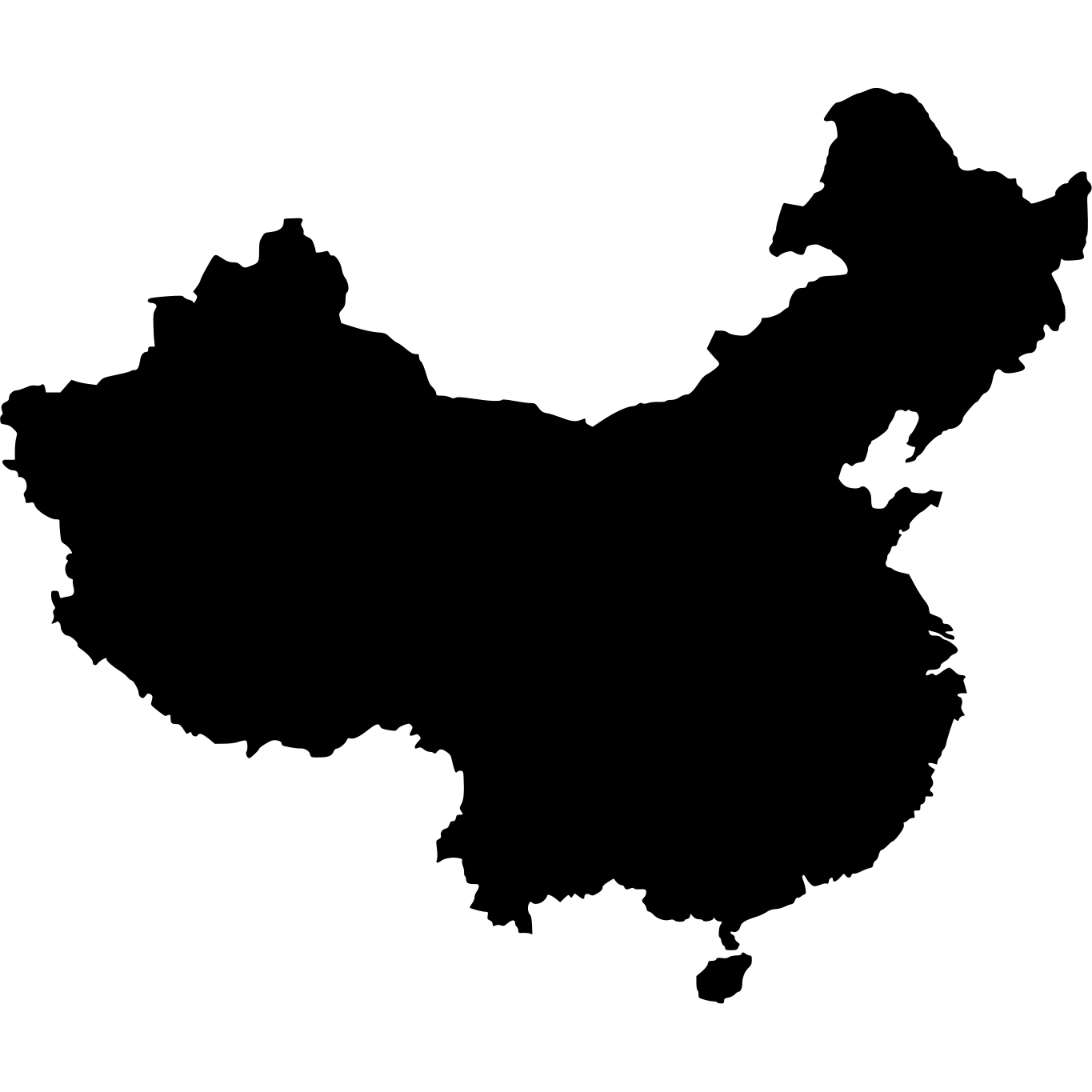
Little Dream Garden is a Chinese brand

We're dedicated to providing you with the most up-to-date and science-backed ingredient info out there.
The data we've presented on this page has been verified by a member of the SkinSort Team.
Read more about us· Updated January 27, 2026 • Added by caprisunss


