
What's inside
What's inside
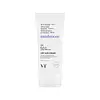 Key Ingredients
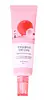
Benefits
Concerns
Ingredients Side-by-side
Water
Skin ConditioningPropanediol
Solvent

Dibutyl Adipate
EmollientDiethylamino Hydroxybenzoyl Hexyl Benzoate
UV Filter
Bis-Ethylhexyloxyphenol Methoxyphenyl Triazine
Skin Conditioning
Ethylhexyl Triazone
UV Absorber
Caprylyl Methicone
Skin Conditioning
Methylene Bis-Benzotriazolyl Tetramethylbutylphenol
UV Filter
Butyloctyl Salicylate
Skin Conditioning
C12-15 Alkyl Benzoate
AntimicrobialNiacinamide
Smoothing










Polymethylsilsesquioxane
Vinyl Dimethicone/Methicone Silsesquioxane Crosspolymer
Butylene Glycol
Humectant
1,2-Hexanediol
Skin Conditioning
Pentylene Glycol
Skin Conditioning
Cetearyl Alcohol
Emollient




Polyglyceryl-3 Methylglucose Distearate
Emulsifying
Saccharomyces Ferment Filtrate
Humectant
Decyl Glucoside
Cleansing
Poly C10-30 Alkyl Acrylate
Emulsion StabilisingTromethamine
BufferingSodium Stearoyl Glutamate
CleansingCarbomer
Emulsion StabilisingAcrylates/C10-30 Alkyl Acrylate Crosspolymer
Emulsion StabilisingAmmonium Acryloyldimethyltaurate/Vp Copolymer
Methylpropanediol
SolventEthylhexylglycerin
Skin ConditioningAdenosine
Skin Conditioning
Trisodium Ethylenediamine Disuccinate
Glycerin
Humectant
Polyether-1
Albatrellus Confluens Extract
Humectant
Laureth-4
Emulsifying
Xanthan Gum
EmulsifyingAllantoin
Skin Conditioning
Squalane
Emollient
Panthenol
Skin Conditioning
Hydrolyzed Rye Phytoplacenta Extract
Skin ConditioningSparassis Crispa Extract
Emulsion StabilisingGanoderma Lucidum Extract
Skin Protecting
Lactobacillus Ferment
Skin Conditioning
Lentinus Edodes Extract
Skin ConditioningTrametes Versicolor Extract
Tremella Fuciformis Extract
Humectant
Tocopherol
Antioxidant

Lentinus Edodes Mycelium Extract
Skin ConditioningBeta-Glucan
Skin Conditioning
Water, Propanediol, Dibutyl Adipate, Diethylamino Hydroxybenzoyl Hexyl Benzoate, Bis-Ethylhexyloxyphenol Methoxyphenyl Triazine, Ethylhexyl Triazone, Caprylyl Methicone, Methylene Bis-Benzotriazolyl Tetramethylbutylphenol, Butyloctyl Salicylate, C12-15 Alkyl Benzoate, Niacinamide, Polymethylsilsesquioxane, Vinyl Dimethicone/Methicone Silsesquioxane Crosspolymer, Butylene Glycol, 1,2-Hexanediol, Pentylene Glycol, Cetearyl Alcohol, Polyglyceryl-3 Methylglucose Distearate, Saccharomyces Ferment Filtrate, Decyl Glucoside, Poly C10-30 Alkyl Acrylate, Tromethamine, Sodium Stearoyl Glutamate, Carbomer, Acrylates/C10-30 Alkyl Acrylate Crosspolymer, Ammonium Acryloyldimethyltaurate/Vp Copolymer, Methylpropanediol, Ethylhexylglycerin, Adenosine, Trisodium Ethylenediamine Disuccinate, Glycerin, Polyether-1, Albatrellus Confluens Extract, Laureth-4, Xanthan Gum, Allantoin, Squalane, Panthenol, Hydrolyzed Rye Phytoplacenta Extract, Sparassis Crispa Extract, Ganoderma Lucidum Extract, Lactobacillus Ferment, Lentinus Edodes Extract, Trametes Versicolor Extract, Tremella Fuciformis Extract, Tocopherol, Lentinus Edodes Mycelium Extract, Beta-Glucan
Water
Skin ConditioningPropanediol
Solvent
Butylene Glycol
Humectant
Ethylhexyl Triazone
UV Absorber
Terephthalylidene Dicamphor Sulfonic Acid
UV Absorber
Dibutyl Adipate
EmollientDiisopropyl Adipate
EmollientHydrogenated Polyisobutene
EmollientC12-15 Alkyl Benzoate
AntimicrobialNiacinamide
Smoothing
Tromethamine
BufferingC11-13 Isoparaffin
Solvent
Diethylamino Hydroxybenzoyl Hexyl Benzoate
UV Filter
Methyl Trimethicone
Skin Conditioning
Polymethylsilsesquioxane
Polysilicone-15
UV Filter
Silica
Abrasive
Pentylene Glycol
Skin Conditioning
Hydroxyethyl Urea
Humectant
Cetearyl Olivate
C13-16 Isoalkane
SolventBis-Ethylhexyloxyphenol Methoxyphenyl Triazine
Skin Conditioning
Poly C10-30 Alkyl Acrylate
Emulsion StabilisingSorbitan Olivate
Emulsifying
Behenyl Alcohol
Emollient
Hydroxyacetophenone
Antioxidant
Dimethicone/Vinyl Dimethicone Crosspolymer
Skin Conditioning
Sodium Polyacryloyldimethyl Taurate
Emulsion StabilisingDimethiconol
Emollient
Arginine
Masking
Dehydroxanthan Gum
Emulsion StabilisingGlyceryl Stearate
Emollient
Sodium Hyaluronate
Humectant
Sodium Stearoyl Glutamate
CleansingMethylpropanediol
SolventPolyether-1
Polyacrylate Crosspolymer-6
Emulsion StabilisingAdenosine
Skin Conditioning
Cyanocobalamin
Skin ConditioningCaprylic/Capric Triglyceride
Masking
Dimethyl Isosorbide
SolventOctadecane
Emollient
Lactic Acid/Glycolic Acid Copolymer
Skin ConditioningCamellia Japonica Flower Extract
EmollientHydroxypinacolone Retinoate
Skin Conditioning
Glycerin
Humectant
Hydrolyzed Collagen
Emollient
Inositol
Humectant
Collagen
Moisturising
Caprylyl Glycol
Emollient
Ethylhexylglycerin
Skin ConditioningQuercetin
Antioxidant
1,2-Hexanediol
Skin Conditioning
Carbomer
Emulsion StabilisingXanthan Gum
EmulsifyingWater, Propanediol, Butylene Glycol, Ethylhexyl Triazone, Terephthalylidene Dicamphor Sulfonic Acid, Dibutyl Adipate, Diisopropyl Adipate, Hydrogenated Polyisobutene, C12-15 Alkyl Benzoate, Niacinamide, Tromethamine, C11-13 Isoparaffin, Diethylamino Hydroxybenzoyl Hexyl Benzoate, Methyl Trimethicone, Polymethylsilsesquioxane, Polysilicone-15, Silica, Pentylene Glycol, Hydroxyethyl Urea, Cetearyl Olivate, C13-16 Isoalkane, Bis-Ethylhexyloxyphenol Methoxyphenyl Triazine, Poly C10-30 Alkyl Acrylate, Sorbitan Olivate, Behenyl Alcohol, Hydroxyacetophenone, Dimethicone/Vinyl Dimethicone Crosspolymer, Sodium Polyacryloyldimethyl Taurate, Dimethiconol, Arginine, Dehydroxanthan Gum, Glyceryl Stearate, Sodium Hyaluronate, Sodium Stearoyl Glutamate, Methylpropanediol, Polyether-1, Polyacrylate Crosspolymer-6, Adenosine, Cyanocobalamin, Caprylic/Capric Triglyceride, Dimethyl Isosorbide, Octadecane, Lactic Acid/Glycolic Acid Copolymer, Camellia Japonica Flower Extract, Hydroxypinacolone Retinoate, Glycerin, Hydrolyzed Collagen, Inositol, Collagen, Caprylyl Glycol, Ethylhexylglycerin, Quercetin, 1,2-Hexanediol, Carbomer, Xanthan Gum
Reviews
Ingredients Explained
These ingredients are found in both products.
Ingredients higher up in an ingredient list are typically present in a larger amount.
1,2-Hexanediol is a synthetic liquid and another multi-functional powerhouse.
It is a:
- Humectant, drawing moisture into the skin
- Emollient, helping to soften skin
- Solvent, dispersing and stabilizing formulas
- Preservative booster, enhancing the antimicrobial activity of other preservatives
Adenosine is in every living organism. It is one of four components in nucleic acids that helps store our DNA.
Adenosine has many benefits when used. These benefits include hydrating the skin, smoothing skin, and reducing wrinkles. Once applied, adenosine increases collagen production. It also helps with improving firmness and tissue repair.
Studies have found adenosine may also help with wound healing.
In skincare products, Adenosine is usually derived from yeast.
Learn more about AdenosineThis ingredient is better known as bemotrizinol or Tinosorb S and is one of the best broad-spectrum UV filters in modern sunscreen.
It works by absorbing UV light across a whole range (280-400 nm) with peaks around 310 nm (UVB) and 340-345 nm (UVA). This means it covers UVB plus the deeper UVA wavelengths that drive photoaging and pigmentation.
Another pro?
It's exceptionally photostable, barely degrades in sunlight, and acts as a "bodyguard" for less stable filters.
That's why you'll see it paired with avobenzone or octinoxate; this team up ensures they keep working through sun exposure.
Safety reviews have been reassuring across the board. This ingredient shows low absorption through the skin, rarely irritates, and lab studies found it doesn't act like a hormone in the body (a concern that's been raised about some older sunscreen filters).
On maximum concentrations:
In 2026, the US F.D.A finally added it as an OTC sunscreen ingredient at concentrations up to 6% for adults / children 6 months and older
Learn more about Bis-Ethylhexyloxyphenol Methoxyphenyl TriazineButylene Glycol (or BG) is used within cosmetic products for a few different reasons:
Overall, Butylene Glycol is a safe and well-rounded ingredient that works well with other ingredients.
Though this ingredient works well with most skin types, some people with sensitive skin may experience a reaction such as allergic rashes, closed comedones, or itchiness.
Learn more about Butylene GlycolC12-15 Alkyl Benzoate is a lightweight emollient made by combinig benzoic acid with fatty alcohols that are 12-15 carbons long.
In cosmetics, it plays several roles:
The Cosmetic Review Expert Panel has concluded the alkyl benzoate group to be safe as used in cosmetics; it wasn't found to be a skin irritant and unlikely to be absorbed due to its low water solubility.
This report recorded almost 1000 reported uses with concentrations up to 59% in leave-on products but your cosmetics will typically use 0.5-15% depending on the product.
It's often called a "SPF booster": this is because it keeps UV filters properly dissolved and evenly distributed to support a sunscreen's performance. It doesn't actually raise SPF on its own.
Overall, this ingredient is well tolerated.
This ingredient is fungal acne safe because it is an ester of benzoic acid.
Think of this ingredient as two parts stuck together: an oily part and an acid part. Malassezia only gets a meal when it can snip off a fatty acid to eat. With C12-15 Alkyl Benzoate, the acid part is benzoic acid, which isn't a fatty acid and which the yeast can't use as food.
Benzoic acid is actually used as a preservative to stop yeast from growing.
The oily part is a blend of C12-15 fatty alcohols but fatty alcohols in this size range can support only a little Malassezia growth (mostly for one species of Malassezia as well).
In the ingredient, those alcohols stay locked inside the molecule. The yeast can only reach them by snipping the benzoate bond, and that type of bond is harder for it to cut than a normal fatty bond.
So not much gets released. And whatever does get snipped comes packaged with benzoic acid, which discourages yeast growth.
Learn more about C12-15 Alkyl BenzoateCarbomer is a high-molecular weight polymer of acrylic acid. It is used to form gels and thicken formulas.
Due to its large molecular size, carbomer has minimal skin penetration and is considered an inert ingredient.
A high amount of carbomer can cause pilling or balling up of products. Don't worry, most products contain 1% or less of carbomer.
Learn more about CarbomerDibutyl Adipate is a lightweight, oil-soluble ester that acts as an emollient and solvent. It helps products spread more easily and leaves a soft, silky, dry-touch finish without being greasy.
You'll likely see this ingredient in sunscreens because it does a nice job dissolving UV filters and keeping them evenly distributed.
This ingredient has been found to be safe as used in cosmetics, wasn't a skin or eye irritant in clinical patch testing, and wasn't phototoxic.
In a clinical comedogenicity test, this ingredient tested negative so it isn't likely to clog pores.
Typical use levels are about 5-8% for sunscreens + nail products, but can range from 0.005%-8% depending on the product.
Learn more about Dibutyl AdipateDiethylamino Hydroxybenzoyl Hexyl Benzoate (DHHB) is a chemical UV-A absorber. It is formulated for high UVA protection (320-400 nm).
DHHB is well-liked for:
DHHB has been approved by the EU, Japan, Taiwan, and South America for use up to 10%. Unfortunately, it has not been approved for use in the US or Canada due to slow regulatory processes.
This ingredient is soluble in oils, fats, and lipids.
Learn more about Diethylamino Hydroxybenzoyl Hexyl BenzoateEthylhexyl Triazone (aka Octyl Triazone) is an oil-soluble organic UVB filter. It has peak absorption around 314 nm, right in the middle of the UVB range.
This ingredient is described as one of the most effective UVB filters available and small concentrations are enough to deliver a high SPF thanks to its strong UV absorbing power.
Formulators love it for its stability; its ability to filter UV stays practically unchanged even under intense radiation and it can also help boost the photostability of less stable filters like avobenzone.
It's also a great pick for water resistant products because it's insoluble in water and has a good affinity for keratin.
Because it's a big, heavy molecule, the European Scientific Committee has found to to have very low dermal penetration and negative results for allergenicity.
In vitro testing also showed a low absorption rate and clean results on irritation.
Typical use levels are 1-5% with 5% being the maximum in the EU, Japan, and other markets that allow it. However, this ingredient is not approved yet in the US or Canada.
Learn more about Ethylhexyl TriazoneEthylhexylglycerin is created from glycerin. It is a multitasker ingredient that:
The CIR Expert Panel found minimal skin absorption or sensitization of any kind in a safety assessment. Though this ingredient is considered well-tolerated, a small number of cases of allergic dermatitis have been published since 2002. Just be sure to patch test if you are unsure.
Industry-reported use ranges from 8% in rinse-off products and 2% in leave-on formulations.
Learn more about EthylhexylglycerinGlycerin (or glycerol) is a compound naturally found in your skin. It's a powerhouse humectant that pulls water into the stratum corneum.
Topically, glycerin does several things at once:
Your skin makes glycerin on its own (mostly from sebaceous oil breakdown) and shuttles it to your outermost layer of skin, or your epidermis, via aquaporin-3.
Aquaporin-3 is a transporter that is essential for normal skin hydration, elasticity, and repair. Interestingly, mice lacking in AQP3 have dry and less elastic skin that can be fully corrected with glycerin.
This ingredient is non-irritating, plays well with almost every ingredient, and works across all skin types. Typical use is anywhere between 3-10% but can go up to 79% in some leave-on products.
Just know very high concentrations (>40%) can feel tacky in low humidity.
Glycerin is the name for this ingredient in American English. British English uses Glycerol/Glycerine.
Learn more about GlycerinMethylpropanediol is a synthetic solvent and humectant.
As a solvent, it helps dissolve other ingredients, helping to evenly distribute ingredients throughout the product. This ingredient has also been shown to have antimicrobial properties which makes it a preservative booster.
Methylpropanediol is able to add a bit of moisture to the skin. It also helps other ingredients be better absorbed into the skin, such as salicylic acid.
Learn more about MethylpropanediolNiacinamide is a multitasking form of vitamin B3 that strengthens the skin barrier, reduces pores and dark spots, regulates oil, and improves signs of aging.
And the best part? It's gentle and well-tolerated by most skin types, including sensitive and reactive skin.
You might have heard of "niacin flush", or the reddening of skin that causes itchiness. Niacinamide has not been found to cause this.
In very rare cases, some individuals may not be able to tolerate niacinamide at all or experience an allergic reaction to it.
If you are experiencing flaking, irritation, and dryness with this ingredient, be sure to double check all your products as this ingredient can be found in all categories of skincare.
When incorporating niacinamide into your routine, look out for concentration amounts. Typically, 5% niacinamide provides benefits such as fading dark spots. However, if you have sensitive skin, it is better to begin with a smaller concentration.
When you apply niacinamide to your skin, your body converts it into nicotinamide adenine dinucleotide (NAD). NAD is an essential coenzyme that is already found in your cells as "fuel" and powers countless biological processes.
In your skin, NAD helps repair cell damage, produce new healthy cells, support collagen production, strengthen the skin barrier, and fight environmental stressors (like UV and pollution).
Our natural NAD levels start to decline with age, leading to slower skin repair, visible aging, and a weaker skin barrier. By providing your skin niacinamide, you're recharging your skin's NAD levels. This leads to stronger, healthier, and younger looking skin.
Another name for vitamin B3 is nicotinamide. This vitamin is water-soluble and our bodies don't store it. We obtain Vitamin B3 from either food or skincare. Meat, fish, wheat, yeast, and leafy greens contain vitamin B3.
The type of niacinamide used in skincare is synthetically created.
Learn more about NiacinamidePentylene glycol is typically used within a product to thicken it. It also adds a smooth, soft, and moisturizing feel to the product. It is naturally found in plants such as sugar beets.
The hydrophilic trait of Pentylene Glycol makes it a humectant. As a humectant, Pentylene Glycol helps draw moisture from the air to your skin. This can help keep your skin hydrated.
This property also makes Pentylene Glycol a great texture enhancer. It can also help thicken or stabilize a product.
Pentylene Glycol also acts as a mild preservative and helps to keep a product microbe-free.
Some people may experience mild eye and skin irritation from Pentylene Glycol. We always recommend speaking with a professional about using this ingredient in your routine.
Pentylene Glycol has a low molecular weight and is part of the 1,2-glycol family.
Learn more about Pentylene GlycolThis ingredient is a polymer made from acrylic acid esters and long-chain (C10–C30) alcohols.
It is used as an emulsion stabilizer and viscosity controlling agent. This helps products maintain a smooth and uniform texture.
We don't have a description for Polyether-1 yet.
Polymethylsilsesquioxane is a silicone used as a film forming agent.
When applied to the skin, this ingredient creates an invisible film on the surface. This film still allows oxygen to pass through, but prevents moisture from escaping. This can help condition and hydrate the skin. It also leaves a silky feel when applied.
Polymethylsilsesquioxane has not been shown to clog pores. It has been deemed safe to use up to 55%, but most cosmetics use much less.
If you have concerns about using this ingredient, we recommend speaking with a professional.
Learn more about PolymethylsilsesquioxanePropanediol is an all-star ingredient. It softens, hydrates, and smooths the skin.
It’s often used to:
Propanediol is not likely to cause sensitivity and considered safe to use. It is derived from corn or petroleum with a clear color and no scent.
Learn more about PropanediolSodium Stearoyl Glutamate is an amino-acid based emulsifier. It is made by combining stearic acid with L-glutamic acid and neutralizing it to a sodium salt.
As an emulsifier, it works mainly as an oil-in-water one and helps keep the oil and water in your formulas blended. It also contributes to a smooth, non-greasy skin feel.
This ingredient is biodegradable and commonly available in natural/COSMOS-certified grades.
Learn more about Sodium Stearoyl GlutamateTromethamine helps balance the pH and improve the texture of a product. It is synthetically created.
As an emulsifier, Tromethamine prevents oil and water ingredients from separating. This helps stabilize the product and elongate a product's shelf life. Tromethamine also makes a product thicker.
Tromethamine helps balance the pH level of a product. Normal pH level of skin is slightly acidic (~4.75-5.5). The acidity of our skin is maintained by our glands and skin biome. Being slightly acidic allows our skin to create an "acid mantle". This acid mantle is a thin barrier that protects our skin from bacteria and contaminants.
Oral Tromethanmine is an anti-inflammatory drug but plays the role of masking, adding fragrance, and/or balancing pH in skincare.
1,3-Propanediol, 2-amino-2-(hydroxymethyl)-
Learn more about TromethamineWater. It's the most common cosmetic ingredient of all. You'll usually see it at the top of ingredient lists, meaning that it makes up the largest part of the product.
So why is it so popular? Water most often acts as a solvent - this means that it helps dissolve other ingredients into the formulation.
You'll also recognize water as that liquid we all need to stay alive. If you see this, drink a glass of water. Remember to stay hydrated!
Learn more about WaterXanthan gum is used as a stabilizer and thickener within cosmetic products. It helps give products a sticky, thick feeling - preventing them from being too runny.
On the technical side of things, xanthan gum is a polysaccharide - a combination consisting of multiple sugar molecules bonded together.
Xanthan gum is a pretty common and great ingredient. It is a natural, non-toxic, non-irritating ingredient that is also commonly used in food products.
Learn more about Xanthan Gum
