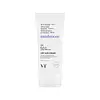
This chemical sunscreen covers the full UV range and blocks ~98% of UVB at SPF 50.
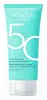
This chemical sunscreen covers most of the UV range, lighter on the deep UVA that drives aging.


What's inside
What's inside
 Key Ingredients
Benefits
Concerns
Ingredients Side-by-side
Water
Skin ConditioningPropanediol
Solvent

Dibutyl Adipate
EmollientDiethylamino Hydroxybenzoyl Hexyl Benzoate
UV Filter
Bis-Ethylhexyloxyphenol Methoxyphenyl Triazine
UV Absorber
Ethylhexyl Triazone
UV Absorber
Caprylyl Methicone
Skin Conditioning
Methylene Bis-Benzotriazolyl Tetramethylbutylphenol
UV Filter
Butyloctyl Salicylate
Skin Conditioning
C12-15 Alkyl Benzoate
AntimicrobialNiacinamide
Smoothing










Polymethylsilsesquioxane
Vinyl Dimethicone/Methicone Silsesquioxane Crosspolymer
Butylene Glycol
Humectant
1,2-Hexanediol
Skin Conditioning
Pentylene Glycol
Skin Conditioning
Cetearyl Alcohol
Emollient






Polyglyceryl-3 Methylglucose Distearate
Emulsifying
Saccharomyces Ferment Filtrate
Humectant
Decyl Glucoside
Cleansing
Poly C10-30 Alkyl Acrylate
Emulsion StabilisingTromethamine
BufferingSodium Stearoyl Glutamate
CleansingCarbomer
Emulsion StabilisingAcrylates/C10-30 Alkyl Acrylate Crosspolymer
Emulsion StabilisingAmmonium Acryloyldimethyltaurate/Vp Copolymer
Methylpropanediol
SolventEthylhexylglycerin
Skin ConditioningAdenosine
Skin Conditioning
Trisodium Ethylenediamine Disuccinate
ChelatingGlycerin
Humectant
Polyether-1
Albatrellus Confluens Extract
Humectant
Laureth-4
Emulsifying
Xanthan Gum
EmulsifyingAllantoin
Skin Conditioning
Squalane
Emollient
Panthenol
Skin Conditioning
Hydrolyzed Rye Phytoplacenta Extract
Skin ConditioningSparassis Crispa Extract
Emulsion StabilisingGanoderma Lucidum Extract
Skin Protecting
Lactobacillus Ferment
Skin Conditioning
Lentinus Edodes Extract
Skin ConditioningTrametes Versicolor Extract
Tremella Fuciformis Extract
Humectant
Tocopherol
Antioxidant

Lentinus Edodes Mycelium Extract
Skin ConditioningBeta-Glucan
Skin Conditioning
Water, Propanediol, Dibutyl Adipate, Diethylamino Hydroxybenzoyl Hexyl Benzoate, Bis-Ethylhexyloxyphenol Methoxyphenyl Triazine, Ethylhexyl Triazone, Caprylyl Methicone, Methylene Bis-Benzotriazolyl Tetramethylbutylphenol, Butyloctyl Salicylate, C12-15 Alkyl Benzoate, Niacinamide, Polymethylsilsesquioxane, Vinyl Dimethicone/Methicone Silsesquioxane Crosspolymer, Butylene Glycol, 1,2-Hexanediol, Pentylene Glycol, Cetearyl Alcohol, Polyglyceryl-3 Methylglucose Distearate, Saccharomyces Ferment Filtrate, Decyl Glucoside, Poly C10-30 Alkyl Acrylate, Tromethamine, Sodium Stearoyl Glutamate, Carbomer, Acrylates/C10-30 Alkyl Acrylate Crosspolymer, Ammonium Acryloyldimethyltaurate/Vp Copolymer, Methylpropanediol, Ethylhexylglycerin, Adenosine, Trisodium Ethylenediamine Disuccinate, Glycerin, Polyether-1, Albatrellus Confluens Extract, Laureth-4, Xanthan Gum, Allantoin, Squalane, Panthenol, Hydrolyzed Rye Phytoplacenta Extract, Sparassis Crispa Extract, Ganoderma Lucidum Extract, Lactobacillus Ferment, Lentinus Edodes Extract, Trametes Versicolor Extract, Tremella Fuciformis Extract, Tocopherol, Lentinus Edodes Mycelium Extract, Beta-Glucan
Water
Skin ConditioningEthylhexyl Methoxycinnamate
UV Absorber
Octocrylene
UV Absorber
Butyl Methoxydibenzoylmethane
UV Absorber
Polymethyl Methacrylate
Dimethicone
Emollient
Ethylhexyl Triazone
UV Absorber
Ammonium Acryloyldimethyltaurate/Vp Copolymer
Phenoxyethanol
Preservative
Arachidyl Alcohol
Emollient
Dipropylene Glycol
HumectantButylene Glycol
Humectant
Behenyl Alcohol
Emollient
Chlorphenesin
Antimicrobial
Allantoin
Skin Conditioning
Glycerin
Humectant
Arachidyl Glucoside
EmulsifyingParfum
Masking

Kaolin
Abrasive
Xanthan Gum
EmulsifyingPropanediol
Solvent
Disodium EDTA
ChelatingLecithin
Emollient
BHT
Antioxidant
Trideceth-9
EmulsifyingCentella Asiatica Extract
Cleansing
Vitis Vinifera Leaf Extract
Skin ConditioningPEG-40 Hydrogenated Castor Oil
Emulsifying
Haberlea Rhodopensis Leaf Extract
Skin ConditioningArtemisia Capillaris Flower Extract
Skin ConditioningEthylhexylglycerin
Skin ConditioningPolysorbate 20
Emulsifying
CI 42090
Cosmetic ColorantCI 19140
Cosmetic ColorantWater, Ethylhexyl Methoxycinnamate, Octocrylene, Butyl Methoxydibenzoylmethane, Polymethyl Methacrylate, Dimethicone, Ethylhexyl Triazone, Ammonium Acryloyldimethyltaurate/Vp Copolymer, Phenoxyethanol, Arachidyl Alcohol, Dipropylene Glycol, Butylene Glycol, Behenyl Alcohol, Chlorphenesin, Allantoin, Glycerin, Arachidyl Glucoside, Parfum, Kaolin, Xanthan Gum, Propanediol, Disodium EDTA, Lecithin, BHT, Trideceth-9, Centella Asiatica Extract, Vitis Vinifera Leaf Extract, PEG-40 Hydrogenated Castor Oil, Haberlea Rhodopensis Leaf Extract, Artemisia Capillaris Flower Extract, Ethylhexylglycerin, Polysorbate 20, CI 42090, CI 19140
Reviews
Ingredients Explained
These ingredients are found in both products.
Ingredients higher up in an ingredient list are typically present in a larger amount.
Allantoin is a soothing ingredient known for its protective and moisturizing properties; it's basically a quiet workhorse ingredient you can find in a huge range of cosmetics.
Though it can be derived from the comfrey plant, allantoin is produced synthetically for cosmetic products to ensure purity.
Research shows it can encourage your skin cells to turn over and renew by stimulating keratinocyte and fibroblast proliferation.
It also has mild keratolytic properties to help loosen and shed dead skin cells without being harsh.
Studies also suggest allantoin can help calm inflammation by dialing down some of the chemical signals your skin sends out when it is irritated.
This ingredient is typically used in the 0.1-0.5% range, and the FDA recognizes it as a skin protectant in OTC products up to 2%.
Overall, allantoin is a wonderful addition to most routines; it is stable across a wide pH range (~4-8), works well with other ingredients, and is considered non-sensitizing/non-irritating.
Fun fact: Allantoin is naturally occurring in comfrey root, beets, chamomile, and wheat sprouts. Our bodies even produce it as a byproduct of uric acid metabolism.
Learn more about AllantoinAmmonium Acryloyldimethyltaurate/Vp Copolymer is a synthetically created polymer. It's used as a film-forming agent and used to thicken the consistency of products.
Think of it as a supportive ingredient that helps your gel-creams feel silky, "cloud cream-like", and spread evenly without being greasy.
The Cosmetic Ingredient Review (CIR) Expert Panel evaluated it (along with 22 other acryloyldimethyltaurate polymers) and concluded it's:
Due to its large molecular size, it sits on the surface of skin rather than penetrating it.
Learn more about Ammonium Acryloyldimethyltaurate/Vp CopolymerButylene Glycol (or BG) is used within cosmetic products for a few different reasons:
Overall, Butylene Glycol is a safe and well-rounded ingredient that works well with other ingredients.
Though this ingredient works well with most skin types, some people with sensitive skin may experience a reaction such as allergic rashes, closed comedones, or itchiness.
Learn more about Butylene GlycolEthylhexyl Triazone (aka Octyl Triazone) is an oil-soluble organic UVB filter. It has peak absorption around 314 nm, right in the middle of the UVB range.
This ingredient is described as one of the most effective UVB filters available and small concentrations are enough to deliver a high SPF thanks to its strong UV absorbing power.
Formulators love it for its stability; its ability to filter UV stays practically unchanged even under intense radiation and it can also help boost the photostability of less stable filters like avobenzone.
It's also a great pick for water resistant products because it's insoluble in water and has a good affinity for keratin.
Because it's a big, heavy molecule, the European Scientific Committee has found to to have very low dermal penetration and negative results for allergenicity.
In vitro testing also showed a low absorption rate and clean results on irritation.
Typical use levels are 1-5% with 5% being the maximum in the EU, Japan, and other markets that allow it. However, this ingredient is not approved yet in the US or Canada.
Learn more about Ethylhexyl TriazoneEthylhexylglycerin is created from glycerin. It is a multitasker ingredient that:
The CIR Expert Panel found minimal skin absorption or sensitization of any kind in a safety assessment. Though this ingredient is considered well-tolerated, a small number of cases of allergic dermatitis have been published since 2002. Just be sure to patch test if you are unsure.
Industry-reported use ranges from 8% in rinse-off products and 2% in leave-on formulations.
Learn more about EthylhexylglycerinGlycerin (or glycerol) is a compound naturally found in your skin. It's a powerhouse humectant that pulls water into the stratum corneum.
Topically, glycerin does several things at once:
Your skin makes glycerin on its own (mostly from sebaceous oil breakdown) and shuttles it to your outermost layer of skin, or your epidermis, via aquaporin-3.
Aquaporin-3 is a transporter that is essential for normal skin hydration, elasticity, and repair. Interestingly, mice lacking in AQP3 have dry and less elastic skin that can be fully corrected with glycerin.
This ingredient is non-irritating, plays well with almost every ingredient, and works across all skin types. Typical use is anywhere between 3-10% but can go up to 79% in some leave-on products.
Just know very high concentrations (>40%) can feel tacky in low humidity.
Glycerin is the name for this ingredient in American English. British English uses Glycerol/Glycerine.
Learn more about GlycerinPropanediol is an all-star ingredient. It softens, hydrates, and smooths the skin.
It’s often used to:
Propanediol is not likely to cause sensitivity and considered safe to use. It is derived from corn or petroleum with a clear color and no scent.
Learn more about PropanediolWater. It's the most common cosmetic ingredient of all. You'll usually see it at the top of ingredient lists, meaning that it makes up the largest part of the product.
So why is it so popular? Water most often acts as a solvent - this means that it helps dissolve other ingredients into the formulation.
You'll also recognize water as that liquid we all need to stay alive. If you see this, drink a glass of water. Remember to stay hydrated!
Learn more about WaterXanthan gum is used as a stabilizer and thickener within cosmetic products. It helps give products a sticky, thick feeling - preventing them from being too runny.
On the technical side of things, xanthan gum is a polysaccharide - a combination consisting of multiple sugar molecules bonded together.
Xanthan gum is a pretty common and great ingredient. It is a natural, non-toxic, non-irritating ingredient that is also commonly used in food products.
Learn more about Xanthan Gum

