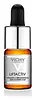
This brightening serum is formulated around Ascorbic Acid and Tocopherol to brighten dull-looking skin and soften the look of wrinkles.
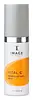
This hydrating serum is formulated around Aloe Barbadensis Leaf Juice and Magnesium Ascorbyl Phosphate to hydrate skin.


What's inside
What's inside
 Key Ingredients
Benefits
Concerns
Ingredients Side-by-side




Aloe Barbadensis Leaf Juice
Skin Conditioning


Water
Skin ConditioningGlycerin
Humectant

Citrus Aurantium Dulcis Oil
Masking
Caprylic/Capric Triglyceride
Masking
Limonene
Perfuming




C12-15 Alkyl Benzoate
AntimicrobialCetearyl Olivate

Sorbitan Olivate
Emulsifying
Imperata Cylindrica Root Extract
Skin ConditioningMagnesium Ascorbyl Phosphate
Antioxidant





PPG-12/Smdi Copolymer
EmollientTetrahexyldecyl Ascorbate
Antioxidant
Glyceryl Stearate
Emollient
PEG-100 Stearate
Surfactant
Cetyl Alcohol
Emollient
Dimethicone
Emollient
Di-PPG-2 Myreth-10 Adipate
Emollient
Stearic Acid
Cleansing
Phenoxyethanol
Preservative
Ethylhexyl Methoxycinnamate
UV Absorber

Panthenol
Skin Conditioning
Prunus Amygdalus Dulcis Oil
Skin Conditioning
Xanthan Gum
EmulsifyingCaprylyl Glycol
Emollient
Butylene Glycol
Humectant
Tocopheryl Acetate
Antioxidant
Glycine Soja Sterols
Emollient
Linoleic Acid
Cleansing
Phospholipids
Skin Conditioning
Simmondsia Chinensis Seed Oil
Emollient
Squalene
Emollient
Propylene Glycol
Humectant
Ethylhexylglycerin
Skin ConditioningGlucosamine Hcl
Hexylene Glycol
EmulsifyingLinoleamidopropyl Pg-Dimonium Chloride Phosphate
PEG-8
HumectantPisum Sativum Extract
Skin ConditioningCitrus Nobilis Peel Oil
Masking
Dipotassium Glycyrrhizate
Humectant
Phyllanthus Emblica Fruit Extract
HumectantStearyl Glycyrrhetinate
Skin ConditioningBambusa Vulgaris Leaf/Stem Extract
HumectantTocopherol
Antioxidant
Magnesium Aluminum Silicate
Absorbent
Olea Europaea Leaf Extract
Perfuming
Disodium EDTA
Eugenia Caryophyllus Leaf Oil
Masking
Yeast Polysaccharides
Skin ConditioningSodium Hyaluronate
Humectant
Glyceryl Polymethacrylate
Carbomer
Emulsion StabilisingEugenol
Perfuming
Ascorbyl Palmitate
Antioxidant
Citric Acid
Buffering
Benzoic Acid
Masking
Camellia Sinensis Leaf Extract
Antimicrobial
Ascorbic Acid
Antioxidant
Sodium Lactate
Buffering
Polysorbate 20
Emulsifying
Acrylates/C10-30 Alkyl Acrylate Crosspolymer
Emulsion StabilisingSpiraea Ulmaria Flower Extract
Skin ConditioningTaurine
BufferingCorallina Officinalis Extract
Skin Conditioning
Vitis Vinifera Seed Extract
Antimicrobial
Centella Asiatica Flower/Leaf/Stem Extract
Skin Conditioning
Centella Asiatica Extract
Cleansing
Potassium Sorbate
Preservative
BHT
Antioxidant
Acetyl Hexapeptide-8
Humectant
Darutoside
Skin ConditioningPalmitoyl Pentapeptide-4
Skin Conditioning
Arginine
Masking
Leucine
Skin ConditioningLysine
Skin ConditioningSodium Benzoate
Masking
Valine
MaskingPalmitoyl Tripeptide-1
Skin Conditioning
Aloe Barbadensis Leaf Juice, Water, Glycerin, Citrus Aurantium Dulcis Oil, Caprylic/Capric Triglyceride, Limonene, C12-15 Alkyl Benzoate, Cetearyl Olivate, Sorbitan Olivate, Imperata Cylindrica Root Extract, Magnesium Ascorbyl Phosphate, PPG-12/Smdi Copolymer, Tetrahexyldecyl Ascorbate, Glyceryl Stearate, PEG-100 Stearate, Cetyl Alcohol, Dimethicone, Di-PPG-2 Myreth-10 Adipate, Stearic Acid, Phenoxyethanol, Ethylhexyl Methoxycinnamate, Panthenol, Prunus Amygdalus Dulcis Oil, Xanthan Gum, Caprylyl Glycol, Butylene Glycol, Tocopheryl Acetate, Glycine Soja Sterols, Linoleic Acid, Phospholipids, Simmondsia Chinensis Seed Oil, Squalene, Propylene Glycol, Ethylhexylglycerin, Glucosamine Hcl, Hexylene Glycol, Linoleamidopropyl Pg-Dimonium Chloride Phosphate, PEG-8, Pisum Sativum Extract, Citrus Nobilis Peel Oil, Dipotassium Glycyrrhizate, Phyllanthus Emblica Fruit Extract, Stearyl Glycyrrhetinate, Bambusa Vulgaris Leaf/Stem Extract, Tocopherol, Magnesium Aluminum Silicate, Olea Europaea Leaf Extract, Disodium EDTA, Eugenia Caryophyllus Leaf Oil, Yeast Polysaccharides, Sodium Hyaluronate, Glyceryl Polymethacrylate, Carbomer, Eugenol, Ascorbyl Palmitate, Citric Acid, Benzoic Acid, Camellia Sinensis Leaf Extract, Ascorbic Acid, Sodium Lactate, Polysorbate 20, Acrylates/C10-30 Alkyl Acrylate Crosspolymer, Spiraea Ulmaria Flower Extract, Taurine, Corallina Officinalis Extract, Vitis Vinifera Seed Extract, Centella Asiatica Flower/Leaf/Stem Extract, Centella Asiatica Extract, Potassium Sorbate, BHT, Acetyl Hexapeptide-8, Darutoside, Palmitoyl Pentapeptide-4, Arginine, Leucine, Lysine, Sodium Benzoate, Valine, Palmitoyl Tripeptide-1
Reviews
Ingredients Explained
These ingredients are found in both products.
Ingredients higher up in an ingredient list are typically present in a larger amount.
Ascorbic Acid is is pure Vitamin C and is the biologically active form used directly by skin.
Not only is vitamin C great for your overall health and immune system, but it also has plenty of benefits for your skin. It is best supported by academic literature for:
Topical vitamin C has been shown to help neutralize oxidative stress from UV and pollution, helping to improve photoaging and hyperpigmentation when used consistently.
One clinical study found that using 5% topical vitamin C for six months improved signs of photodamaged skin, both on the surface and in the deeper structural layers of the skin.
While vitamin C doesn’t replace sunscreen, studies show it can boost photoprotection when combined with Vitamin E and ferulic acid. These two ingredients help improve stability and protective effects.
The big downside of this ingredient is formulation difficulty. Vitamin C is prone to oxidation and doesn't penetrate the skin unless formulated correctly. Research found that vitamin C absorbs into the skin best at a low pH (< 3.5) with about 20% being the upper limit for effective absorption.
Skin levels can saturate after repeated application; this means your skin won’t keep absorbing more once it’s full of vitamin C. This is why more isn’t always better with vitamin C and why very high concentrations don’t necessarily give extra benefits.
Ascorbic acid generally works well with many skincare ingredients but can be irritating when combined with other active ingredients. Strong oxidizing acne treatments like benzoyl peroxide can reduce the effectiveness of vitamin C if they are used at the same time; they are often recommended for use at different times of day.
Read more about other types of Vitamin C:
Foods rich with vitamin C include oranges, strawberries, broccoli, bell peppers, and more. When consuming Vitamin C, your skin receives a portion of the nutrients.
Learn more about Ascorbic AcidGlycerin (or glycerol) is a compound naturally found in your skin. It's a powerhouse humectant that pulls water into the stratum corneum.
Topically, glycerin does several things at once:
Your skin makes glycerin on its own (mostly from sebaceous oil breakdown) and shuttles it to your outermost layer of skin, or your epidermis, via aquaporin-3.
Aquaporin-3 is a transporter that is essential for normal skin hydration, elasticity, and repair. Interestingly, mice lacking in AQP3 have dry and less elastic skin that can be fully corrected with glycerin.
This ingredient is non-irritating, plays well with almost every ingredient, and works across all skin types. Typical use is anywhere between 3-10% but can go up to 79% in some leave-on products.
Just know very high concentrations (>40%) can feel tacky in low humidity.
Glycerin is the name for this ingredient in American English. British English uses Glycerol/Glycerine.
Learn more about GlycerinTocopherol is a fat-soluble antioxidant known as Vitamin E.
You'll find this ingredient in the vast majority of skincare (for good reason). It works to neutralize free radicals, or unstable molecules generated by UV exposure, pollution, and other environmental stressors, before they can cause oxidative damage to your skin cells.
Topically applied tocopherol has been shown to protect against UV damage by ramping up the skin's own natural defense enzymes.
It also acts as a skin conditioning agent; some studies show that regular topical use can improve the skin's water-binding capacity over 2-4 weeks.
This ingredient is especially loved for being a team player. When combined with Vitamin C, the photoprotective effect of both ingredients roughly doubles and the combo also helps reduce UV-induced DNA damage.
This ingredient has some brightening potential but it's more of a prevention ingredient than spot-fader. Cell studies show it can slow down melanin production but it's worth noting that it's not the most powerful brightener out there.
In formulations, it also serves as a stabilizer that helps protect other oxidation-prone ingredients from degrading.
Concentrations usually range from 0.1-1% in most leave-on products.
Learn more about TocopherolWater. It's the most common cosmetic ingredient of all. You'll usually see it at the top of ingredient lists, meaning that it makes up the largest part of the product.
So why is it so popular? Water most often acts as a solvent - this means that it helps dissolve other ingredients into the formulation.
You'll also recognize water as that liquid we all need to stay alive. If you see this, drink a glass of water. Remember to stay hydrated!
Learn more about Water

