

What's inside
What's inside
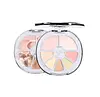 Key Ingredients
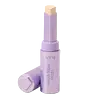
Benefits
Concerns
Ingredients Side-by-side
Isononyl Isononanoate
EmollientVinyl Dimethicone/Methicone Silsesquioxane Crosspolymer


Caprylic/Capric Triglyceride
Masking


Polymethyl Methacrylate
Dimethicone
Emollient
Silica
Abrasive

Hydrogenated Microcrystalline Wax
Emulsion StabilisingSynthetic Wax
Abrasive
Polyisobutene
Dimethicone/Vinyl Dimethicone Crosspolymer
Skin Conditioning
Silica Dimethyl Silylate
EmollientCI 77891
Cosmetic ColorantPhenoxyethanol
Preservative
Methicone
Emollient
Butyrospermum Parkii Butter
Skin Conditioning



Tocopheryl Acetate
Antioxidant


Mangifera Indica Seed Butter
Skin Conditioning
Aluminum Hydroxide
EmollientCI 77492
Cosmetic ColorantCI 77491
Cosmetic ColorantCI 77499
Cosmetic ColorantTocopherol
Antioxidant


Mica
Cosmetic ColorantBoron Nitride
Absorbent
Squalane
Emollient
Magnesium Stearate
Cosmetic ColorantTriethoxycaprylylsilane
Zea Mays Starch
Absorbent
Lauroyl Lysine
Skin Conditioning
Water
Skin ConditioningPersea Gratissima Oil
Skin Conditioning
Prunus Amygdalus Dulcis Oil
Skin Conditioning
Argania Spinosa Kernel Oil
Emollient
Simmondsia Chinensis Seed Oil
Emollient
Helianthus Annuus Seed Oil
Emollient
Ethylhexylglycerin
Skin ConditioningRicinus Communis Seed Oil
Masking
Butylene Glycol
Humectant
Sodium Hyaluronate
Humectant
Butyl Stearate
Emollient
Hydrogenated Castor Oil
Emollient
Camellia Sinensis Leaf Extract
Antimicrobial
Anthemis Nobilis Flower Extract
Masking
Diisostearyl Malate
EmollientPhenyl Trimethicone
Skin Conditioning
Microcrystalline Wax
Emulsion StabilisingBis-Diglyceryl Polyacyladipate-2
Emollient
Trimethylsiloxyphenyl Dimethicone
Bis-Behenyl/Isostearyl/Phytosteryl Dimer Dilinoleyl Dimer Dilinoleate
EmollientTribehenin
Emollient
Rosa Canina Fruit Oil
Emollient
Cocos Nucifera Oil
Masking
Isononyl Isononanoate, Vinyl Dimethicone/Methicone Silsesquioxane Crosspolymer, Caprylic/Capric Triglyceride, Polymethyl Methacrylate, Dimethicone, Silica, Hydrogenated Microcrystalline Wax, Synthetic Wax, Polyisobutene, Dimethicone/Vinyl Dimethicone Crosspolymer, Silica Dimethyl Silylate, CI 77891, Phenoxyethanol, Methicone, Butyrospermum Parkii Butter, Tocopheryl Acetate, Mangifera Indica Seed Butter, Aluminum Hydroxide, CI 77492, CI 77491, CI 77499, Tocopherol, Mica, Boron Nitride, Squalane, Magnesium Stearate, Triethoxycaprylylsilane, Zea Mays Starch, Lauroyl Lysine, Water, Persea Gratissima Oil, Prunus Amygdalus Dulcis Oil, Argania Spinosa Kernel Oil, Simmondsia Chinensis Seed Oil, Helianthus Annuus Seed Oil, Ethylhexylglycerin, Ricinus Communis Seed Oil, Butylene Glycol, Sodium Hyaluronate, Butyl Stearate, Hydrogenated Castor Oil, Camellia Sinensis Leaf Extract, Anthemis Nobilis Flower Extract, Diisostearyl Malate, Phenyl Trimethicone, Microcrystalline Wax, Bis-Diglyceryl Polyacyladipate-2, Trimethylsiloxyphenyl Dimethicone, Bis-Behenyl/Isostearyl/Phytosteryl Dimer Dilinoleyl Dimer Dilinoleate, Tribehenin, Rosa Canina Fruit Oil, Cocos Nucifera Oil
Caprylic/Capric Triglyceride
Masking
Phenyl Trimethicone
Skin Conditioning
C12-15 Alkyl Ethylhexanoate
EmollientOzokerite
Emulsion StabilisingMica
Cosmetic ColorantCeresin
Emulsion StabilisingEuphorbia Cerifera Cera
Astringent
Synthetic Wax
Abrasive
Vp/Hexadecene Copolymer
Silica
Abrasive
Polyglyceryl-2 Triisostearate
Emulsifying
Cetyl PEG/PPG-10/1 Dimethicone
Emulsifying
Hydrogenated Poly(C6-14 Olefin)
EmollientPentylene Glycol
Skin Conditioning
Butyrospermum Parkii Butter
Skin Conditioning
Macadamia Ternifolia Seed Oil
Emollient
Mangifera Indica Seed Butter
Skin Conditioning
Diamond Powder
Abrasive
Persea Gratissima Oil
Skin Conditioning
Tocopheryl Acetate
Antioxidant
Tocopherol
Antioxidant
Sodium Hyaluronate
Humectant
1,2-Hexanediol
Skin Conditioning
Aluminum Hydroxide
EmollientWater
Skin ConditioningButylene Glycol
Humectant
Cera Microcristallina
Emulsion StabilisingDimethicone
Emollient
Ethylhexylglycerin
Skin ConditioningGlycyrrhiza Glabra Root Extract
Bleaching
Hydrogenated Vegetable Oil
Emollient
Isostearyl Alcohol
Emollient
Lauryl PEG/PPG-18/18 Methicone
Skin Conditioning
Methicone
Emollient
Methyl Methacrylate Crosspolymer
Pentaerythrityl Tetra-Di-T-Butyl Hydroxyhydrocinnamate
Antioxidant
Triethoxycaprylylsilane
Ethylhexyl Methoxycinnamate
UV Absorber


Citric Acid
Buffering
Phenoxyethanol
Preservative
CI 77891
Cosmetic ColorantCI 77491
Cosmetic ColorantCI 77492
Cosmetic ColorantCI 77499
Cosmetic ColorantCaprylic/Capric Triglyceride, Phenyl Trimethicone, C12-15 Alkyl Ethylhexanoate, Ozokerite, Mica, Ceresin, Euphorbia Cerifera Cera, Synthetic Wax, Vp/Hexadecene Copolymer, Silica, Polyglyceryl-2 Triisostearate, Cetyl PEG/PPG-10/1 Dimethicone, Hydrogenated Poly(C6-14 Olefin), Pentylene Glycol, Butyrospermum Parkii Butter, Macadamia Ternifolia Seed Oil, Mangifera Indica Seed Butter, Diamond Powder, Persea Gratissima Oil, Tocopheryl Acetate, Tocopherol, Sodium Hyaluronate, 1,2-Hexanediol, Aluminum Hydroxide, Water, Butylene Glycol, Cera Microcristallina, Dimethicone, Ethylhexylglycerin, Glycyrrhiza Glabra Root Extract, Hydrogenated Vegetable Oil, Isostearyl Alcohol, Lauryl PEG/PPG-18/18 Methicone, Methicone, Methyl Methacrylate Crosspolymer, Pentaerythrityl Tetra-Di-T-Butyl Hydroxyhydrocinnamate, Triethoxycaprylylsilane, Ethylhexyl Methoxycinnamate, Citric Acid, Phenoxyethanol, CI 77891, CI 77491, CI 77492, CI 77499
Ingredients Explained
These ingredients are found in both products.
Ingredients higher up in an ingredient list are typically present in a larger amount.
Aluminum Hydroxide is a form of aluminum. It can be naturally found in nature as the mineral gibbsite. In cosmetics, Aluminum Hydroxide is used as a colorant, pH adjuster, and absorbent.
As a colorant, Aluminum Hydroxide may add opacity, or reduce the transparency. Aluminum hydroxide is contains both basic and acidic properties.
According to manufacturers, this ingredient is an emollient and humectant. This means it helps hydrate the skin.
In medicine, this ingredient is used to help relieve heartburn and help heal ulcers.
There is currently no credible scientific evidence linking aluminum hydroxide in cosmetics to increased cancer risk.
Major health organizations allow the use of aluminum hydroxide in personal care products and have not flagged it as a carcinogenic risk at typical usage levels.
Learn more about Aluminum HydroxideButylene Glycol (or BG) is used within cosmetic products for a few different reasons:
Overall, Butylene Glycol is a safe and well-rounded ingredient that works well with other ingredients.
Though this ingredient works well with most skin types, some people with sensitive skin may experience a reaction such as allergic rashes, closed comedones, or itchiness.
Learn more about Butylene GlycolThis ingredient is also known as shea butter. It is a plant-derived extract from the nuts of the Africa shea tree and one of the most well-studied emollients.
Because it has a high concentration of fatty acids (primarily oleic, stearic, and linoleic) it is able to form a protective barrier on the skin's surface. This helps seal in moisture and prevents transepidermal water loss (TEWL).
In vitro research found an increase in skin hydration by 58% and a decrease in TEWL by 37.8% after 24 hours of applying this ingredient (pretty impressive for a single ingredient!).
Besides hydration, shea butter also contains triterpenes that have anti-inflammatory potential. In particule, lupeol cinnamate has shown the highest anti-inflammatory activity in vivo.
Shea butter also contains vitamins A and E which may contribute to antioxidant activity.
While Shea Butter has an SPF rating of about 3-4, it is not a sunscreen replacement.
This ingredient may not be fungal acne safe because its fatty acids fall within the C11-C24 range that the Malassezia yeast can metabolize.
This ingredient shows up on a lot of "pore-clogging" lists but there's no real evidence behind that. It doesn't even have a comedogenic rating from an actual study; the numbers you'll find online come from blogs citing other blogs.
Ratings for other ingredients mostly come from a 1980s rabbit ear test. This test doesn't translate well to human skin or to real products because the ingredient sits at a much lower percentage.
Some people still find it breaks them out. So if that's you, definitely trust your skin. Just know this one's based on experience and not evidence.
Learn more about Butyrospermum Parkii ButterCaprylic/Capric Triglyceride (aka MCT Oil) is a lightweight emollient, solvent, and texture enhancer. It is considered a skin-softener by helping to prevent moisture loss.
Though it behaves like an oil, it is not technically one due to its chemical composition. One perk of this ingredient is that it is very stable, resistant to oxidation, and unlikely to go rancid.
In practice, that translates to a long shelf life and a consistently elegant skin feel.
While there is an assumption Caprylic Triglyceride can clog pores due to it being derived from coconut oil, there is no research supporting this. Just patch test if you have concerns.
Fractionated coconut oil and MCT Oil are both listed as Caprylic/Capric Triglyceride according to INCI. This is because INCI names are based on the ingredient’s final chemical composition and not its marketing name or source.
This ingredient is treated as the gold standard fungal acne safe oil. Even though it is coconut derived, the problematic lauric acid is stripped out.
This leaves just caprylic (C8) and capric (C10) acid. These chain lengths actually trend antifungal; a 2020 study found caprylic acid was enough to disrupt Malassezia furfur cell membrane, with a caprylic acid derivative damaging membrane structures at concentrations as low as 0.2%.
Learn more about Caprylic/Capric TriglycerideCi 77491 is also hydrated iron III oxide. It's sole purpose is to give a red/pink hue to products.
Iron III oxides are classified as inorganic chemicals for coloring.
Synthetically created Ci 77491 is considered safer than those naturally found. This is because the synthetically created version may contain less impurities. Iron oxides are generally non-toxic and non-allergenic.
Learn more about CI 77491CI 77492 is also hydrated iron III oxide. It's sole purpose is to give a yellow hue to products.
Iron III oxides are classified as inorganic chemicals for coloring.
Synthetically created CI 77492 is considered safer than those naturally found. This is because the synthetically created version may contain less impurities. Iron oxides are generally non-toxic and non-allergenic.
Learn more about CI 77492Ci 77499 is also hydrated iron III oxide. It is created from mixing red and black iron oxides. This helps give shades of darkness to a product.
Iron III oxides are classified as inorganic chemicals for coloring.
Ci 77891 is a white pigment from Titanium dioxide. It is naturally found in minerals such as rutile and ilmenite.
It's main function is to add a white color to cosmetics. It can also be mixed with other colors to create different shades.
Ci 77891 is commonly found in sunscreens due to its ability to block UV rays.
Learn more about CI 77891Dimethicone is a type of synthetic silicone created from natural materials such as quartz. It is also known as polydimethylsiloxane.
What it does:
Dimethicone comes in different viscosities:
Depending on the viscosity, dimethicone has different properties.
Ingredients lists don't always show which type is used, so we recommend reaching out to the brand if you have questions about the viscosity.
This ingredient is unlikely to cause irritation because it does not get absorbed into skin. However, people with silicone allergies should be careful about using this ingredient.
Note: Dimethicone may contribute to pilling. This is because it is not oil or water soluble, so pilling may occur when layered with products. When mixed with heavy oils in a formula, the outcome is also quite greasy.
Learn more about DimethiconeEthylhexylglycerin is created from glycerin. It is a multitasker ingredient that:
The CIR Expert Panel found minimal skin absorption or sensitization of any kind in a safety assessment. Though this ingredient is considered well-tolerated, a small number of cases of allergic dermatitis have been published since 2002. Just be sure to patch test if you are unsure.
Industry-reported use ranges from 8% in rinse-off products and 2% in leave-on formulations.
Learn more about EthylhexylglycerinThough this ingredient might sound like a juicy fruit extract, it's actually the fat pressed from the mango seed kernel (or the pit).
In skincare, it behaves more like shea butter and cocoa butter than like a plant active.
The fatty acid makeup of mango seed butter makes it special; it's typically rich in stearic acid and oleic acid, with small amounts of palmitic and linoleic acid.
This combo helps it melt on skin, feel creamy, and leave behind a protective "seal" that slows down water loss.
It also contains a small amount of "extras" like tocopherols (vitamin E) and phytosterols, which are often used to support skin soothing.
Due to its fatty acid content (like oleic acid), this ingredient may not be fungal acne safe. In vitro studies have shown that Oleic Acid is one of the fatty acids that induce rapid Malassezia growth in lab settings.
Learn more about Mangifera Indica Seed ButterMethicone is a type of silicone and is a simpler form of dimethicone.
Silicones are used to enhance the texture of products and have emollient properties. Methicone is used to give products a silky texture and improves spreadability.
Mica is a naturally occurring mineral used to add shimmer and color in cosmetics. It can also help improve the texture of a product or give it an opaque, white/silver color.
Serecite is the name for very fine but ragged grains of mica.
This ingredient is often coated with metal oxides like titanium dioxide. Trace amounts of heavy metals may be found in mica, but these metals are not harmful in our personal products.
Mica has been used since prehistoric times throughout the world. Ancient Egyptian, Indian, Greek, Roman, Aztec, and Chinese civilizations have used mica.
Learn more about MicaThis ingredient is also known as Avocado oil. It's the cold-pressed oil from the flesh of the avocado fruit packed with fatty acids (mostly oleic acid).
The rich fatty acid profile allows it to function as a skin conditioning agent and emollient; it helps soften and smooth skin while reducing water loss.
Preclinical research has found that topical avocado oil increased collagen synthesis and reduced inflammation during wound healing, giving it some skin-repairing credibility.
The unsaponifiable fraction of the oil is also interesting: studies on avocado unsaponifiables showed that it helped skin produce more collagen and other structural compounds that support healing.
The CIR Expert Panel has found this ingredient to be non-irritating in formulations.
This ingredient may not be fungal acne safe. This is because the oleic acid content falls within the range that Malassezia can use as a food source.
This ingredient does have a comedogenic rating of 0-3, but this doesn't mean a formula with this ingredient will clog pores. Human testing has proved that any finished product with a comedogenic ingredient won't automatically make you break out; it really comes down to concentration, formula, and your skin.
Learn more about Persea Gratissima OilPhenoxyethanol is one of the most widely used preservatives in skincare (and for good reason!).
It has a large spectrum of antimicrobial activity and especially effective bacteria, yeast, and mold while only having a weak effect on your skin's natural microbiome.
On a cellular level, it disrupts the cell membranes of microbes by poking holes that make the cell leak. This shuts down the chemical reactions the microbe needs to make energy so it can no longer survive.
Another perk of this ingredient is that it stays functional across a wide pH range (3-10).
You'll often see it paired with boosters like Ethylhexylglycerin; one study showed that a 1:9 ratio of Ethylhexylglycerin to Phenoxyethanol damages bacterial membranes as effectively as doubling the Phenoxyethanol concentration on its own.
Typical use concentrations range from 0.3-1% depending on the formula, and this ingredient is capped at 1% int the EU.
Safety-wise, the fear mongering does not hold up to the evidence. The EU's Scientific Committee on Consumer Safety and FDA consider it safe as a preservative at up to 1%, including for children of all ages.
Adverse systemic effects only showed up in animal studies at exposures roughly 200x higher than what people get from cosmetics. And despite its very widespread use, this ingredient is a rare sensitizer and allergic reactions are uncommon.
Learn more about PhenoxyethanolPhenyl Trimethicone is a silicon-based polymer. It is derived from silica.
Phenyl Trimethicone is used as an emollient and prevents products from foaming.
As an emollient, it helps trap moisture in the skin. It is considered an occlusive.
Learn more about Phenyl TrimethiconeSilica, also known as silicon dioxide, is a naturally occurring mineral. It is used as a fine, spherical, and porous powder in cosmetics.
Though it has exfoliant properties, the function of silica varies depending on the product.
The unique structure of silica enhances the spreadability and adds smoothness, making it a great texture enhancer.
It is also used as an active carrier, emulsifier, and mattifier due to its ability to absorb excess oil.
In some products, tiny microneedles called spicules are made from silica or hydrolyzed sponge. When you rub them in, they lightly polish away dead skin layers and enhance the penetration of active ingredients.
Learn more about SilicaSodium Hyaluronate is the salt form of hyaluronic acid. It is a long sugar chain that is naturally found in your skin, joints, and connective tissue that maintains hydration and elasticity.
In skincare, it works as a humectant. It pulls water from the environment and deeper layers of skin and binds it to the surface.
Interestingly, the size of the molecule affects its behavior:
Some clinical evidence links low molecular weight versions to improved wrinkle depth, elasticity, anti-inflammatory effects, and barrier repair.
Many serums use a blend of both weights so you can get surface hydration plus longer-lasting and deeper effects.
You'll typically see concentrations between 0.1-2% for this ingredient.
Learn more about Sodium HyaluronateSynthetic Wax is a manufactured hydrocarbon wax. In formulas, it works as an occlusive emollient that helps reduce water loss and improves the spreadability of products.
Research comparing synthetic wax to traditional mineral-derived products found that formulas containing it perform as well for skin hydration.
It is considered non-comedogenic and vegan-friendly.
This ingredient has a well-established safety record by the CIR Expert Panel for Cosmetic Ingredient Safety.
Synthetic Waxes are straight/branched-chain hydrocarbons with no ester bond or fatty acids. That means there is nothing for the Malassezia yeast to feed on.
Learn more about Synthetic WaxTocopherol is a fat-soluble antioxidant known as Vitamin E.
You'll find this ingredient in the vast majority of skincare (for good reason). It works to neutralize free radicals, or unstable molecules generated by UV exposure, pollution, and other environmental stressors, before they can cause oxidative damage to your skin cells.
Topically applied tocopherol has been shown to protect against UV damage by ramping up the skin's own natural defense enzymes.
It also acts as a skin conditioning agent; some studies show that regular topical use can improve the skin's water-binding capacity over 2-4 weeks.
This ingredient is especially loved for being a team player. When combined with Vitamin C, the photoprotective effect of both ingredients roughly doubles and the combo also helps reduce UV-induced DNA damage.
This ingredient has some brightening potential but it's more of a prevention ingredient than spot-fader. Cell studies show it can slow down melanin production but it's worth noting that it's not the most powerful brightener out there.
In formulations, it also serves as a stabilizer that helps protect other oxidation-prone ingredients from degrading.
Concentrations usually range from 0.1-1% in most leave-on products.
Learn more about TocopherolTocopheryl Acetate is a stable, shelf-friendly form of vitamin E.
Formulators love it because plain vitamin E oxidizes quickly once it hits air. This acetate version stays stable and resists going off, helping to extend a product's shelf life.
It's actually inactive on its own and works like a slow-release "storage" form; the enzymes in your skin called esterases gradually convert it into active vitamin E over time.
One in vivo study showed 5% of the acetate in the living layer of the epidermis converted to vitamin E after 5 days of application. This study also found the skin gained protection against UV damage even though the conversion was slow and small.
Once converted, vitamin E acts as a skin's main fat-soluble antioxidant that fights free radicals to protect skin from damage.
Topical vitamin E generally boosts the skin's photoprotection, and it reduced UV-damage in animal models.
This ingredient has some brightening potential but it's more of a prevention ingredient than spot-fader. Cell studies show it can slow down melanin production but it's worth noting that it's not the most powerful brightener out there.
Overall, it has a pretty solid safety profile and has been found to be non-irritating and non-comedogenic. Allergic reactions may happen but stay rare due to how widely the ingredient gets used.
The concentration will vary depending on the formula; industry data shows 0.1% in baby lotions, 3% in lipsticks, and 5% in foot powders. You can also find this ingredient at 100% in a pure vitamin E oil.
Most leave-on skincare keeps it at the lower end, often between 0.5-1%.
Learn more about Tocopheryl AcetateTriethoxycaprylylsilane is a silicon-based surface modifier that makes sunscreens feel silky and makeup stay put.
Its main job is to coat mineral particles like titanium dioxide, zinc oxide, and color pigments in a thin, oily layer so they spread smoothly, don't clump, and stick to skin better.
This ingredient is typically used at low levels (up to 2.5% in eyeshadow and 1% in lipstick).
Learn more about TriethoxycaprylylsilaneWater. It's the most common cosmetic ingredient of all. You'll usually see it at the top of ingredient lists, meaning that it makes up the largest part of the product.
So why is it so popular? Water most often acts as a solvent - this means that it helps dissolve other ingredients into the formulation.
You'll also recognize water as that liquid we all need to stay alive. If you see this, drink a glass of water. Remember to stay hydrated!
Learn more about Water

