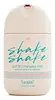
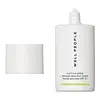
Vacation Shake Shake SPF 50 Mineral Milk Versus W3ll People Daygleamer Mineral Sunscreen Serum Broad Spectrum SPF 34
This hybrid sunscreen covers the full UV range and blocks ~98% of UVB at SPF 50.
This mineral sunscreen covers the full UV range and blocks ~97% of UVB at SPF 34.

What's inside
What's inside
 Key Ingredients
Benefits
Concerns
Ingredients Side-by-side
Zinc Oxide 20.5%
Cosmetic Colorant


Aloe Barbadensis Leaf Juice
Skin Conditioning


Butyloctyl Salicylate
Skin Conditioning
Butyrospermum Parkii Oil
Emollient


C12-15 Alkyl Benzoate
AntimicrobialCamellia Sinensis Leaf Extract
Antimicrobial



Caprylhydroxamic Acid
Caprylic/Capric Triglyceride
Masking

Carbomer
Emulsion StabilisingCeramide AP
Skin Conditioning
Ceramide EOP
Skin Conditioning
Ceramide NP
Skin Conditioning
Cholesterol
Emollient
Cucumis Sativus Fruit Extract
Emollient
2,6-Dimethyl-7-Octen-2-Ol
Masking

Diisostearoyl Polyglyceryl-3 Dimer Dilinoleate
Emollient
Dimethicone
Emollient

Ethylhexyl Methoxycrylene
Skin Conditioning
Ethylhexyl Olivate
Skin Conditioning
Ethylhexylglycerin
Skin ConditioningFerulic Acid
Antimicrobial
Melozone
Perfuming
Glycerin
Humectant
Gossypium Herbaceum Seed Oil
Skin Conditioning

Hexyl Cinnamal
Perfuming

Hyaluronic Acid
Humectant
Isododecane
EmollientMagnesium Sulfate
Methyl Octine Carbonate
Perfuming
Niacinamide
Smoothing



Passiflora Edulis Seed Oil
Emollient
Phenoxyethanol
Preservative
Phytosphingosine
Skin Conditioning
Polyglyceryl-3 Oleate
Emulsifying
Polyglyceryl-4 Diisostearate/Polyhydroxystearate/Sebacate
Emulsifying
Polyglyceryl-4 Isostearate
Emulsifying
Polyhydroxystearic Acid
Emulsifying
Scentenal
Perfuming
Sodium Benzoate
Masking
Sodium Gluconate
Skin ConditioningSodium Lauroyl Lactylate
EmulsifyingSqualane
Emollient
Sr-Hydrozoan Polypeptide-1
Humectant
Tocopherol
Antioxidant
Triethoxycaprylylsilane
Methyl Decenol
Masking
Water
Skin ConditioningXanthan Gum
EmulsifyingZinc Oxide 20.5%, Aloe Barbadensis Leaf Juice, Butyloctyl Salicylate, Butyrospermum Parkii Oil, C12-15 Alkyl Benzoate, Camellia Sinensis Leaf Extract, Caprylhydroxamic Acid, Caprylic/Capric Triglyceride, Carbomer, Ceramide AP, Ceramide EOP, Ceramide NP, Cholesterol, Cucumis Sativus Fruit Extract, 2,6-Dimethyl-7-Octen-2-Ol, Diisostearoyl Polyglyceryl-3 Dimer Dilinoleate, Dimethicone, Ethylhexyl Methoxycrylene, Ethylhexyl Olivate, Ethylhexylglycerin, Ferulic Acid, Melozone, Glycerin, Gossypium Herbaceum Seed Oil, Hexyl Cinnamal, Hyaluronic Acid, Isododecane, Magnesium Sulfate, Methyl Octine Carbonate, Niacinamide, Passiflora Edulis Seed Oil, Phenoxyethanol, Phytosphingosine, Polyglyceryl-3 Oleate, Polyglyceryl-4 Diisostearate/Polyhydroxystearate/Sebacate, Polyglyceryl-4 Isostearate, Polyhydroxystearic Acid, Scentenal, Sodium Benzoate, Sodium Gluconate, Sodium Lauroyl Lactylate, Squalane, Sr-Hydrozoan Polypeptide-1, Tocopherol, Triethoxycaprylylsilane, Methyl Decenol, Water, Xanthan Gum
Zinc Oxide
Cosmetic Colorant
Water
Skin ConditioningCaprylic/Capric Triglyceride
Masking
Propanediol
Solvent
Coco-Caprylate/Caprate
Emollient
Dicaprylyl Carbonate
EmollientArgania Spinosa Kernel Oil
Emollient
Niacinamide
Smoothing
Squalane
Emollient
Aloe Barbadensis Leaf Juice
Skin Conditioning
Tocopheryl Acetate
Antioxidant
1,2-Hexanediol
Skin Conditioning
Cetearyl Olivate
Sorbitan Olivate
Emulsifying
Cetyl Alcohol
Emollient
Hydroxyacetophenone
Antioxidant
Panthenol
Skin Conditioning
Tocopherol
Antioxidant
Xanthan Gum
EmulsifyingSorbitan Oleate Decylglucoside Crosspolymer
CleansingButylene Glycol
Humectant
Isostearic Acid
Cleansing
Lecithin
Emollient
Polyglyceryl-3 Polyricinoleate
Emulsifying
Polyhydroxystearic Acid
Emulsifying
Bisabolol
Antioxidant
Tetrahexyldecyl Ascorbate
Antioxidant
Canola Oil
Emollient
Citrus Aurantium Dulcis Peel Oil
Masking
Citrus Aurantifolia Oil
Cleansing
Biosaccharide Gum-4
Skin Conditioning
Alteromonas Ferment Extract
Skin Conditioning
Citrus Aurantium Bergamia Fruit Oil
Masking
Citrus Limon Peel Oil
Masking
Zingiber Officinale Root Oil
Masking
Citric Acid
Buffering
Potassium Sorbate
Preservative
Sodium Benzoate
Masking
Humulus Lupulus Oil
Masking
Farnesol
Perfuming
Limonene
Perfuming
Zinc Oxide, Water, Caprylic/Capric Triglyceride, Propanediol, Coco-Caprylate/Caprate, Dicaprylyl Carbonate, Argania Spinosa Kernel Oil, Niacinamide, Squalane, Aloe Barbadensis Leaf Juice, Tocopheryl Acetate, 1,2-Hexanediol, Cetearyl Olivate, Sorbitan Olivate, Cetyl Alcohol, Hydroxyacetophenone, Panthenol, Tocopherol, Xanthan Gum, Sorbitan Oleate Decylglucoside Crosspolymer, Butylene Glycol, Isostearic Acid, Lecithin, Polyglyceryl-3 Polyricinoleate, Polyhydroxystearic Acid, Bisabolol, Tetrahexyldecyl Ascorbate, Canola Oil, Citrus Aurantium Dulcis Peel Oil, Citrus Aurantifolia Oil, Biosaccharide Gum-4, Alteromonas Ferment Extract, Citrus Aurantium Bergamia Fruit Oil, Citrus Limon Peel Oil, Zingiber Officinale Root Oil, Citric Acid, Potassium Sorbate, Sodium Benzoate, Humulus Lupulus Oil, Farnesol, Limonene
Reviews
Ingredients Explained
These ingredients are found in both products.
Ingredients higher up in an ingredient list are typically present in a larger amount.
Aloe Barbadensis Leaf Juice is the filtered, stabilized liquid pressed from the inner gel of the aloe vera leaf.
In cosmetics, it shows up as either soothing active or a water-replacement base. It is roughly 98-99% water and the last 1-2% is an interesting mix of polysaccharides, amino acids, vitamins, minerals, and enzymes.
The polysaccharides do most of the work: they bind water at the skin surface for a light, non-greasy hydration boost. And one of the polysaccharides, glycomannan, is linked to fibroblast stimulation + collagen synthesis. This is also why aloe has such a long track record in wound and burn healing.
This ingredient is also calming with anti-inflammatory and mild antimicrobial activity, making it a great pick for sensitive, irritated, or post-sun skin.
Realistic expectations matter though; the solid evidence is mostly limited to hydration, soothing, and wound support. Deeper claims about anti-aging or sun protection are not well backed, and science reviews note it does not prevent radiation-induced skin injury.
Because it plays well with almost everything, it's commonly used as a base alongside other actives like niacinamide or vitamin C.
Typical usage concentrations range from 0.5% (where hydration benefits already show up) all the way to 90%+ (where it replaces water as the main base).
The safety for this ingredient is well-establish as well. Overall, this is a great supporting ingredient for those who want a boost in hydration.
Learn more about Aloe Barbadensis Leaf JuiceCaprylic/Capric Triglyceride (aka MCT Oil) is a lightweight emollient, solvent, and texture enhancer. It is considered a skin-softener by helping to prevent moisture loss.
Though it behaves like an oil, it is not technically one due to its chemical composition. One perk of this ingredient is that it is very stable, resistant to oxidation, and unlikely to go rancid.
In practice, that translates to a long shelf life and a consistently elegant skin feel.
While there is an assumption Caprylic Triglyceride can clog pores due to it being derived from coconut oil, there is no research supporting this. Just patch test if you have concerns.
Fractionated coconut oil and MCT Oil are both listed as Caprylic/Capric Triglyceride according to INCI. This is because INCI names are based on the ingredient’s final chemical composition and not its marketing name or source.
This ingredient is treated as the gold standard fungal acne safe oil. Even though it is coconut derived, the problematic lauric acid is stripped out.
This leaves just caprylic (C8) and capric (C10) acid. These chain lengths actually trend antifungal; a 2020 study found caprylic acid was enough to disrupt Malassezia furfur cell membrane, with a caprylic acid derivative damaging membrane structures at concentrations as low as 0.2%.
Learn more about Caprylic/Capric TriglycerideNiacinamide is a multitasking form of vitamin B3 that strengthens the skin barrier, reduces pores and dark spots, regulates oil, and improves signs of aging.
And the best part? It's gentle and well-tolerated by most skin types, including sensitive and reactive skin.
You might have heard of "niacin flush", or the reddening of skin that causes itchiness. Niacinamide has not been found to cause this.
In very rare cases, some individuals may not be able to tolerate niacinamide at all or experience an allergic reaction to it.
If you are experiencing flaking, irritation, and dryness with this ingredient, be sure to double check all your products as this ingredient can be found in all categories of skincare.
When incorporating niacinamide into your routine, look out for concentration amounts. Typically, 5% niacinamide provides benefits such as fading dark spots. However, if you have sensitive skin, it is better to begin with a smaller concentration.
When you apply niacinamide to your skin, your body converts it into nicotinamide adenine dinucleotide (NAD). NAD is an essential coenzyme that is already found in your cells as "fuel" and powers countless biological processes.
In your skin, NAD helps repair cell damage, produce new healthy cells, support collagen production, strengthen the skin barrier, and fight environmental stressors (like UV and pollution).
Our natural NAD levels start to decline with age, leading to slower skin repair, visible aging, and a weaker skin barrier. By providing your skin niacinamide, you're recharging your skin's NAD levels. This leads to stronger, healthier, and younger looking skin.
Another name for vitamin B3 is nicotinamide. This vitamin is water-soluble and our bodies don't store it. We obtain Vitamin B3 from either food or skincare. Meat, fish, wheat, yeast, and leafy greens contain vitamin B3.
The type of niacinamide used in skincare is synthetically created.
Learn more about NiacinamidePolyhydroxystearic Acid is a vegetable-derived soft wax made from castor oil. It's an emulsion stabilizer, thickener, and film former.
You'll likely see it in sunscreens because it helps disperse pigments and UV-reflecting minerals like titanium dioxide and zinc oxide evenly.
Depending on the concentration, it can drastically change the texture of a product from pasty solid (like lipstick) to sprayable liquid.
The CIR Expert Panel for Cosmetic Ingredient Safety has concluded this ingredient to be safe in cosmetics. The highest reported use concentration is 14.2% in lipsticks.
Learn more about Polyhydroxystearic AcidSodium Benzoate is a preservative. It's used in both cosmetic and food products to inhibit the growth of mold and bacteria. It is typically produced synthetically.
Both the US FDA and EU Health Committee have approved the use of sodium benzoate. In the US, levels of 0.1% (of the total product) are allowed.
Sodium benzoate works as a preservative by inhibiting the growth of bacteria inside of cells. It prevents the cell from fermenting a type of sugar using an enzyme called phosphofructokinase.
It is the salt of benzoic acid. Foods containing sodium benzoate include soda, salad dressings, condiments, fruit juices, wines, and snack foods.
Studies for using ascorbic acid and sodium benzoate in cosmetics are lacking, especially in skincare routines with multiple steps.
We always recommend speaking with a professional, such as a dermatologist, if you have any concerns.
Learn more about Sodium BenzoateSqualane is the hydrogenated and shelf-stable form of squalene (a lipid that naturally occurs in human sebum).
It is an emollient and skin conditioning agent that is able to integrate seamlessly into the skin's lipid barrier without clogging pores.
This is due to how structurally similar it is to what your skin already produces.
Though it is mostly an emollient that helps soften and hydrate skin, it also has some humectant and occlusive action. Humectants help the skin retain moisture while occlusives seal it in, making squalane a triple-threat moisturizer.
Research shows it has antioxidant capabilities that help protect against stressors like UV exposure, specifically UVA induced oxidative stress. This study also found that it supports collagen biosynthesis in human dermal fibroblasts.
No clinical study has reported significant adverse effects and irritation reactions are very rare from this ingredient (even at 100% concentration).
Overall, it's a fantastic ingredient for hydration and is suitable for all skin types.
This depends on the source. Squalane can be derived from both plants and animals. Most squalane used in skincare comes from plants.
Please note: the source of squalane is only known if disclosed by the brand. We recommend reaching out to the brand if you have any questions about their squalane.
Read more about squalene with an "e".
Though squalane is often called an oil, it’s technically not one. It is a hydrocarbon, meaning it is only made of carbon and hydrogen. True oils are triglycerides and made of fatty acids and glycerol.
The term “oil-free” isn’t regulated so companies can define it however they want. Some exclude all oils, while others just avoid mineral oil or comedogenic oils.
Squalane has a comedogenic rating of 1 from the original 1972 study that tested raw ingredients under occlusion on rabbit ears. This system is not standardized or peer-reviewed, and using the raw ingredients is very different from how diluted cosmetic formulations are used on human skin.
A comedogenic rating of 1 means it is "unlikely to clog pores" according to the original rating system.
The overall formula of a product matters more than the individual ingredients on whether or not it will cause clogged pores.
Learn more about SqualaneTocopherol is a fat-soluble antioxidant known as Vitamin E.
You'll find this ingredient in the vast majority of skincare (for good reason). It works to neutralize free radicals, or unstable molecules generated by UV exposure, pollution, and other environmental stressors, before they can cause oxidative damage to your skin cells.
Topically applied tocopherol has been shown to protect against UV damage by ramping up the skin's own natural defense enzymes.
It also acts as a skin conditioning agent; some studies show that regular topical use can improve the skin's water-binding capacity over 2-4 weeks.
This ingredient is especially loved for being a team player. When combined with Vitamin C, the photoprotective effect of both ingredients roughly doubles and the combo also helps reduce UV-induced DNA damage.
This ingredient has some brightening potential but it's more of a prevention ingredient than spot-fader. Cell studies show it can slow down melanin production but it's worth noting that it's not the most powerful brightener out there.
In formulations, it also serves as a stabilizer that helps protect other oxidation-prone ingredients from degrading.
Concentrations usually range from 0.1-1% in most leave-on products.
Learn more about TocopherolWater. It's the most common cosmetic ingredient of all. You'll usually see it at the top of ingredient lists, meaning that it makes up the largest part of the product.
So why is it so popular? Water most often acts as a solvent - this means that it helps dissolve other ingredients into the formulation.
You'll also recognize water as that liquid we all need to stay alive. If you see this, drink a glass of water. Remember to stay hydrated!
Learn more about WaterXanthan gum is used as a stabilizer and thickener within cosmetic products. It helps give products a sticky, thick feeling - preventing them from being too runny.
On the technical side of things, xanthan gum is a polysaccharide - a combination consisting of multiple sugar molecules bonded together.
Xanthan gum is a pretty common and great ingredient. It is a natural, non-toxic, non-irritating ingredient that is also commonly used in food products.
Learn more about Xanthan GumZinc Oxide (ZO) is a mineral broad-spectrum UV filter and the broadest-spectrum filter recognized by the FDA. It covers everything from UVB through to long-wave UVA.
On top of sun protection, it has skin protectant and skin-soothing properties too.
Here's a myth worth busting: mineral filters are usually described as working by "reflecting" or "bouncing" UV off your skin.
That's mostly not true: when researchers actually measured it, ZO and Titanium Dioxide reflect only about 4-5% of UV (less than SPF 2 worth of protection).
The vast majority of the work (~95%) is done by absorption, similar to chemical UV filters. ZO is a semiconductor that absorbs UV photos through its energy band gap.
So the old "physical blocker vs. chemical absorber" framing is really an oversimplification.
Zinc Oxide is one of the most effective broad-spectrum UV filters out there. It protects across UVB, UVA2, and UVA1 with a flat, even absorption curve across the whole UVA-UVB range.
That uniform UVA coverage is its standout feature; titanium dioxide skews more toward UVB as its particle size drops so ZO gives more consistent and extended UVA protection.
It's also very photostable. As an inorganic oxide, ZO doesn't break down in sunlight the way some organic filters can, so it holds up over a day of wear.
This ingredient is gentle and soothing, making it go-to for sunscreens aimed at sensitive skin, rosacea, or ecezma-prone skin, babies, and children.
It's also unlikely to cause the "eye sting" that some sunscreen ingredients are known for, and regulatory agencies broadly consider it non-toxic and safe for topical use.
Beyond sun protection, ZO is also a recognized OTC skin protectant. It forms a breathable barrier that shields skin from moisture and irritation while supporting healing. This is why you'll see it as a classic active in diaper rash creams.
The only downside to ZO is that it can leave a visible white cast, especially on deeper skin tones. This is the main reason mineral sunscreens have historically felt less cosmetically elegant than chemical or hybrid formulas.
Zinc Oxide comes in both non-nano and nano forms. The dividing line is 100nm and anything under is classified as a nanomaterial by the EU.
The nano version scatters less visible light which cuts down white case and gives a lighter, more wearable texture.
Another thing worth understanding about formulation:
Uncoated ZO has some inherent photocatalytic activity. This just means it can generate reactive oxygen species under UV. It's exactly why cosmetic-grade ZO is almost always surface-coated; this coating suppresses that reactivity and improves how the powder disperses and feels.
A well-formulated coated ZO largely sidesteps this issue.
Zinc Oxide is commonly used anywhere from 10% up to the regulatory maximum in sunscreens (25%).
Mineral-only broad-spectrum products often land in the 15-25% range to hit higher SPF and UVA values. Keep in mind SPF performance depends heavily on particle size, dispersion, and the rest of the formula, and not just the percentage.
As an OTC skin protectant like diaper creams, ZO typically runs higher at roughly 10-40%.
This ingredient is generally easy to work with and doesn't photodegrade.
The only thing to know is that uncoated ZO can be a bit reactive in a formula.
Under UV, it can break down sensitive ingredients like other actives or UV filters. This is another reason coated versions are standard. ZO can also react with very acidic ingredients or throw off stability of some creams. A good formula will get around this with the right coatings and dispersion.
The EU's Scientific Committee on Consumer Safety has concluded that ZO nanoparticles "can be considered to not pose any risk of adverse effects in humans after application on healthy, intact or sunburnt skin".
You might hear that ZO is "toxic"; this is because an in-vitro (test tube) study suggested micronized ZO had potential phototoxicity. In vivo (human) investigations have disputed this and the results have come back reassuring.
So does ZO penetrate skin? The short answer is no, not in any way that matters.
The most relevant evidence comes from real-world human studies: in one, volunteers applied ZO nanoparticle sunscreen hourly for six hours and daily for five days. The advanced imaging showed the particles stayed on the surface and never reached the living epidermis, and no cellular toxicity was found.
Other in-vivo and ex-vivo work agree; ZO nanoparticles don't cross the stratum corneum, even on flexed, massaged, or barrier-impaired skin.
A small amount of solubilized zinc ions can dissolve off the particles and enter the upper skin. But the quantities are tiny compared to the zinc already naturally present in your body, and studies haven't found this to cause local toxicity.
The sunscreen bans you've heard of (like Hawaii's) are aimed at two chemical filters, Oxybenzone and Octinoxate. ZO itself it not banned and is often recommended instead.
So far, there's no solid evidence that any form of ZO harms reefs. It is an ongoing and active area of study, and worth keeping an eye on.
If you're traveling somewhere with these rules, a non-nano mineral sunscreen is the safe bet.
Learn more about Zinc Oxide

