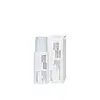
This barrier-repair ampoule is formulated around Centella Asiatica Extract and Sodium DNA to strengthen the skin barrier and soften the look of wrinkles.
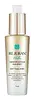
This brightening ampoule is formulated around Glycyrrhiza Glabra Root Extract and Arbutin to fade the look of dark spots.

What's inside
What's inside
 Key Ingredients
Benefits
Concerns
Ingredients Side-by-side
Centella Asiatica Extract
Cleansing





Tremella Fuciformis Extract
Humectant
Sodium DNA
Skin Conditioning
Glycerin
Humectant
Butylene Glycol
Humectant
Niacinamide
Smoothing





Propolis Extract
Skin Conditioning
Sodium Hyaluronate
Humectant
Carbomer
Emulsion StabilisingHydroxyethylcellulose
Emulsion StabilisingAdenosine
Skin Conditioning
Panthenol
Skin Conditioning
Betaine
Humectant
Glutathione
Hydroxydecyl Ubiquinone
Antioxidant
Tromethamine
BufferingParfum
Masking




PEG-60 Hydrogenated Castor Oil
Emulsifying

Rheum Palmatum Root Extract
Astringent
Polygonum Cuspidatum Root Extract
Antioxidant
Scutellaria Baicalensis Root Extract
Astringent
Camellia Sinensis Leaf Extract
Antimicrobial
Glycyrrhiza Glabra Root Extract
Bleaching
Chamomilla Recutita Flower Extract
Masking
Rosmarinus Officinalis Leaf Extract
AntimicrobialPropanediol
Solvent
Pentylene Glycol
Skin Conditioning
Cocos Nucifera Fruit Extract
Emollient

Pinus Sylvestris Leaf Extract
Tonic1,2-Hexanediol
Skin Conditioning
Dioscorea Japonica Root Extract
Skin Conditioning
Rosmarinus Officinalis Extract
AntimicrobialThymus Vulgaris Extract
Perfuming
Chamomilla Recutita Extract
Skin Conditioning
Aspalathus Linearis Extract
Skin ConditioningLavandula Angustifolia Extract
Skin Conditioning
Hamamelis Virginiana Leaf Extract
Skin Conditioning
Calendula Officinalis Flower Extract
Masking
Brassica Oleracea Acephala Leaf Extract
HumectantHyssopus Officinalis Extract
MaskingHibiscus Syriacus Flower Extract
Antioxidant
Euterpe Oleracea Fruit Extract
Spirulina Platensis Extract
Skin ProtectingPaeonia Suffruticosa Root Extract
Skin ProtectingArnica Montana Flower Extract
Masking
Paeonia Lactiflora Extract
AstringentLigularia Fishceri Leaf Extract
Skin ConditioningNicotinoyl Dipeptide-23
Skin Conditioning
Acetyl Hexapeptide-8
Humectant
Acetyl Hexapeptide-1
Skin Conditioning
Acetyl Tetrapeptide-11
Skin Conditioning
Acetyl Tetrapeptide-2
Skin Conditioning
Acetyl Tetrapeptide-3
Skin Protecting
Acetyl Tetrapeptide-5
Humectant
Acetyl Tetrapeptide-9
Skin Conditioning
Carnosine
Skin Conditioning
Copper Tripeptide-1
Skin Conditioning
Dipeptide-2
Skin Conditioning
Hexapeptide-9
Skin Conditioning
Nonapeptide-1
Skin Conditioning
Palmitoyl Pentapeptide-4
Skin Conditioning
Palmitoyl Tetrapeptide-7
Skin Conditioning
Palmitoyl Tripeptide-1
Skin Conditioning
Palmitoyl Tripeptide-5
Skin Conditioning
Hexapeptide-11
Skin Conditioning
Pentapeptide-3
Skin Conditioning
Tripeptide-1
Skin Conditioning
Biotinoyl Tripeptide-1
Tetrapeptide-30
Skin Conditioning
Acetyl Octapeptide-3
Humectant
Acetyl Hexapeptide-38
Skin Conditioning
Hexapeptide-2
Bleaching
Hexapeptide-10
Humectant
Tetrapeptide-21
Skin Conditioning
Tripeptide-29
Skin Conditioning
Galloyl Pentapeptide-74
Antiseborrhoeic
Caffeoyl Tetrapeptide-80
Antioxidant
Galloyl Tetrapeptide-80
Antioxidant
Caffeoyl Hexapeptide-82
Antioxidant
Centella Asiatica Extract, Tremella Fuciformis Extract, Sodium DNA, Glycerin, Butylene Glycol, Niacinamide, Propolis Extract, Sodium Hyaluronate, Carbomer, Hydroxyethylcellulose, Adenosine, Panthenol, Betaine, Glutathione, Hydroxydecyl Ubiquinone, Tromethamine, Parfum, PEG-60 Hydrogenated Castor Oil, Rheum Palmatum Root Extract, Polygonum Cuspidatum Root Extract, Scutellaria Baicalensis Root Extract, Camellia Sinensis Leaf Extract, Glycyrrhiza Glabra Root Extract, Chamomilla Recutita Flower Extract, Rosmarinus Officinalis Leaf Extract, Propanediol, Pentylene Glycol, Cocos Nucifera Fruit Extract, Pinus Sylvestris Leaf Extract, 1,2-Hexanediol, Dioscorea Japonica Root Extract, Rosmarinus Officinalis Extract, Thymus Vulgaris Extract, Chamomilla Recutita Extract, Aspalathus Linearis Extract, Lavandula Angustifolia Extract, Hamamelis Virginiana Leaf Extract, Calendula Officinalis Flower Extract, Brassica Oleracea Acephala Leaf Extract, Hyssopus Officinalis Extract, Hibiscus Syriacus Flower Extract, Euterpe Oleracea Fruit Extract, Spirulina Platensis Extract, Paeonia Suffruticosa Root Extract, Arnica Montana Flower Extract, Paeonia Lactiflora Extract, Ligularia Fishceri Leaf Extract, Nicotinoyl Dipeptide-23, Acetyl Hexapeptide-8, Acetyl Hexapeptide-1, Acetyl Tetrapeptide-11, Acetyl Tetrapeptide-2, Acetyl Tetrapeptide-3, Acetyl Tetrapeptide-5, Acetyl Tetrapeptide-9, Carnosine, Copper Tripeptide-1, Dipeptide-2, Hexapeptide-9, Nonapeptide-1, Palmitoyl Pentapeptide-4, Palmitoyl Tetrapeptide-7, Palmitoyl Tripeptide-1, Palmitoyl Tripeptide-5, Hexapeptide-11, Pentapeptide-3, Tripeptide-1, Biotinoyl Tripeptide-1, Tetrapeptide-30, Acetyl Octapeptide-3, Acetyl Hexapeptide-38, Hexapeptide-2, Hexapeptide-10, Tetrapeptide-21, Tripeptide-29, Galloyl Pentapeptide-74, Caffeoyl Tetrapeptide-80, Galloyl Tetrapeptide-80, Caffeoyl Hexapeptide-82
Rubus Fruticosus Leaf Extract
MaskingGlycyrrhiza Glabra Root Extract
Bleaching
Calendula Officinalis Flower Extract
Masking
Aloe Barbadensis Leaf Juice
Skin Conditioning
Vaccinium Angustifolium Fruit Extract
Skin Protecting
Morus Nigra Fruit Extract
Skin ConditioningArbutin
Antioxidant
Butylene Glycol
Humectant
Glycerin
Humectant
Polysorbate 20
Emulsifying
Hydrolyzed DNA
Skin ConditioningGerotine/Hydrolyzed DNA
Antioxidant
Sodium Hyaluronate
Humectant
Carbomer
Emulsion StabilisingXanthan Gum
EmulsifyingAdenosine
Skin Conditioning
Tocopheryl Acetate
Antioxidant
Niacinamide
Smoothing
Bisabolol
Antioxidant
PEG-6
HumectantWater
Skin ConditioningCaprylyl Glycol
Emollient
Ethylhexylglycerin
Skin ConditioningHexylene Glycol
Emulsifying1,2-Hexanediol
Skin Conditioning
Dipropylene Glycol
HumectantSodium Chloride
MaskingTrehalose
Humectant
Urea
Buffering
Serine
Masking
Pentylene Glycol
Skin Conditioning
Glyceryl Polyacrylate
Algin
MaskingPullulan
Disodium Phosphate
BufferingPotassium Phosphate
BufferingSqualane
Emollient
Hydrogenated Lecithin
Emulsifying
Ceramide NP
Skin Conditioning
Oleic Acid
Emollient
Inulin Lauryl Carbamate
Emulsion StabilisingRubus Fruticosus Leaf Extract, Glycyrrhiza Glabra Root Extract, Calendula Officinalis Flower Extract, Aloe Barbadensis Leaf Juice, Vaccinium Angustifolium Fruit Extract, Morus Nigra Fruit Extract, Arbutin, Butylene Glycol, Glycerin, Polysorbate 20, Hydrolyzed DNA, Gerotine/Hydrolyzed DNA, Sodium Hyaluronate, Carbomer, Xanthan Gum, Adenosine, Tocopheryl Acetate, Niacinamide, Bisabolol, PEG-6, Water, Caprylyl Glycol, Ethylhexylglycerin, Hexylene Glycol, 1,2-Hexanediol, Dipropylene Glycol, Sodium Chloride, Trehalose, Urea, Serine, Pentylene Glycol, Glyceryl Polyacrylate, Algin, Pullulan, Disodium Phosphate, Potassium Phosphate, Squalane, Hydrogenated Lecithin, Ceramide NP, Oleic Acid, Inulin Lauryl Carbamate
Reviews
Ingredients Explained
These ingredients are found in both products.
Ingredients higher up in an ingredient list are typically present in a larger amount.
1,2-Hexanediol is a synthetic liquid and another multi-functional powerhouse.
It is a:
- Humectant, drawing moisture into the skin
- Emollient, helping to soften skin
- Solvent, dispersing and stabilizing formulas
- Preservative booster, enhancing the antimicrobial activity of other preservatives
Adenosine is a purine nucleoside that your body already makes in every cell. In skincare, it acts mainly as a skin conditioning and anti-aging agent.
The way it works is fairly well mapped out:
Your skin has cells called fibroblasts that build collagen (the stuff that keeps skin firm and smooth). Adenosine basically flips a switch on these cells that tells them to get to work making more collagen and other proteins. These cells slow down on their own as skin ages, so Adenosine helps give them a little nudge to keep going.
The clinical backing is pretty solid too.
A blind, randomized, placebo-controlled trial of 126 women aged 45-65 tested a 0.1% cream twice daily and found real improvements in crow's feet and frown lines using a precise 3D skin-mapping technique; these changes showed up by week 3 and held at 2 months.
A later study using Adenosine-loaded dissolving microneedle patches reported gains in wrinkle depth, dermal density, elasticity, and hydration.
On concentrations, South Korea's Ministry of Food and Drug Safety has set 0.04% as the approved functional anti-wrinkle level. You'll typically see this ingredient used somewhere in the 0.04-0.1% range since it works at low doses.
This ingredient has been found safe for cosmetics with the data showing no irritation or sensitization.
Overall, this is a great ingredient for any anti-aging routine and has no photosensitizing effect, so it suits both AM and PM use.
Learn more about AdenosineButylene Glycol (or BG) is used within cosmetic products for a few different reasons:
Overall, Butylene Glycol is a safe and well-rounded ingredient that works well with other ingredients.
Though this ingredient works well with most skin types, some people with sensitive skin may experience a reaction such as allergic rashes, closed comedones, or itchiness.
Learn more about Butylene GlycolCalendula Officinalis Flower Extract comes from the marigold flower and has been used on skin for centuries for its calming effect.
In the lab, its active compounds appear to calm inflammation and support the early "healing" phase of minor wounds.
This is why Europe's medicines regulator has approved calendula extracts as a traditional remedy for minor skin inflammation and healing small wounds.
The stronger human evidence is around would/ulcer care rather than everyday cosmetic claims; a review that pulled together 14 studies found that calendula helped calm the early, inflamed stage of a wound and helped new skin tissue form faster.
Two studies also showed it shrank leg ulcers (the kind caused by poor circulation). Results were mixed for burns and for the skin irritation people get from radiation treatment, so it's not a sure thing there.
In cosmetics, it's mostly a skin conditioning and soothing agent.
The Cosmetic Ingredient Review panel concluded that calendula-derived ingredients are safe as used and that the ingredients are not irritating, sensitizing, or photosensitizing in clinical tests (though they may be mild eye irritants).
Typical use levels are quite low; industry data reported it used at under 0.5% (one supplier noted a 10-25% extract blend used at 1-10% in the finished product). Historical use goes up to 10%.
The only thing to keep in mind is if you have daisy/ragweed allergies. Calendula is in the same family and one patch-test study found 2% of dermatitis patients reacted to marigold. Be sure to patch test if you have sensitive or allergy-prone skin.
Learn more about Calendula Officinalis Flower ExtractCarbomer is a synthetic thickening and gelling agent. It's basically the ingredient that gives a lot of serums, gels, creams, and sunscreens their smooth, non-sticky texture.
Although legally permitted at very high levels, carbomers are normally used at concentrations below 1%.
It also needs to be neutralized to actually thicken, and because it is a large molecule, it doesn't really penetrate the skin barrier.
Allergy-wise, the risk is very low. Clinical studies show carbomers have low potential for skin irritation/sensitization even at concentrations up to 100%.
A 2024 UK study patch-tested 1,302 patients and found true allergy to the parent group of carbomer to be rare with no confirmed relevant reactions.
Learn more about CarbomerGlycerin (or glycerol) is a compound naturally found in your skin. It's a powerhouse humectant that pulls water into the stratum corneum.
Topically, glycerin does several things at once:
Your skin makes glycerin on its own (mostly from sebaceous oil breakdown) and shuttles it to your outermost layer of skin, or your epidermis, via aquaporin-3.
Aquaporin-3 is a transporter that is essential for normal skin hydration, elasticity, and repair. Interestingly, mice lacking in AQP3 have dry and less elastic skin that can be fully corrected with glycerin.
This ingredient is non-irritating, plays well with almost every ingredient, and works across all skin types. Typical use is anywhere between 3-10% but can go up to 79% in some leave-on products.
Just know very high concentrations (>40%) can feel tacky in low humidity.
Glycerin is the name for this ingredient in American English. British English uses Glycerol/Glycerine.
Learn more about GlycerinGlycyrrhiza Glabra Root Extract is an extract of the roots of Licorice. It has been found to have several benefits such as skin hydrating, conditioning, and soothing.
One component, glabridin, has extra potent antioxidant and soothing properties. It has also been found to block pigmentation from UVB rays in guinea pigs.
Licorice Root also contains a flavonoid. Flavonoids are a natural substance from in plants. Flavonoids also have antioxidant properties.
Another component, glycyrrhizin, has been found to have anti-inflammatory and antimicrobial benefits. This may make licorice root extract effective at treating acne. However, more research is needed to support this.
Liquiritin is one of the flavone compounds found in licorice. It has been found to help lighten skin by preventing tyrosinase from reacting with tyrosine. When the two react, protein is converted to melanin. Melanin is the substance in your body that gives your features pigmentation.
Learn more about Glycyrrhiza Glabra Root ExtractNiacinamide is a multitasking form of vitamin B3 that strengthens the skin barrier, reduces pores and dark spots, regulates oil, and improves signs of aging.
And the best part? It's gentle and well-tolerated by most skin types, including sensitive and reactive skin.
You might have heard of "niacin flush", or the reddening of skin that causes itchiness. Niacinamide has not been found to cause this.
In very rare cases, some individuals may not be able to tolerate niacinamide at all or experience an allergic reaction to it.
If you are experiencing flaking, irritation, and dryness with this ingredient, be sure to double check all your products as this ingredient can be found in all categories of skincare.
When incorporating niacinamide into your routine, look out for concentration amounts. Typically, 5% niacinamide provides benefits such as fading dark spots. However, if you have sensitive skin, it is better to begin with a smaller concentration.
When you apply niacinamide to your skin, your body converts it into nicotinamide adenine dinucleotide (NAD). NAD is an essential coenzyme that is already found in your cells as "fuel" and powers countless biological processes.
In your skin, NAD helps repair cell damage, produce new healthy cells, support collagen production, strengthen the skin barrier, and fight environmental stressors (like UV and pollution).
Our natural NAD levels start to decline with age, leading to slower skin repair, visible aging, and a weaker skin barrier. By providing your skin niacinamide, you're recharging your skin's NAD levels. This leads to stronger, healthier, and younger looking skin.
Another name for vitamin B3 is nicotinamide. This vitamin is water-soluble and our bodies don't store it. We obtain Vitamin B3 from either food or skincare. Meat, fish, wheat, yeast, and leafy greens contain vitamin B3.
The type of niacinamide used in skincare is synthetically created.
Learn more about NiacinamidePentylene Glycol (1,2-pentanediol) is a multitasking little diol with three main roles in a formula:
Research on alkanediols (the family pentylene glycol belongs to) show they work by disrupting microbial cell membranes. This disruption helps the primary preservative system in a product work more effectively at lower doses.
On the safety side, the Cosmetic Ingredient Review Expert Panel has concluded this ingredient to be safe as used in current cosmetic practices + concentrations.
Typical use levels in a formula run about 1-5%.
Learn more about Pentylene GlycolSodium Hyaluronate is the salt form of hyaluronic acid. It is a long sugar chain that is naturally found in your skin, joints, and connective tissue that maintains hydration and elasticity.
In skincare, it works as a humectant. It pulls water from the environment and deeper layers of skin and binds it to the surface.
Interestingly, the size of the molecule affects its behavior:
Some clinical evidence links low molecular weight versions to improved wrinkle depth, elasticity, anti-inflammatory effects, and barrier repair.
Many serums use a blend of both weights so you can get surface hydration plus longer-lasting and deeper effects.
You'll typically see concentrations between 0.1-2% for this ingredient.
Learn more about Sodium Hyaluronate

