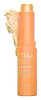
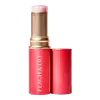
Tula Skincare Glow Hour Brightening & Neutralizing Eye Balm Versus Peach & Lily Glass Skin Luminizing Stick
This eye moisturizer is formulated around Aloe Barbadensis Leaf Juice and Lactococcus Ferment Lysate to hydrate skin.
This hydrating serum is formulated around Squalane and Panax Ginseng Root Extract to hydrate skin.


What's inside
What's inside
 Key Ingredients
Benefits
Concerns
Ingredients Side-by-side
Propanediol
Solvent

Water
Skin ConditioningAloe Barbadensis Leaf Juice
Skin Conditioning

Mica
Cosmetic ColorantSodium Stearate
CleansingXylitol
Humectant
Lactococcus Ferment Lysate
Skin Conditioning
Trehalose
Humectant
Oleth-20
CleansingGlycerin
Humectant
Citrullus Lanatus Fruit Extract
Skin Conditioning
Lens Esculenta Fruit Extract
Skin ConditioningCaffeine
Skin Conditioning
Pyrus Malus Fruit Extract
Skin Conditioning
Vaccinium Vitis-Idaea Fruit Extract
Antioxidant
Cocos Nucifera Water
Masking
Fucus Vesiculosus Extract
Emollient
Lactic Acid
Buffering








Hyaluronic Acid
Humectant
Gluconolactone
Chelating

Citrus Grandis Seed Extract
Astringent
Psidium Guajava Leaf Extract
AstringentVaccinium Angustifolium Fruit Extract
Skin Protecting
Capryloyl Glycerin/Sebacic Acid Copolymer
Skin ConditioningTocopherol
Antioxidant
Calcium Gluconate
HumectantSclerotium Gum
Emulsion StabilisingMenthone Glycerin Acetal
Refreshing
Menthyl Lactate
Masking
Ethylhexylglycerin
Skin ConditioningSodium PCA
Humectant
Xanthan Gum
EmulsifyingHexylene Glycol
EmulsifyingCitric Acid
Buffering
Caprylyl Glycol
Emollient
Sodium Lactate
Buffering
Sodium Benzoate
Masking
Sodium Chloride
MaskingPhenoxyethanol
Preservative
Diheptyl Succinate
EmollientPotassium Sorbate
Preservative
CI 19140
Cosmetic ColorantCI 16035
Cosmetic ColorantCI 77891
Cosmetic ColorantTin Oxide
Abrasive
Propanediol, Water, Aloe Barbadensis Leaf Juice, Mica, Sodium Stearate, Xylitol, Lactococcus Ferment Lysate, Trehalose, Oleth-20, Glycerin, Citrullus Lanatus Fruit Extract, Lens Esculenta Fruit Extract, Caffeine, Pyrus Malus Fruit Extract, Vaccinium Vitis-Idaea Fruit Extract, Cocos Nucifera Water, Fucus Vesiculosus Extract, Lactic Acid, Hyaluronic Acid, Gluconolactone, Citrus Grandis Seed Extract, Psidium Guajava Leaf Extract, Vaccinium Angustifolium Fruit Extract, Capryloyl Glycerin/Sebacic Acid Copolymer, Tocopherol, Calcium Gluconate, Sclerotium Gum, Menthone Glycerin Acetal, Menthyl Lactate, Ethylhexylglycerin, Sodium PCA, Xanthan Gum, Hexylene Glycol, Citric Acid, Caprylyl Glycol, Sodium Lactate, Sodium Benzoate, Sodium Chloride, Phenoxyethanol, Diheptyl Succinate, Potassium Sorbate, CI 19140, CI 16035, CI 77891, Tin Oxide
Diisostearyl Malate
EmollientOctyldodecanol
Emollient
Polyisobutene
Synthetic Wax
Abrasive
Copernicia Cerifera Wax

Glycerin
Humectant
Camellia Japonica Seed Oil
Emollient
Butyrospermum Parkii Butter
Skin Conditioning
Glyceryl Glucoside
Humectant
Squalane
Emollient
Tremella Fuciformis Polysaccharide
Emulsion Stabilising
Alpha-Glucan Oligosaccharide
Cleansing
Glucose
Humectant
Collagen Extract
Skin Conditioning
Panax Ginseng Root Extract
Emollient
Hordeum Distichon Extract
Skin ProtectingHouttuynia Cordata Extract
Skin Conditioning
Prunus Persica Leaf Extract
Emollient
Bifida Ferment Filtrate
Skin Conditioning
Vitis Vinifera Fruit Extract
Skin ConditioningArtemisia Vulgaris Extract
Skin Conditioning
Panthenol
Skin Conditioning
Tremella Fuciformis Extract
Humectant
Hydrolyzed Sodium Hyaluronate
Skin Conditioning
Sodium Hyaluronate
Humectant
Hydrolyzed Hyaluronic Acid
Humectant
Hyaluronic Acid
Humectant
Sodium Hyaluronate Crosspolymer
Humectant
Palmitoyl Tripeptide-1
Skin Conditioning
Acetyl Hexapeptide-8
Humectant
Tripeptide-1
Skin Conditioning
Copper Tripeptide-1
Skin Conditioning
Acetyl Tetrapeptide-5
Humectant
Palmitoyl Pentapeptide-4
Skin Conditioning
Hexapeptide-9
Skin Conditioning
Nonapeptide-1
Skin Conditioning
Dipeptide-2
Skin Conditioning
Lecithin
Emollient
Rosa Canina Seed Extract
EmollientWater
Skin ConditioningHelianthus Annuus Seed Oil
Emollient
Adenosine
Skin Conditioning
Tocopherol
Antioxidant
Butylene Glycol
Humectant
Hibiscus Rosa-Sinensis Flower Extract
HumectantSantalum Album Extract
Cleansing1,2-Hexanediol
Skin Conditioning
Ethylhexylglycerin
Skin ConditioningCaprylyl Glycol
Emollient
Phellodendron Amurense Bark Extract
Skin ConditioningChlorella Ferment
Skin Conditioning
Polyglyceryl-10 Oleate
Skin Conditioning
Pentylene Glycol
Skin Conditioning
Mica
Cosmetic ColorantTitanium Dioxide
Cosmetic Colorant

Titanium/Titanium Dioxide
Cosmetic ColorantTin Oxide
Abrasive
CI 77491
Cosmetic ColorantDiisostearyl Malate, Octyldodecanol, Polyisobutene, Synthetic Wax, Copernicia Cerifera Wax, Glycerin, Camellia Japonica Seed Oil, Butyrospermum Parkii Butter, Glyceryl Glucoside, Squalane, Tremella Fuciformis Polysaccharide, Alpha-Glucan Oligosaccharide, Glucose, Collagen Extract, Panax Ginseng Root Extract, Hordeum Distichon Extract, Houttuynia Cordata Extract, Prunus Persica Leaf Extract, Bifida Ferment Filtrate, Vitis Vinifera Fruit Extract, Artemisia Vulgaris Extract, Panthenol, Tremella Fuciformis Extract, Hydrolyzed Sodium Hyaluronate, Sodium Hyaluronate, Hydrolyzed Hyaluronic Acid, Hyaluronic Acid, Sodium Hyaluronate Crosspolymer, Palmitoyl Tripeptide-1, Acetyl Hexapeptide-8, Tripeptide-1, Copper Tripeptide-1, Acetyl Tetrapeptide-5, Palmitoyl Pentapeptide-4, Hexapeptide-9, Nonapeptide-1, Dipeptide-2, Lecithin, Rosa Canina Seed Extract, Water, Helianthus Annuus Seed Oil, Adenosine, Tocopherol, Butylene Glycol, Hibiscus Rosa-Sinensis Flower Extract, Santalum Album Extract, 1,2-Hexanediol, Ethylhexylglycerin, Caprylyl Glycol, Phellodendron Amurense Bark Extract, Chlorella Ferment, Polyglyceryl-10 Oleate, Pentylene Glycol, Mica, Titanium Dioxide, Titanium/Titanium Dioxide, Tin Oxide, CI 77491
Ingredients Explained
These ingredients are found in both products.
Ingredients higher up in an ingredient list are typically present in a larger amount.
Caprylyl Glycol is a humectant, skin conditioner, emollient, and preservative booster derived from either caprylic acid or synthetically created.
Typical use levels vary from 0.3-1% as a preservative booster and go up to 2% to condition skin.
Because it is not a free-fatty acid, this ingredient is fungal acne safe (there's nothing for Malassezia to feed on).
Learn more about Caprylyl GlycolEthylhexylglycerin is created from glycerin. It is a multitasker ingredient that:
The CIR Expert Panel found minimal skin absorption or sensitization of any kind in a safety assessment. Though this ingredient is considered well-tolerated, a small number of cases of allergic dermatitis have been published since 2002. Just be sure to patch test if you are unsure.
Industry-reported use ranges from 8% in rinse-off products and 2% in leave-on formulations.
Learn more about EthylhexylglycerinGlycerin (or glycerol) is a compound naturally found in your skin. It's a powerhouse humectant that pulls water into the stratum corneum.
Topically, glycerin does several things at once:
Your skin makes glycerin on its own (mostly from sebaceous oil breakdown) and shuttles it to your outermost layer of skin, or your epidermis, via aquaporin-3.
Aquaporin-3 is a transporter that is essential for normal skin hydration, elasticity, and repair. Interestingly, mice lacking in AQP3 have dry and less elastic skin that can be fully corrected with glycerin.
This ingredient is non-irritating, plays well with almost every ingredient, and works across all skin types. Typical use is anywhere between 3-10% but can go up to 79% in some leave-on products.
Just know very high concentrations (>40%) can feel tacky in low humidity.
Glycerin is the name for this ingredient in American English. British English uses Glycerol/Glycerine.
Learn more about GlycerinHyaluronic acid (HA) is a glycosaminoglycan (basically a long sugar chain) that your skin already makes on its own. In your skin, HA lives in the extracellular matrix and acts as the body's moisture reservoir.
Topically, HA is a humectant that binds water and helps skin look more plump, smooth, and hydrated.
The only catch is that HA isn't a single thing; it actually comes in a wide range of molecular weights (~50 - 2,000+ kDA) and size matters.
Some clinical evidence links low molecular weight versions to improved wrinkle depth, elasticity, anti-inflammatory effects, and barrier repair.
This is why the best HA serums blend the two sizes together so you get the best of both worlds.
The majority of cosmetic HA is produced by bacterial fermentation, typically using Streptococcus or Bacillus strains. Typical use levels in skincare sit around 0.1-2%.
A clinical study using a 0.2% low-molecular weight HA gel showed improvement in facial seborrheic dermatitis with excellent tolerance.
These are some other common types of Hyaluronic Acid:
Learn more about Hyaluronic AcidMica is a naturally occurring mineral used to add shimmer and color in cosmetics. It can also help improve the texture of a product or give it an opaque, white/silver color.
Serecite is the name for very fine but ragged grains of mica.
This ingredient is often coated with metal oxides like titanium dioxide. Trace amounts of heavy metals may be found in mica, but these metals are not harmful in our personal products.
Mica has been used since prehistoric times throughout the world. Ancient Egyptian, Indian, Greek, Roman, Aztec, and Chinese civilizations have used mica.
Learn more about MicaTin Oxide is an inorganic oxide used to add opacity and volume to a product. In nature, it is already found in mineral form. The main ore of tin is an opaque and shiny mineral called casseterite.
Tin Oxide helps remove translucency in a product, or make it more opaque. Besides adding opacity, tin oxide is used for bulking to add volume.
Tocopherol is a fat-soluble antioxidant known as Vitamin E.
You'll find this ingredient in the vast majority of skincare (for good reason). It works to neutralize free radicals, or unstable molecules generated by UV exposure, pollution, and other environmental stressors, before they can cause oxidative damage to your skin cells.
Topically applied tocopherol has been shown to protect against UV damage by ramping up the skin's own natural defense enzymes.
It also acts as a skin conditioning agent; some studies show that regular topical use can improve the skin's water-binding capacity over 2-4 weeks.
This ingredient is especially loved for being a team player. When combined with Vitamin C, the photoprotective effect of both ingredients roughly doubles and the combo also helps reduce UV-induced DNA damage.
This ingredient has some brightening potential but it's more of a prevention ingredient than spot-fader. Cell studies show it can slow down melanin production but it's worth noting that it's not the most powerful brightener out there.
In formulations, it also serves as a stabilizer that helps protect other oxidation-prone ingredients from degrading.
Concentrations usually range from 0.1-1% in most leave-on products.
Learn more about TocopherolWater. It's the most common cosmetic ingredient of all. You'll usually see it at the top of ingredient lists, meaning that it makes up the largest part of the product.
So why is it so popular? Water most often acts as a solvent - this means that it helps dissolve other ingredients into the formulation.
You'll also recognize water as that liquid we all need to stay alive. If you see this, drink a glass of water. Remember to stay hydrated!
Learn more about Water

